

What Temperature is Too Hot for a Frog?
The critical temperature threshold for frogs varies by species, but generally speaking, a water temperature exceeding 86°F (30°C) can be dangerously hot for most frog species, potentially leading to death. This article explores the factors affecting a frog’s heat tolerance, signs of heat stress, and how to keep frogs safe from excessive heat.

Understanding Frog Thermoregulation
Frogs are ectothermic, often referred to as cold-blooded, meaning they rely on external sources to regulate their body temperature. Unlike mammals, they cannot generate internal heat to maintain a constant body temperature. This dependence makes them particularly vulnerable to environmental temperature fluctuations. The optimal temperature range for most frogs allows them to carry out essential biological functions like digestion, reproduction, and immune response. What temperature is too hot for a frog? Depends largely on the individual species’ adaptations.
Species-Specific Heat Tolerance
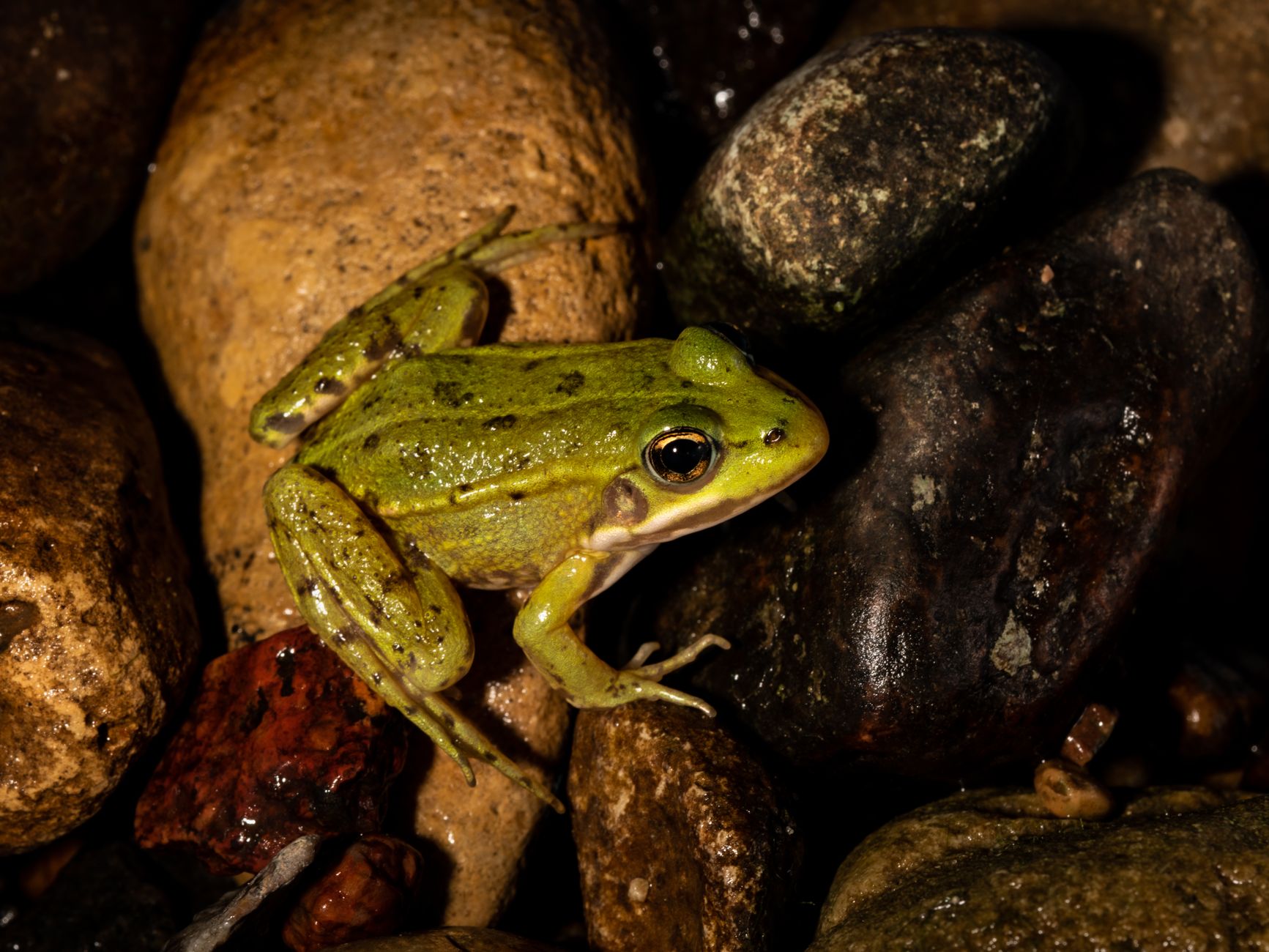
Frog species have adapted to a wide range of climates, from tropical rainforests to temperate wetlands. Consequently, their tolerance to high temperatures varies considerably. For example:
- Desert-dwelling frogs might tolerate higher temperatures compared to frogs found in cooler, more humid environments.
- Amphibians in colder climates will die sooner at similar high temperatures than those who naturally live in warmer climes.
It’s essential to consider the specific species when determining what constitutes a dangerous temperature. Local climate, behavior, and species adaptability all play a vital role.
Factors Influencing Heat Tolerance
Several factors influence a frog’s ability to withstand high temperatures:
- Hydration: Frogs rely on moisture for thermoregulation. Dehydration significantly reduces their heat tolerance.
- Size: Smaller frogs tend to be more vulnerable to heat stress due to their higher surface area to volume ratio, leading to faster water loss.
- Acclimation: Frogs can gradually acclimate to higher temperatures over time, increasing their heat tolerance to some extent. However, this process has its limits.
- Habitat: Availability of shade, water sources, and suitable hiding places affects a frog’s ability to escape extreme heat.
- Health: A healthy frog is more capable of withstanding stressful conditions, including high temperatures.
Recognizing Heat Stress in Frogs
Identifying early signs of heat stress is crucial for preventing severe consequences. Look for the following indicators:
- Lethargy: Reduced activity and responsiveness.
- Erratic Movements: Uncoordinated or struggling movements
- Dry Skin: Skin appearing dry and flaky, indicating dehydration.
- Increased Respiration Rate: Rapid or labored breathing.
- Loss of Righting Reflex: Inability to turn upright when placed on its back.
- Convulsions: Seizures or muscle spasms.
How to Help Frogs in Heat Stress
If you observe signs of heat stress in a frog, take immediate action:

- Move the Frog: Gently relocate the frog to a cooler, shaded area.
- Provide Water: Mist the frog with cool water to rehydrate its skin. Avoid using ice-cold water as it can cause shock.
- Increase Humidity: Create a humid environment by placing the frog in a container with damp moss or paper towels.
- Seek Expert Assistance: If the frog’s condition doesn’t improve, contact a veterinarian or wildlife rehabilitation center.
Creating Frog-Friendly Habitats
Protecting frogs from excessive heat requires creating suitable habitats that provide shelter and moisture. Consider the following measures:
- Provide Shade: Plant trees, shrubs, or other vegetation to create shaded areas.
- Maintain Water Sources: Ensure access to clean, shallow water sources like ponds, puddles, or bird baths.
- Offer Hiding Places: Provide rocks, logs, or leaf litter where frogs can escape the sun.
- Avoid Pesticides: Pesticides can harm frogs and reduce their ability to tolerate heat stress.
Temperature Guide by Frog Species
| Species | Maximum Tolerable Water Temperature (°F) | Maximum Tolerable Water Temperature (°C) | Notes |
|---|---|---|---|
| American Bullfrog | 90 | 32 | Relatively heat-tolerant, but prolonged exposure above this temperature is still harmful. |
| Green Tree Frog | 88 | 31 | Sensitive to dehydration, so water availability is crucial even at tolerable temperatures. |
| Leopard Frog | 85 | 29 | Prefers cooler water; temperatures consistently above this level can be lethal. |
| Wood Frog | 82 | 28 | Least heat-tolerant. Breeds in early spring in colder climates, and is very susceptible to heat stress. |
| Poison Dart Frog | 80 | 26 | These frogs are the least heat-tolerant on this list. Also very dependent on high humidity. |
Climate Change Impacts on Frogs
Climate change poses a significant threat to frog populations worldwide. Rising temperatures, altered rainfall patterns, and increased frequency of extreme weather events are all negatively impacting frog habitats and their ability to survive. Understanding what temperature is too hot for a frog? Is of increasing importance.
Conservation Efforts
Protecting frog populations requires concerted conservation efforts:
- Habitat Restoration: Restoring and protecting wetlands, forests, and other frog habitats.
- Climate Change Mitigation: Reducing greenhouse gas emissions to slow down global warming.
- Public Awareness: Educating the public about the importance of frog conservation.
- Research: Conducting research to better understand frog ecology and develop effective conservation strategies.
Frequently Asked Questions (FAQs)
What is the average body temperature of a frog?
A frog’s body temperature varies significantly depending on the environment but is generally close to the temperature of its surroundings. Frogs don’t have a constant internal temperature like mammals.
How do frogs cool themselves down?
Frogs primarily cool down through evaporation. They absorb water through their skin and then evaporate it, reducing their body temperature. Seeking shade and burrowing into mud are other cooling mechanisms.
What happens if a frog gets too hot?
If a frog gets too hot, it experiences heat stress, leading to dehydration, organ damage, and eventually death. The specific effects depend on the temperature and duration of exposure.
Can frogs survive in hot deserts?
Some frog species have adapted to survive in hot deserts by burrowing deep underground to avoid extreme temperatures and utilizing periods of rainfall to reproduce. They often enter a state of dormancy (estivation) during dry periods.
Is humidity as important as temperature for frogs?
Yes, humidity is crucial because it affects a frog’s ability to stay hydrated. Low humidity increases water loss, making frogs more susceptible to heat stress.
How does water temperature affect tadpoles?
Water temperature is critical for tadpole development. Temperatures that are too high or too low can slow down development, increase mortality rates, and affect metamorphosis.
Are some frog species more heat-tolerant than others?
Yes, desert dwelling and certain tree frog species are more heat-tolerant than others, however all frog species have an upper tolerance limit. This difference is linked to adaptations to different climates and environments.
What should I do if I find a frog in distress on a hot day?
Gently move the frog to a cooler, shaded area and provide it with water. If the frog seems severely distressed, contact a wildlife rescue organization.
How can I create a frog-friendly garden in a hot climate?
Provide shade, water sources, and hiding places like rocks, logs, and dense vegetation. Avoid using pesticides.
Does climate change affect frog populations?
Yes, climate change poses a major threat. Rising temperatures, altered rainfall patterns, and habitat loss all negatively impact frog populations.
Is it safe to keep frogs as pets in warm climates?
Keeping frogs as pets in warm climates requires careful temperature and humidity control. Research the specific needs of the species and ensure a suitable enclosure with appropriate cooling mechanisms.
What is the maximum temperature a frog can tolerate for short periods?
While it varies by species, brief exposures above 90°F (32°C) are likely dangerous for most frogs. Prolonged exposure at these temperatures will certainly be fatal. The longer they are exposed the greater the chance of severe damage or death.