
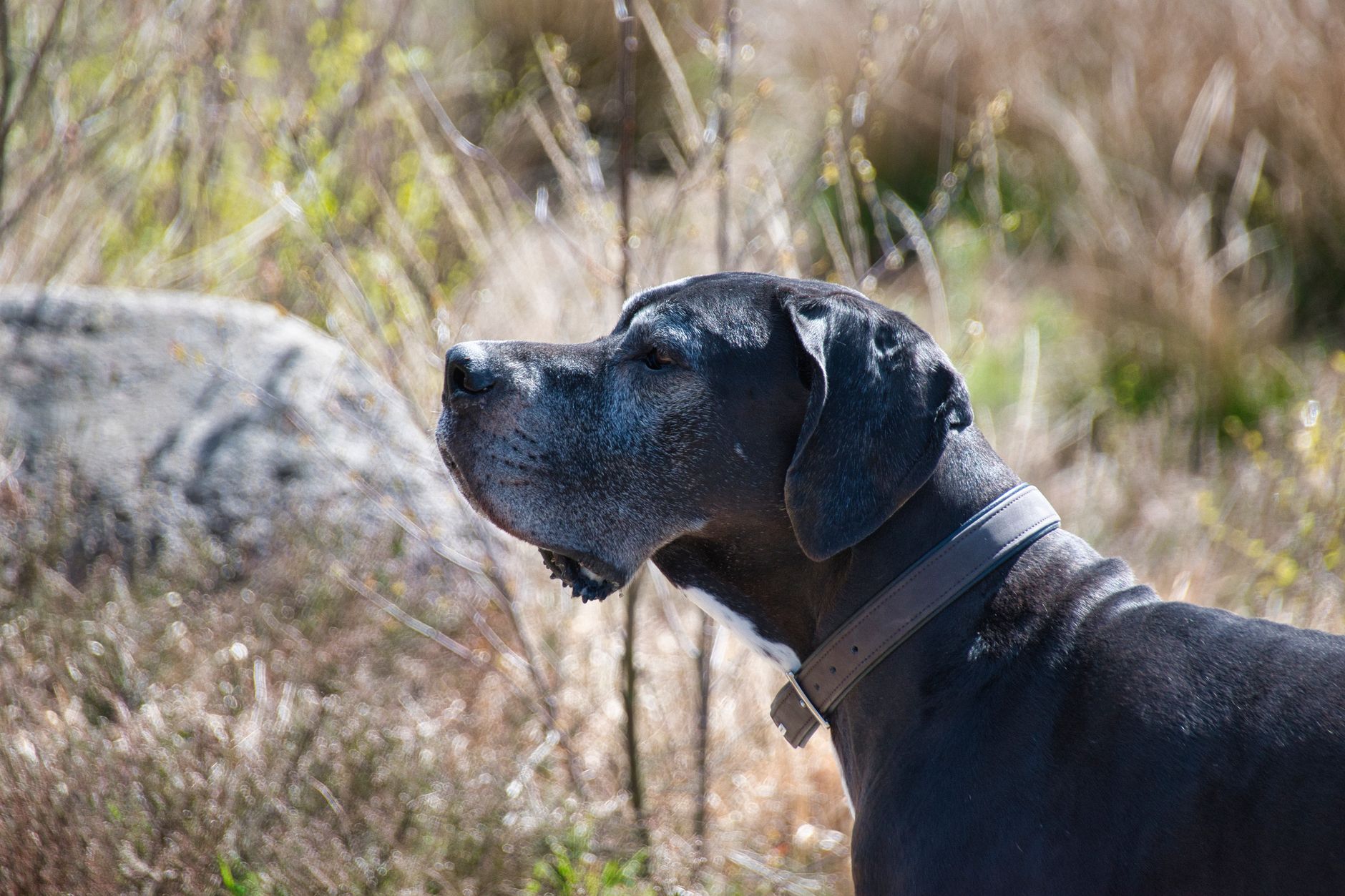
Why Great Danes Are So Short Lived: Understanding the Breed’s Lifespan
Why are Great Danes so short lived? Great Danes, despite their majestic presence, unfortunately have a shorter lifespan than many other breeds primarily due to their large size, which predisposes them to a range of cardiovascular and skeletal issues that significantly reduce their longevity.

A Gentle Giant’s Predicament: The Great Dane’s Limited Lifespan
The Great Dane, often described as the “Apollo of Dogs,” is a breed admired for its imposing stature and gentle nature. However, this majestic canine suffers from a significant drawback: a relatively short lifespan, typically ranging from 7 to 10 years. This stark reality contrasts sharply with the 10-13 year lifespan of many medium-sized breeds, leaving many owners heartbroken far sooner than expected. Understanding the factors contributing to this reduced longevity is crucial for responsible ownership and maximizing the health and well-being of these beloved dogs.
What colours are fish most attracted to?
Can you put your finger in a trout's mouth?
Is methylene blue anti bacterial?
Does aquarium salt raise pH in aquarium?
The Role of Size: A Double-Edged Sword

The very characteristic that makes Great Danes so impressive – their size – is also a major factor in their shorter lifespan. Rapid growth and large body mass place immense strain on their bodies, particularly their cardiovascular system and skeletal structure.
- Accelerated Aging: Larger breeds tend to age more quickly than smaller breeds. This means cellular deterioration occurs at a faster rate.
- Increased Metabolic Demand: Maintaining a large body requires significantly more energy and puts a greater burden on the organs.
- Susceptibility to Growth-Related Diseases: The rapid growth phases experienced by Great Danes can lead to developmental orthopedic diseases.
Cardiovascular Concerns: A Leading Cause of Mortality
Heart disease is a significant contributor to the shortened lifespan of Great Danes. Dilated cardiomyopathy (DCM) is particularly prevalent.
- Dilated Cardiomyopathy (DCM): This condition involves the enlargement of the heart, impairing its ability to pump blood effectively. Symptoms include lethargy, coughing, and difficulty breathing.
- Arrhythmias: Irregular heartbeats can occur, leading to sudden death in some cases.
- Early Detection: Regular veterinary check-ups, including echocardiograms, are crucial for early detection and management of heart conditions.
Skeletal Issues: Another Major Challenge
Great Danes are prone to a variety of skeletal problems, again largely due to their rapid growth and large size.
- Hip Dysplasia: A malformation of the hip joint, leading to pain, arthritis, and lameness.
- Osteosarcoma (Bone Cancer): This aggressive form of cancer is more common in large and giant breeds.
- Bloat (Gastric Dilatation-Volvulus – GDV): A life-threatening condition where the stomach twists, trapping gas and cutting off blood supply. Immediate veterinary intervention is essential.
- Wobbler Syndrome: This is cervical vertebral instability that causes incoordination of the limbs.
Genetics and Breed Predisposition
Genetic predisposition plays a significant role in the health of Great Danes. Responsible breeding practices are essential to minimize the risk of inherited diseases.
- Screening: Breeders should screen their dogs for heart conditions, hip dysplasia, and other potential health problems.
- Selective Breeding: Avoiding breeding dogs with known health issues can help reduce the prevalence of these conditions in future generations.
- Genetic Diversity: Maintaining genetic diversity within the breed is important for overall health and resilience.
Nutrition and Exercise: Key to a Healthier Life
Proper nutrition and exercise are crucial for maximizing the lifespan and quality of life of Great Danes.
- Controlled Growth: Feeding a diet formulated for large-breed puppies can help slow down growth and reduce the risk of skeletal problems.
- Appropriate Exercise: Avoid strenuous exercise during puppyhood to protect developing joints. Gradual and controlled exercise is best.
- Balanced Diet: Ensure a balanced and nutritious diet throughout the dog’s life, tailored to their age and activity level.
Preventative Care: The Foundation of Longevity
Proactive preventative care is essential for catching potential health issues early and managing them effectively.
- Regular Veterinary Check-ups: At least annual check-ups are crucial, and more frequent visits may be recommended for older dogs or those with known health conditions.
- Vaccinations and Parasite Control: Protect your dog from infectious diseases and parasites.
- Dental Care: Good dental hygiene is important for overall health.
- Early Intervention: Addressing any health concerns promptly can significantly improve the outcome.
Frequently Asked Questions
What is the average lifespan of a Great Dane?
The average lifespan of a Great Dane is typically between 7 and 10 years. However, some individuals may live longer with proper care and good genetics.
Are Great Danes prone to specific diseases?
Yes, Great Danes are prone to several diseases, including dilated cardiomyopathy (DCM), hip dysplasia, osteosarcoma, and bloat (GDV). These conditions significantly contribute to their shorter lifespan.
Why are Great Danes so prone to bloat?
The exact cause of bloat is unknown, but it’s more common in large, deep-chested breeds like Great Danes. Factors like eating quickly, exercising after meals, and certain dietary components may increase the risk.
Can anything be done to prevent bloat in Great Danes?
While it’s impossible to completely eliminate the risk, several strategies can help: feed multiple smaller meals, use a slow-feeder bowl, avoid exercise immediately after eating, and consider a prophylactic gastropexy (surgical tacking of the stomach to the abdominal wall).
How can I tell if my Great Dane has dilated cardiomyopathy (DCM)?
Symptoms of DCM can include lethargy, coughing, difficulty breathing, and fainting. However, some dogs may show no symptoms until the condition is advanced. Regular veterinary check-ups with an echocardiogram are essential for early detection.
What is the treatment for hip dysplasia in Great Danes?
Treatment options for hip dysplasia range from conservative management (pain medication, weight management, physical therapy) to surgical interventions, such as total hip replacement, depending on the severity of the condition.
How can I help my Great Dane live a longer, healthier life?
Focus on responsible breeding practices, provide proper nutrition and exercise, ensure regular veterinary care, and be vigilant for any signs of illness. Early detection and intervention are crucial.
What is the best diet for a Great Dane puppy?
Feed a high-quality, large-breed puppy food that is specifically formulated to promote slow and steady growth. Avoid overfeeding, as rapid growth can increase the risk of skeletal problems.
How much exercise does a Great Dane need?
Great Danes need moderate exercise to maintain their health and well-being. However, avoid strenuous exercise during puppyhood to protect their developing joints.
Are Great Danes good family dogs?
Yes, Great Danes are generally known to be gentle and affectionate family dogs. They are often good with children and other pets, although early socialization is important.
What are the signs of osteosarcoma in Great Danes?
Symptoms of osteosarcoma can include lameness, swelling, and pain in the affected limb. Diagnosis typically involves X-rays and a biopsy.
Is it worth getting a Great Dane, knowing their lifespan is shorter?
Despite their shorter lifespan, Great Danes bring immense joy and companionship to their owners. By understanding their specific needs and providing proper care, you can maximize their quality of life and cherish the time you have together. The love and loyalty they offer are truly special.