

What if You Swam in the Dead Sea? A Unique Aquatic Experience
Swimming in the Dead Sea is a profoundly different experience than swimming in any other body of water; instead of sinking, you’ll float effortlessly due to the incredibly high salt concentration, which is both beneficial and potentially dangerous.

Introduction to the Dead Sea
The Dead Sea, bordering Jordan and Israel, is one of the most unique bodies of water on Earth. Its extreme salinity, nearly ten times that of the ocean, creates conditions that are inhospitable to most life, hence its name. However, this very characteristic makes it a popular destination for those seeking therapeutic benefits and a truly unusual swimming experience. What if you swam in the Dead Sea? Understanding the implications of this high salt concentration is crucial before taking the plunge.

What colours are fish most attracted to?
Can you put your finger in a trout's mouth?
Is methylene blue anti bacterial?
Does aquarium salt raise pH in aquarium?
The Science Behind the Float
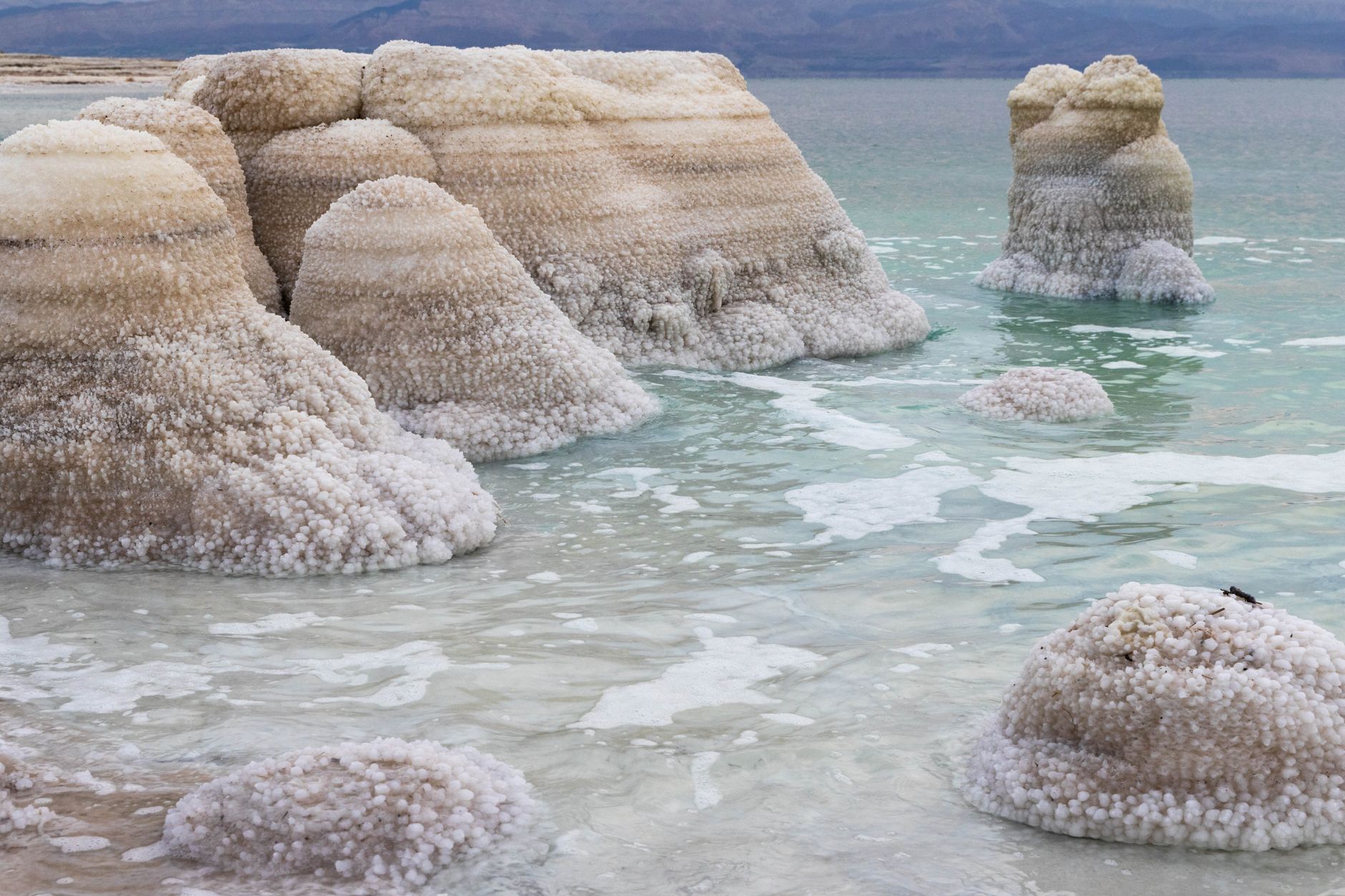
The Dead Sea’s high salinity is the key to its unique buoyancy. The water’s density is so great that it provides a significant upward force on anything submerged in it.
- The water contains approximately 34% salt.
- This creates a density of about 1.24 kg per liter, significantly higher than freshwater (1 kg/liter) or seawater (around 1.025 kg/liter).
- This density allows you to float effortlessly, even if you try to sink.
Potential Benefits of Swimming in the Dead Sea
The Dead Sea’s mineral-rich waters offer several potential health benefits.
- Skin conditions: The high concentration of magnesium, sodium, and potassium may help alleviate symptoms of psoriasis, eczema, and acne.
- Arthritis relief: Minerals can penetrate the skin and reduce inflammation, easing joint pain and stiffness.
- Muscle relaxation: The buoyancy and mineral content can promote muscle relaxation and reduce stress.
How to Swim (Float) in the Dead Sea Safely
Swimming in the Dead Sea requires a specific approach to ensure safety and maximize enjoyment.
- Enter slowly and carefully: The bottom can be muddy and uneven.
- Avoid getting water in your eyes, nose, or mouth: The high salt concentration is intensely irritating.
- Float on your back: This is the easiest and most comfortable position.
- Limit your time in the water: Prolonged exposure can lead to dehydration and skin irritation. 15-20 minutes is usually sufficient.
- Rinse off thoroughly after exiting: Use freshwater to remove the salt from your skin.
Common Mistakes to Avoid
Many first-time visitors make mistakes that can detract from their experience.
- Shaving or waxing before swimming: This can cause intense stinging.
- Wearing contact lenses: Saltwater can damage them.
- Staying in the water too long: Prolonged exposure can dehydrate you.
- Splashing or swimming underwater: This increases the risk of getting saltwater in your eyes and nose.
Comparing the Dead Sea to Other Salty Waters
While there are other salty bodies of water, the Dead Sea’s mineral composition and concentration set it apart.
| Feature | Dead Sea | Great Salt Lake | Ocean |
|---|---|---|---|
| Salt Concentration | ~34% | ~5-27% | ~3.5% |
| Mineral Composition | Unique blend of minerals | Primarily sodium chloride | Primarily sodium chloride |
| Buoyancy | Extremely high | High | Moderate |
Frequently Asked Questions
What happens if you get Dead Sea water in your eyes?
Getting Dead Sea water in your eyes is incredibly painful and can cause a burning sensation and temporary blurred vision. You should immediately rinse your eyes thoroughly with fresh water for several minutes. If the irritation persists, seek medical attention.
Can you drown in the Dead Sea?
While it’s difficult to sink, it is absolutely possible to drown in the Dead Sea. The high salt concentration makes it challenging to swim in a traditional manner, and if you get water in your eyes, nose, or mouth, panic can set in, increasing the risk. Children and those who are not comfortable in water should exercise extreme caution.
Is it safe for children to swim in the Dead Sea?
Children can swim in the Dead Sea, but only under close supervision. They should be kept out of the water for very short periods (a few minutes at most) and carefully monitored to prevent them from splashing or swallowing the water.
How long can you stay in the Dead Sea?
It’s recommended to limit your time in the Dead Sea to no more than 15-20 minutes. Prolonged exposure can lead to dehydration and skin irritation due to the high salt concentration.
What should you wear to swim in the Dead Sea?
Wear an old swimsuit that you don’t mind potentially staining. The minerals in the Dead Sea can discolor fabrics. Avoid wearing jewelry, as it can also be affected by the salt. Water shoes are a good idea to protect your feet from the muddy bottom and sharp salt crystals.
What should you do after swimming in the Dead Sea?
Immediately after exiting the Dead Sea, rinse off thoroughly with fresh water. This will remove the salt and minerals from your skin and prevent irritation. Apply moisturizer to rehydrate your skin.
Can swimming in the Dead Sea cure skin conditions?
While many people report improvements in skin conditions like psoriasis and eczema after swimming in the Dead Sea, it’s not a cure. The mineral-rich waters can help alleviate symptoms and reduce inflammation, but the effects are often temporary. Consult with a dermatologist for proper treatment.
Is it safe to drink Dead Sea water?
Absolutely not! Drinking Dead Sea water is extremely dangerous due to its high salt concentration. It can cause severe dehydration, electrolyte imbalance, and kidney damage.
Are there any animals living in the Dead Sea?
Due to the extreme salinity, very few organisms can survive in the Dead Sea. Some bacteria and archaea (single-celled microorganisms) have adapted to these harsh conditions, but larger animals are absent.
Does the Dead Sea smell?
The Dead Sea can have a slightly sulfurous smell due to the presence of sulfur-containing compounds in the water and mud. However, the odor is usually not overpowering and doesn’t detract significantly from the overall experience.
What is the Dead Sea mud good for?
Dead Sea mud is renowned for its potential therapeutic benefits. It’s rich in minerals that can help exfoliate and cleanse the skin, improve circulation, and reduce inflammation. It’s often used in masks and body wraps.
Is the Dead Sea shrinking?
Yes, the Dead Sea is shrinking at an alarming rate due to water diversion from the Jordan River, its primary source. This poses a significant environmental challenge, and efforts are underway to stabilize the water level and preserve this unique ecosystem. What if you swam in the Dead Sea? It might not be around forever, so consider a visit sooner rather than later!