

What Does a Tiger Fear? Unveiling the Apex Predator’s Vulnerabilities
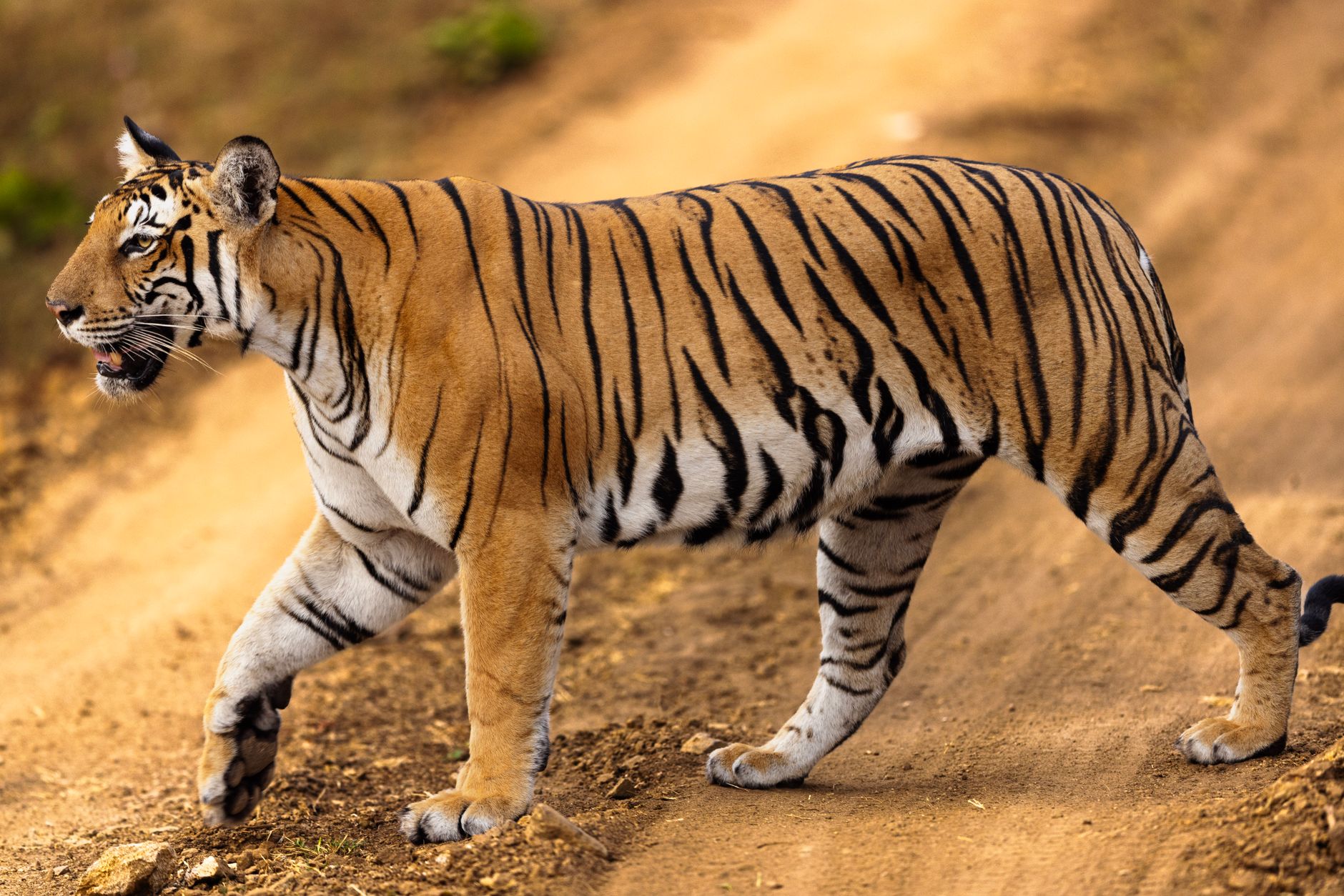
The mighty tiger, an apex predator of unmatched power, evokes awe and respect. But even this magnificent creature harbors fears. The primary fears of a tiger revolve around threats to its cubs, intrusions on its territory, and confrontations with dominant rivals, although other environmental and human factors also play significant roles in shaping its anxieties.

Introduction: Beyond the Roar – Understanding a Tiger’s Fears
For centuries, the tiger has held a prominent place in human culture, often depicted as a symbol of strength, ferocity, and untamed wilderness. However, a deeper understanding of these majestic animals reveals a complex creature with survival instincts that extend beyond sheer aggression. What does a tiger fear? is a question that unveils the vulnerabilities and challenges faced by these solitary hunters in a rapidly changing world. Their fears are interwoven with the preservation of their lineage, the protection of their hunting grounds, and the constant need to assert dominance.
Is distilled water good for goldfish?
What colours are fish most attracted to?
Can you put your finger in a trout's mouth?
Is methylene blue anti bacterial?
The Protection of Cubs: A Mother’s Deepest Fear
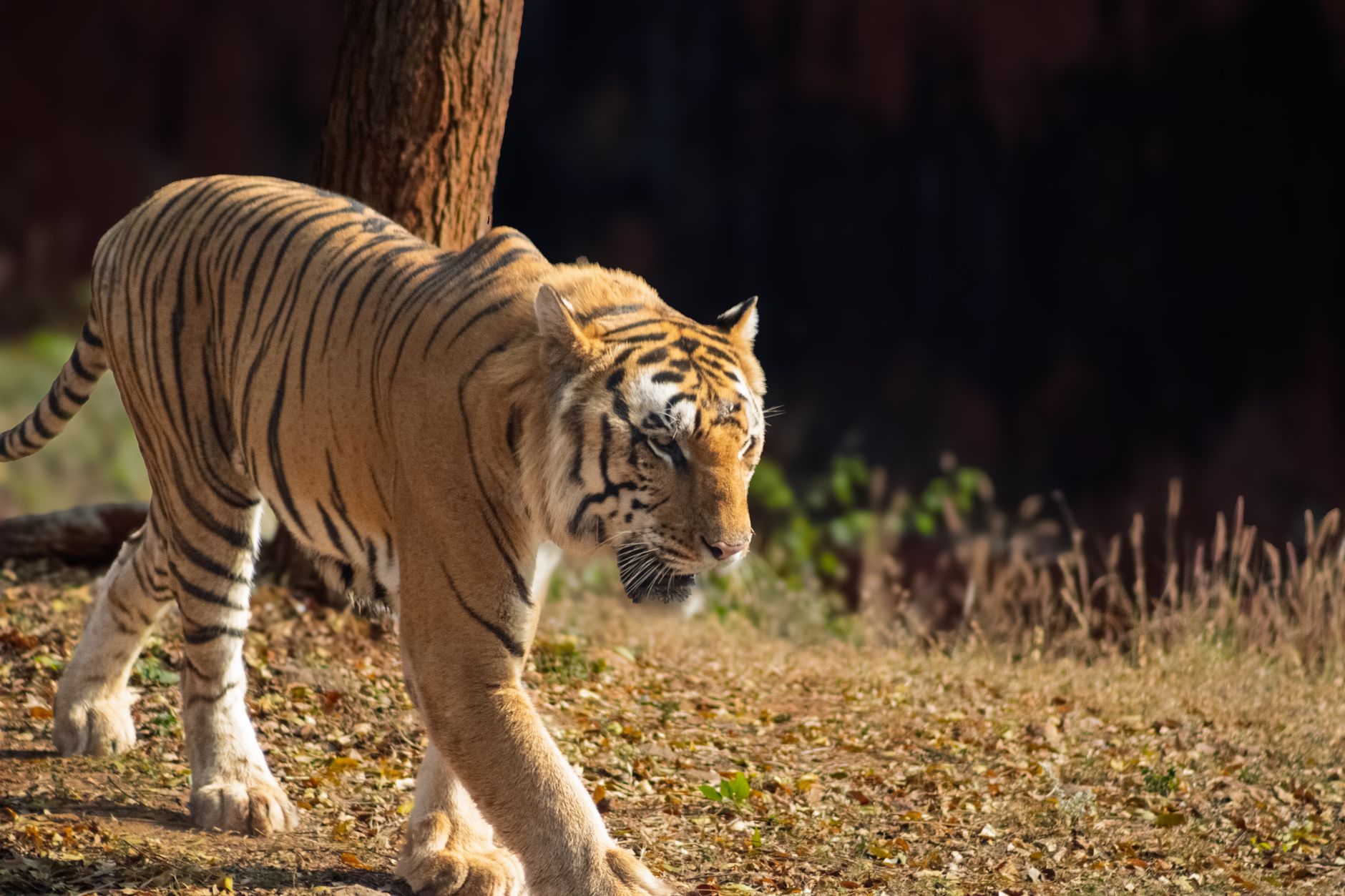
A tigress’s most profound fear centers around the safety and well-being of her cubs. These young tigers are incredibly vulnerable to predators like leopards, dholes (Asian wild dogs), and even other tigers, particularly infanticidal males. A tigress will go to extraordinary lengths to protect her offspring, displaying relentless aggression and vigilance. This fear is deeply ingrained and dictates much of her behavior during the cub-rearing stage.
- Relentless vigilance against intruders.
- Moving cubs frequently to different den sites to avoid detection.
- Fierce defense against any perceived threat, often involving deadly force.
Territory Intrusion: Challenging Dominance
Tigers are highly territorial animals, and maintaining control over their hunting grounds is crucial for their survival. An intrusion by a rival tiger, especially a larger or more experienced male, is a significant cause for fear. These encounters can lead to violent confrontations, resulting in serious injuries or even death.
- Loss of access to vital resources like prey and water.
- Potential displacement from established hunting areas.
- Risk of injury or death from territorial disputes.
- Vocal displays
- Scent Marking
- Physical Aggression
Confrontations with Dominant Rivals: The Hierarchy of Power
The tiger society, although largely solitary, is governed by a hierarchy of dominance. Younger or weaker tigers will often exhibit fear and deference towards older, more powerful individuals. These confrontations may arise over mating opportunities, territory, or access to food. The risk of injury or death during these encounters is a significant source of anxiety for subordinate tigers.
Environmental Threats: The Unseen Danger
Beyond other apex predators and internal competition, tigers face fears based on environmental stressors. These include:
- Natural Disasters: Floods, droughts, and wildfires can drastically alter their habitat and reduce prey availability.
- Habitat Loss: Deforestation and encroachment on tiger habitats leads to smaller territories, increased competition, and greater vulnerability to human-wildlife conflict.
- Prey Depletion: Overhunting of deer, wild boar, and other prey species by humans can lead to starvation and increased risk of conflict.
The Human Factor: A Pervasive Fear
Perhaps the most significant and pervasive fear for tigers is the threat posed by humans. Poaching, driven by the demand for tiger parts in traditional medicine and other markets, remains a serious problem. Additionally, habitat loss and fragmentation due to human activities force tigers into closer proximity with human settlements, leading to retaliatory killings by villagers who fear for their livestock and safety. The pervasive fear of humans, driven by poaching and habitat loss, is arguably the biggest single threat to tiger populations today.
| Threat | Description | Impact on Tigers |
|---|---|---|
| Poaching | Illegal hunting of tigers for their skin, bones, and other body parts. | Reduced populations, skewed sex ratios, loss of genetic diversity. |
| Habitat Loss | Deforestation and conversion of tiger habitats for agriculture, logging, and development. | Reduced prey availability, increased competition, greater vulnerability to poaching, increased human-wildlife conflict. |
| Retaliation | Killing of tigers by villagers in response to livestock depredation or perceived threats to human safety. | Reduced populations, increased fear of humans, further fragmentation of populations. |
| Roadways | Construction of roadways through tiger habitats that lead to animal-vehicle collisions. | Reduced populations, increased fear of moving into new terrioties, and overall reduced breeding rates due to dangerous habitat. |
Conservation Efforts: Reducing Fear, Ensuring Survival
Addressing the fears of tigers is crucial for their long-term survival. Conservation efforts that focus on reducing poaching, protecting and restoring tiger habitats, mitigating human-wildlife conflict, and engaging local communities are essential. By creating a safer and more secure environment for tigers, we can help alleviate their fears and ensure that these magnificent creatures continue to thrive in the wild. This is the ultimate answer to what does a tiger fear?. A future where it doesn’t have to fear for its very existence.
Frequently Asked Questions
What is the biggest threat to tigers today?
The biggest threat to tigers today is undoubtedly poaching, driven by the illegal wildlife trade. The demand for tiger parts, particularly in traditional medicine, fuels this devastating practice and continues to decimate tiger populations across Asia.
How does habitat loss impact a tiger’s fears?
Habitat loss increases a tiger’s fears by reducing prey availability, increasing competition for resources, and forcing tigers into closer proximity with human settlements. This heightened interaction with humans increases the risk of conflict, leading to retaliatory killings and further exacerbating their fear.
Are male tigers afraid of other male tigers?
Yes, male tigers are often afraid of other males, particularly those that are larger, stronger, or more dominant. Confrontations between males can be violent and result in serious injuries or even death, so subordinate males typically try to avoid these encounters.
What do tigers do when they are afraid?
When tigers are afraid, they typically exhibit a range of behaviors, including retreating, growling, hissing, and displaying aggressive postures. They may also mark their territory more frequently to assert their presence and deter potential threats.
How do tigresses protect their cubs from danger?
Tigresses are fiercely protective of their cubs and employ various strategies to keep them safe, including moving them frequently to different den sites, remaining vigilant against potential threats, and aggressively defending them against any perceived danger. They may also teach their cubs survival skills, such as hunting and avoiding predators.
Are tigers afraid of humans?
While tigers are naturally wary of humans, their fear of us has increased dramatically in recent decades due to poaching, habitat loss, and human-wildlife conflict. Many tigers now associate humans with danger and will actively avoid contact whenever possible.
Do tigers fear natural disasters?
Yes, tigers are susceptible to the devastating impacts of natural disasters such as floods, droughts, and wildfires. These events can destroy their habitat, reduce prey availability, and increase the risk of starvation or death, thus instilling a significant fear of such calamitous events.
Do tigers have any natural predators besides humans?
While adult tigers are apex predators, their cubs are vulnerable to other predators, including leopards, dholes (Asian wild dogs), and even other tigers, particularly infanticidal males. These predators pose a significant threat to young tigers and contribute to their mother’s heightened state of vigilance.
How do conservation efforts address the fears of tigers?
Effective conservation efforts aim to alleviate the fears of tigers by reducing poaching, protecting and restoring tiger habitats, mitigating human-wildlife conflict, and engaging local communities. By creating a safer and more secure environment, conservationists help reduce the threats faced by tigers and promote their long-term survival.
What can I do to help reduce tiger fears?
There are several ways individuals can contribute to tiger conservation and help reduce their fears. These include supporting organizations that work to protect tigers and their habitats, advocating for stricter anti-poaching laws, reducing your consumption of products that contribute to deforestation, and educating others about the importance of tiger conservation.
Why is understanding a tiger’s fears important?
Understanding what does a tiger fear? is vitally important because it provides valuable insights into the challenges they face in a rapidly changing world. It helps conservationists develop more effective strategies for protecting tigers and ensuring their survival by focusing on threat mitigation.
What factors can change the answer to ‘What does a tiger fear’?
The factors that can alter what does a tiger fear? are varied and interconnected. These range from the increasing rates of climate change related weather patterns to the continued expansion of human territories. The intersection between tigers and humans is where the answers lie.