
What Gravel is Best for Betta Fish?: Choosing the Right Substrate for Your Finny Friend
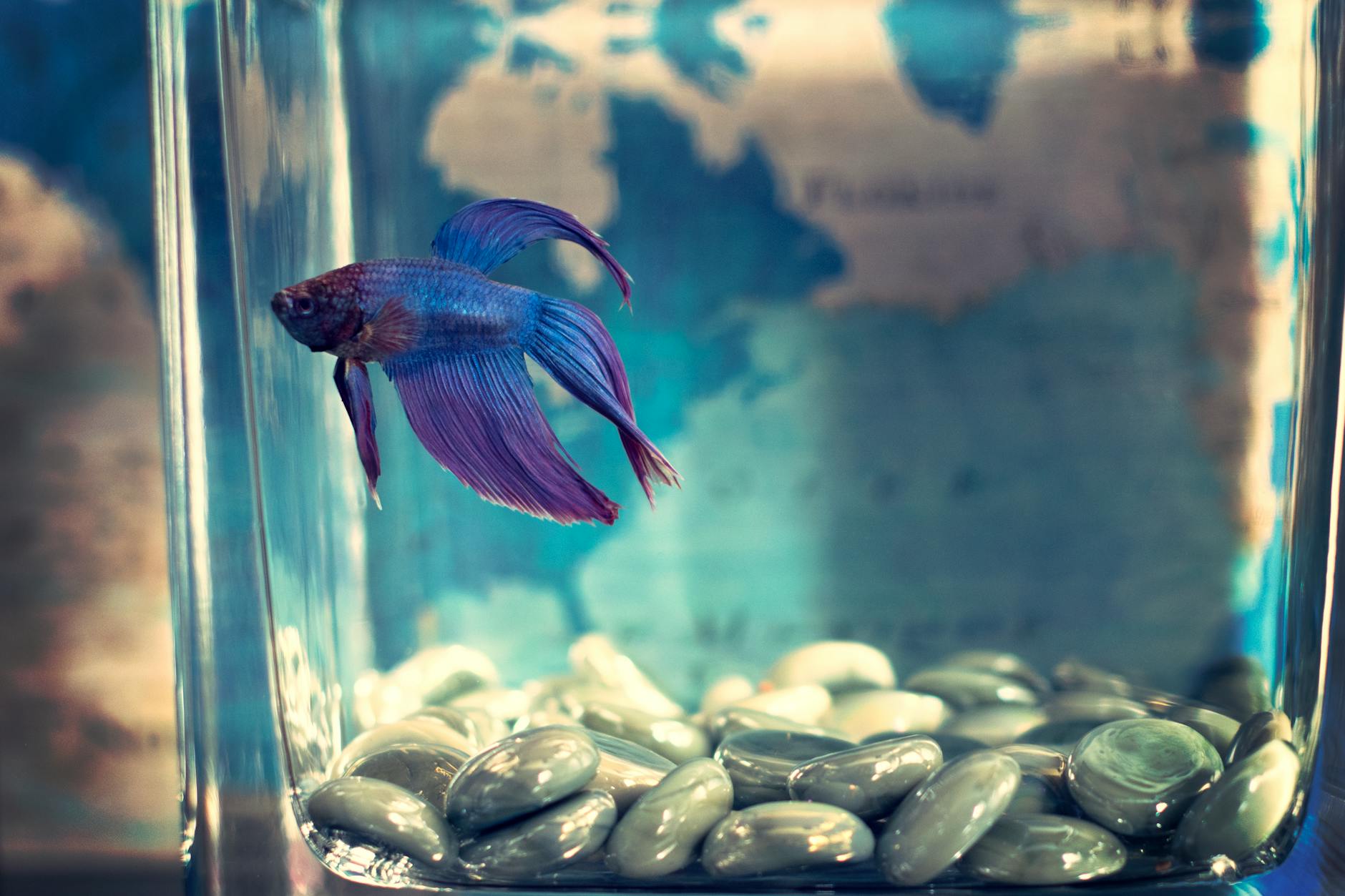
The best gravel for betta fish is typically small, smooth, and inert, meaning it won’t alter your tank’s water chemistry; dark, natural-looking gravel also tends to be less stressful for these sensitive fish.

Choosing the right gravel for your betta fish is a crucial decision that impacts their health, well-being, and overall happiness. The substrate in your betta’s tank isn’t just for aesthetics; it plays a vital role in biological filtration, waste management, and providing a comfortable environment. This comprehensive guide delves into the world of betta substrates, offering expert insights to help you make the best choice for your aquatic companion.
The Importance of Choosing the Right Gravel
Selecting the appropriate substrate goes beyond mere decoration. It’s a fundamental aspect of maintaining a healthy and balanced aquarium ecosystem for your betta. Improper gravel can lead to various issues, affecting your fish’s health and the overall water quality.
- Biological Filtration: Gravel provides a surface area for beneficial bacteria to colonize. These bacteria are essential for breaking down harmful ammonia and nitrites, converting them into less toxic nitrates. This process, known as the nitrogen cycle, is the cornerstone of a healthy aquarium.
- Waste Management: Gravel traps uneaten food and fish waste. While regular cleaning is necessary, the gravel acts as a temporary reservoir, preventing these substances from immediately polluting the water column.
- Betta Comfort: Some gravel types can be abrasive or leach harmful chemicals, stressing your betta. Smooth, inert gravel provides a safe and comfortable environment.
- Aesthetics: While secondary to functionality, the substrate’s color and texture can significantly enhance the visual appeal of your tank and complement your betta’s vibrant colors.
How intelligent are fish?
Are fish heads good for the garden?
Can fish hear water?
What is cotton rot in fish?
Ideal Gravel Characteristics for Betta Fish

When considering what gravel is best for betta fish, several key characteristics should guide your selection.
- Size: Small gravel, typically 1-3mm in diameter, is ideal. Larger gravel can trap food and waste, making cleaning difficult. Very fine sand can compact and hinder oxygen flow to the beneficial bacteria.
- Smoothness: Betta fish often forage at the bottom of the tank. Rough or jagged gravel can damage their delicate fins. Choose smooth, rounded gravel to prevent injuries.
- Inertness: The gravel should be inert, meaning it doesn’t react with the water or leach harmful substances. Avoid gravel containing carbonates or other chemicals that can alter pH or hardness.
- Color: While color is a matter of personal preference, darker gravel is often preferred by betta keepers. Dark substrates can help reduce stress and make the betta’s colors more vibrant. Natural colors like black, brown, and dark blue are generally good choices.
Types of Gravel Suitable for Betta Fish
Several types of gravel meet the criteria for a safe and healthy betta environment.
- Natural Gravel: This is the most common type, typically composed of quartz or other inert minerals. It’s readily available and comes in various colors and sizes. Ensure it’s smooth and doesn’t contain sharp edges.
- Aquarium Substrates: These are specifically designed for aquariums and are often pre-washed and treated to ensure they are safe for fish. Examples include fluorite, which is a baked clay product that provides nutrients for planted tanks.
- River Rock: Smooth river rocks can be used as a supplementary decorative element, but shouldn’t constitute the entire substrate. Ensure they are thoroughly cleaned and free from contaminants.
- Gravel Alternatives: While not gravel, sand can also be used, though it requires more frequent and careful cleaning. Bare-bottom tanks are an option as well, making cleaning easy, but can be stressful for some fish, as they prefer a natural environment.
Gravel Preparation and Maintenance
Proper preparation and maintenance are essential for keeping your betta’s gravel clean and healthy.
Preparation:
- Rinse Thoroughly: Before adding new gravel to the tank, rinse it thoroughly under running water to remove any dust, debris, or contaminants.
- Consider Boiling: For added safety, especially with gravel from unknown sources, boiling it for a few minutes can help sterilize it.
Maintenance:
- Gravel Vacuuming: Use a gravel vacuum during water changes to remove waste and debris from the substrate.
- Insert the vacuum into the gravel.
- Gently stir the gravel to release trapped debris.
- Allow the vacuum to suck up the debris and dirty water.
- Regular Water Changes: Perform regular water changes (25-50% weekly) to maintain water quality.
- Avoid Overfeeding: Overfeeding contributes to excess waste buildup in the gravel. Feed your betta only what they can consume in a few minutes.
Common Mistakes to Avoid
- Using Sharp or Jagged Gravel: This can injure your betta’s fins and body.
- Using Gravel That Alters Water Chemistry: Avoid gravel that contains carbonates or other chemicals that can raise pH or hardness.
- Neglecting Gravel Cleaning: Failure to clean the gravel regularly can lead to a buildup of harmful toxins.
- Using Treated Gravel Without Proper Rinse: Some gravels are treated with chemicals; always rinse thoroughly before use.
- Choosing gravel that clashes severely with the betta’s color: While ultimately aesthetic, high-contrast gravels can sometimes contribute to stress.
Comparing Gravel Options
| Gravel Type | Pros | Cons | Best For |
|---|---|---|---|
| Natural Gravel | Widely available, affordable, various colors | Can be sharp, may require thorough rinsing | General use, beginners |
| Aquarium Substrates | Pre-washed, safe for fish, may provide nutrients for plants | Can be more expensive | Planted tanks, experienced aquarists |
| River Rock | Natural look, adds variety | Must be thoroughly cleaned, not ideal as the sole substrate | Decoration, supplementing other gravel |
| Sand | Natural look, can be easier to clean | Can compact, requires more frequent cleaning, can cloud water if disturbed | Experienced aquarists, specific aesthetic preferences |
Frequently Asked Questions (FAQs)
Is colored gravel safe for betta fish?
While colored gravel can be aesthetically pleasing, it’s crucial to ensure the dye used is non-toxic and aquarium-safe. Low-quality colored gravel may leach harmful chemicals into the water, harming your betta. Opt for reputable brands that guarantee the safety of their products.
Can I use pebbles instead of gravel?
Small, smooth pebbles can be used as part of the substrate, but they should not be the only component. Use alongside gravel to help with filtration. Ensure they are thoroughly cleaned and free from sharp edges to prevent injury.
How often should I clean the gravel in my betta tank?
You should clean the gravel during every water change, typically once a week. Use a gravel vacuum to remove debris and waste from the substrate.
What size gravel is best for betta fish?
The ideal gravel size for betta fish is between 1-3mm. This size allows for good water flow and prevents food and waste from becoming trapped.
Can I use gravel from a garden in my betta tank?
It is not recommended to use gravel from your garden. This gravel may contain harmful bacteria, pesticides, or other contaminants that could harm your betta. Always use gravel specifically designed for aquariums.
Does the color of the gravel affect my betta’s behavior?
Yes, the color of the gravel can affect your betta’s behavior. Darker substrates tend to be less stressful and can enhance the betta’s natural colors. Bright or contrasting colors may stress some bettas.
What is the best way to prepare new gravel for my betta tank?
The best way to prepare new gravel is to rinse it thoroughly under running water until the water runs clear. You can also boil the gravel for a few minutes to sterilize it.
Can I use sand instead of gravel for my betta fish?
Yes, sand can be used instead of gravel. It requires more frequent and careful cleaning, as it can compact and hinder water flow. Ensure the sand is aquarium-safe and doesn’t contain sharp particles.
Will gravel affect the pH of my betta tank water?
Inert gravel should not affect the pH of your betta tank water. However, some gravels, like those containing carbonates, can raise the pH. Choose inert gravel to maintain stable water parameters.
How much gravel do I need for my betta tank?
A general rule is to use about 1-2 inches of gravel in your betta tank. The amount will depend on the size of your tank and personal preference.
Is sharp gravel harmful to betta fish?
Yes, sharp gravel is harmful to betta fish. Betta fish often forage at the bottom of the tank, and sharp gravel can damage their delicate fins and body. Always choose smooth, rounded gravel.
What are the benefits of using gravel in a betta tank?
The benefits of using gravel in a betta tank include providing a surface for beneficial bacteria to colonize, helping to maintain water quality, and creating a more natural and comfortable environment for your betta.