

What Hunted the Ichthyosaur? A Deep Dive into Ancient Marine Predation
The ichthyosaur, a remarkable marine reptile, dominated prehistoric seas for millions of years. While apex predators themselves, ichthyosaurs were also prey, facing threats from a variety of formidable hunters, including massive sharks, other marine reptiles, and even their own kind.

Introduction: The Ichthyosaur’s World
The Mesozoic Era, often called the Age of Reptiles, saw the rise and fall of incredible creatures, both on land and in the seas. Among the most successful marine reptiles were the ichthyosaurs, streamlined predators resembling modern dolphins and sharks. But life in the prehistoric ocean was a brutal struggle for survival. While ichthyosaurs were apex predators for much of their reign, they weren’t invincible. Understanding what hunted the ichthyosaur requires examining the ecology of their world and the other powerful creatures that shared it.

What colours are fish most attracted to?
Can you put your finger in a trout's mouth?
Is methylene blue anti bacterial?
Does aquarium salt raise pH in aquarium?
The Ichthyosaur: A Brief Overview
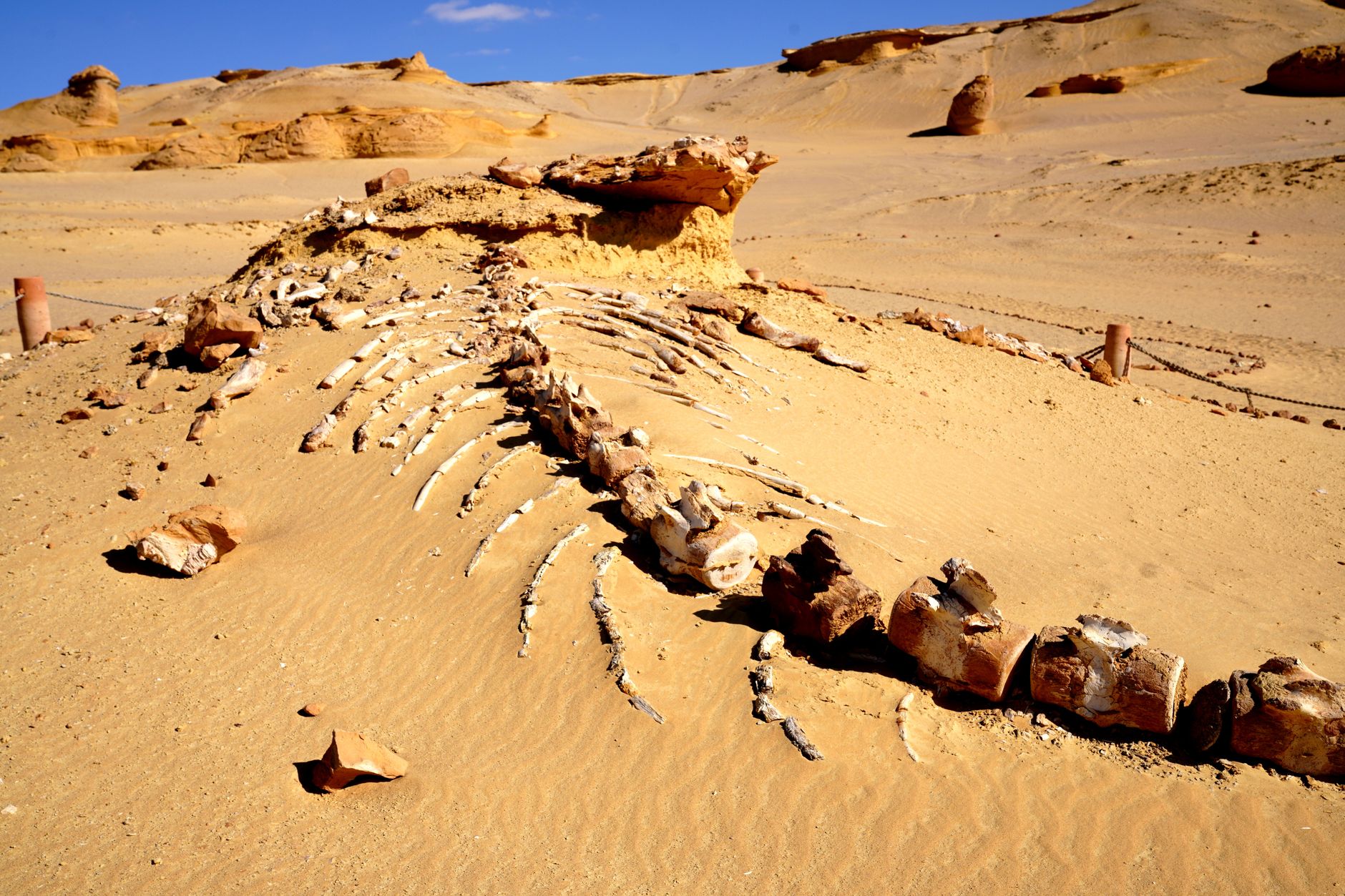
Before diving into the predators, it’s crucial to understand ichthyosaurs themselves. These reptiles evolved from terrestrial ancestors and adapted remarkably to marine life.
- Physical Characteristics: Ichthyosaurs possessed a streamlined body, paddle-like limbs for steering, and a powerful tail for propulsion. They breathed air, giving birth to live young.
- Diet: Their diet varied depending on the species, but generally consisted of fish, cephalopods (like squid), and other marine reptiles.
- Time Period: They thrived from the Early Triassic period (around 250 million years ago) to the Late Cretaceous (about 90 million years ago).
- Size: Ichthyosaurs ranged in size from less than a meter to over 20 meters in length.
Potential Predators: Sharks, Pliosaurs, and More
What hunted the ichthyosaur? The answer is complex and varied depending on the time period and geographic location. The fossil record reveals a number of potential predators:
- Giant Sharks: Prehistoric sharks, some far larger and more formidable than any shark alive today, certainly posed a threat. Species like Hybodus, which existed alongside ichthyosaurs for millions of years, and later, the massive Cretoxyrhina mantelli (“Ginsu shark”) were undoubtedly capable of preying on smaller or juvenile ichthyosaurs.
- Pliosaurs: These short-necked plesiosaurs were apex predators known for their immense bite force and powerful jaws. Pliosaurs such as Liopleurodon and Pliosaurus were contemporaries of ichthyosaurs and likely preyed upon them. Evidence of pliosaur teeth marks on ichthyosaur fossils supports this theory.
- Other Large Marine Reptiles: Other large marine reptiles, including mosasaurs in the later Cretaceous, likely preyed on ichthyosaurs when the opportunity arose.
- Cannibalism: Evidence suggests that larger ichthyosaurs may have preyed on smaller individuals, including juveniles, of their own species. This phenomenon, known as cannibalism, is not uncommon in the animal kingdom, particularly among apex predators.
Evidence of Predation
Fossil evidence provides clues about predator-prey relationships. Some compelling examples include:
- Bite Marks: Fossils showing teeth marks from other marine reptiles, particularly pliosaurs, on ichthyosaur bones.
- Fossilized Stomach Contents: The fossilized stomach contents of pliosaurs occasionally reveal ichthyosaur remains, offering direct evidence of predation.
- Injured and Healed Bones: Ichthyosaur fossils showing healed injuries suggest survival from attacks by predators, indicating that they were targeted but sometimes escaped.
The Evolution of Defense
Faced with such formidable predators, ichthyosaurs likely evolved various defense mechanisms:
- Speed and Agility: Their streamlined bodies allowed them to achieve high speeds, enabling them to outrun predators.
- Camouflage: The dark coloration of some ichthyosaur species may have provided camouflage, helping them blend into the dark depths of the ocean.
- Group Behavior: Some ichthyosaurs may have lived in groups or pods, offering increased protection from predators.
The Decline and Extinction of Ichthyosaurs
The decline and eventual extinction of ichthyosaurs in the Late Cretaceous remains a topic of ongoing research. Factors contributing to their disappearance likely included:
- Competition: Increasing competition from other marine reptiles, such as mosasaurs, which were better adapted to the changing marine environment.
- Environmental Changes: Shifts in ocean currents, temperature, and sea levels may have negatively impacted ichthyosaur populations.
- Predation: While predation was a constant factor, increased predation pressure from evolving predators may have contributed to their decline.
Frequently Asked Questions About Ichthyosaur Predation
What is the primary evidence used to determine what hunted the ichthyosaur?
The primary evidence comes from fossil records, specifically ichthyosaur bones with bite marks that match the teeth of known predators, and fossilized stomach contents of predators containing ichthyosaur remains.
Were ichthyosaurs apex predators themselves?
Yes, ichthyosaurs were apex predators for much of their existence. However, they also faced threats from larger and more powerful predators, particularly pliosaurs and large sharks. The title question, what hunted the ichthyosaur? highlights this duality.
What role did pliosaurs play in ichthyosaur predation?
Pliosaurs were likely major predators of ichthyosaurs. Their powerful jaws and immense bite force made them capable of taking down even large ichthyosaurs. Evidence of pliosaur teeth marks on ichthyosaur fossils strongly supports this.
How did ichthyosaur size affect their vulnerability to predation?
Smaller, juvenile ichthyosaurs were more vulnerable to predation than larger adults. This is a common pattern in the animal kingdom, where young individuals are easier targets. Larger sharks and pliosaurs likely focused on smaller ichthyosaurs.
Did any modern animals have similar predator-prey relationships to ichthyosaurs?
Yes, there are some parallels. For example, dolphins and sharks share a predator-prey relationship, although the dynamics are different. Ichthyosaurs occupied a similar ecological niche to modern dolphins and sharks, making them vulnerable to similar predators.
What is the “Ginsu shark” and why is it relevant to ichthyosaur predation?
Cretoxyrhina mantelli, nicknamed the “Ginsu shark,” was a large lamniform shark from the Late Cretaceous period. It was a powerful predator with serrated teeth, capable of slicing through flesh and bone. This shark likely preyed on ichthyosaurs, particularly smaller individuals.
How did ichthyosaurs defend themselves against predators?
Ichthyosaurs likely employed several defense mechanisms, including speed and agility to outrun predators, camouflage to blend into their environment, and potentially group behavior for increased protection.
What is the significance of fossilized stomach contents in determining ichthyosaur predators?
Fossilized stomach contents provide direct evidence of predator-prey relationships. If a pliosaur fossil contains ichthyosaur bones, it is a clear indication that the pliosaur preyed on ichthyosaurs. This provides definitive proof and helps paint a clearer picture when answering the question, what hunted the ichthyosaur?
Did ichthyosaur extinction coincide with the rise of any specific predator?
While the exact cause of ichthyosaur extinction is debated, the rise of mosasaurs in the Late Cretaceous likely played a role. Mosasaurs were highly adapted to the marine environment and may have outcompeted or preyed upon ichthyosaurs.
Was cannibalism a factor in ichthyosaur populations?
Yes, there is evidence to suggest that cannibalism occurred among ichthyosaurs. Larger individuals may have preyed on smaller individuals, especially juveniles. This would have added another layer of complexity to ichthyosaur survival.
How did environmental changes influence ichthyosaur predation?
Environmental changes, such as shifts in ocean currents and sea levels, could have altered the distribution of prey species, forcing ichthyosaurs to hunt in different areas. This, in turn, could have increased their vulnerability to predators.
What are the ongoing research efforts focused on understanding ichthyosaur predators?
Current research focuses on analyzing ichthyosaur fossils for bite marks and other signs of predation, studying the fossilized stomach contents of potential predators, and using computer simulations to model predator-prey interactions in the prehistoric ocean. Understanding what hunted the ichthyosaur remains a fascinating area of paleontology.