

What Do Black Moor Goldfish Look Like?
Black moor goldfish are distinctive and captivating freshwater fish known for their striking appearance: deep black coloration, protruding eyes, and flowing fins. Their unique morphology makes them a popular choice among aquarists.

Introduction to Black Moor Goldfish
The black moor goldfish, scientifically Carassius auratus auratus, is a captivating variety of fancy goldfish. Originating in China, this fish is cherished for its unique aesthetics, making it a favored addition to aquariums around the world. Understanding their physical characteristics is crucial for proper care and appreciation of these elegant creatures. What do black moor goldfish look like? Their distinct features set them apart from other goldfish varieties.

What is the GREY African clawed frog?
What colours are fish most attracted to?
Can you put your finger in a trout's mouth?
Is methylene blue anti bacterial?
Distinctive Physical Characteristics
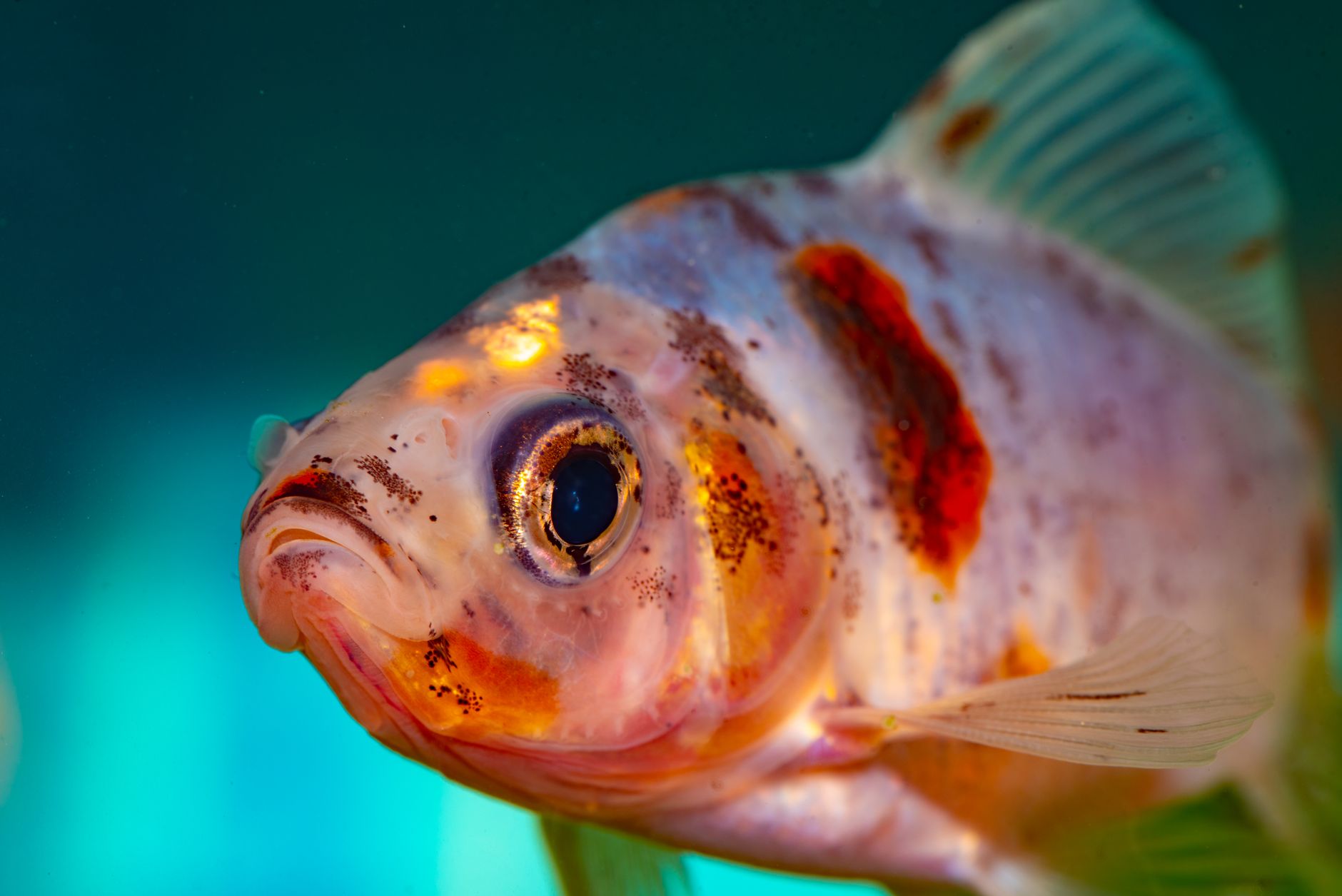
The black moor’s appearance is defined by several key attributes:
- Coloration: The most striking feature is their deep, velvety black coloration. This can vary in intensity, with some individuals appearing more bronze or brown, especially as they age or due to environmental factors.
- Eyes: These goldfish possess prominent, telescope eyes that bulge outward. These eyes are often asymmetrical, and the degree of protrusion varies.
- Body Shape: Black moors have a rounded, egg-shaped body, a common trait among fancy goldfish.
- Fins: Their fins are generally long and flowing, adding to their graceful appearance. The caudal (tail) fin is typically forked.
- Wen: Some black moors may develop a wen, a fleshy growth on the head, although this is less prominent than in other varieties like the oranda.
Factors Affecting Appearance
While the genetics of a black moor goldfish primarily dictate its appearance, several environmental and care-related factors can also influence its physical traits:
- Water Quality: Poor water quality can lead to color fading or the development of health issues that affect their overall appearance.
- Diet: A balanced diet rich in essential nutrients is crucial for maintaining their coloration and promoting healthy fin growth.
- Lighting: Intense lighting can sometimes cause their black coloration to fade over time.
- Age: As black moors age, their coloration might change from deep black to a more bronze or brown hue.
Common Misconceptions
There are some common misconceptions about the appearance of black moor goldfish:
- Always Solid Black: Not all black moors are perfectly solid black. Variations in color intensity and occasional patches of other colors (like orange or bronze) can occur.
- Eyes are Always the Same Size: The degree of eye protrusion varies greatly among individuals.
- Always Have Long Fins: Fin length can vary depending on genetics and environmental factors. Fin rot, a common ailment, can also affect their fin appearance.
Comparing Black Moors to Other Goldfish
| Feature | Black Moor Goldfish | Other Goldfish Varieties (e.g., Common, Comet) |
|---|---|---|
| Coloration | Primarily black | Various colors (orange, red, white, etc.) |
| Eye Shape | Telescope (protruding) | Normal |
| Body Shape | Rounded, egg-shaped | Streamlined |
| Fin Length | Long and flowing | Typically shorter |
FAQ: All You Need to Know About Black Moor Appearance
Are black moor goldfish always completely black?
No, black moor goldfish are not always perfectly solid black. Their coloration can vary in intensity, and it’s common to see some bronze or even orange hues, especially as they mature or if they are exposed to strong lighting.
How large do black moor goldfish eyes typically get?
The eye size of black moor goldfish varies significantly among individuals. Some may have relatively small, slightly protruding eyes, while others develop very large, telescope-like eyes that protrude quite dramatically.
Do black moor goldfish always have long, flowing fins?
While generally known for their long and flowing fins, the length can vary. Genetics and environmental factors play a role. Also, fin rot or other diseases can negatively impact their fin appearance.
Can black moor goldfish change color as they get older?
Yes, it is common for black moor goldfish to experience color changes as they age. Their deep black coloration can fade to a more bronze or even a patchy orange color over time.
What does a healthy black moor goldfish look like?
A healthy black moor goldfish will have vibrant color, clear eyes (despite the protrusion), a rounded body shape, and flowing fins without signs of tearing or rot. They should also be active and responsive.
How do I prevent my black moor goldfish from losing its color?
Maintaining excellent water quality and providing a balanced diet rich in nutrients are essential for preventing color loss. Avoid excessively bright lighting, which can also contribute to fading.
What are the different types of black moor goldfish?
There aren’t distinct “types” of black moor goldfish in the same way as other fancy goldfish varieties, but differences exist in terms of fin length, eye protrusion, and the presence or absence of a wen.
Is it normal for black moor goldfish to have asymmetrical eyes?
Yes, it is perfectly normal for black moor goldfish to have asymmetrical eyes. The degree of protrusion can vary between the two eyes on a single fish.
What does it mean if my black moor goldfish’s fins are clamped?
Clamped fins are a sign of stress or illness in black moor goldfish. This can be due to poor water quality, disease, or other environmental factors. Immediate attention to water parameters and observation for other symptoms is crucial.
How can I tell if my black moor goldfish is blind?
Due to their poor eyesight resulting from the prominent eye structure, determining if your black moor goldfish is blind is difficult. Observing their behavior – such as difficulty finding food or bumping into objects – can be indicators.
What should I feed my black moor goldfish to maintain its color?
A balanced diet rich in carotenoids can help maintain the deep black color of your black moor goldfish. High-quality goldfish flakes or pellets supplemented with live or frozen foods like bloodworms or brine shrimp are ideal.
Are black moor goldfish difficult to care for because of their appearance?
While not necessarily difficult, black moor goldfish do require more specialized care than common goldfish. Their poor eyesight makes it difficult to compete for food, and they are also more susceptible to certain health problems like eye injuries and buoyancy issues. Proper tank size, water quality, and diet are all crucial for their well-being.