

What Fish Can You Put in a 300 Gallon Pond?
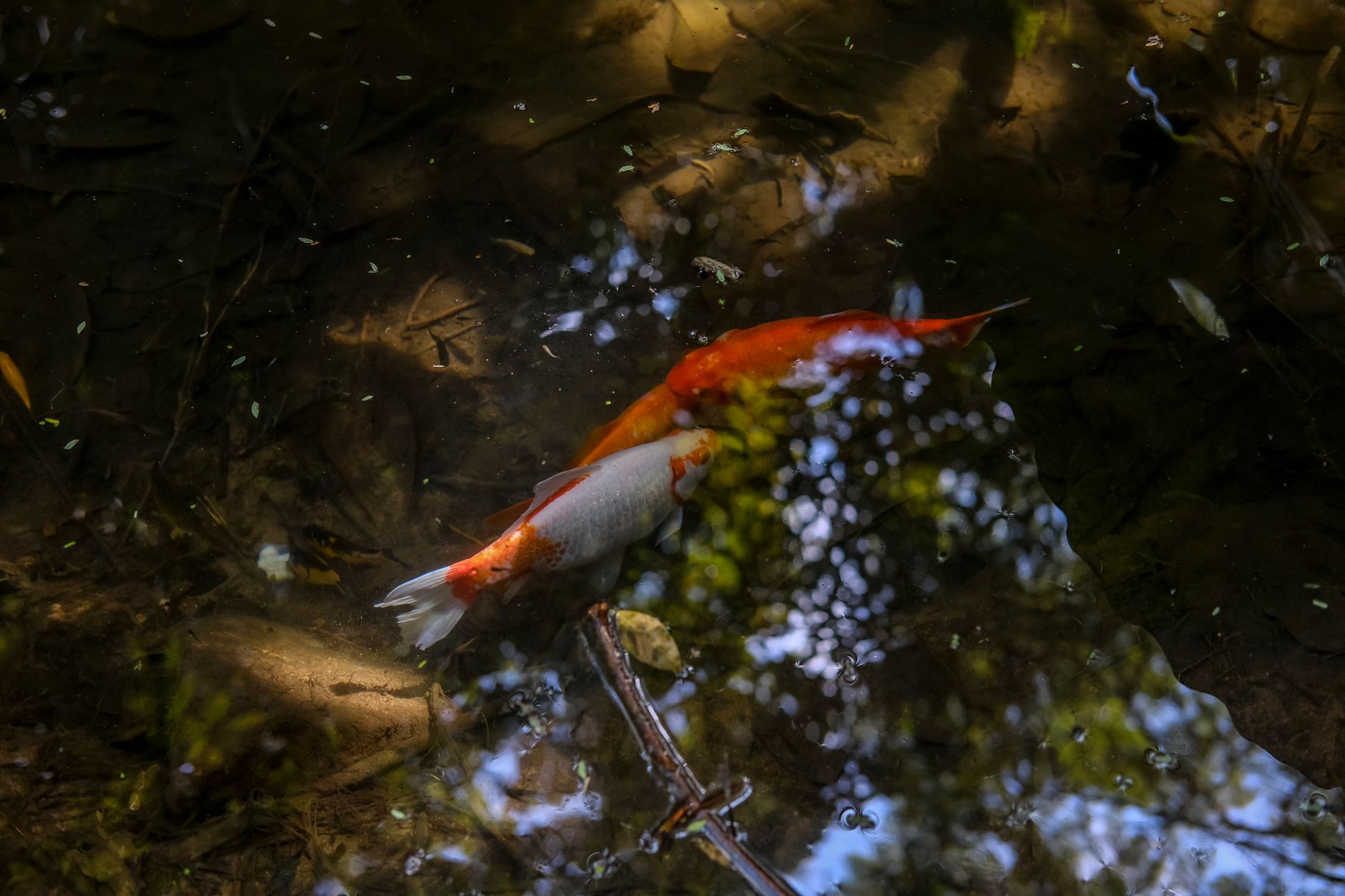
A 300-gallon pond opens up exciting possibilities for aquatic life. The key is choosing fish that remain appropriately sized and thrive in this volume of water. What fish can you put in a 300 gallon pond? Consider smaller species like goldfish, koi fry (with intentions of rehoming when they grow), orfe, and various types of minnows.
Introduction: The Allure of a 300-Gallon Pond
Many homeowners dream of a backyard oasis, and a 300-gallon pond provides a manageable and visually appealing starting point. Unlike larger, more complex ecosystems, a pond of this size is relatively easy to maintain while still offering the joy of observing aquatic life. However, careful planning is essential, especially when selecting the right fish. Overstocking is a common mistake that can lead to poor water quality and stress for the fish. Successfully creating a thriving pond involves understanding the needs of different species and choosing fish that are compatible with each other and the limitations of the pond’s volume.
What fish is Flo?
How intelligent are fish?
Are fish heads good for the garden?
Can fish hear water?
Understanding the Volume and Its Implications

The 300-gallon capacity significantly restricts the size and quantity of fish you can safely house. Larger fish, even just a few, will quickly pollute the water, requiring more frequent and intense maintenance. Smaller fish, on the other hand, can coexist more peacefully and create a balanced ecosystem.
- Surface Area: The surface area of the pond, not just the gallonage, impacts oxygen exchange. Broader, shallower ponds will generally support more fish than narrow, deep ones with the same gallonage.
- Filtration: A good filtration system is crucial. It removes waste and keeps the water clean, improving the environment for your fish.
- Plant Life: Aquatic plants provide oxygen, shelter, and help filter the water.
Suitable Fish Species for a 300-Gallon Pond
Choosing the right fish is arguably the most important decision when establishing a successful pond. Here’s a closer look at some suitable options:
-
Goldfish: Goldfish are a classic choice, but it’s important to choose the right variety.
- Comets and Shubunkins: These are relatively hardy and adaptable, but remember they can grow quite large (over 12 inches) so limit their numbers. Two to three would be appropriate.
- Fancy Goldfish: While beautiful, fancy goldfish are less tolerant of fluctuating water conditions. Consider varieties like Fantails, Orandas, or Black Moors, and limit the number to two.
-
Koi Fry (Temporarily): Koi need a large pond. However, you could house koi fry in a 300-gallon pond temporarily, with the understanding that they will need to be rehomed as they grow. A responsible owner would have a plan in place for this.
-
Orfe: Orfe are active, schooling fish that add a lot of movement to a pond. They need well-oxygenated water. Three to five orfe would be appropriate.
-
Minnows: These small fish are excellent for controlling algae and mosquito larvae. Rosy Red Minnows and White Cloud Mountain Minnows are good choices. A school of 6-10 minnows is a good starting point.
Essential Equipment for a Healthy Pond
A thriving pond requires more than just fish. Essential equipment includes:
- Filter: A biological filter breaks down waste and keeps the water clean.
- Pump: Circulates water and provides oxygen.
- Aerator (Optional): Adds extra oxygen, especially important in warmer months.
- Pond Liner: Prevents water from seeping into the ground.
- Pond Netting: Protects fish from predators like birds.
Maintaining Water Quality
Regular water testing and maintenance are crucial for the health of your fish.
- Regular Water Changes: Replacing 10-20% of the water every week helps remove accumulated waste.
- Testing the Water: Use a test kit to monitor ammonia, nitrite, and nitrate levels.
- Cleaning the Filter: Regularly clean your filter to maintain its efficiency.
Common Mistakes to Avoid
Many pond owners make common mistakes that can negatively impact their fish.
- Overstocking: Putting too many fish in the pond.
- Overfeeding: Excess food pollutes the water.
- Neglecting Water Quality: Not testing and maintaining the water.
- Inadequate Filtration: Not using a filter, or using an undersized filter.
- Introducing Diseased Fish: Always quarantine new fish before adding them to the pond.
Frequently Asked Questions
What is the ideal pH level for a 300-gallon pond with fish?
The ideal pH level for a 300-gallon pond generally falls between 6.5 and 8.5. Maintaining a stable pH is critical for the health and wellbeing of your fish. Regular water testing is essential to monitor and adjust pH levels as needed.
How often should I clean my pond filter?
The frequency of filter cleaning depends on the type of filter and the bioload (amount of waste) in the pond. Generally, cleaning your filter every 2-4 weeks is a good starting point. If you notice reduced water flow or increased debris in the pond, it’s a sign that the filter needs cleaning sooner.
Can I keep koi in a 300-gallon pond?
No, koi generally require much larger ponds (at least 1000 gallons per adult koi) to thrive. A 300-gallon pond is simply not large enough to accommodate their size and waste production in the long term. As previously mentioned, housing koi fry is possible temporarily, but a rehoming plan is essential.
What plants are best for a 300-gallon fish pond?
Suitable plants for a 300-gallon pond include:
- Water Lilies: Provide shade and beauty.
- Water Hyacinth: Filters water and provides cover.
- Pondweed: Oxygenates the water.
- Marginal Plants (e.g., Iris, Cattails): Add vertical interest around the pond’s edge.
How many fish can I really put in my 300-gallon pond?
A general rule of thumb is one inch of fish per gallon of water. So, in a 300-gallon pond, you could potentially house 300 inches of fish. However, this rule is a guideline and depends on the species of fish. Err on the side of understocking to maintain better water quality. As the fish grow, reassess the stocking level and adjust accordingly.
What should I feed my pond fish?
Feed your pond fish a high-quality fish food formulated specifically for pond fish. The amount of food should be adjusted based on the fish’s size and activity level. Feed only what the fish can consume in a few minutes to avoid overfeeding and water pollution.
How do I prevent algae blooms in my pond?
- Reduce Sunlight: Provide shade with plants or a pond dye.
- Maintain Water Quality: Regularly test and adjust water parameters.
- Use a UV Clarifier: Kills algae in the water column.
- Add Algae-Eating Fish: Minnows can help control algae growth.
How do I protect my fish from predators?
- Pond Netting: Deters birds and other predators.
- Provide Hiding Places: Rocks and plants offer shelter.
- Deep Water: Makes it harder for predators to reach the fish.
What do I do with my fish during the winter?
In colder climates, you’ll need to take steps to protect your fish during the winter. Consider a pond de-icer to keep a hole open in the ice for gas exchange. Some fish may need to be brought indoors if the pond freezes solid. Research the specific needs of your chosen species.
How do I introduce new fish to my pond?
- Quarantine New Fish: Keep new fish in a separate tank for 2-4 weeks to monitor for disease.
- Acclimate to Water Temperature: Float the bag containing the fish in the pond for 15-30 minutes to equalize temperatures.
- Slowly Add Pond Water: Gradually add small amounts of pond water to the bag to acclimate the fish to the water chemistry.
- Release Fish: Gently release the fish into the pond.
What are common signs of illness in pond fish?
Common signs of illness include:
- Lethargy
- Loss of Appetite
- Abnormal Swimming Behavior
- Visible Sores or Lesions
- Fin Rot
What is the most important thing to consider when deciding What fish can you put in a 300 gallon pond?
The most crucial factor is the adult size of the fish. Carefully research the maximum size of any fish you are considering and ensure that the 300-gallon pond can accommodate them comfortably without compromising water quality or the well-being of the other inhabitants. Remember, a happy and healthy pond is a thriving pond!