
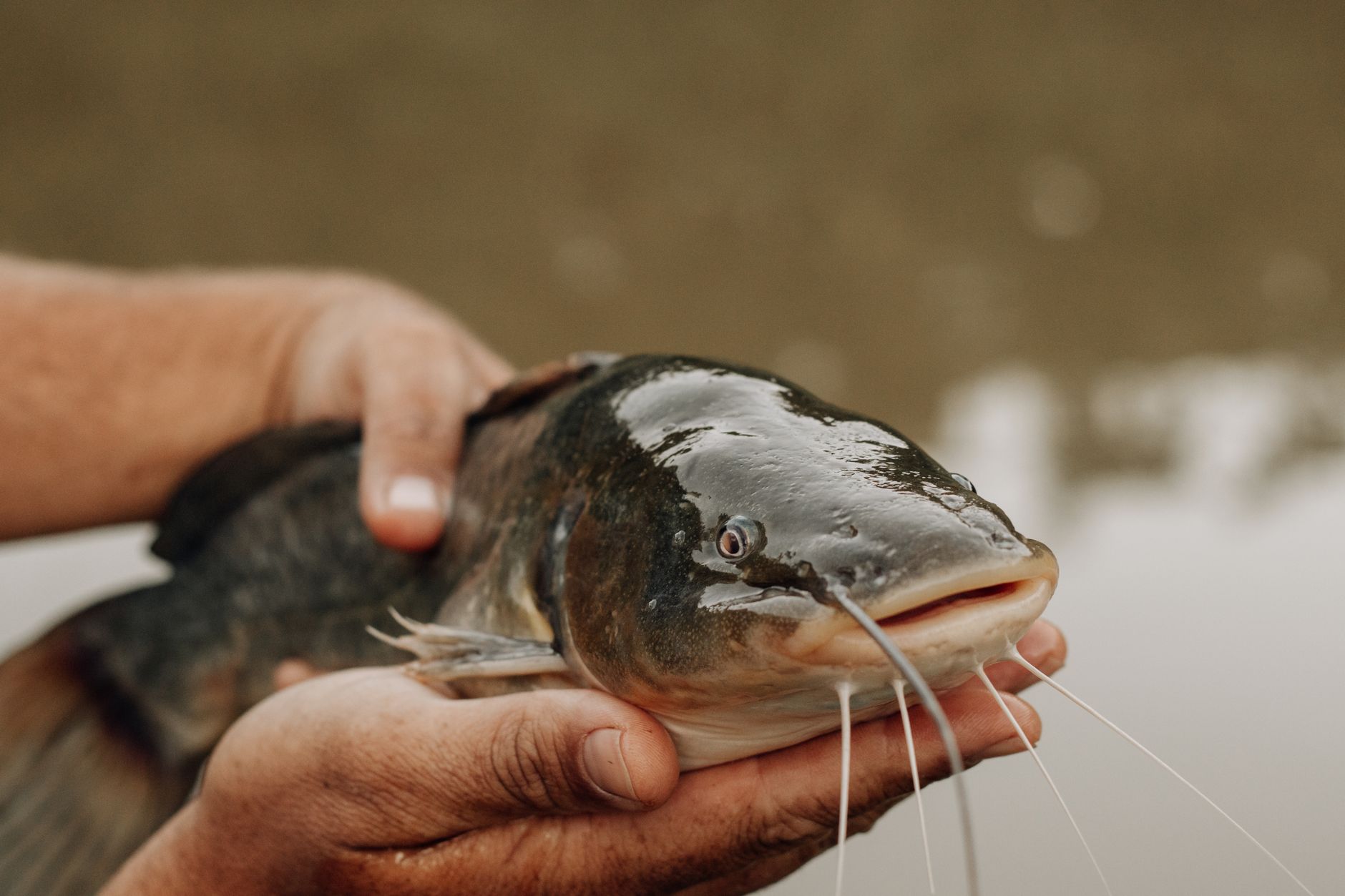
Do Catfish Feed on the Surface? A Deep Dive
The answer to “Do catfish feed on the surface?” is a resounding yes, under specific conditions. While they’re often considered bottom-feeders, catfish are opportunistic and will readily take food from the surface if the opportunity arises.

Understanding Catfish Feeding Habits
Catfish, a diverse group of fish found worldwide, are primarily known for their bottom-feeding behavior. However, pigeonholing them as exclusively bottom feeders is inaccurate. Their diet and feeding strategy are highly adaptable, influenced by factors like species, habitat, and food availability. To understand whether “Do catfish feed on the surface?,” we need to explore these influencing factors.

What colours are fish most attracted to?
Can you put your finger in a trout's mouth?
Is methylene blue anti bacterial?
Does aquarium salt raise pH in aquarium?
Factors Influencing Surface Feeding in Catfish
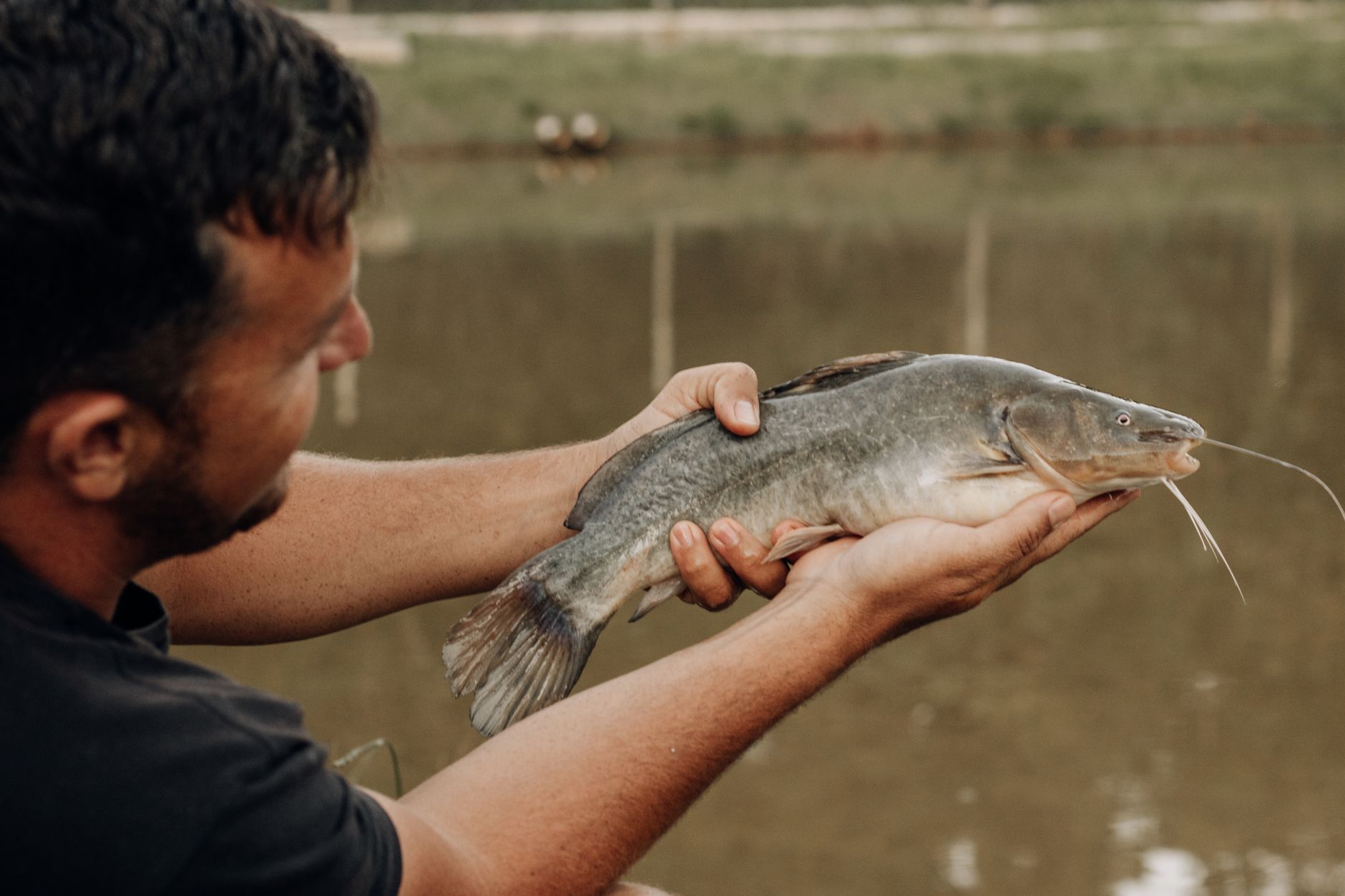
Several factors can encourage catfish to feed at the surface:
-
Food Availability: If insects, floating vegetation, or fish pellets are abundant on the surface, catfish will readily adapt and feed there. Opportunistic feeding is a key characteristic.
-
Species Variation: Certain catfish species are more prone to surface feeding than others. For example, smaller catfish species might readily consume insects floating on the water’s surface.
-
Water Conditions: Stagnant or poorly oxygenated water can force some catfish to the surface to gulp air or search for food closer to the oxygenated surface layer.
-
Seasonality: During spawning season, catfish might be more active near the surface.
-
Artificial Feeding: In aquaculture or private ponds where catfish are fed floating pellets, they quickly learn to associate the surface with food. This directly answers the question of “Do catfish feed on the surface?” in managed environments.
Bait and Lure Strategies for Surface Feeding Catfish
Targeting catfish at the surface requires adapting your bait and lure presentation.
-
Floating Baits: Use floating catfish baits or modified baits to stay on the surface. Chicken livers with floats can work well.
-
Lures: Surface lures designed for bass, such as poppers or buzzbaits, can attract aggressive catfish. Experiment with different retrieves.
-
Chumming: Introduce floating attractants like fish meal or dog food to the surface to draw catfish up. This will further incentivize them to feed above the bottom.
-
Presentation: Cast your bait or lure near structures or cover where catfish might be hiding. A slow, steady retrieve often works best.
Common Mistakes to Avoid When Targeting Surface Feeding Catfish
Even with the right bait and lures, you might still encounter challenges. Here are some common mistakes:
-
Incorrect Timing: Surface feeding is most common during dawn, dusk, and nighttime.
-
Using Sinking Baits: If your bait sinks, you won’t attract surface-feeding catfish.
-
Ignoring Water Clarity: Murky water can limit visibility and reduce the effectiveness of surface lures.
-
Overlooking Sound: Catfish are sensitive to sound. Avoid making excessive noise near the water’s edge.
-
Being Impatient: Give the catfish time to find your bait or lure. It may take multiple casts to trigger a strike.
Advantages of Targeting Catfish on the Surface
Fishing for catfish on the surface can offer a unique and exciting angling experience.
- Visual Strikes: Witnessing a catfish strike a surface lure is incredibly exciting.
- Accessibility: Surface fishing can be easier in areas with heavy vegetation or structure.
- Active Fishing: This technique requires more active participation and observation.
- Unique Experience: It’s a departure from traditional bottom-fishing methods.
| Advantage | Description |
|---|---|
| Visual Strikes | The thrill of seeing a catfish take the bait on the surface. |
| Accessibility | Allows fishing in areas where bottom fishing is difficult due to obstacles. |
| Active Fishing | Requires more engagement and observation, making the experience more dynamic. |
| Unique Approach | Offers a refreshing alternative to conventional bottom-fishing techniques, proving that “Do catfish feed on the surface?“ |
FAQs About Surface Feeding Catfish
Is surface feeding common among all catfish species?
No, surface feeding is not common among all catfish species. Smaller species and those inhabiting environments with abundant surface food are more likely to exhibit this behavior. Larger species, like blue catfish, tend to feed primarily on the bottom.
What types of insects attract catfish to the surface?
Various insects, including mayflies, dragonflies, and aquatic beetles, can attract catfish to the surface. These insects often fall into the water and become easy prey.
Can weather conditions affect surface feeding behavior in catfish?
Yes, weather conditions can significantly impact surface feeding. Calm, warm evenings are often ideal, while strong winds or heavy rain can discourage catfish from feeding at the surface.
Do catfish only feed on the surface at night?
While nighttime is a common time for surface feeding, catfish can also feed on the surface during the day, especially during dawn and dusk, or when surface food is abundant.
What’s the best type of lure for catching surface feeding catfish?
Lures that create surface disturbance, such as buzzbaits, poppers, and walking baits, are effective for attracting catfish. The key is to create vibration and visual appeal to trigger a strike.
Are catfish more likely to surface feed in clear or murky water?
Clear water generally favors surface feeding, as it allows catfish to see the bait or lure more easily. However, catfish can still surface feed in murky water if they rely on their other senses, such as their barbels (whiskers), to locate food.
Does water temperature influence surface feeding in catfish?
Yes, water temperature plays a crucial role. Warmer water increases catfish activity and metabolism, making them more likely to actively seek food near the surface.
Are catfish attracted to lights at the surface?
Yes, lights can attract insects, which in turn can attract catfish to the surface. Using a submersible light near your fishing spot can increase your chances of catching surface-feeding catfish.
How do catfish locate food on the surface?
Catfish use a combination of senses to locate food, including sight, smell, and vibration. Their barbels are particularly sensitive to vibrations in the water, helping them detect the presence of prey on the surface.
What’s the best way to chum for surface feeding catfish?
Use floating attractants like fish meal, dog food, or specially formulated catfish chum. Scatter the chum on the surface near your fishing spot to create a feeding frenzy.
Can you use live bait for surface feeding catfish?
Yes, live bait such as crickets, grasshoppers, and small minnows can be very effective for surface feeding catfish. Use a bobber to keep the bait on the surface.
Is targeting surface-feeding catfish more effective in ponds, lakes, or rivers?
Targeting surface feeding catfish can be effective in any of these water bodies, but ponds and lakes with still water and abundant surface vegetation often provide the best conditions. Rivers can also hold surface-feeding catfish, especially in areas with overhanging trees or debris that attract insects. This all contributes to the truth that “Do catfish feed on the surface?,” and understanding the nuances allows you to maximize your chances.