

What Eats Sargassum?
The simple answer is: relatively few creatures consume mature sargassum directly, but many organisms play a crucial role in consuming it as it decays or by preying on organisms that live within it, making the ecosystem it provides vital for the food web.
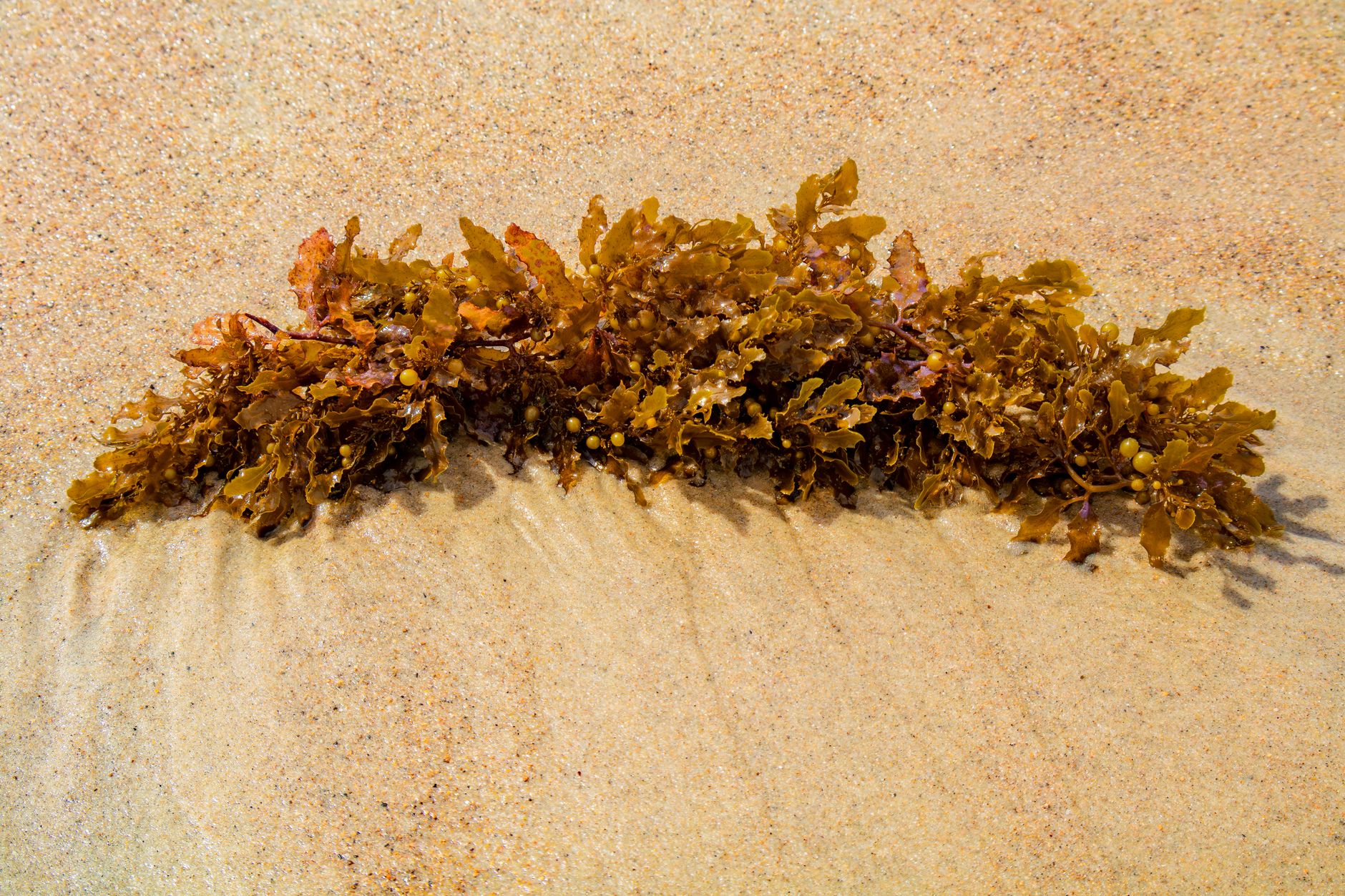
Introduction: The Sargassum Paradox
Sargassum, a genus of brown macroalgae, is both a blessing and a curse. This free-floating seaweed forms vast mats in the Atlantic Ocean, the Caribbean Sea, and the Gulf of Mexico. While sargassum plays a crucial role in marine ecosystems, providing habitat and serving as a carbon sink, massive blooms can inundate coastlines, impacting tourism, fisheries, and human health. Understanding the sargassum life cycle and what eats sargassum? is critical to managing its impact.

What colours are fish most attracted to?
Can you put your finger in a trout's mouth?
Is methylene blue anti bacterial?
Does aquarium salt raise pH in aquarium?
The Sargassum Ecosystem

Sargassum rafts are oases in the open ocean, providing a complex three-dimensional habitat for a wide variety of marine life. These floating islands provide shelter, breeding grounds, and foraging opportunities for countless species.
- Habitat: Sargassum mats offer refuge from predators and harsh environmental conditions, especially for juvenile fish and invertebrates.
- Food Source: While relatively few organisms directly graze on mature sargassum, it serves as a base for a complex food web.
- Nursery Grounds: Many species of fish and sea turtles utilize sargassum mats as nursery grounds, increasing their survival rates.
The Food Web and Sargassum Decomposition
So what eats sargassum? The answer is complicated. Direct consumption of mature, healthy sargassum is rare due to its tough cell walls and the presence of defensive compounds. However, as sargassum decays, it becomes more palatable, and various organisms contribute to its breakdown and consumption.
The sargassum food web includes:
- Bacteria and Fungi: These microorganisms are the primary decomposers, breaking down sargassum into smaller organic particles and releasing nutrients back into the water column.
- Invertebrates: Tiny crustaceans like amphipods and isopods graze on the decaying sargassum and the associated microbial community.
- Fish: Some fish species, particularly juveniles, feed on the invertebrates that consume the decaying sargassum.
- Sea Turtles: Some juvenile sea turtles have been observed eating sargassum, particularly when other food sources are scarce.
- Sargassum Fish: Histrio histrio, the sargassum fish, is perfectly camouflaged to live within sargassum mats and preys on smaller organisms that inhabit the sargassum.
Challenges in Understanding Sargassum Consumption
Researching what eats sargassum? is challenging due to:
- Complexity of the Food Web: Sargassum ecosystems are incredibly diverse, making it difficult to track energy flow and identify key consumers.
- Variability in Sargassum Composition: The chemical composition of sargassum varies depending on its age, location, and environmental conditions, which can affect its palatability.
- Limited Direct Observation: Observing feeding interactions in the open ocean is difficult and expensive.
Table: Organisms Associated with Sargassum and Their Feeding Habits
| Organism Group | Examples | Feeding Habits | Role in Sargassum Consumption |
|---|---|---|---|
| Bacteria & Fungi | Various species | Decompose sargassum, releasing nutrients | Primary Decomposers |
| Amphipods & Isopods | Various species | Graze on decaying sargassum and associated microbes | Secondary Consumers |
| Sargassum Fish | Histrio histrio | Carnivorous, preys on smaller organisms within the sargassum | Predator |
| Juvenile Sea Turtles | Loggerhead, Green Turtle | Opportunistic consumption of sargassum, especially when other food is scarce | Occasional Consumer |
| Various Fish Species | Filefish, Triggerfish (Juveniles) | Consume invertebrates that feed on decaying sargassum | Tertiary Consumers |
The Future of Sargassum Research
Understanding what eats sargassum? is an ongoing research endeavor. Future studies should focus on:
- Stable Isotope Analysis: Using stable isotope analysis to trace the flow of carbon from sargassum through the food web.
- Gut Content Analysis: Examining the gut contents of various marine organisms to identify sargassum-derived material.
- Controlled Feeding Experiments: Conducting controlled feeding experiments in the laboratory to determine the palatability of sargassum to different species.
Frequently Asked Questions (FAQs)
What makes sargassum unpalatable to many organisms?
Sargassum contains compounds called polyphenols and alginates, which make it difficult to digest. Additionally, its tough cell walls offer considerable resistance. Therefore, healthy and mature sargassum is not a first-choice food source for most marine organisms.
Does sargassum contribute to the food chain when it washes ashore and decomposes on beaches?
Yes, absolutely. While less understood, when sargassum washes ashore, it decomposes, supporting a different food web composed of beach invertebrates (like sand fleas) and birds. This onshore decomposition contributes vital nutrients to the coastal ecosystem.
Are there any specialized species that exclusively eat sargassum?
While no species exclusively feeds on fresh sargassum, the sargassum fish is highly specialized to live within sargassum mats and preys on the creatures that live there. It effectively utilizes the sargassum ecosystem as both habitat and hunting grounds.
How does the decomposition rate of sargassum affect the marine environment?
The decomposition rate of sargassum is crucial. Slow decomposition can lead to oxygen depletion in the water column, creating “dead zones.” Rapid decomposition, on the other hand, releases nutrients that can fuel algal blooms.
What is the role of bacteria in sargassum decomposition?
Bacteria are the primary decomposers of sargassum. They break down complex organic molecules into simpler compounds, releasing nutrients like nitrogen and phosphorus back into the water column, thereby making these nutrients available to other organisms.
How does the amount of sargassum affect the populations of organisms that live within it?
The relationship is complex. Moderate amounts of sargassum support healthy populations of associated organisms. However, excessive sargassum blooms can lead to overcrowding, reduced oxygen levels, and habitat degradation, negatively impacting those populations.
Can sargassum be used as a sustainable food source for humans or animals?
Research is ongoing, but sargassum shows potential as a sustainable food source. However, concerns exist regarding its high arsenic content and the need for processing to remove it. It also requires careful management to avoid over-harvesting.
What are the long-term consequences of sargassum blooms on the marine ecosystem?
Long-term consequences are still being studied. Frequent, large sargassum blooms can alter nutrient cycles, disrupt food webs, and impact the health of coral reefs and seagrass beds. These changes can have cascading effects throughout the ecosystem.
How can we manage sargassum blooms to minimize their negative impacts?
Management strategies include:
- Early Warning Systems: Monitoring sargassum blooms and predicting their movement.
- Harvesting: Removing sargassum from the water before it reaches coastlines.
- Utilization: Converting sargassum into valuable products like fertilizers or biofuels.
Is climate change contributing to the increase in sargassum blooms?
Many scientists believe so. Climate change factors like increased sea surface temperatures, altered ocean currents, and nutrient runoff are thought to contribute to the increased frequency and intensity of sargassum blooms.
What are the potential uses of sargassum besides food?
Sargassum can be used in a variety of applications, including:
- Fertilizer: As a soil amendment.
- Biofuel: As a source of renewable energy.
- Bioplastics: As a sustainable alternative to petroleum-based plastics.
- Construction Materials: In building materials.
What is the “Great Atlantic Sargassum Belt”?
The Great Atlantic Sargassum Belt is a massive accumulation of sargassum stretching across the Atlantic Ocean from West Africa to the Gulf of Mexico. This belt has been growing in recent years, leading to unprecedented sargassum blooms in the Caribbean and Gulf of Mexico. Understanding what eats sargassum? within this context is critical for developing effective management strategies.