
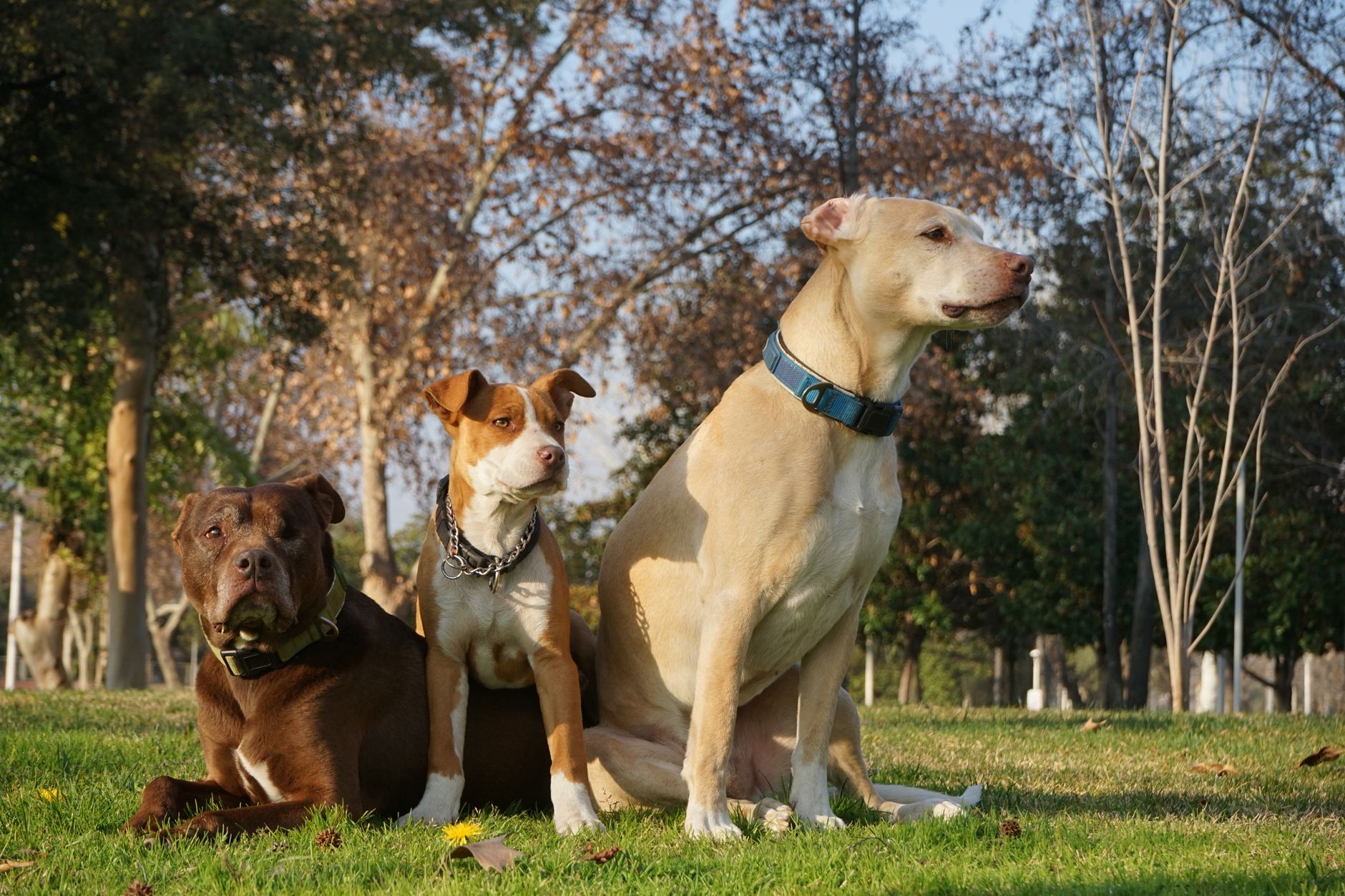
Who Bites Harder: Pitbull or Rottweiler? The Battle of the Bites
While anecdotal evidence often points fingers, research suggests that there is no definitive answer to who bites harder pitbull or rottweiler in controlled settings; bite force is significantly impacted by individual dog variations, training, and circumstances of the bite.

Understanding Bite Force: PSI and Its Significance
Bite force, often measured in pounds per square inch (PSI), is a common metric used to assess the power of an animal’s bite. Higher PSI values suggest a more powerful bite, potentially leading to greater tissue damage. However, PSI is not the only factor in determining the severity of a bite; tooth shape, jaw structure, and the dog’s biting technique also play significant roles. It’s also essential to remember that measured PSI in laboratory settings may not accurately reflect the PSI exerted in real-world situations.

What colours are fish most attracted to?
Can you put your finger in a trout's mouth?
Is methylene blue anti bacterial?
Does aquarium salt raise pH in aquarium?
Dissecting the Breeds: Pitbulls and Rottweilers

Both Pitbulls and Rottweilers are powerful breeds with strong jaws and muscular builds, bred historically for tasks that required strength and endurance.
- Pitbulls: Encompass a group of breeds, including the American Pitbull Terrier, American Staffordshire Terrier, and Staffordshire Bull Terrier. They were originally bred for bull-baiting and later dogfighting, activities requiring a strong bite and tenacious hold.
- Rottweilers: A breed of German origin, Rottweilers were traditionally used as cattle drovers and guard dogs. Their robust build and powerful bite made them ideal for controlling livestock and deterring predators.
Comparing Physical Attributes Relevant to Bite Force
Several physical attributes contribute to a dog’s bite force. These include:
- Jaw size and structure: Larger jaws and stronger jaw muscles generally correlate with higher bite force.
- Skull shape: The shape of the skull influences the leverage and power that the jaw muscles can exert.
- Muscle mass: Well-developed jaw muscles are essential for generating a powerful bite.
While Rottweilers generally have larger heads and overall larger builds than Pitbulls, the difference in bite force between the two breeds is less significant than many believe.
Measured Bite Force: Separating Fact from Fiction
While various studies and anecdotal reports have attempted to measure the bite force of Pitbulls and Rottweilers, obtaining accurate and comparable data is challenging. Different methodologies, sample sizes, and individual dog variations can significantly influence the results. Claims of specific PSI values should be treated with caution, as they may not be representative of the entire breed. Some sources suggest Rottweilers generally exhibit a slightly higher PSI in controlled bite tests, but this difference isn’t consistently proven across studies.
The Impact of Training and Temperament
A dog’s training, socialization, and temperament play a crucial role in determining how it uses its bite force. A well-trained and socialized dog is less likely to bite aggressively, regardless of its breed. Conversely, a poorly trained or abused dog may be more prone to biting, and potentially biting with greater force, due to fear or aggression. Responsible ownership is therefore paramount in mitigating the risk of dog bites.
Bite Statistics: Analyzing Real-World Incidents
Analyzing dog bite statistics can provide insights into the frequency and severity of bites inflicted by different breeds. However, these statistics are often biased and unreliable due to factors such as misidentification of breeds, underreporting of incidents, and varying levels of breed popularity in different regions. Therefore, drawing definitive conclusions about bite force based solely on bite statistics is not advisable.
Addressing Breed-Specific Legislation (BSL)
Breed-specific legislation (BSL), which targets specific breeds deemed to be dangerous, is often based on fear and misinformation. BSL is ineffective in preventing dog bites and can lead to the unjust targeting and euthanization of healthy dogs. A more effective approach to preventing dog bites involves responsible dog ownership, education, and enforcement of existing animal control laws.
Mitigation and Prevention Strategies
Preventing dog bites requires a multifaceted approach:
- Early socialization and training: Exposing puppies to a variety of people, animals, and environments from a young age can help them develop into well-adjusted adults.
- Responsible breeding practices: Selecting dogs with sound temperaments for breeding can help reduce the incidence of aggression.
- Proper containment: Ensuring that dogs are securely contained to prevent them from escaping and potentially biting others.
- Education: Educating children and adults about dog safety and how to interact with dogs responsibly.
FAQs: Unveiling the Truth About Pitbull and Rottweiler Bites
Here are 12 frequently asked questions to provide deeper insight into this complex topic:
Which breed is inherently more aggressive, Pitbull or Rottweiler?
Neither breed is inherently more aggressive. Aggression is influenced by factors such as genetics, training, socialization, and environment, not solely breed.
Do Pitbulls have locking jaws?
No, Pitbulls do not have locking jaws. This is a common myth. Their jaw structure is similar to other dog breeds.
What is the average bite force PSI of a Rottweiler?
Estimates vary, but some sources cite an average PSI of around 328 for Rottweilers. However, this is just an average, and individual dogs may exhibit higher or lower PSI.
What is the average bite force PSI of a Pitbull?
Similarly, estimates for Pitbulls range, with some sources suggesting an average around 235 PSI. It’s vital to remember that these are estimates, and actual bite force can vary widely.
Is it possible to train a dog to bite harder?
While training can improve a dog’s biting technique and target specific areas, it cannot significantly increase its inherent bite force.
What role does genetics play in bite force?
Genetics play a significant role in determining a dog’s physical attributes, including jaw size and muscle mass, which directly impact bite force. Selective breeding can inadvertently influence this.
Are certain lines of Pitbulls or Rottweilers known for stronger bites?
Some breeding lines may be selected for certain physical characteristics, including larger heads and stronger jaws, potentially leading to stronger bites. However, this is not consistent across the entire breed.
Is there a correlation between size and bite force in these breeds?
Generally, larger dogs tend to have stronger bite forces. However, this is not always the case, as other factors such as jaw structure and muscle mass also play a role.
What should I do if I am bitten by a Pitbull or Rottweiler?
Seek immediate medical attention. Report the bite to your local animal control agency. Document the incident thoroughly.
Are there any legal restrictions on owning Pitbulls or Rottweilers in my area?
Some areas have breed-specific legislation (BSL) that restricts or prohibits the ownership of certain breeds, including Pitbulls and Rottweilers. Check your local laws for specific regulations.
How can I safely interact with Pitbulls and Rottweilers?
Always approach dogs cautiously and respectfully. Ask the owner for permission before petting the dog. Avoid startling or threatening the dog. Supervise interactions between children and dogs closely.
What are the best ways to prevent dog bites in general?
Early socialization, responsible training, proper containment, and education about dog safety are all essential for preventing dog bites.