

Will Feral Cats Ever Use a Litter Box? Understanding Feline Habits
Whether or not a feral cat will use a litter box depends on several factors, but the short answer is that while it’s not a given, it’s certainly possible with patience, the right environment, and consistent effort.
Understanding the Feral Cat Landscape
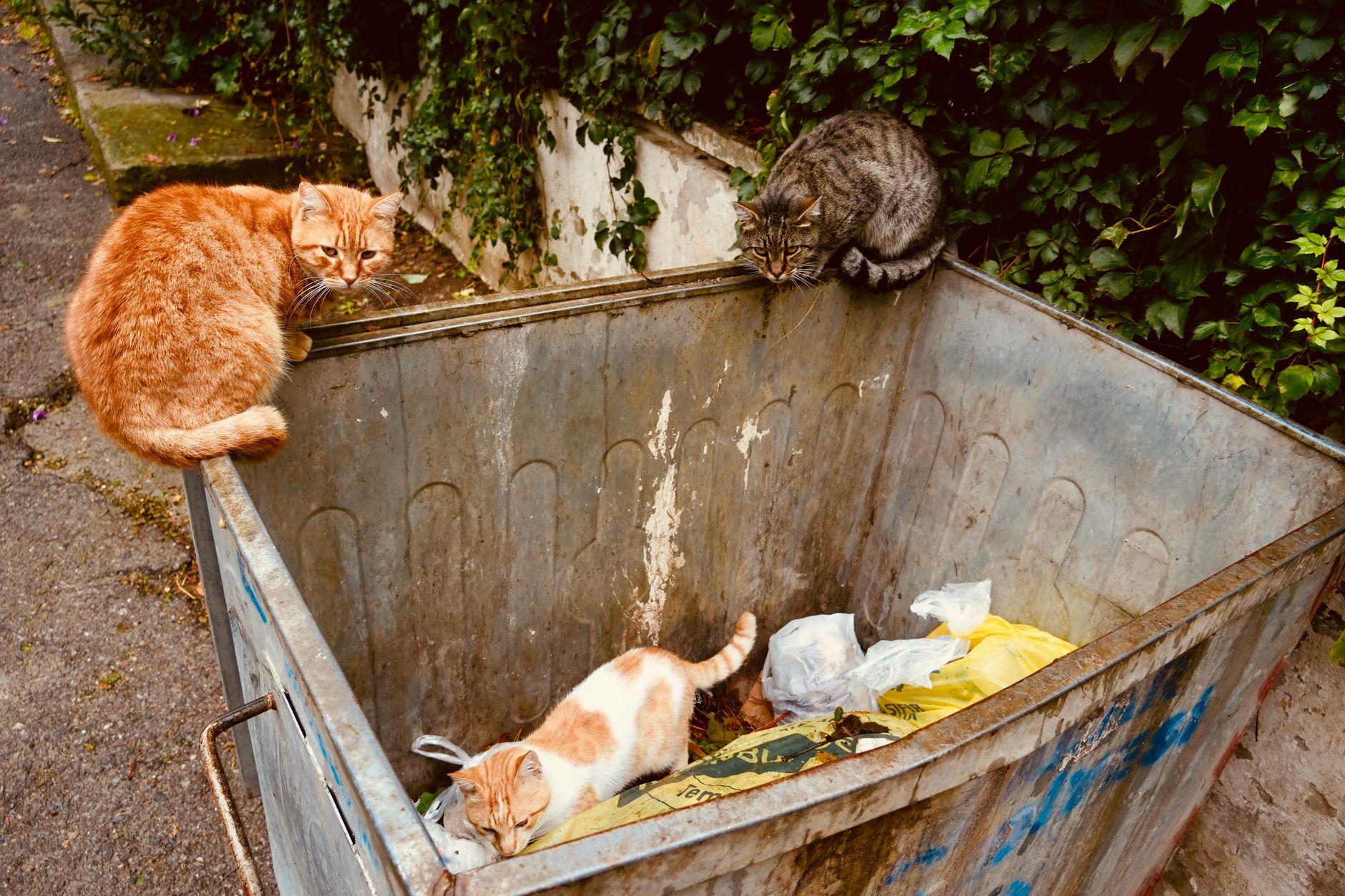
Feral cats are domestic cats who were either born in the wild or have become accustomed to living without human contact. Their behaviors and habits are shaped by their survival instincts, and this often dictates how they interact with enclosed spaces and unfamiliar substrates like litter. Successfully introducing a feral cat to a litter box requires an understanding of their cautious nature and a tailored approach. Unlike domesticated cats who readily adapt to using litter boxes, feral cats need time to adjust and build trust.

Is distilled water good for goldfish?
What colours are fish most attracted to?
Can you put your finger in a trout's mouth?
Is methylene blue anti bacterial?
The Benefits of Litter Box Training for Feral Cats
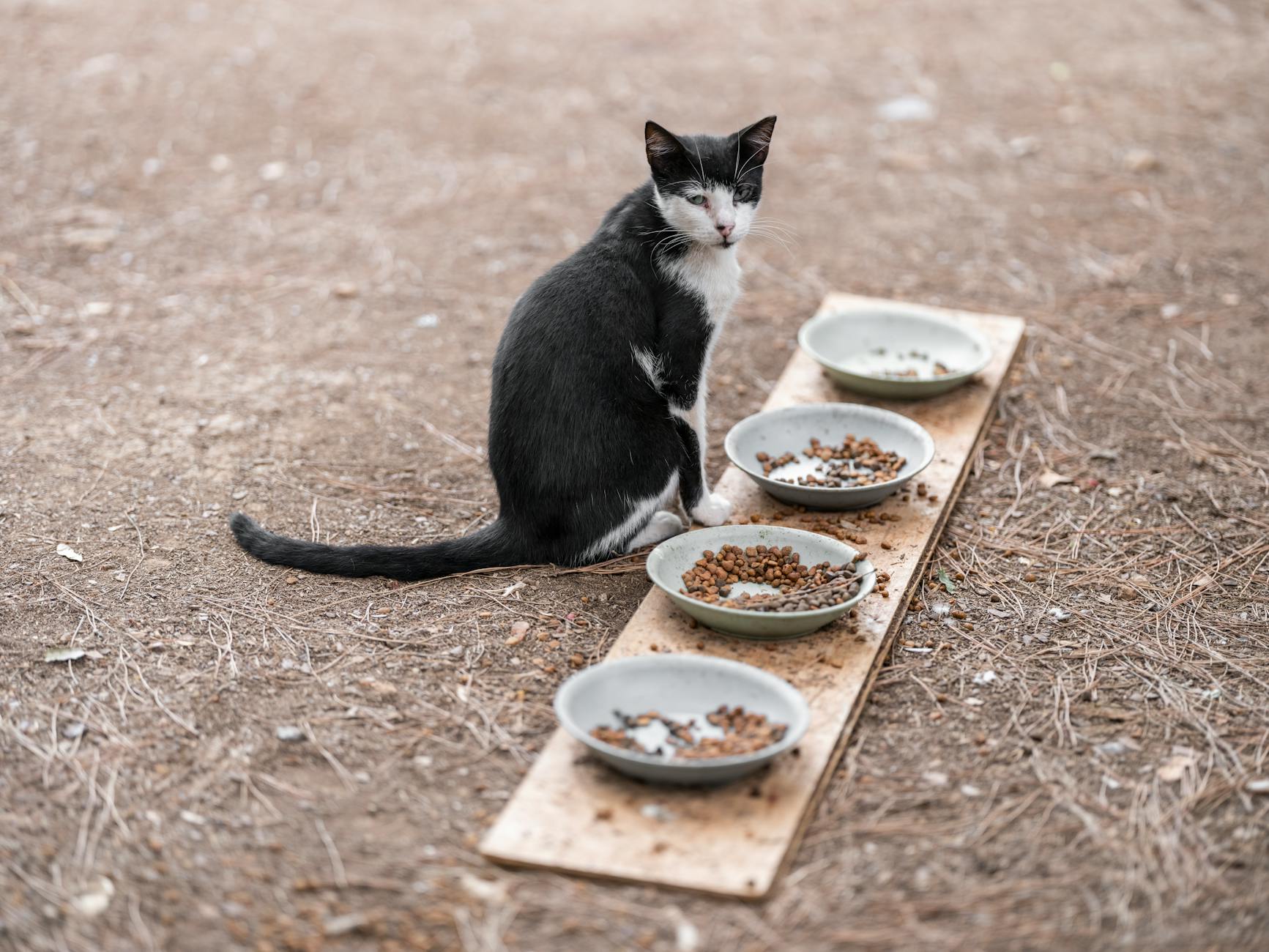
While not all feral cats will need to use a litter box, offering them this option can have several benefits, particularly if you’re involved in Trap-Neuter-Return (TNR) programs or are attempting to socialize a feral cat:
- Improved Hygiene: Contains waste, reducing odors and the spread of bacteria.
- Health Monitoring: Allows you to easily monitor urine and stool output for signs of illness.
- Easier Confinement: Makes managing cats in enclosed spaces (during recovery from surgery, for example) significantly easier.
- Increased Socialization Potential: By associating the litter box area with positive experiences (food, safety), you can gradually build trust.
Setting Up the Ideal Litter Box Environment
The environment plays a crucial role in whether feral cats will go in a litter box. Here’s how to optimize the setup:
- Location: Choose a quiet, sheltered area. Initially, place the litter box where the cat already tends to eliminate, if known. If not, put it in a corner or against a wall to provide a sense of security.
- Litter Box Type: Start with a large, uncovered box. Feral cats may feel trapped in covered boxes. As the cat becomes more comfortable, you can gradually introduce a covered box, if desired.
- Litter Type: Opt for unscented, clumping clay litter. Avoid scented litters, as they can be off-putting. Monitor their preference; some cats prefer other textures like sand or soil-based litters.
- Number of Boxes: If you have multiple cats, provide one litter box per cat, plus one extra.
- Cleanliness: Scoop the litter box at least once a day.
The Step-by-Step Process: Encouraging Litter Box Use
This process is about patience and positive reinforcement. Avoid forcing the cat into the box or scaring them.
- Familiarization: Initially, simply place the litter box in the designated area. Let the cat explore it at their own pace.
- Scent Introduction: Scoop some of the cat’s urine or feces (if you can find it) into the litter box. This helps them associate the box with their scent.
- Positive Reinforcement: When the cat approaches the box, offer praise and a treat. Never punish the cat for eliminating outside the box.
- Observation: Monitor the cat’s behavior. If you see them sniffing or pawing at the litter, gently place them in the box.
- Consistency: Maintain a consistent cleaning schedule and continue to offer positive reinforcement.
- Patience: It can take weeks or even months for a feral cat to consistently use a litter box.
Common Mistakes to Avoid
Several common mistakes can hinder your efforts to encourage feral cats to go in a litter box:
- Using Scented Litters: Overpowering scents can deter cats.
- Using Covered Boxes Too Soon: Confined spaces can cause anxiety.
- Punishing the Cat: Punishment creates fear and distrust.
- Forcing the Cat into the Box: This can be traumatic.
- Moving the Box Too Frequently: Consistency is key.
- Not Cleaning the Box Regularly: Cats are fastidious and prefer clean spaces.
Tracking Progress
Keep a journal to record the cat’s behavior and progress. Note when they approach the box, when they eliminate in the box, and any other relevant observations. This will help you identify patterns and adjust your approach accordingly. Observe the location of the animal’s urination. Consider placing the litter box in that location as an adjustment, and then move it back to its intended location later.
When to Seek Professional Help
If you’re struggling to encourage a feral cat to use a litter box, consult with a veterinarian or a certified cat behaviorist. They can provide personalized advice and rule out any underlying medical conditions that might be contributing to the problem.
Frequently Asked Questions (FAQs)
Will a feral cat automatically use a litter box if it’s available?
No, feral cats do not automatically use a litter box. Unlike domesticated cats, they haven’t been socialized to this behavior. It takes time, patience, and a carefully structured environment to encourage them to adopt this habit.
What is the best type of litter for a feral cat?
Generally, unscented, clumping clay litter is a good starting point. Avoid scented litters, as they can be off-putting. Some feral cats might also prefer sand or soil-based litters. Experiment to see what the cat prefers.
How long does it typically take for a feral cat to start using a litter box?
There’s no set timeframe. It can take weeks, months, or even longer for a feral cat to consistently use a litter box. Patience and consistency are key. Some cats may never fully adapt.
Is it possible to litter box train an adult feral cat?
Yes, it is possible, although it can be more challenging than training a kitten. Adult feral cats have established habits and are often more wary of new things. However, with the right approach, it’s definitely achievable.
What if the feral cat is using the litter box but also eliminating outside of it?
This could indicate several things, including a medical issue, stress, or an aversion to the litter box itself. Consult with a veterinarian to rule out any medical problems. Ensure the litter box is clean and in a quiet, safe location. Also, consider adding another litter box.
Can I use a covered litter box for a feral cat?
Initially, it’s best to avoid covered litter boxes. Feral cats may feel trapped and uncomfortable in enclosed spaces. Once the cat is consistently using an uncovered box, you can gradually introduce a covered box if desired.
What do I do if the feral cat is scared of the litter box?
If the cat is scared, remove the litter box temporarily and reintroduce it slowly. Place it in the area where the cat feels safest. You can also try placing treats near the box to create positive associations.
Is it cruel to confine a feral cat indoors to encourage litter box use?
Forcing confinement can be stressful and counterproductive. It’s better to focus on creating a comfortable and enriching environment for the cat. Indoor confinement should only be done gradually, after trust is built, and in a safe and enriched space.
Should I use a litter attractant?
Litter attractants can sometimes be helpful, but they’re not always effective. Some cats are naturally drawn to certain scents, while others aren’t. It’s worth trying, but don’t rely solely on it.
What if I have multiple feral cats, and they’re not sharing litter boxes?
Provide multiple litter boxes, at least one per cat plus one extra. Place the boxes in different locations to minimize competition. Ensure each cat has easy access to at least one box.
What are the signs that a feral cat is starting to accept the litter box?
Signs include approaching the box, sniffing it, pawing at the litter, and eventually eliminating in the box. Any positive interaction with the box is a step in the right direction.
If a feral cat never uses a litter box, is it a failure?
Not necessarily. The goal is to improve the cat’s well-being and hygiene. If the cat doesn’t use the litter box but is otherwise healthy and content, it’s not necessarily a failure. It may just not be something they can adapt to. Prioritize providing a safe and comfortable environment for the cat, regardless of their litter box habits.