
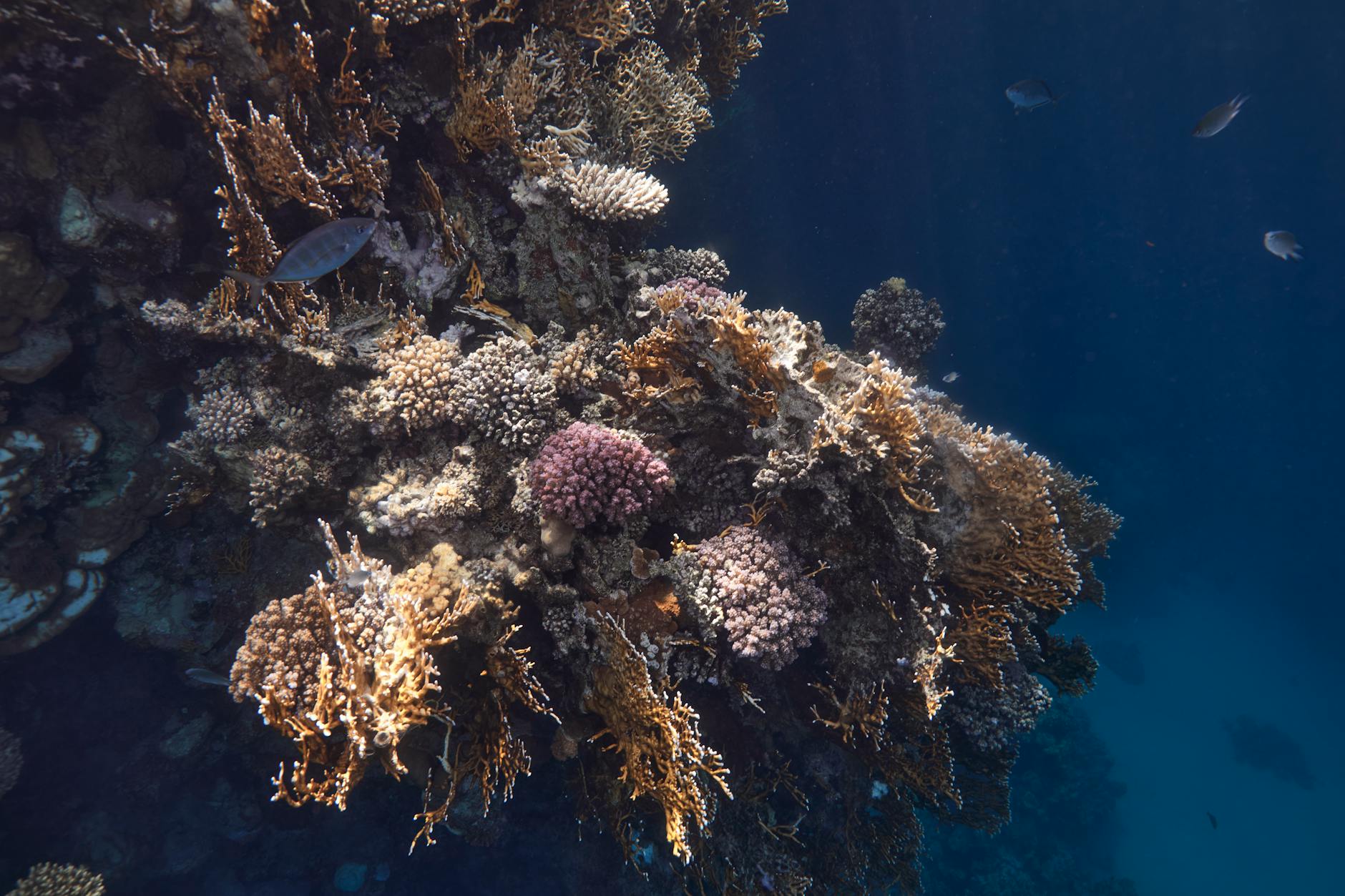
How Many Coral Reefs Have Died From Coral Bleaching?
The exact number of coral reefs that have died from coral bleaching is difficult to quantify precisely, but it’s estimated that at least 50% of the world’s coral reefs have been impacted by bleaching events, with a significant portion experiencing mortality.

Understanding the Coral Reef Crisis
Coral reefs, often dubbed the “rainforests of the sea,” are vibrant ecosystems teeming with life. They provide habitat for a quarter of all marine species, support fisheries that feed millions, protect coastlines from erosion, and contribute billions to the global economy through tourism and recreation. However, these vital ecosystems are facing an unprecedented crisis: widespread coral bleaching and subsequent death. Understanding the scope and severity of this problem is crucial for effective conservation efforts. How many coral reefs have died from coral bleaching is a pressing question demanding urgent attention.

Do all amphibians have eyelids?
Can you glue broken coral back together?
Why do cuttlefish have W-shaped eyes?
Do all snakes have poison in them?
What is Coral Bleaching?
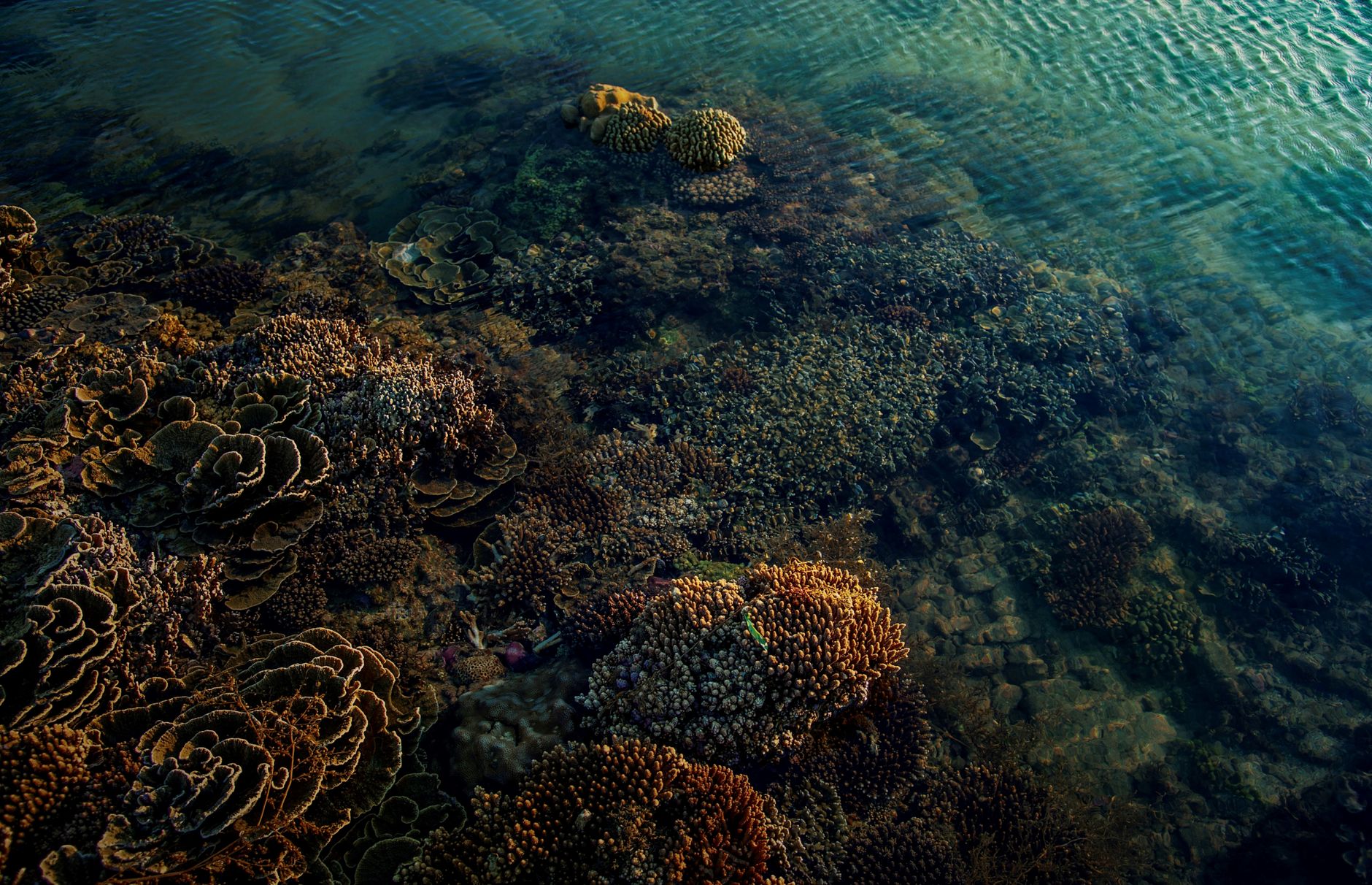
Coral bleaching is not a disease, but a stress response caused by changes in environmental conditions such as temperature, light, or nutrients. Here’s a simplified explanation:
- Corals have a symbiotic relationship with microscopic algae called zooxanthellae that live in their tissues.
- Zooxanthellae provide the coral with up to 90% of its energy through photosynthesis.
- When corals are stressed, they expel the zooxanthellae.
- Without zooxanthellae, the coral loses its color (hence “bleaching”) and its primary source of food.
- If the stress persists, the coral will starve and eventually die.
The Primary Driver: Rising Ocean Temperatures
The most significant driver of coral bleaching is rising ocean temperatures caused by climate change. Even a small increase in water temperature (1-2 degrees Celsius) can trigger widespread bleaching.
Quantifying the Extent of Coral Mortality
While precise figures are elusive, scientists use various methods to estimate coral mortality:
- Satellite Monitoring: Satellites can detect changes in sea surface temperature and identify areas prone to bleaching.
- Underwater Surveys: Divers conduct visual surveys to assess the extent of bleaching and mortality in specific reefs.
- Data Modeling: Researchers use climate models and historical data to predict future bleaching events and estimate potential coral loss.
These methods reveal that significant portions of reefs have been damaged or destroyed in recent decades. Major bleaching events in 1998, 2010, 2014-2017, and ongoing events are causing widespread damage.
The Global Impact: Key Reef Systems Affected
Several key reef systems have been heavily impacted by coral bleaching:
- The Great Barrier Reef (Australia): Has experienced multiple severe bleaching events, with significant coral loss in certain areas.
- Coral Triangle (Southeast Asia): A biodiversity hotspot, has suffered widespread bleaching and mortality.
- Caribbean Coral Reefs: Have experienced significant degradation due to bleaching, disease, and other stressors.
Consequences of Coral Reef Loss
The death of coral reefs has cascading consequences:
- Loss of Biodiversity: Coral reefs support a vast array of marine life, and their destruction leads to biodiversity loss.
- Fisheries Collapse: Many fish species rely on coral reefs for habitat and food, and their populations decline when reefs die.
- Coastal Erosion: Coral reefs act as natural barriers, protecting coastlines from erosion and storm surges.
- Economic Impacts: Tourism and recreation industries that depend on healthy coral reefs suffer significant losses.
What Can Be Done?
Addressing the coral reef crisis requires a multi-pronged approach:
- Reduce Greenhouse Gas Emissions: Mitigating climate change is the most crucial step.
- Improve Water Quality: Reducing pollution and nutrient runoff can help corals become more resilient to bleaching.
- Sustainable Fisheries Management: Preventing overfishing helps maintain the ecological balance of reef ecosystems.
- Coral Reef Restoration: Active restoration efforts, such as coral gardening and transplantation, can help rebuild damaged reefs.
- Research and Monitoring: Continued research and monitoring are essential for understanding the impacts of bleaching and developing effective conservation strategies.
How many coral reefs have died from coral bleaching? The answer is alarming, but not without hope. By taking swift and decisive action, we can still protect these vital ecosystems for future generations.
Frequently Asked Questions (FAQs)
What specific percentage of the Great Barrier Reef has died from bleaching?
Estimates vary depending on the location and time period, but studies indicate that approximately 30-50% of the Great Barrier Reef’s coral cover has been lost due to bleaching events over the past few decades. Some areas have experienced even higher mortality rates.
Are some coral species more resistant to bleaching than others?
Yes, some coral species are naturally more tolerant to heat stress than others. These species may be able to withstand higher water temperatures or recover more quickly after bleaching events. Research is focused on understanding the mechanisms behind this resilience.
Can a bleached coral recover?
Yes, bleached corals can recover if the stressor (e.g., high water temperature) is reduced quickly. If the zooxanthellae return and the coral can regain its energy source, it can survive and rebuild its tissues. However, prolonged or severe bleaching often leads to mortality.
What is the role of ocean acidification in coral reef decline?
Ocean acidification, caused by the absorption of carbon dioxide from the atmosphere into the ocean, reduces the availability of carbonate ions, which corals need to build their skeletons. This makes it harder for corals to grow and repair themselves, further weakening them and making them more vulnerable to bleaching and other stressors.
What is the difference between coral bleaching and coral death?
Coral bleaching is a stress response where corals expel their zooxanthellae. Coral death occurs when the coral starves and its tissues decompose due to prolonged bleaching or other factors. Bleaching doesn’t always mean death, but it significantly increases the risk.
What are some examples of coral reef restoration techniques?
Common coral reef restoration techniques include:
- Coral gardening: Growing coral fragments in nurseries and then transplanting them onto degraded reefs.
- Artificial reefs: Constructing artificial structures to provide habitat for marine life and attract coral larvae.
- Stabilizing reef rubble: Preventing loose rubble from damaging live coral.
How can individuals contribute to coral reef conservation?
Individuals can help by:
- Reducing their carbon footprint: This is the most impactful thing you can do.
- Supporting sustainable seafood choices: Choose seafood from fisheries that minimize their impact on coral reefs.
- Avoiding products that contain harmful chemicals: Some sunscreen ingredients, for example, can damage coral reefs.
- Supporting organizations working to protect coral reefs: Donate to or volunteer with conservation groups.
What is the prognosis for coral reefs in the future?
The future of coral reefs is uncertain. Under current climate change scenarios, many reefs are projected to decline significantly or disappear within the next few decades. However, aggressive action to reduce greenhouse gas emissions and implement effective conservation measures can improve their chances of survival.
What are “super corals”?
“Super corals” are corals that exhibit exceptional tolerance to heat stress and other environmental changes. Scientists are studying these corals to understand their resilience and potentially use them in restoration efforts.
How does pollution impact coral reefs?
Pollution, including nutrient runoff from agriculture and sewage discharge, can promote algae blooms that smother coral reefs and reduce water quality. Industrial pollutants can also directly harm corals.
What are the economic implications of coral reef loss?
Coral reef loss has significant economic implications, including decreased tourism revenue, reduced fisheries yields, and increased coastal erosion damage. The cost of inaction is estimated to be in the billions of dollars annually.
What international agreements are in place to protect coral reefs?
Several international agreements, such as the Convention on Biological Diversity and the United Nations Sustainable Development Goals, address coral reef conservation. However, effective implementation and enforcement are crucial for these agreements to have a meaningful impact.