

What Do Trout Bite On?: A Comprehensive Guide to Luring Success
Trout, notoriously picky eaters, are often enticed by a variety of live bait, artificial lures, and flies; understanding their feeding habits is essential for angling success, and this guide explores the best options for tempting trout.

Understanding Trout Feeding Habits
Trout, members of the Salmonidae family, are primarily predatory fish. Their diet depends on the species, size, and habitat, but generally consists of insects, crustaceans, smaller fish, and even amphibians. Understanding their feeding behaviors, such as when they are most active and what types of food are abundant in their environment, is crucial for selecting the right bait or lure. Successful trout fishing often hinges on matching the hatch – presenting a lure or fly that closely resembles the natural food source available to the trout at that time and location. Consider water temperature and clarity, as these factors can significantly impact trout’s feeding habits.

Is distilled water good for goldfish?
What colours are fish most attracted to?
Is methylene blue anti bacterial?
Does aquarium salt raise pH in aquarium?
Live Bait Options for Trout
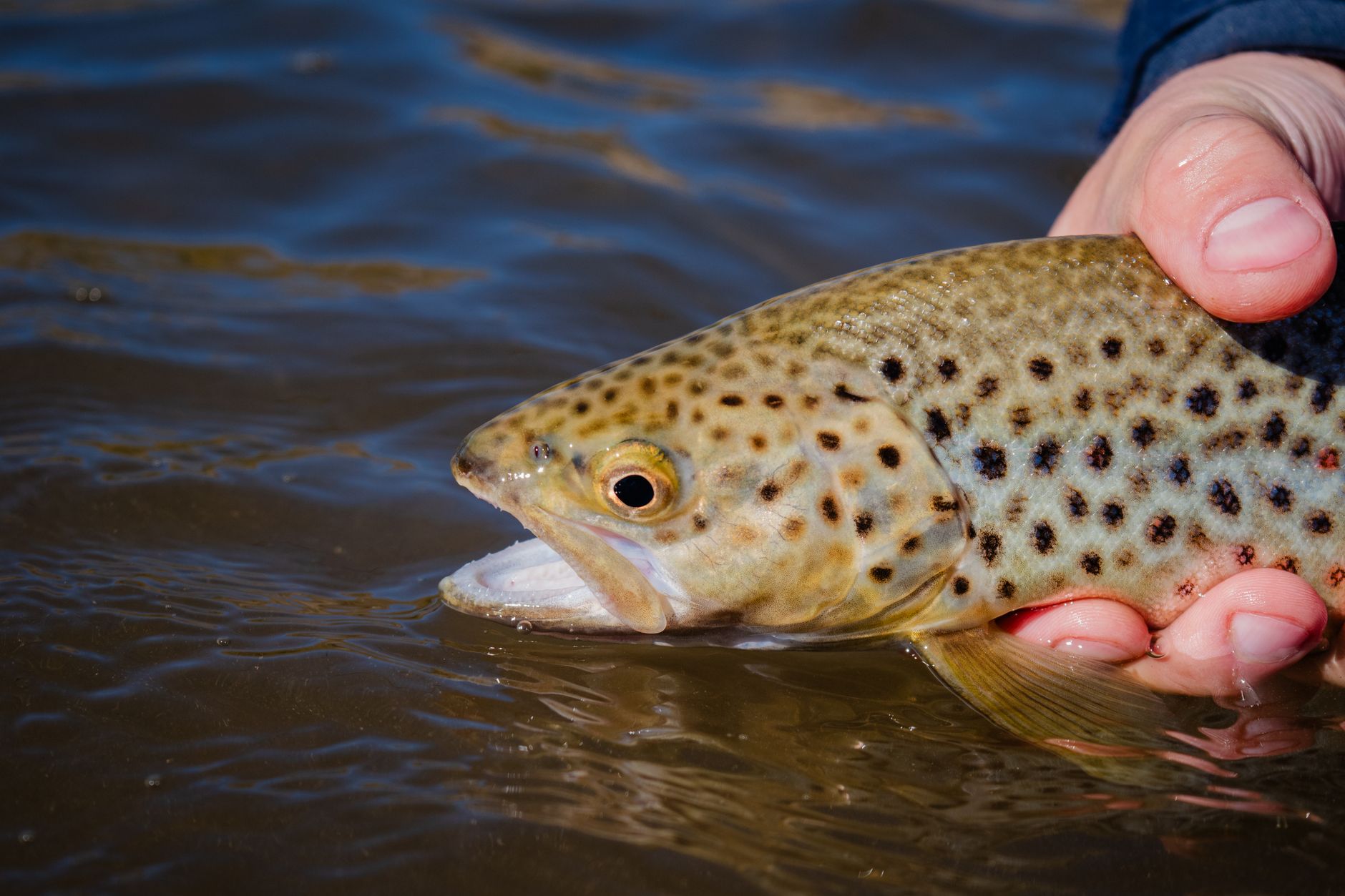
Live bait can be incredibly effective for catching trout, as it presents a natural and enticing meal. Here are some popular options:
- Worms: A classic and readily available option. Earthworms, red wigglers, and mealworms are all effective.
- Insects: Grasshoppers, crickets, and mayfly nymphs can be deadly, especially during insect hatches.
- Minnows: Small minnows can be effective, particularly for larger trout. Check local regulations regarding the use of live minnows.
- Salmon Eggs: A favorite, especially for stocked trout. These are easy to use and highly attractive.
Using live bait effectively involves presenting it naturally. Hookworms properly to avoid hindering their movement, and use small hooks to avoid spooking the fish.
Artificial Lures for Trout
Artificial lures offer versatility and can be used in various fishing conditions. Here are some popular options:
- Spinners: These lures create flash and vibration, attracting trout with their movement.
- Spoons: Similar to spinners, spoons wobble and reflect light, making them enticing to trout.
- Crankbaits: These lures imitate small fish and are effective for covering larger areas.
- Soft Plastics: Worms, grubs, and minnow imitations made from soft plastic can be extremely effective when rigged correctly.
When choosing lures, consider the size and color of the natural prey in the area. Experiment with different retrieval techniques to find what works best.
Fly Fishing for Trout
Fly fishing is a specialized technique that involves presenting artificial flies to imitate insects and other aquatic organisms. There are two main types of flies:
- Dry Flies: These flies float on the surface of the water and imitate adult insects.
- Nymphs: These flies imitate immature aquatic insects and are fished below the surface.
- Streamers: These flies imitate small fish and are fished using a stripping action.
Selecting the right fly requires knowledge of the insects that are present in the water. Matching the hatch is essential for success in fly fishing.
Factors Influencing Trout Feeding
Several factors can influence what what do trout bite on.
- Season: Different insects and other food sources are abundant at different times of the year.
- Water Temperature: Trout are more active in cooler water temperatures.
- Water Clarity: Clear water allows trout to see lures and bait more easily, while murky water may require using lures with more vibration or scent.
- Time of Day: Trout are often more active during dawn and dusk.
- Fishing Pressure: Heavily fished areas may require using more subtle lures or bait.
Comparing Lures & Bait
| Bait/Lure Type | Pros | Cons | Best Use |
|---|---|---|---|
| Live Worms | Readily available, natural presentation | Can be messy, may attract unwanted species | General trout fishing, beginner-friendly |
| Artificial Spinners | Versatile, creates flash and vibration | Can be too aggressive for clear water, may spook fish | Covering large areas, murky water |
| Dry Flies | Mimics surface insects, rewarding technique | Requires skill and knowledge, ineffective underwater | During insect hatches, clear water |
| Nymphs | Mimics subsurface insects, effective year-round | Requires specific techniques, can be difficult to detect bites | Year-round trout fishing, especially when insects are hatching |
Ethical Considerations
When fishing for trout, it’s important to practice ethical angling. This includes:
- Using barbless hooks to minimize injury to the fish.
- Handling fish gently and quickly to avoid stressing them.
- Practicing catch and release to conserve fish populations.
- Following all local fishing regulations.
By practicing ethical angling, we can help ensure that trout populations remain healthy for future generations.
FAQ:
What is the best all-around bait for trout?
Worms are often considered the best all-around bait for trout. They are easy to obtain, relatively inexpensive, and effective in a variety of conditions. A simple worm on a hook can entice many trout, making it a reliable starting point for beginners.
Are artificial lures as effective as live bait for trout?
In many cases, artificial lures can be just as effective as live bait, and even more so in certain situations. The advantage of lures is their versatility and ability to be used in a variety of fishing conditions. Lures can be specifically matched to prey and targeted depths.
What color lures are most effective for trout?
The most effective lure color for trout often depends on the water clarity and the prevalent forage. Bright colors like chartreuse and orange can be effective in murky water, while natural colors like brown and green tend to work better in clear water. Experimentation is key.
What size hooks should I use for trout fishing?
The size of the hook depends on the size of the bait and the size of the trout you are targeting. Generally, sizes 8 to 14 are good starting points for trout fishing. Smaller hooks are often more effective when using smaller baits or fishing in clear water.
How do I read a trout stream or lake to find where the fish are?
Look for areas with structure, such as rocks, logs, and undercut banks, which provide cover for trout. Also, look for areas with flowing water, which brings food to the fish. Current seams and eddies are also prime locations.
What time of day is best for trout fishing?
Trout are often most active during the early morning and late evening hours, when the light is low. These are often called “prime times.” Cloudy days can also provide good fishing opportunities.
How important is scent when fishing for trout?
Scent can play a significant role in attracting trout, especially in murky water. Many anglers use scent attractants on their lures or bait to increase their chances of success. Some anglers use salmon egg scent or worm scent to mask human odor.
What is “matching the hatch,” and why is it important?
“Matching the hatch” refers to imitating the insects or other food sources that trout are currently feeding on. By presenting a lure or fly that closely resembles the natural prey, you increase your chances of enticing a bite. Pay attention to insect activity.
What are some common mistakes that anglers make when trout fishing?
Some common mistakes include using too much weight, spooking the fish with loud noises or sudden movements, and not changing lures or bait when the fish are not biting. Also, improperly setting the hook can result in lost fish.
How can I improve my trout fishing skills?
Practice, research, and observation are the best ways to improve your trout fishing skills. Learn about the local trout species, their feeding habits, and the best techniques for catching them. Spend time on the water and pay attention to what works and what doesn’t.
What is the best way to handle a trout that I plan to release?
When releasing a trout, handle it gently and quickly. Use wet hands to avoid removing its protective slime coating, and avoid touching its gills. If possible, release the fish in the water without taking it out of the net.
Where can I find more information on what do trout bite on?“
Local fishing shops, online fishing forums, and state wildlife agencies are great resources for finding more information on what do trout bite on and effective trout fishing techniques. Also, books and magazines dedicated to trout fishing can provide valuable insights. Local guides and experienced anglers are great resources too.