
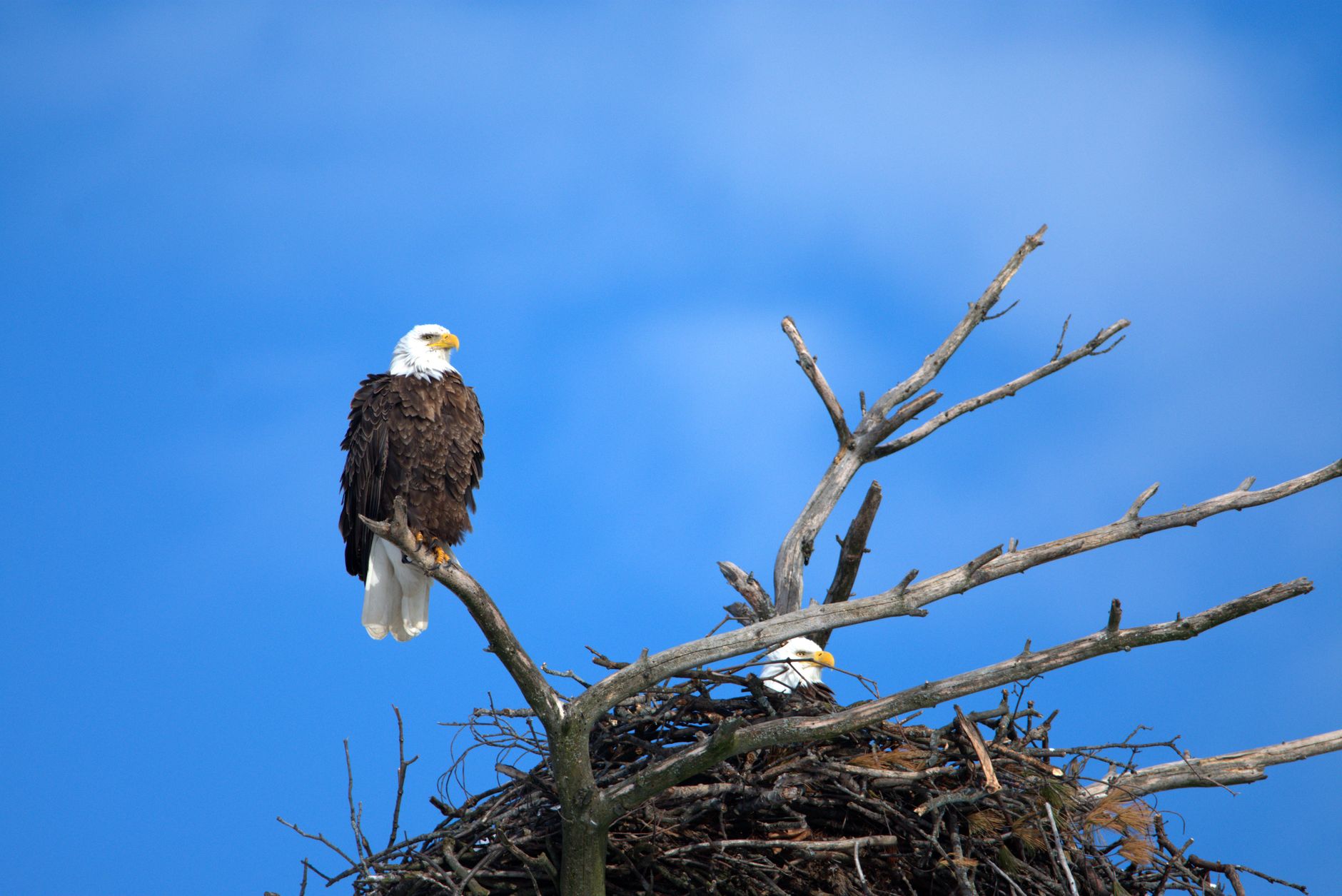
How Close to an Eagles Nest Can You Build?
The legally permissible distance for building near an eagle’s nest varies, but generally, you should maintain a significant buffer zone, with recommended distances often exceeding 330 feet (100 meters) to avoid disturbing the birds and violating federal law. Ignoring this can lead to substantial penalties.

Understanding Eagle Nest Protection
Eagles, majestic symbols of freedom and power, enjoy robust legal protection in the United States. Understanding these protections is crucial before undertaking any construction project that might impact their habitat. The repercussions of ignorance can be severe, leading to costly delays, hefty fines, and irreparable damage to your reputation. So, how close to an eagles nest can you build without running afoul of the law? The answer isn’t always straightforward and depends on several factors.

What colours are fish most attracted to?
Can you put your finger in a trout's mouth?
Is methylene blue anti bacterial?
Does aquarium salt raise pH in aquarium?
The Bald and Golden Eagle Protection Act (BGEPA)
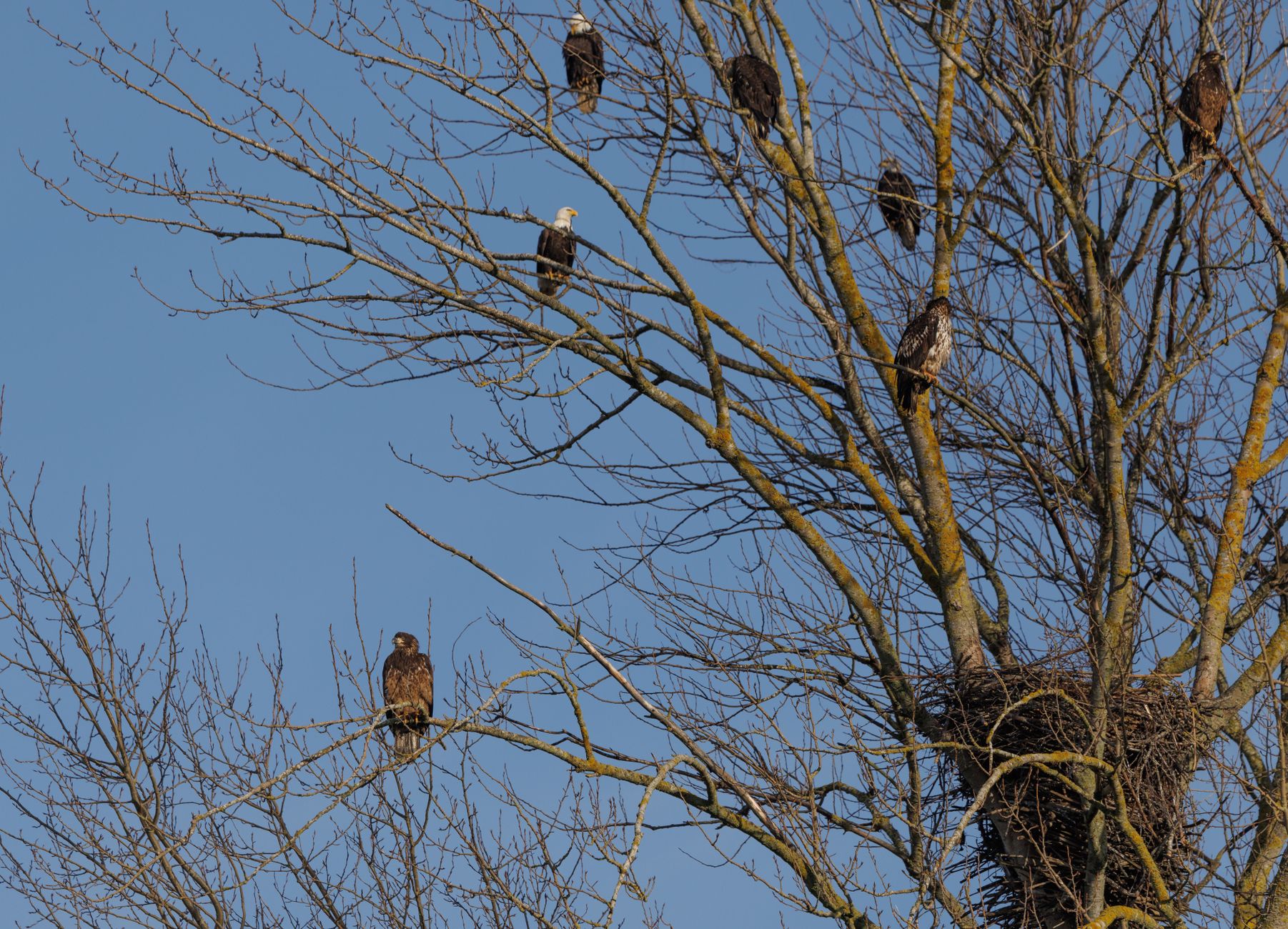
The cornerstone of eagle protection in the US is the Bald and Golden Eagle Protection Act (BGEPA). This federal law prohibits the taking, possession, sale, purchase, barter, offer to sell, purchase or barter, transport, export or import, at any time or in any manner, any bald eagle or golden eagle, alive or dead, or any part, nest, or egg thereof. Critically, the term “take” is broadly defined and includes actions that could disturb eagles to the point of injury, death, or nest abandonment. This definition is key when considering construction activities. The US Fish and Wildlife Service (USFWS) is responsible for enforcing this act.
The Importance of Buffer Zones
Buffer zones around eagle nests are crucial for several reasons:
- Reducing Disturbance: Construction noise, vibrations, and human activity can stress eagles, potentially leading to nest abandonment, reduced breeding success, and chick mortality.
- Protecting Foraging Areas: Eagles need access to foraging areas to hunt for food. Construction can destroy or degrade these areas, impacting their ability to feed themselves and their young.
- Maintaining Nest Stability: The nest itself is a vulnerable structure. Vibration from heavy machinery can weaken it, potentially causing it to collapse.
- Ensuring Continued Use: Buffer zones help ensure the eagles continue to use the nest site year after year, contributing to population stability.
Factors Influencing Buffer Zone Recommendations
The specific buffer zone required can vary depending on several factors:
- Eagle Species: While the BGEPA protects both bald and golden eagles, the USFWS provides specific guidelines tailored to each species.
- Local Regulations: State and local regulations may impose additional restrictions beyond the federal requirements. It is critical to check with relevant agencies.
- Topography and Vegetation: Natural features like hills and dense vegetation can provide some buffering effect, potentially allowing for slightly smaller buffer zones.
- Existing Human Activity: If the area already experiences significant human activity (e.g., roads, industrial operations), eagles may be more tolerant, potentially allowing for a smaller buffer zone.
- Construction Type: The type of construction activity significantly influences the level of disturbance. Blasting, pile driving, and other high-impact activities require larger buffer zones.
- Seasonal Considerations: Critical nesting periods require stricter adherence to buffer zones to avoid disturbing breeding pairs.
The Role of the US Fish and Wildlife Service (USFWS)
The USFWS provides guidelines and resources to help landowners and developers understand their obligations under the BGEPA. They also offer consultation services to assess potential impacts on eagles and develop mitigation strategies. It is highly recommended to consult with the USFWS early in the planning process. They can help determine appropriate buffer zones, identify potential issues, and ensure compliance with the law. Ignoring their guidance can result in significant legal and financial ramifications. Determining how close to an eagles nest can you build is best done in collaboration with the USFWS.
Steps to Take Before Construction
- Conduct a Site Assessment: Hire a qualified biologist to survey the area for eagle nests. This should be done well in advance of any construction activity.
- Consult with the USFWS: Contact the USFWS to discuss your project and obtain guidance on potential impacts to eagles.
- Develop a Mitigation Plan: If your project may impact eagles, develop a mitigation plan to minimize disturbance. This may include strategies such as:
- Establishing appropriate buffer zones.
- Scheduling construction activities outside of the nesting season.
- Using noise reduction measures.
- Restoring or enhancing habitat.
- Obtain Necessary Permits: Obtain any necessary permits from the USFWS or other relevant agencies.
- Monitor Construction Activities: Monitor construction activities to ensure compliance with the mitigation plan.
Consequences of Non-Compliance
Violating the BGEPA can result in substantial penalties:
- Fines: Civil penalties can reach thousands of dollars per violation. Criminal penalties can include jail time.
- Project Delays: Construction projects can be delayed or halted if they are found to be in violation of the BGEPA.
- Reputational Damage: Damaging an eagle nest or harming an eagle can result in negative publicity and damage to your reputation.
- Habitat Restoration: You may be required to restore or enhance habitat that was damaged by your activities.
Frequently Asked Questions
What is the general recommended buffer zone for an eagle nest?
The USFWS generally recommends a minimum buffer zone of 330 feet (100 meters) around an eagle nest. However, this distance can vary depending on the factors described above. It is crucial to consult with the USFWS to determine the appropriate buffer zone for your specific situation.
Can I build closer than 330 feet if I have a good reason?
Potentially. With appropriate mitigation measures and consultation with the USFWS, it may be possible to build closer than 330 feet. This would require a thorough assessment of the potential impacts on eagles and a detailed plan to minimize disturbance. However, it is important to understand that the USFWS will carefully scrutinize such requests.
What if I didn’t know there was an eagle nest on my property?
Lack of knowledge is not a valid defense against violating the BGEPA. Landowners have a responsibility to be aware of the potential presence of eagles on their property and to take steps to avoid disturbing them. Conducting a site assessment before starting any construction activity is essential.
How can I tell if I am disturbing an eagle nest?
Signs of disturbance can include: eagles repeatedly flying away from the nest, changes in their behavior (e.g., increased vocalizations), or abandonment of the nest altogether. If you observe any of these signs, you should immediately stop construction activity and contact the USFWS.
What do I do if I find an eagle nest during construction?
Stop all construction activity immediately and contact the USFWS. Do not approach or disturb the nest in any way. The USFWS will assess the situation and provide guidance on how to proceed.
Does the BGEPA apply to golden eagles in the same way as bald eagles?
Yes, the BGEPA protects both bald and golden eagles equally. The same rules and regulations apply to both species.
Are there any exceptions to the BGEPA?
There are limited exceptions to the BGEPA, such as for scientific research or religious purposes. However, these exceptions are rare and require a permit from the USFWS.
If an eagle nest is inactive, can I remove it?
Removing an inactive eagle nest requires explicit permission from the USFWS. Even if the nest appears abandoned, it is still protected under the BGEPA, and disturbing it without authorization can result in penalties.
How often do eagles reuse their nests?
Eagles often reuse their nests year after year, adding to them over time. This can result in nests that are very large and heavy. Protecting these established nest sites is crucial for eagle populations.
What is the penalty for harming an eagle?
The penalties for harming an eagle can be severe, including fines of up to $100,000 (or $200,000 for organizations), imprisonment for up to one year, or both. Repeat offenders may face even harsher penalties.
Are there state laws that protect eagles?
Yes, many states have their own laws that protect eagles, often in addition to the federal BGEPA. It is important to check with your state’s wildlife agency to determine the specific regulations in your area.
Where can I find more information about eagle protection?
The US Fish and Wildlife Service website (www.fws.gov) is the best source of information about eagle protection. You can also contact your local USFWS office for specific guidance and assistance. This will ensure you fully understand how close to an eagles nest can you build.