

Can You Use a Gravel Vacuum with Fish in the Tank? Maintaining a Healthy Aquarium Ecosystem
Yes, you can and should use a gravel vacuum with fish in the tank as part of routine maintenance. This process is crucial for removing debris and waste, promoting a healthier environment for your aquatic pets.
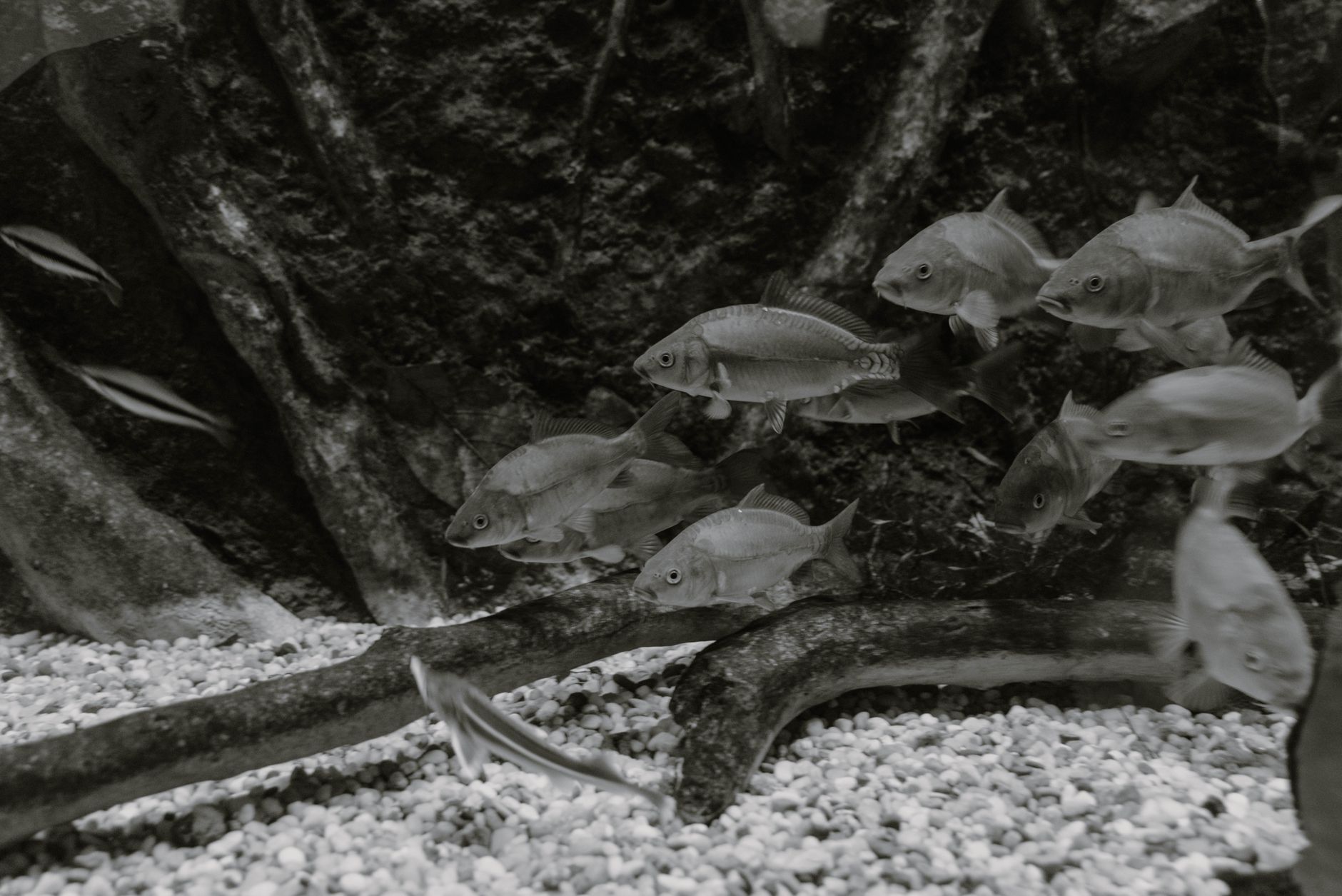
Understanding the Importance of Gravel Vacuuming
Gravel vacuuming is an essential part of aquarium maintenance. Over time, uneaten food, fish waste (ammonia, nitrites, nitrates), and decaying plant matter accumulate in the gravel bed. This buildup can lead to several problems:
- Poor water quality: Decomposing organic matter releases harmful substances that can stress or even kill your fish. High levels of nitrates, in particular, can be detrimental.
- Algae blooms: Excess nutrients fuel algae growth, making your tank unsightly and potentially harmful to its inhabitants.
- Anaerobic pockets: Areas within the gravel bed with little to no oxygen can harbor harmful bacteria that produce toxic gases like hydrogen sulfide.
Gravel vacuuming helps to prevent these issues by removing the debris before it significantly impacts the water quality.

How many fish can you put in a 200 gallon tank?
Can I put pink Himalayan salt in a fish tank?
What fish is Flo?
How intelligent are fish?
Benefits of Gravel Vacuuming

Regular gravel vacuuming offers numerous benefits:
- Improved water quality: Removes waste and debris, reducing ammonia, nitrite, and nitrate levels.
- Healthier fish: Reduces stress and the risk of disease.
- Reduced algae growth: Removes excess nutrients that fuel algae blooms.
- Clearer water: Removes particulate matter, making the water appear more sparkling.
- Extended lifespan of aquarium components: By reducing build-up of pollutants, it helps to extend the lifespan of your filtration and other system components.
The Gravel Vacuuming Process: A Step-by-Step Guide
Here’s how to effectively vacuum your gravel while keeping your fish safe:
- Gather your supplies: You’ll need a gravel vacuum (also known as a siphon), a bucket, and dechlorinated water to replace the water you remove.
- Turn off equipment: Unplug your heater and filter before you begin.
- Position the vacuum: Place one end of the siphon tube in your bucket and the other end (the vacuum tube) into the gravel.
- Start the siphon: There are several ways to start a siphon. Some vacuums have a built-in pump, while others require you to submerge the vacuum tube and then quickly lift it out of the water to create suction.
- Vacuum the gravel: Gently push the vacuum tube into the gravel. The suction will lift debris and waste into the tube. Avoid pushing too deep, which could disrupt the beneficial bacteria in the substrate.
- Move systematically: Work in sections, overlapping slightly to ensure you clean the entire gravel bed.
- Avoid disturbing plants and decorations: Be careful not to uproot plants or knock over decorations.
- Monitor the water level: Don’t remove more than 25-50% of the tank water during a single cleaning.
- Refill the tank: Slowly refill the tank with dechlorinated water that is the same temperature as the existing water.
- Turn equipment back on: Once the tank is refilled, plug your heater and filter back in.
Common Mistakes to Avoid
Several mistakes are common when gravel vacuuming that can harm your fish or disrupt the aquarium ecosystem:
- Removing too much water: Removing too much water at once can shock your fish. Stick to 25-50% maximum.
- Disturbing the beneficial bacteria: Avoid vacuuming too deeply or frequently, as this can remove beneficial bacteria that help to maintain the nitrogen cycle.
- Using untreated water: Always use dechlorinated water to refill the tank. Tap water contains chlorine and chloramine, which are toxic to fish.
- Vacuuming too quickly: Vacuuming too quickly can stir up too much debris, clouding the water and stressing your fish.
- Ignoring plant roots: Avoid damaging plant roots while vacuuming around them.
Choosing the Right Gravel Vacuum
There are several types of gravel vacuums available:
| Type | Description | Advantages | Disadvantages |
|---|---|---|---|
| Manual siphon | Requires manual siphoning action. | Inexpensive, easy to use in small tanks. | Can be messy to start the siphon. |
| Battery-powered | Uses a battery-powered impeller to create suction. | Convenient, doesn’t require a bucket below the tank. | More expensive, requires battery replacement. |
| Electric powered | Plugs into an outlet for powered suction. | Very effective, works very well in deeper tanks. | More expensive than other options, need to make sure you don’t run it dry. |
| Mini gravel vac | Smaller version for nano tanks. | Perfect for use in nano aquariums. | Not suitable for larger aquariums, can’t remove a lot of water quickly. |
Choose a gravel vacuum that is appropriate for the size of your tank and your budget.
Frequency of Gravel Vacuuming
The frequency of gravel vacuuming depends on several factors, including the size of your tank, the number of fish, and the amount of food you feed them. As a general rule, you should vacuum your gravel every 1-2 weeks. A heavily stocked tank may require more frequent cleaning.
Frequently Asked Questions
Can gravel vacuuming stress my fish?
Yes, but the stress is minimal if done correctly. Slow and deliberate movements are key. Avoid sudden changes in water chemistry by not removing too much water (stick to 25-50% at most). Also, ensure any new water you add is properly dechlorinated and close to the same temperature as the water in the tank.
Will gravel vacuuming remove all the beneficial bacteria?
No, most of the beneficial bacteria reside in the filter and on surfaces within the tank (decorations and glass). Vacuuming the gravel removes some bacteria, but the overall impact is minimal if you don’t over-clean.
How do I gravel vacuum a planted tank without damaging the plants?
Use the gravel vacuum carefully around the plants. Avoid disturbing the roots. You can gently vacuum the surface of the gravel near the plants without inserting the siphon too deeply. You can also use a small siphon or a turkey baster to remove debris from hard-to-reach areas.
What if I have sand instead of gravel?
The process is similar, but be extra careful not to suck up the sand. Hold the vacuum tube slightly above the sand surface to remove debris without disturbing the sand itself.
Is it safe to use a gravel vacuum with small fish or fry?
Yes, but take extra precautions. Use a pre-filter sponge over the end of the vacuum tube to prevent small fish or fry from being sucked up. Move slowly and carefully, avoiding areas where fry are likely to be present.
What if my tank is heavily planted?
Heavily planted tanks often require less gravel vacuuming, as the plants utilize some of the nutrients that would otherwise accumulate in the gravel. However, it’s still important to vacuum occasionally to remove any excess debris.
How often should I replace my gravel?
Gravel doesn’t need to be replaced unless it becomes heavily contaminated or damaged. Proper gravel vacuuming will keep it clean and healthy for years.
Can I use the same gravel vacuum for multiple tanks?
Yes, but it’s important to disinfect the vacuum between tanks to prevent the spread of disease. Rinse it thoroughly with hot water or use a fish-safe disinfectant.
My gravel vacuum isn’t sucking up anything. What’s wrong?
Make sure the siphon is properly established. Check for any kinks or blockages in the tubing. Ensure that the bucket is placed lower than the tank. If using a battery-powered vacuum, check the batteries.
Can I use a gravel vacuum on a bare-bottom tank?
Yes, but the purpose is slightly different. In a bare-bottom tank, the debris sits on the bottom, making it easy to vacuum up. Focus on removing waste from the bottom of the tank and around decorations.
What temperature should the water be when refilling my tank?
The water should be as close as possible to the temperature of the existing tank water. Sudden temperature changes can stress your fish.
My gravel vacuum is making the water cloudy. Is this normal?
Yes, it’s normal for the water to become cloudy temporarily during gravel vacuuming. This is due to the debris being stirred up. The cloudiness will usually clear within a few hours as the filter removes the particulate matter.
In conclusion, can you use gravel vacuum with fish in tank? The answer is a resounding yes. By following these guidelines, you can effectively maintain a clean and healthy aquarium environment for your fish, keeping them happy and thriving for years to come.