

Why Won’t My Old Cat Accept My New Cat? Understanding Feline Introductions
Introducing a new cat into a home with an existing feline resident can be fraught with challenges; the core reason your old cat isn’t accepting the new one often stems from perceived threats to territory, resources, and social hierarchy, leading to stress and conflict. Successfully navigating this transition requires understanding feline behavior and implementing a gradual, well-managed introduction process.
The Complexities of Feline Social Dynamics
Cats, while sometimes solitary, are highly territorial creatures with complex social dynamics. Introducing a new cat throws their established world into disarray, forcing them to renegotiate boundaries and compete for resources. Understanding this underlying tension is crucial for a smooth introduction. Why won’t my old cat accept my new cat? The answer often lies in their innate need to control their environment.
Decoding Feline Body Language
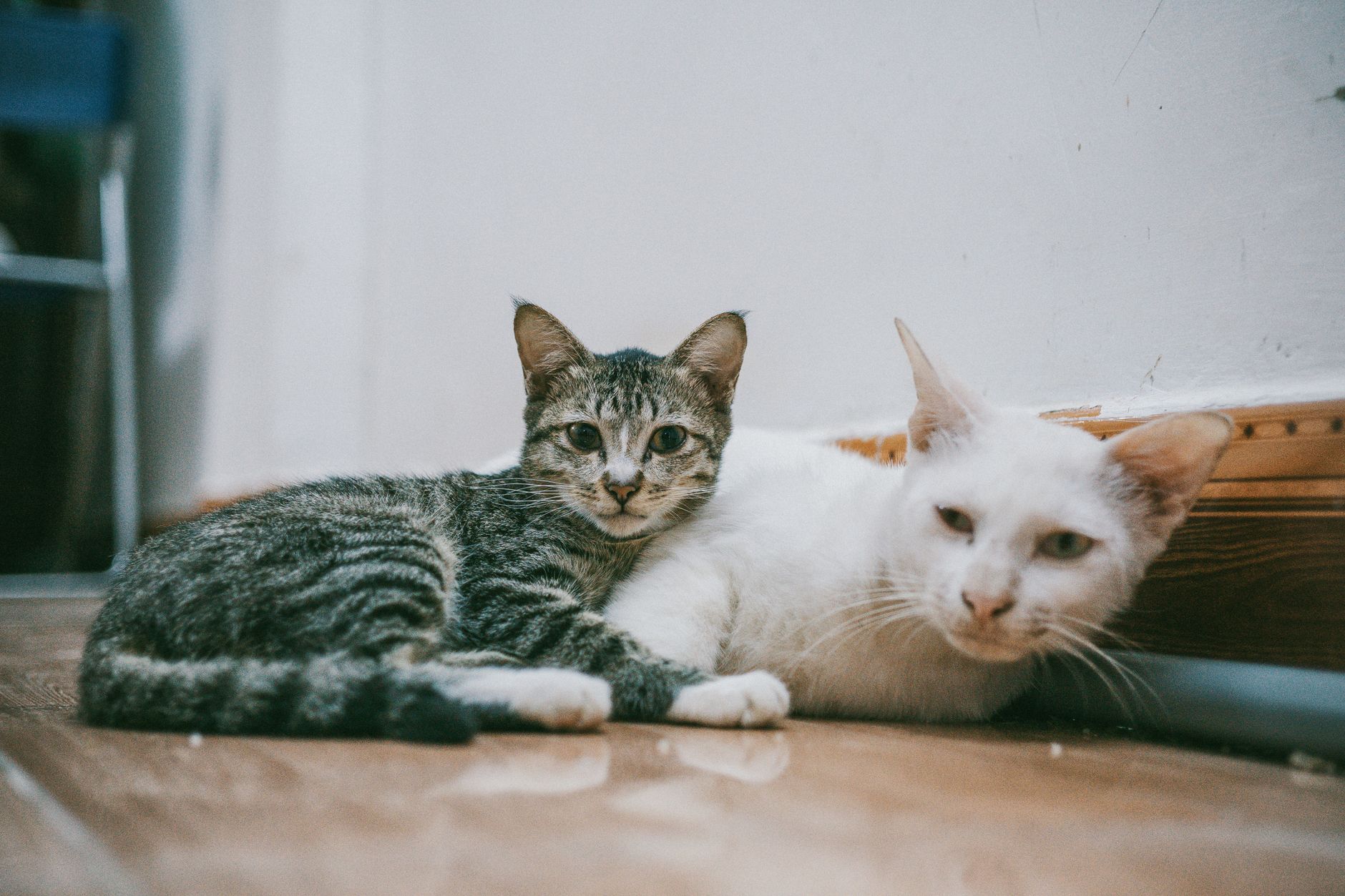
Before even attempting introductions, it’s vital to understand feline body language. Knowing the signs of stress, fear, and aggression can help you adjust your approach and prevent escalation.
- Signs of Stress: Hissing, spitting, flattened ears, puffed-up fur, dilated pupils, tail twitching.
- Signs of Fear: Crouching, hiding, trembling, tucked tail, avoidance.
- Signs of Aggression: Staring, growling, swatting, biting, chasing.
Ignoring these signs can lead to long-term animosity between your cats. Early intervention is key.
A Gradual Introduction Process: Step-by-Step
Successfully integrating a new cat requires patience and a methodical approach. Rushing the process can backfire spectacularly, solidifying negative associations.
- Step 1: Separate Spaces: Keep the new cat in a separate room with its own food, water, litter box, scratching post, and toys. This allows both cats to adjust to each other’s scent without direct confrontation.
- Step 2: Scent Exchange: Swap bedding or toys between the cats to introduce their scents. You can also rub a cloth on one cat and then on the other to transfer their scents.
- Step 3: Supervised Visual Access: Allow the cats to see each other through a closed door or a baby gate. Start with short periods and gradually increase the duration.
- Step 4: Controlled Interactions: Once the cats are comfortable seeing each other, begin supervised interactions in a neutral space. Keep them on leashes initially if needed.
- Step 5: Free Interaction: If supervised interactions are going well, allow them free access to the house. Continue to monitor their interactions and provide plenty of resources.
Why won’t my old cat accept my new cat? This methodical approach increases the odds of a positive outcome because it avoids overwhelming them.
Resource Management and Minimizing Competition
Resource competition is a major factor in inter-cat aggression. Ensuring that both cats have access to their own resources is crucial.
- Provide multiple food and water bowls in different locations.
- Offer multiple litter boxes – a good rule of thumb is one per cat plus one extra.
- Supply plenty of scratching posts, toys, and beds.
- Create vertical space with cat trees or shelves to allow cats to avoid each other.
Common Mistakes to Avoid
Many owners unintentionally sabotage the introduction process. Here are some common pitfalls:
- Rushing the Introduction: This is the biggest mistake. Give your cats time to adjust to each other’s scent and presence gradually.
- Forcing Interaction: Never force cats to interact. Let them approach each other at their own pace.
- Punishing Aggression: Punishing a cat for hissing or growling will only increase his anxiety and make him more likely to become aggressive.
- Ignoring Warning Signs: Pay attention to your cats’ body language and intervene before conflicts escalate.
Ignoring these pitfalls can intensify the problem, and that explains why won’t my old cat accept my new cat.
When to Seek Professional Help
If you’ve tried everything and your cats are still fighting, consult with a veterinarian or a certified feline behaviorist. They can help you identify underlying medical or behavioral issues and develop a tailored plan.

Frequently Asked Questions
Why is my old cat hissing at the new cat even though they haven’t met face-to-face?
The hissing is likely a defensive response to the new cat’s scent. Even without direct contact, your old cat can sense the presence of a newcomer and feel threatened. Continue with scent swapping and gradual introductions.
How long should I keep the new cat separated from my old cat?
There’s no set timeline. It depends on the individual cats. Continue separation until both cats show relaxed body language when they can smell and see each other through a barrier. This can take days, weeks, or even months.
What if my old cat starts spraying after I bring home the new cat?
Spraying is a sign of stress and territorial marking. Ensure that you’re providing plenty of resources and vertical space. Consider using a pheromone diffuser designed to reduce stress in cats. Consult your veterinarian to rule out any medical causes.
My cats seem to tolerate each other but don’t really interact. Is this normal?
Yes, this is a perfectly acceptable outcome for many cats. Not all cats will become best friends. Peaceful coexistence is a success in itself.
What should I do if my cats start fighting?
Immediately separate them by making a loud noise (like clapping your hands) or tossing a blanket over them. Never try to physically intervene. Once separated, reassess your introduction process and go back a step.
Will my old cat ever get over the new cat?
In most cases, yes. With patience and a proper introduction, most cats will eventually learn to tolerate each other. However, it’s important to manage expectations. They may never be best friends, but they can learn to coexist peacefully.
Is it easier to introduce a kitten to an adult cat than two adult cats?
Generally, yes. Kittens are less threatening to adult cats and are more likely to be accepted. However, it’s still important to follow a gradual introduction process.
My old cat is eating less since the new cat arrived. What should I do?
Stress can cause a decrease in appetite. Ensure that your old cat has a quiet, safe place to eat where the new cat cannot bother them. If the problem persists, consult your veterinarian.
Can pheromone diffusers really help?
Yes, pheromone diffusers can be a valuable tool in reducing stress and anxiety in cats. They mimic natural feline pheromones that promote a sense of calm and security.
What if my old cat starts bullying the new cat?
Bullying behavior, such as blocking access to resources, requires immediate intervention. Separate the cats and re-evaluate the environment. Ensure the new cat has safe spaces to retreat to. Supervise interactions closely and redirect bullying behavior.
My cats were getting along well, but now they are fighting again. What happened?
This can happen due to a variety of factors, such as a change in the environment, a medical issue in one of the cats, or simply a shift in their social dynamics. Re-evaluate the situation and try to identify the trigger. You may need to temporarily separate them and reintroduce them gradually.
How can I tell if my cats are playing or fighting?
Play fighting usually involves softer bites, no hissing or growling, and alternating roles. True fighting is more intense, with hissing, growling, biting, and chasing. Pay close attention to their body language and the intensity of the interaction.