

What Age Does a Staffy’s Head Split? Unveiling the Mystery
The phenomenon commonly referred to as a “Staffy Head Split” primarily refers to the widening of the dog’s face and increased muscular definition around the head, especially in the jawline. This change is most prominent between 8 months and 2 years of age, though individual development can vary.
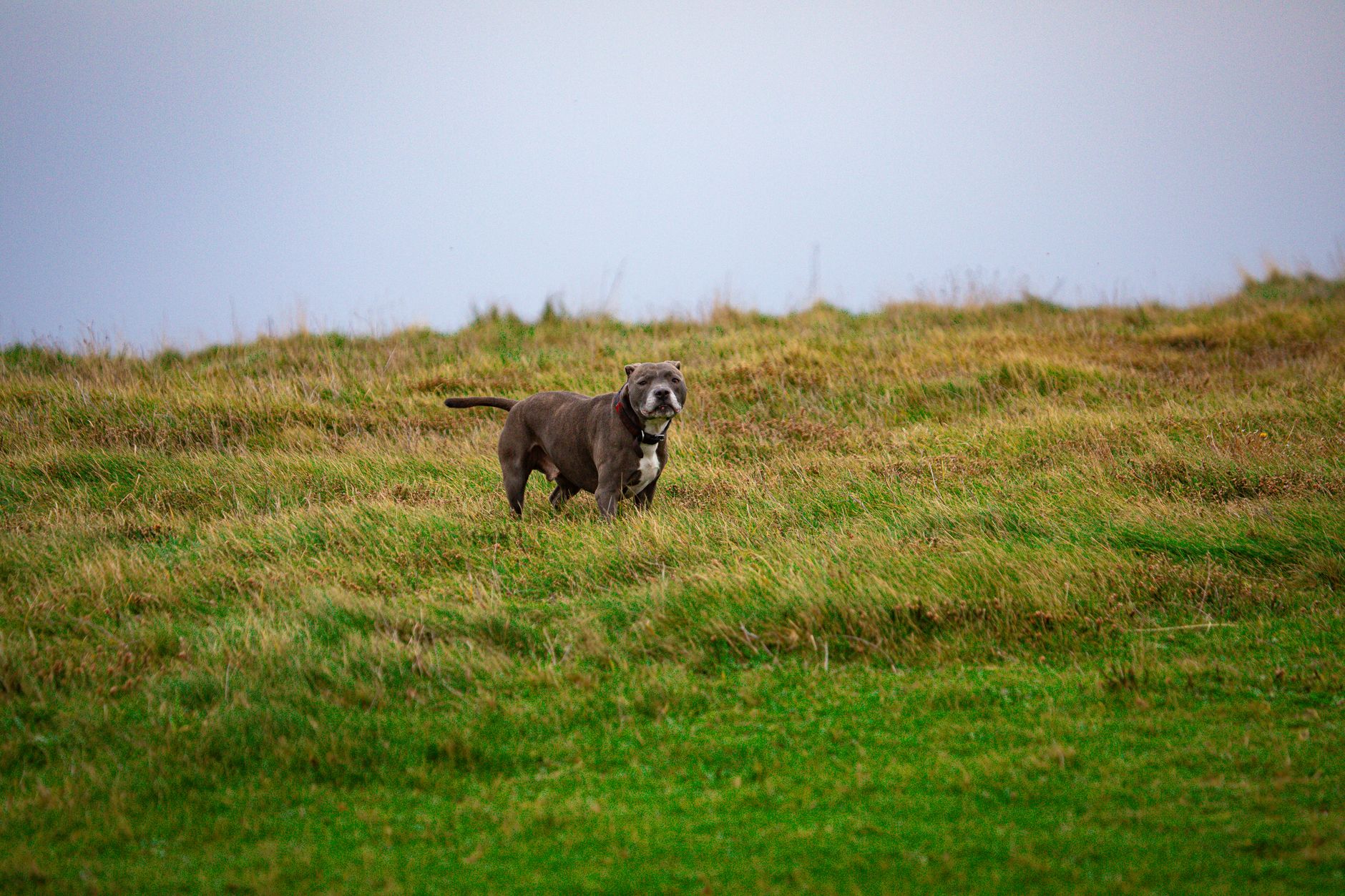
Understanding the “Staffy Head Split” Phenomenon
The term “Staffy Head Split” is informal, often used by enthusiasts of Staffordshire Bull Terriers to describe a significant physical transformation. It’s not a scientific or veterinary term, but rather a descriptive observation of a change in physical appearance. Understanding the factors contributing to this perceived “split” is essential for appreciating the breed’s development.

What colours are fish most attracted to?
Can you put your finger in a trout's mouth?
Is methylene blue anti bacterial?
Does aquarium salt raise pH in aquarium?
The Role of Genetics

Genetics plays a crucial role in determining the extent and timing of the “Staffy Head Split.” Just as humans inherit physical traits from their parents, dogs inherit their genetic predisposition for muscle development and bone structure. Breeders often select for certain physical characteristics, including a broader head and pronounced musculature.
- The genetic lineage of a Staffy significantly impacts its potential for this type of development.
- Responsible breeders prioritize traits that contribute to overall health and temperament, alongside desired physical attributes.
Impact of Diet and Exercise
While genetics lay the foundation, diet and exercise are crucial catalysts in achieving the desired “split.” A diet rich in protein and essential nutrients supports muscle growth. Regular exercise, particularly activities that engage the jaw and neck muscles, further contributes to the widening and definition of the head.
- Protein: Essential for muscle building and repair.
- Fat: Provides energy for sustained activity.
- Carbohydrates: Offer additional energy but should be balanced to avoid weight gain.
Appropriate exercise for Staffies includes:
- Tug-of-war: Builds jaw strength.
- Chew toys: Stimulates jaw muscles.
- Fetch: Promotes overall physical fitness.
The Importance of Gradual Development
It’s essential to note that rapid or forced muscle development can be detrimental to a young Staffy’s health. Overexertion and inappropriate training can lead to injuries and joint problems. A gradual and balanced approach to diet and exercise is key to ensuring healthy development.
Age-Related Factors in the “Head Split”
The most noticeable changes in a Staffy’s head structure typically occur between 8 months and 2 years of age. This period coincides with the dog’s transition from puppyhood to adulthood, marked by hormonal changes and continued physical maturation.
| Age Range | Expected Changes |
|---|---|
| 6-8 Months | Initial muscle development; slight widening of the head |
| 8 Months – 1 Year | More noticeable muscle growth; increased jaw definition |
| 1-2 Years | Significant widening and definition; “Head Split” becomes apparent |
| 2+ Years | Continued muscle maintenance; head shape stabilizes |
Factors That Influence Timing and Extent
Several factors can influence the exact age at which a Staffy’s head appears to “split” and the degree to which it occurs:
- Genetics: As discussed, predisposes the dog to a certain level of muscle development.
- Diet: Adequate nutrition is crucial for muscle growth.
- Exercise: Specific exercises targeting jaw and neck muscles can accelerate the process.
- Individual Variation: Just like humans, each dog develops at its own pace.
Recognizing Healthy Muscle Development
It’s important to differentiate between healthy muscle growth and unhealthy weight gain. A healthy Staffy should be lean and muscular, with a visible waistline. Overfeeding can lead to excess fat, which can obscure muscle definition and potentially cause health problems. Consult with a veterinarian or canine nutritionist for guidance on proper diet and exercise.
Avoiding Unrealistic Expectations
While the “Staffy Head Split” is a desirable trait for many owners, it’s essential to have realistic expectations. Not all Staffies will develop a pronounced “split,” regardless of diet and exercise. Focusing on the dog’s overall health, temperament, and well-being should always be the priority.
Frequently Asked Questions (FAQs)
What is the “Staffy Head Split” really about?
The term describes the widening of a Staffordshire Bull Terrier’s head, particularly the jawline, as it matures. It’s largely due to muscle growth and skeletal development, making the dog’s head appear broader and more defined.
Is the “Staffy Head Split” a formal, veterinary term?
No, it’s not a formal veterinary term, but rather a popular descriptive phrase used by Staffy enthusiasts to describe a specific physical transformation associated with maturity.
At what age should I expect to see the most noticeable changes in my Staffy’s head?
The most noticeable changes typically occur between 8 months and 2 years of age, as the dog transitions into adulthood. This is when muscle development is most rapid, contributing to the widening of the head.
What role does genetics play in the development of the “Head Split”?
Genetics plays a fundamental role, predisposing the dog to a certain level of muscle mass and bone structure. Some Staffies are genetically predisposed to develop a more pronounced “split” than others.
How important is diet for achieving the desired “Head Split”?
Diet is extremely important. A high-protein diet rich in essential nutrients supports muscle growth. Consult with a veterinarian or canine nutritionist to determine the appropriate diet for your dog.
What kind of exercise is most effective for promoting muscle growth in the head?
Exercises that engage the jaw and neck muscles are most effective. Tug-of-war and chewing on durable toys can help build muscle in these areas, but avoid strenuous activity before your dog’s growth plates have closed.
Can I force the “Head Split” by overfeeding or over-exercising my Staffy?
No, attempting to force the “split” through overfeeding or over-exercising can be detrimental to your dog’s health. It’s important to prioritize gradual and balanced development.
Is it possible for a Staffy to develop a “Head Split” after 2 years of age?
While the most significant changes typically occur before 2 years of age, some continued muscle development can happen later. However, the majority of the transformation takes place during the earlier developmental period.
What are the signs of unhealthy muscle development in a Staffy?
Signs of unhealthy development include excessive weight gain, difficulty breathing, and joint problems. A healthy Staffy should be lean and muscular. Consult your vet if you have any concerns.
Will all Staffies develop a noticeable “Head Split”?
No, not all Staffies will develop a pronounced “split.” Genetics, diet, exercise, and individual variation all play a role.
What should be my primary concern when raising a Staffy puppy?
Your primary concern should always be your dog’s overall health, temperament, and well-being. The “Head Split” is secondary to ensuring a happy and healthy life for your Staffy.
How can I ensure my Staffy puppy grows into a healthy and well-developed adult?
Provide a balanced diet, regular exercise appropriate for their age, and regular veterinary care. Early socialization and training are also crucial for developing a well-adjusted dog. Prioritize gradual and balanced development over forcing physical changes.