
Is it Safe to Touch a Seahorse?
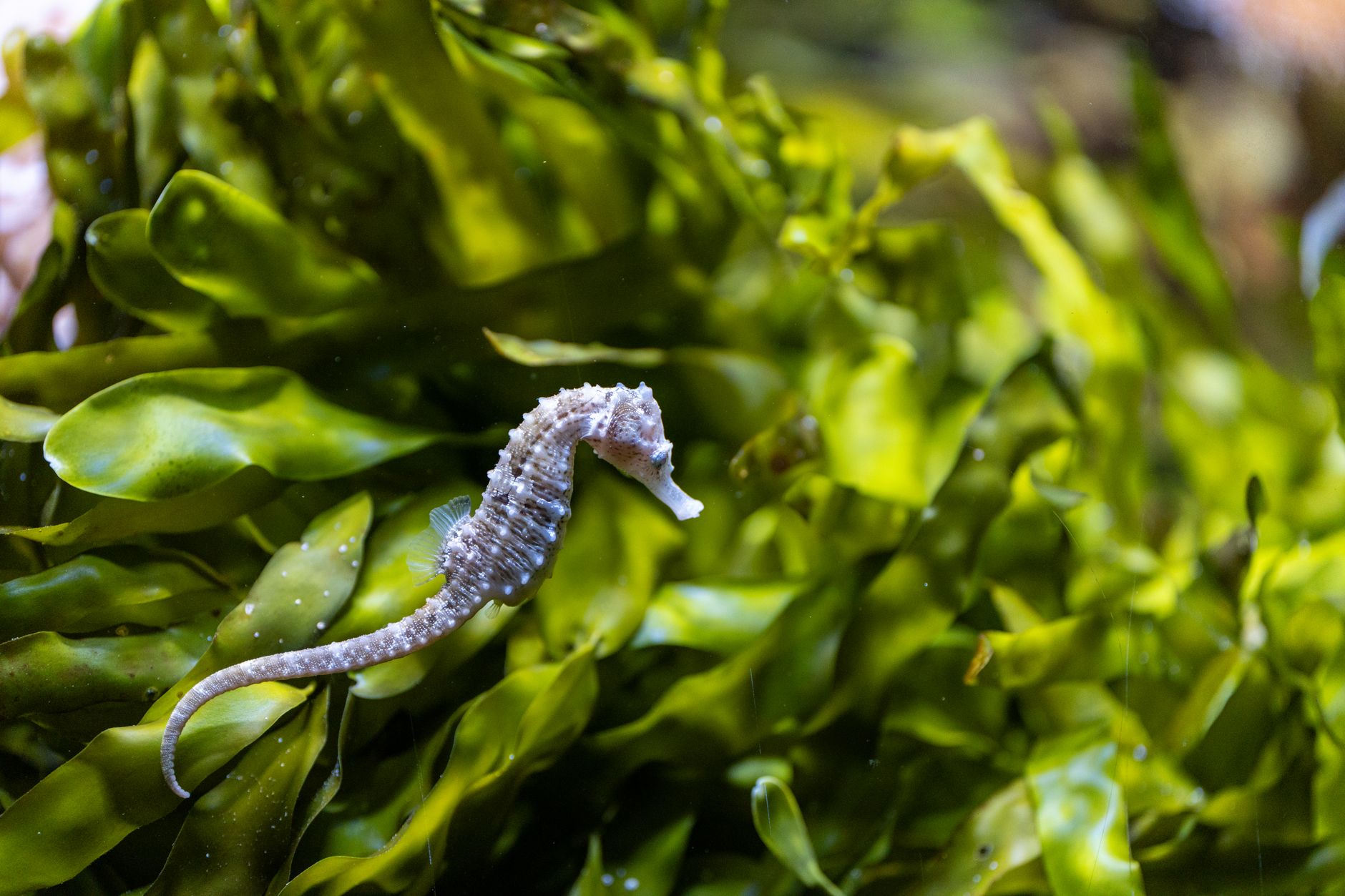
Touching a seahorse might seem tempting, but it’s generally not safe for either the seahorse or the person. Careful observation from a distance is always the best approach.
Understanding Seahorse Vulnerability
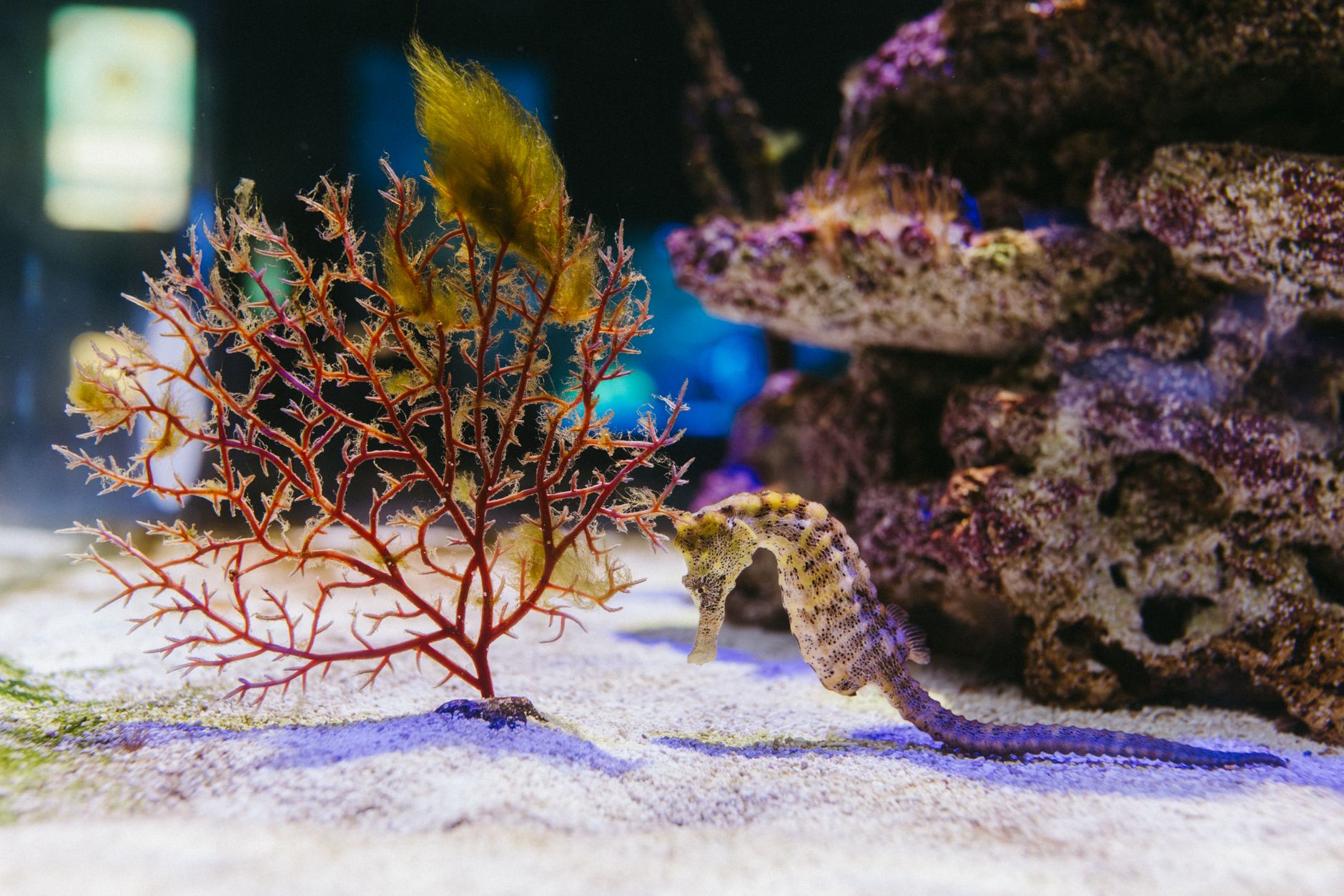
Seahorses, those captivating creatures of the sea, are more fragile than they appear. Their unique anatomy and specific needs make them exceptionally vulnerable to human interaction. Understanding these vulnerabilities is crucial to appreciating why it’s best to admire them from afar.
What colours are fish most attracted to?
Can you put your finger in a trout's mouth?
Is methylene blue anti bacterial?
Does aquarium salt raise pH in aquarium?
The Delicate Nature of Seahorse Anatomy

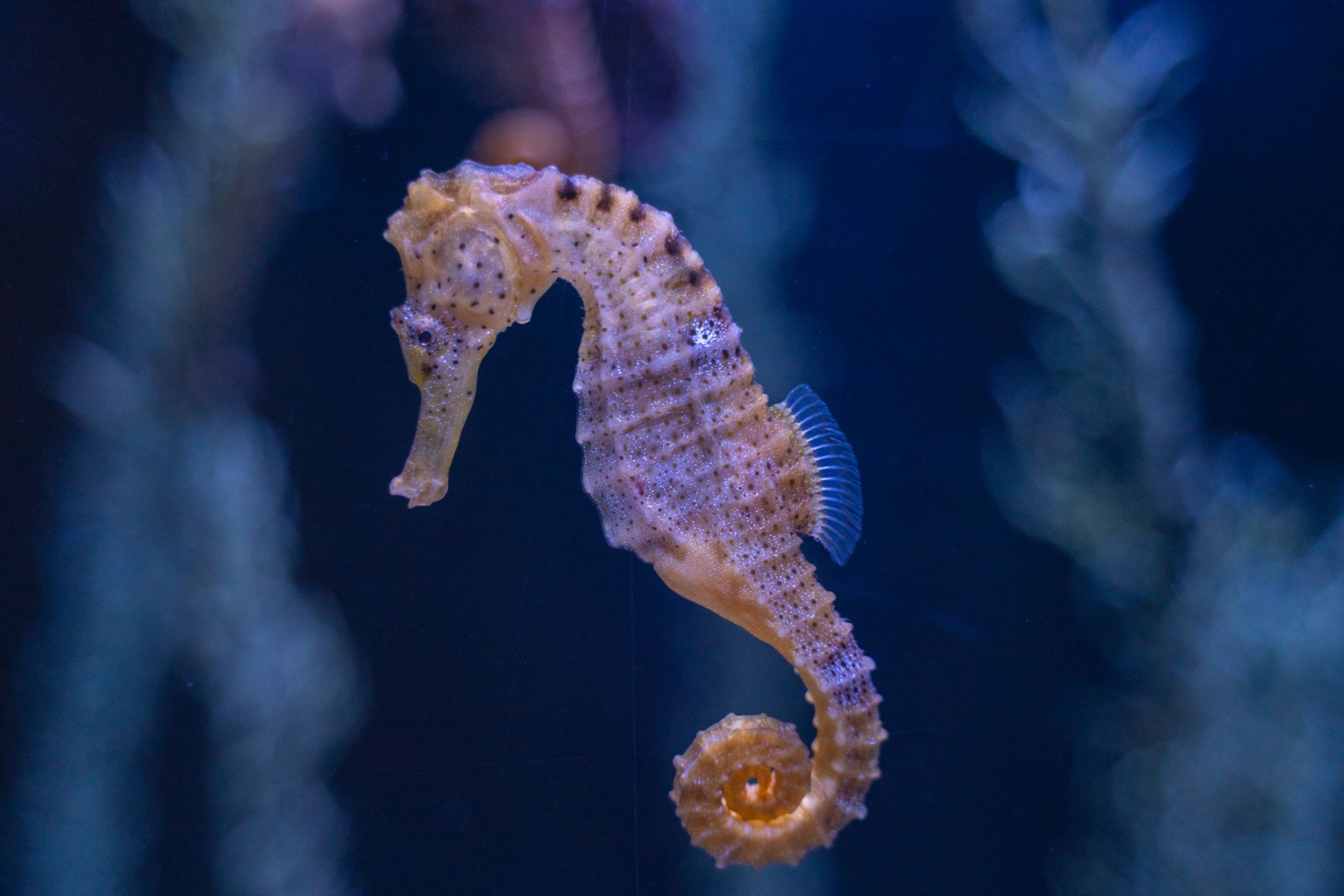
Seahorses possess several unique features that contribute to their delicate nature:
- No Scales: Unlike most fish, seahorses lack scales. Their bodies are covered by thin skin stretched over bony plates, making them susceptible to injury and infection.
- Fragile Internal Organs: Their internal organs are not as robust as those of other fish, and physical contact can easily cause internal damage.
- Clasping Tail: Their prehensile tail, used for grasping seaweed and coral, is easily injured when handled. The tail is crucial for survival, allowing them to anchor themselves in their habitat.
The Stress Factor
Beyond physical harm, even gentle touching can induce significant stress in seahorses. Stress can weaken their immune systems, making them more susceptible to disease. It can also disrupt their feeding and breeding behavior. When disturbed, a seahorse may expend valuable energy trying to escape, energy that could be used for survival.
Conservation Concerns
Many seahorse species are threatened or endangered due to habitat loss, pollution, and overfishing. Human interaction, even with the best intentions, can further endanger these vulnerable populations. Contributing to their conservation means minimizing our impact on their environment.
The Impact on Seahorse Mucus
Seahorses, like many aquatic creatures, have a protective mucus layer on their skin. This layer acts as a barrier against bacteria and parasites. Touching a seahorse can remove this protective coating, leaving them vulnerable to infection. Even the oils and lotions on human skin can disrupt this delicate balance.
Responsible Observation Guidelines
While touching a seahorse is discouraged, observing them in their natural habitat can be a rewarding experience. Here are some guidelines for responsible observation:
- Maintain Distance: Observe seahorses from a distance to avoid disturbing them.
- Avoid Flash Photography: Flash photography can startle and stress seahorses.
- Do Not Feed: Feeding seahorses can disrupt their natural feeding habits.
- Support Conservation Efforts: Contribute to organizations dedicated to seahorse conservation.
Ethical Considerations
The ethics of interacting with wildlife always lean toward caution and respect for the animal’s well-being. Ask yourself: Is your interaction solely for your personal enjoyment, or does it benefit the animal? In the case of seahorses, the answer is almost always that it’s for personal enjoyment and potentially harmful. Therefore, the ethical choice is to observe without touching.
Frequently Asked Questions
Is it illegal to touch a seahorse?
While not always illegal in every location, touching a seahorse can be a violation of regulations designed to protect endangered species and marine ecosystems. It’s crucial to research local laws and guidelines before interacting with any marine life. Furthermore, even if not explicitly illegal, it’s almost always unethical due to the reasons explained above.
What happens if you touch a seahorse?
Touching a seahorse can remove their protective mucus layer, making them vulnerable to infection. It can also cause stress, which weakens their immune system and disrupts their behavior. Physical handling can also injure their delicate bodies, especially their tail. Simply put, is it safe to touch a seahorse? No.
How can I tell if a seahorse is stressed?
Signs of stress in seahorses include rapid breathing, erratic swimming, color changes, and a reluctance to feed. If you observe these signs while near a seahorse, it’s imperative to immediately increase your distance. They may also become less responsive or more reclusive.
Are seahorses poisonous or dangerous to humans?
Seahorses are not poisonous or dangerous to humans. They lack any venomous spines or toxins. The danger lies in the reverse: humans pose a threat to seahorses through habitat destruction and unsustainable practices. This is why the question is it safe to touch a seahorse? is particularly important.
What is the best way to observe seahorses in their natural habitat?
The best way to observe seahorses is by snorkeling or diving from a respectful distance. Avoid touching or disturbing their environment. Use binoculars for a closer look without getting too close. Consider joining guided tours led by experienced marine biologists who understand responsible viewing practices.
Can I keep a seahorse as a pet?
Keeping seahorses as pets is strongly discouraged. They require very specific and challenging care conditions, including a specialized tank, specific water parameters, and a constant supply of live food. Most seahorses sold in the pet trade are wild-caught, further endangering their populations.
What should I do if I accidentally touch a seahorse?
If you accidentally touch a seahorse, immediately back away and avoid further contact. Observe the seahorse from a distance to ensure it appears unharmed. Report the incident to local authorities if you suspect any damage or disturbance to the seahorse or its habitat.
What are some organizations that support seahorse conservation?
Several organizations are dedicated to seahorse conservation, including the Project Seahorse Foundation, The Seahorse Trust, and various local marine conservation groups. Supporting these organizations through donations or volunteering can help protect seahorses and their habitats.
What do seahorses eat?
Seahorses primarily feed on small crustaceans, such as copepods, amphipods, and other tiny invertebrates. They use their snout to suck up their prey, which is crucial for survival in their environment. Disrupting their food supply can significantly impact their well-being.
How do seahorses reproduce?
Seahorses have a unique reproductive system. The female deposits her eggs into a pouch on the male’s abdomen, where they are fertilized and incubated until hatching. The male then gives birth to hundreds or even thousands of tiny seahorses.
What are the biggest threats to seahorse populations?
The biggest threats to seahorse populations include habitat loss, pollution, and overfishing. Trawling and other destructive fishing methods damage the seagrass beds and coral reefs where seahorses live. The souvenir and traditional medicine trades also contribute to their decline.
Can I help protect seahorses in my everyday life?
Yes, you can help protect seahorses by reducing your consumption of single-use plastics, supporting sustainable seafood choices, and advocating for marine conservation policies. Educating others about the importance of seahorse conservation is also crucial. When traveling, choose eco-friendly tours and avoid purchasing souvenirs made from marine animals. Remember, when asking is it safe to touch a seahorse?, the answer is consistently and clearly no, and taking proactive steps is essential for conservation.