
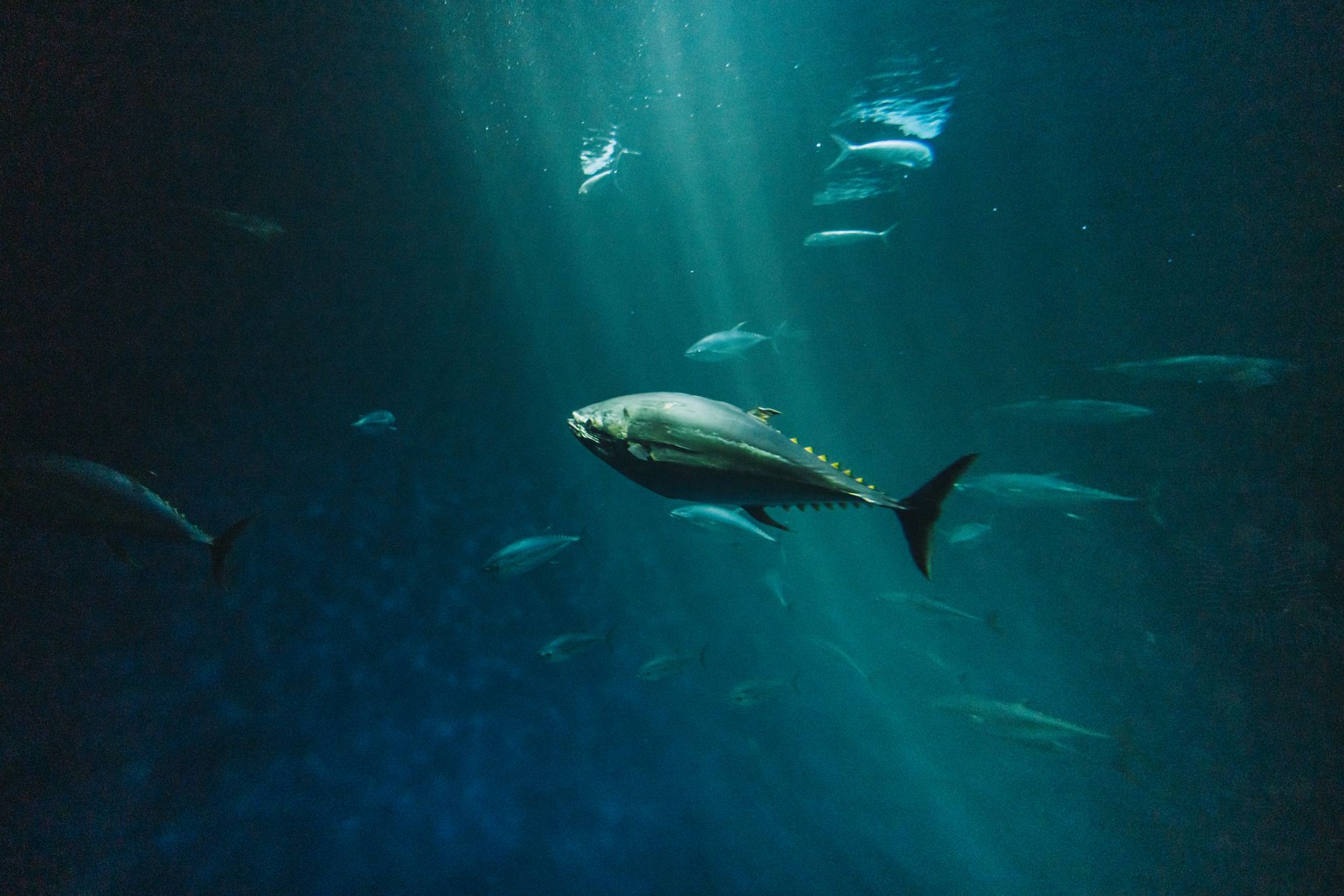
Do Fish Prefer Deep or Shallow Water? Exploring Aquatic Habitats
Ultimately, the answer to Do fish like deep or shallow water? is: it depends entirely on the species and their specific needs. Different fish thrive in different depths, driven by factors like food availability, water temperature, oxygen levels, and protection from predators.

The question of whether fish prefer deep or shallow water isn’t as simple as a single preference. It’s a complex interplay of environmental factors, behavioral adaptations, and species-specific requirements. Understanding these factors is crucial for anyone interested in angling, aquatic biology, or simply appreciating the diversity of life beneath the surface. This article will explore the reasons behind different depth preferences in fish, examining the factors that influence their choices and dispelling some common misconceptions about aquatic habitats.
The Driving Forces Behind Depth Preference
A fish’s preference for deep or shallow water isn’t arbitrary. It’s a matter of survival, driven by the optimization of several key factors.
- Food Availability: Different depths offer different food sources. Shallow waters, with greater sunlight penetration, often support more plant life and invertebrate populations, attracting herbivorous and insectivorous fish. Deeper waters may harbor different prey, such as larger fish or crustaceans.
- Water Temperature: Temperature stratification is a common phenomenon in aquatic environments, with shallower waters typically being warmer than deeper waters, especially during the summer. Fish, being ectothermic (cold-blooded), rely on their environment to regulate their body temperature. Some prefer the warmth of shallow waters, while others seek the cooler depths.
- Oxygen Levels: Oxygen levels can vary significantly with depth. Shallow, turbulent waters tend to be more oxygen-rich than deeper, stagnant waters. However, excessive plant growth in shallow waters can lead to oxygen depletion at night.
- Predation Risk: Shallow waters can offer refuge from larger predators that prefer deeper habitats. Conversely, deeper waters may provide cover and concealment for ambush predators. Juvenile fish often prefer shallower areas with dense vegetation to avoid being eaten.
- Spawning Grounds: Many fish species require specific water depths and substrate types for spawning. Some migrate to shallow, weedy areas to lay their eggs, while others prefer the security of deeper water.
What fish is Flo?
How intelligent are fish?
Are fish heads good for the garden?
What is cotton rot in fish?
Examples of Depth Preference by Species
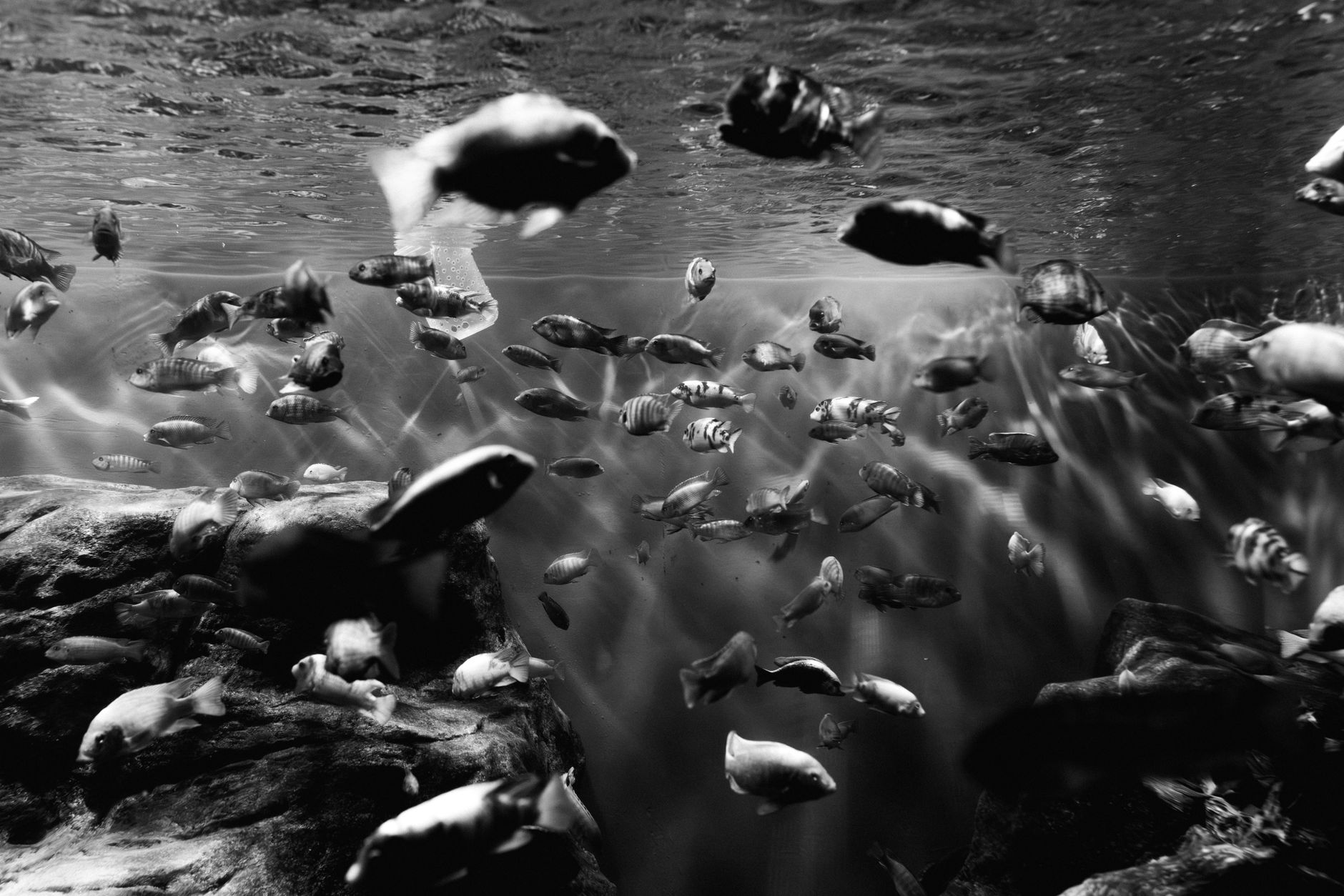
The diversity of fish species is reflected in the diversity of their depth preferences. Some examples illustrate this point.
- Largemouth Bass: Typically found in relatively shallow water, especially near vegetation or submerged structures. They are ambush predators that benefit from the cover provided in shallower areas.
- Trout: While they can be found in varying depths, trout generally prefer cooler, deeper water, especially during the warmer months. They often inhabit deeper pools in rivers and streams.
- Sunfish: These fish are often found in shallow, weedy areas, where they feed on insects and small invertebrates.
- Deep-Sea Anglerfish: These specialized fish live in the extreme depths of the ocean, where they have evolved unique adaptations for survival in the dark and high-pressure environment.
The Impact of Light Penetration
Light penetration is a crucial factor influencing fish distribution. Sunlight provides the energy for photosynthesis, which drives the food web in aquatic ecosystems. Shallow waters receive more sunlight, supporting greater plant growth and a more diverse array of organisms. This photic zone is typically teeming with life. As depth increases, light penetration decreases, limiting photosynthetic activity and altering the types of organisms that can survive. The aphotic zone is the dark, lightless region of the ocean, where organisms rely on other sources of energy, such as chemosynthesis or detritus.
Seasonal Variations in Depth Preference
Fish often adjust their depth preferences throughout the year in response to changing environmental conditions.
| Season | Typical Depth Preference Changes | Reason |
|---|---|---|
| :—— | :——————————- | :—————————————————————- |
| Spring | Shallow water (warming waters) | Spawning, increased insect activity |
| Summer | Deeper water (cooler temperatures) | Avoid overheating in shallow waters |
| Fall | Shallow water (cooling waters) | Feeding frenzy before winter, seeking warmer refuges |
| Winter | Deeper water (more stable temperatures) | Avoid freezing temperatures, reduced metabolism |
Understanding these seasonal shifts can be invaluable for anglers trying to locate fish.
Common Mistakes About Fish Depth Preferences
One common misconception is that all fish prefer deep water because it offers more protection. While some species do seek refuge in deeper waters, many thrive in shallower areas, where food is more abundant and the conditions are more favorable. Another mistake is assuming that deeper water is always colder. While this is generally true, temperature stratification can be complex, and thermoclines (layers of rapidly changing temperature) can occur at various depths. Understanding these complexities is crucial for accurate predictions about fish behavior.
The Role of Habitat Structure
Habitat structure, such as submerged logs, rocks, and vegetation, plays a significant role in fish depth preferences. These structures provide cover from predators, create ambush points for hunters, and offer refuge from strong currents. Fish often congregate around these structures, regardless of depth. The presence of suitable habitat structure can override other factors, such as temperature or oxygen levels.
Frequently Asked Questions (FAQs)
What is the thermocline, and how does it affect fish distribution?
The thermocline is a layer of water where the temperature changes rapidly with depth. It can act as a barrier to fish movement, as they may avoid crossing into significantly warmer or colder water. Fish often concentrate near the thermocline, where they can find a balance between temperature and oxygen levels.
Do all fish need oxygen?
Yes, all fish require oxygen to survive. They extract oxygen from the water through their gills. The amount of oxygen required varies depending on the species and their activity level. Fish in warmer water generally require more oxygen because their metabolism is higher.
Why do some fish migrate to shallow water to spawn?
Shallow water often provides the ideal conditions for spawning. The warmer temperatures can speed up egg development, and the presence of aquatic vegetation can provide cover and protection for the eggs and newly hatched fry.
Are there any fish that only live in shallow water?
Yes, many small fish species are adapted to living exclusively in shallow water environments. These include minnows, killifish, and some species of darters. These fish often have specialized adaptations for surviving in these environments, such as the ability to tolerate low oxygen levels or fluctuating water temperatures.
How do fish find their preferred depth?
Fish use a variety of cues to determine their depth, including pressure changes, light intensity, and temperature gradients. They also rely on their sensory systems, such as their lateral line, to detect changes in water pressure and vibrations.
Does water clarity affect fish depth preference?
Yes, water clarity plays a significant role. In clear water, fish may venture into deeper areas to avoid predators or seek cooler temperatures. In murky water, fish may prefer shallower areas, where they can more easily find food.
How does salinity influence fish depth?
Salinity, the amount of salt in the water, significantly impacts fish distribution and depth preference. Freshwater fish cannot survive in saltwater, and vice versa. Euryhaline fish can tolerate a wide range of salinities, allowing them to move between different depths and environments.
Do deep-sea fish have swim bladders?
Many deep-sea fish lack swim bladders because the extreme pressure at these depths would cause them to rupture. Instead, they have evolved other adaptations for maintaining buoyancy, such as oily livers or specialized fins.
Why do some fish change color at different depths?
Some fish species exhibit color changes as they move between different depths. This can be due to changes in light intensity, camouflage, or communication. For example, some deep-sea fish are bioluminescent, producing their own light to attract prey or confuse predators.
How does current affect where fish hang out at different depths?
Current plays a large role, as fish may seek refuge from strong currents in deeper pools or behind structures. Conversely, some fish prefer areas with strong currents because they deliver a constant supply of food.
Does the time of day affect which water depths fish inhabit?
Absolutely. Many fish exhibit diel vertical migration, moving to deeper waters during the day to avoid predators and returning to shallower waters at night to feed.
Are there fish that can tolerate extreme depths in the ocean?
Yes, certain species, such as the Mariana snailfish, can survive at the deepest depths of the ocean, including the Mariana Trench. These fish have evolved specialized adaptations to withstand the extreme pressure, lack of light, and limited food resources. They can withstand pressure over 1,000 times greater than at sea level.