

Why Owls are Considered Haram in Islam: Unveiling the Complexities
Some Islamic cultures consider owls unlucky or even haram, stemming from folklore and pre-Islamic beliefs associating them with bad omens. This belief is not universally accepted within Islam and has no basis in the Quran or Hadith.
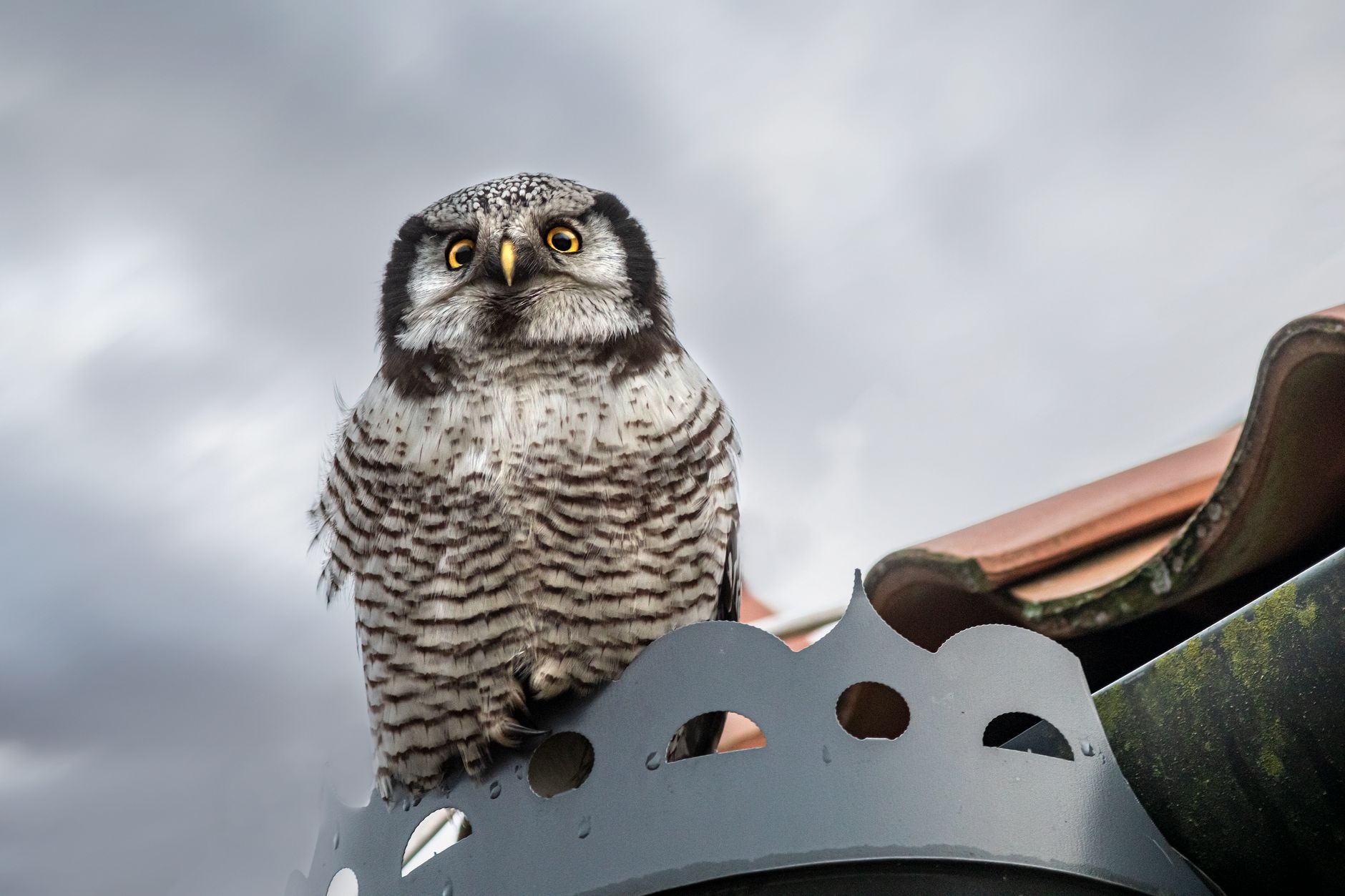
Introduction: The Mystery of the Owl’s Status
The question of Why are owls haram in Islam? is a complex one, rooted less in explicit religious doctrine and more in cultural interpretations and historical superstitions. Unlike the clear prohibitions outlined in the Quran regarding pork or alcohol, the owl’s status exists in a grey area. While the Quran and authentic Hadith contain no explicit statements deeming owls forbidden (haram), certain cultural beliefs within the Muslim world have led to their association with bad omens, ill fortune, and even the spirit world. Therefore, understanding the nuances between religious text and cultural practice is crucial to unraveling this intriguing issue. This article delves into the historical, cultural, and religious factors contributing to this perception, offering a balanced perspective on the owl’s controversial reputation.

What colours are fish most attracted to?
Can you put your finger in a trout's mouth?
Is methylene blue anti bacterial?
Does aquarium salt raise pH in aquarium?
The Role of Pre-Islamic Beliefs

Before the advent of Islam, the Arabian Peninsula was steeped in animistic and superstitious beliefs. Animals, including birds, were often seen as harbingers of good or bad fortune. Owls, being nocturnal creatures with distinctive calls and perceived association with ruins and graveyards, were frequently linked to bad omens, death, and the supernatural. These pre-Islamic superstitions, while officially discouraged by Islam, often persisted within local communities, influencing their attitudes toward certain animals, including the owl.
The Absence of Prohibition in Islamic Scripture
It’s important to emphasize that the Quran, the central religious text of Islam, does not explicitly forbid the consumption or interaction with owls. Similarly, the Hadith, which are accounts of the Prophet Muhammad’s sayings and actions, contains no such prohibition. In Islam, rulings on what is haram and halal (permissible) are primarily derived from these two sources. The absence of any clear scriptural basis suggests that the perceived haram status of owls is more a matter of cultural interpretation than religious decree.
Cultural Interpretations and Regional Variations
The perception of owls varies significantly across different regions of the Muslim world. In some cultures, owls are simply considered unusual or nocturnal creatures, while in others, they are viewed with suspicion or even fear.
- Middle East: In some parts of the Middle East, the owl’s hoot is considered a sign of impending death or misfortune.
- South Asia: Similar superstitions exist in South Asia, where owls are sometimes associated with black magic and evil spirits.
- Southeast Asia: In contrast, some Southeast Asian cultures view owls as symbols of wisdom and good luck.
These regional variations highlight the significant role of cultural context in shaping perceptions of animals, including owls.
Economic and Environmental Factors
In some rural communities, owls have been persecuted due to the mistaken belief that they prey on livestock. This has resulted in their being hunted or driven away from their natural habitats. Additionally, the destruction of natural habitats can further contribute to the decline of owl populations, reinforcing negative perceptions of their presence. Conservation efforts are crucial to debunking these myths and promoting a more balanced understanding of the owl’s role in the ecosystem.
The Importance of Islamic Scholarship
It’s essential to consult with knowledgeable Islamic scholars on matters of religious permissibility. Many scholars emphasize that there is no basis in Islamic law to deem owls haram based solely on cultural superstitions. They argue that such beliefs are contrary to the spirit of Islam, which encourages rational thought and discourages the acceptance of unfounded fears and superstitions.
Addressing Misconceptions
The key to dispelling negative perceptions of owls lies in education and awareness. By promoting accurate information about owls and their ecological role, we can challenge unfounded superstitions and foster a more positive and respectful attitude towards these fascinating creatures.
Here’s a table summarizing key points:
| Factor | Explanation |
|---|---|
| Quranic/Hadith Basis | None. No explicit prohibition exists. |
| Pre-Islamic Influences | Significant role of pre-existing superstitions associating owls with bad omens and the supernatural. |
| Cultural Interpretations | Highly variable across regions, ranging from fear and superstition to respect and appreciation. |
| Economic/Environmental Factors | Persecution due to mistaken beliefs about livestock predation and habitat destruction. |
| Scholarly Opinion | Most scholars agree there’s no valid Islamic basis for deeming owls haram. |
Frequently Asked Questions (FAQs)
Why are owls considered unlucky in some cultures?
Owls’ nocturnal habits, distinctive calls, and association with ruins and graveyards have historically led to their association with darkness, mystery, and death in various cultures. This association, rooted in pre-scientific understanding, often translates to the belief that they bring bad luck or misfortune.
Is it true that all Muslims believe owls are haram?
No, that is incorrect. It is not true that all Muslims believe owls are haram. The belief is limited to specific cultures and communities and does not represent a universal Islamic view. Many Muslims have no issue with owls whatsoever.
Does the Quran mention owls at all?
The Quran does not specifically mention owls either positively or negatively. This silence further reinforces the argument that the owl’s status is a matter of cultural interpretation rather than religious decree.
Are there any Islamic scholars who support the idea that owls are haram?
While some individuals may hold that view, there are no reputable Islamic scholars who base their opinion on sound Islamic principles or texts. Any such claim is likely rooted in cultural superstition rather than religious justification.
What should Muslims do if they encounter an owl?
There is no religious obligation on how to react when encountering an owl. Muslims should treat owls with respect and kindness, just as they would treat any other animal. Superstitious fear is discouraged.
Are owls considered unclean animals in Islam?
Owls are not considered unclean (najis) in Islam in the same way as pigs or dogs, which require specific purification rituals after contact.
Can Muslims keep owls as pets?
Keeping owls as pets is generally discouraged not because of religious prohibition, but because they are wild animals with specific needs that are difficult to meet in a domestic environment. Their welfare should be the primary concern.
Is it permissible to hunt owls in Islam?
Hunting owls for sport is generally discouraged in Islam, as it is considered a form of cruelty to animals. However, in certain situations, such as for legitimate pest control purposes and with appropriate licenses (where required), it might be permissible under specific conditions, according to some scholars. But generally, it is frowned upon.
How can we combat the negative perceptions of owls in Muslim communities?
Education is key. By promoting awareness about the ecological role of owls, debunking myths and superstitions, and highlighting their inherent beauty and value, we can challenge negative perceptions and foster a more positive attitude towards them.
Is it okay to use owl imagery in art or design?
There is no religious restriction on using owl imagery in art or design. Such representations are permissible as long as they do not promote harmful or superstitious beliefs.
Does consuming owl meat render a Muslim impure?
Since the Quran and Hadith do not explicitly permit or prohibit eating owl meat, its permissibility is debated among scholars. Some might consider it makruh (discouraged), while others may deem it permissible as long as the animal is slaughtered according to Islamic guidelines. The consumption itself does not render one impure, but the permissibility of eating the meat is what’s questioned.
What is the Islamic perspective on wildlife conservation, including the protection of owls?
Islam emphasizes the importance of environmental stewardship and the protection of all creatures. Protecting owls and their habitats aligns with this Islamic principle. Conserving wildlife is viewed as a moral obligation to safeguard the environment for future generations.