

How Many Eagles Exist? The Majestic Birds’ Population Numbers
The estimated global population of all eagle species combined is approximately tens of thousands, possibly exceeding 100,000 individual birds, but pinpointing an exact figure is extremely challenging due to varying survey methods, remote habitats, and the fluctuating status of different species.
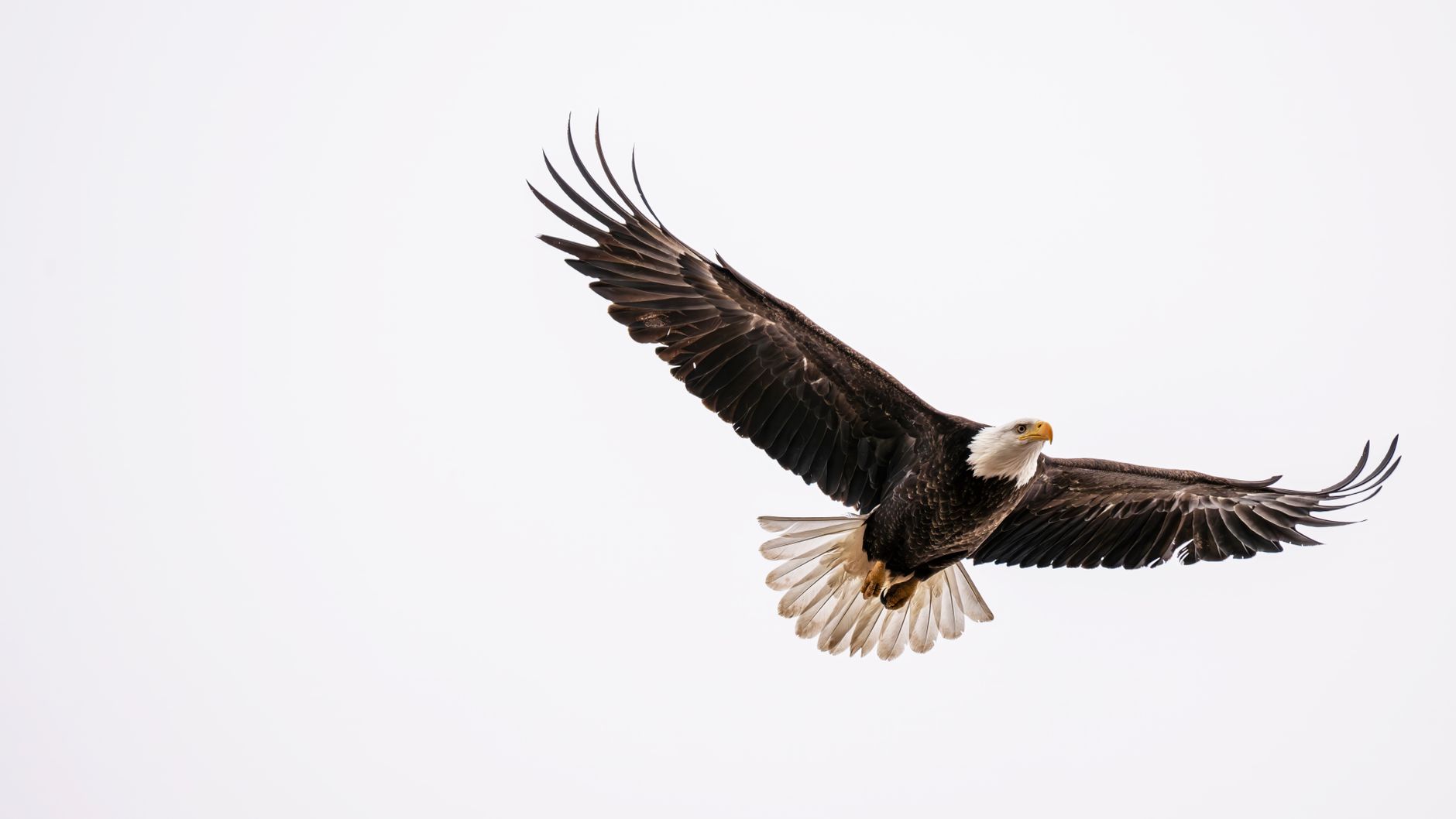
Understanding the Challenge of Eagle Population Estimates
Determining precise numbers for eagle populations is significantly more complex than counting, for example, migratory waterfowl concentrated in known areas. Eagles inhabit diverse environments, from dense forests to expansive grasslands and remote mountain ranges. Moreover, many species are sparsely distributed, making traditional counting methods ineffective. Furthermore, eagle populations are not static; they fluctuate due to factors such as habitat loss, prey availability, and human interference.

What colours are fish most attracted to?
Can you put your finger in a trout's mouth?
Is methylene blue anti bacterial?
Does aquarium salt raise pH in aquarium?
The Key Factors Influencing Eagle Population

Several crucial factors impact the size and stability of eagle populations globally. Understanding these is essential for accurately assessing the status of How many eagles exist?
- Habitat Loss: Deforestation, urbanization, and agricultural expansion decimate crucial nesting and foraging grounds.
- Prey Availability: Eagles are apex predators, dependent on healthy populations of fish, mammals, and birds. Changes in prey abundance directly impact eagle survival and reproduction.
- Human Interference: Hunting (both legal and illegal), poisoning (intentional and unintentional, often linked to agricultural practices), and disturbances at nest sites can severely threaten eagle populations.
- Climate Change: Shifting weather patterns, increased frequency of extreme weather events, and alterations in prey distribution can all negatively impact eagle populations.
- Pollution: Contaminants like DDT, PCBs, and mercury can accumulate in eagles through their prey, leading to reproductive impairment and other health problems.
Methods Used to Estimate Eagle Populations
Scientists employ a range of methods to estimate eagle populations. These techniques vary in accuracy and cost, depending on the species, habitat, and available resources.
- Aerial Surveys: Conducting counts from aircraft, focusing on nesting territories or migration routes.
- Ground Surveys: Conducting counts by observers on foot, often targeting specific nesting areas or foraging hotspots.
- Mark-Recapture Studies: Capturing, marking (e.g., with leg bands), and releasing eagles, then recapturing individuals later to estimate population size.
- Camera Trapping: Deploying remote cameras to monitor nests and identify individual eagles.
- Citizen Science Initiatives: Enlisting the help of volunteers to report eagle sightings and contribute to population monitoring efforts.
- Mathematical Modelling: Developing statistical models that incorporate data from various sources to estimate population trends.
Notable Eagle Species and Their Estimated Numbers
While a comprehensive census of all eagle species is unavailable, estimates exist for certain well-studied populations. Understanding the status of these species offers insights into the broader question of How many eagles exist?
| Species | Estimated Global Population | Conservation Status | Key Threats |
|---|---|---|---|
| Bald Eagle (Haliaeetus leucocephalus) | > 30,000 individuals | Least Concern | Historically DDT; now habitat loss, lead poisoning |
| Golden Eagle (Aquila chrysaetos) | > 170,000 individuals | Least Concern | Habitat loss, persecution, collisions with wind turbines |
| Steller’s Sea Eagle (Haliaeetus pelagicus) | ~ 5,000 individuals | Vulnerable | Habitat loss, overfishing, pollution |
| Philippine Eagle (Pithecophaga jefferyi) | ~ 400 individuals | Critically Endangered | Deforestation, hunting |
These figures are approximations based on the best available data. Population estimates for lesser-known eagle species are often much less precise.
Conservation Efforts and Their Impact
Numerous conservation initiatives aim to protect eagle populations and their habitats. These efforts play a critical role in mitigating threats and promoting population recovery. The continued success of these programs is paramount in ensuring How many eagles exist? remains a substantial number for generations to come.
- Habitat Protection: Establishing protected areas, such as national parks and wildlife refuges, to safeguard crucial eagle habitats.
- Anti-Poaching Measures: Enforcing laws against illegal hunting and trapping, and implementing programs to reduce human-wildlife conflict.
- Pollution Control: Reducing the use of harmful pesticides and other pollutants that can accumulate in eagles.
- Reintroduction Programs: Releasing captive-bred eagles into areas where populations have declined or disappeared.
- Education and Outreach: Raising public awareness about the importance of eagle conservation.
Frequently Asked Questions (FAQs)
What is the most common eagle species?
The Golden Eagle (Aquila chrysaetos) is generally considered the most widespread and common eagle species globally, with a large distribution across North America, Europe, Asia, and North Africa. Its adaptability to varied habitats contributes to its relative abundance.
What is the rarest eagle species?
The Philippine Eagle (Pithecophaga jefferyi) is widely recognized as one of the rarest and most endangered eagle species, with only a few hundred individuals remaining in the wild, exclusively in the Philippines.
How do scientists track eagle populations?
Scientists use a combination of methods, including aerial surveys, ground surveys, mark-recapture studies, and camera trapping, to monitor eagle populations. Advances in telemetry also allow scientists to track individual eagles’ movements and behavior.
Are eagle populations increasing or decreasing overall?
The trend varies by species. While some species, like the Bald Eagle, have shown remarkable recovery due to conservation efforts, others, such as the Philippine Eagle, continue to decline due to ongoing threats. The overall picture is mixed, highlighting the need for continued monitoring and targeted conservation strategies.
What is the biggest threat to eagles today?
While threats vary geographically, habitat loss is a major driver of eagle population decline globally. Other significant threats include poisoning (particularly lead), collisions with vehicles and wind turbines, and human disturbance at nest sites.
Do eagles migrate?
Some eagle species are migratory, while others are resident. The Bald Eagle, for example, exhibits migratory behavior in colder regions, moving south for the winter when food becomes scarce. Other species, like the Golden Eagle in some areas, remain in the same territory year-round.
How long do eagles typically live?
Eagles are long-lived birds, with an average lifespan in the wild ranging from 20 to 30 years or even longer. Captive eagles have been known to live for over 50 years.
What do eagles eat?
Eagles are carnivorous birds of prey that primarily feed on fish, mammals, and birds. Their diet varies depending on their species, habitat, and prey availability. Some eagles, like the Bald Eagle, are opportunistic scavengers, while others, like the Golden Eagle, are skilled hunters that actively pursue their prey.
How can I help protect eagles?
Supporting conservation organizations, reducing your use of pesticides, avoiding disturbance of nesting sites, and reporting any illegal activities (such as poaching) are all ways to help protect eagles.
Are all eagles protected by law?
Most eagle species are protected by law in their respective countries. In the United States, for example, the Bald and Golden Eagle Protection Act provides comprehensive protection for these birds. International treaties also offer protection to migratory eagles.
What is the role of eagles in the ecosystem?
Eagles are apex predators that play a crucial role in maintaining the health and balance of ecosystems. By controlling populations of prey species, they help to prevent overgrazing and maintain biodiversity. As scavengers, they also help to remove carcasses and prevent the spread of disease.
How does climate change affect eagles?
Climate change can impact eagles in several ways, including altering prey distribution, increasing the frequency of extreme weather events (which can damage nests and reduce reproductive success), and changing the availability of suitable habitat. These changes pose a significant threat to eagle populations. Understanding How many eagles exist? in the face of these challenges is more critical than ever.