
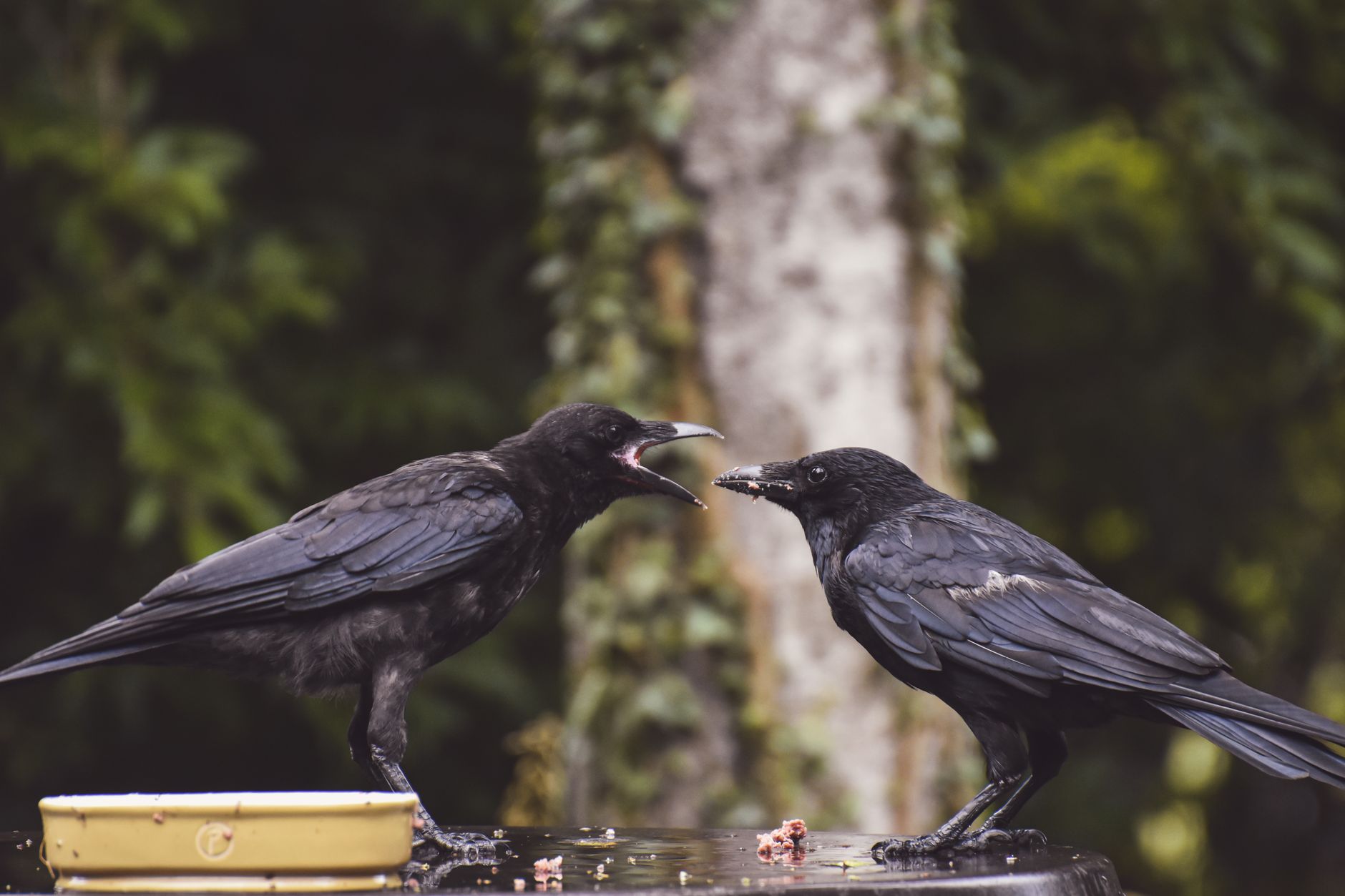
Should You Feed Black Crows? Exploring the Ethics and Ecology of Crow Feeding
The question of should you feed black crows? is complex. While it can strengthen bonds and provide a food source, it’s generally not recommended due to potential ecological imbalances and health concerns.

Introduction: The Intriguing World of Crow Feeding
Crows, those intelligent and charismatic corvids, have long captured our attention. Their glossy black plumage, clever problem-solving abilities, and distinctive calls make them fascinating creatures. Many people are drawn to the idea of feeding crows, hoping to observe them up close, perhaps even build a relationship with these often misunderstood birds. But should you feed black crows? It’s a question with nuanced answers, taking into account both the benefits and potential drawbacks.

What colours are fish most attracted to?
Can you put your finger in a trout's mouth?
Is methylene blue anti bacterial?
Does aquarium salt raise pH in aquarium?
The Allure of Crow Feeding: Why People Do It

Feeding wild animals often stems from a desire to connect with nature and provide assistance. With crows, the appeal is heightened by their intelligence and social behaviors. People may feed crows for various reasons:
- Enjoyment of observing them: Watching crows interact with food can be highly entertaining.
- Belief they are helping the birds: Especially during harsh weather, providing extra sustenance seems like a kind gesture.
- Building a relationship: Some individuals aim to establish a bond with local crows, becoming known as a reliable food source.
- Entertainment for pets: Some use feeding crows as a form of entertainment for their pets, such as dogs or cats.
Potential Downsides: The Risks of Feeding Crows
While the intentions behind feeding crows are often good, there are potential negative consequences that should be considered carefully.
- Dependence on humans: Regular feeding can cause crows to become overly reliant on human handouts, reducing their natural foraging abilities.
- Nutritional imbalances: Human food is often lacking in essential nutrients for crows and can even be harmful.
- Increased aggression: Feeding can concentrate crow populations in specific areas, leading to increased competition and aggression among birds.
- Attracting unwanted pests: Leftover food can attract other animals, such as rodents, raccoons, and other birds, creating nuisance problems.
- Disease transmission: Concentrating birds in feeding areas increases the risk of spreading diseases among them.
- Disrupting natural ecosystem balance: Artificially boosting crow populations can impact other species in the ecosystem, such as songbirds.
Ethical Considerations: Responsibility to Wildlife
The ethics of feeding wildlife are complex. While providing food may seem compassionate, it’s important to consider the long-term impacts on both the individual animals and the ecosystem as a whole. Our responsibility as stewards of the environment should guide our actions. Should you feed black crows? Think about whether your actions are truly benefiting the crows and the surrounding environment.
Responsible Alternatives: Supporting Crows in a Sustainable Way
Instead of directly feeding crows, consider these alternative ways to support them:
- Provide natural habitat: Plant native trees and shrubs that offer food and shelter for crows.
- Reduce pesticide use: Protect their natural food sources, such as insects and invertebrates.
- Support conservation efforts: Contribute to organizations that work to protect crow habitats and populations.
- Maintain a clean environment: Ensure there is no accessible trash that crows could potentially scavenge.
The Final Verdict: A Measured Approach
The answer to should you feed black crows? is not a simple yes or no. While occasional, supplemental feeding may seem harmless, the potential risks often outweigh the benefits. A more responsible approach involves supporting crows in a way that promotes their natural behaviors and the health of the ecosystem.
Frequently Asked Questions (FAQs)
What is the best food to feed crows if I choose to feed them anyway?
If you insist on feeding crows, offer unsalted nuts like peanuts or walnuts, or small pieces of cooked, unseasoned meat. Avoid bread, processed foods, and anything high in salt or sugar, as these can be harmful to their health.
Will feeding crows make them dependent on me?
Yes, regular feeding can lead to dependence, causing crows to rely on you as a primary food source. This can reduce their natural foraging instincts and make them vulnerable if you stop providing food.
Is it illegal to feed crows in my area?
It’s important to check your local regulations, as some municipalities have ordinances against feeding wildlife, including crows. These laws are often in place to prevent nuisance problems and protect public health.
How can I tell if the crows I’m feeding are healthy?
Healthy crows have bright, clear eyes, clean feathers, and move actively. If you notice signs of illness, such as lethargy, feather loss, or difficulty breathing, stop feeding them and contact a wildlife rehabilitator.
What if I only feed crows occasionally during the winter?
Even occasional feeding can have unintended consequences. While it might seem helpful during harsh weather, it can still disrupt their natural foraging patterns and potentially attract other unwanted animals. Consider alternative support methods such as planting native vegetation.
Will feeding crows attract more crows to my neighborhood?
Yes, feeding crows can attract more birds to your area, especially if food is consistently available. This can lead to increased noise, droppings, and competition with other birds.
Can crows transmit diseases to humans through feeding?
While the risk is low, crows can carry diseases that are transmissible to humans, such as West Nile virus. Avoid direct contact with crows and their droppings, and always wash your hands thoroughly after handling bird feeders or being in areas where crows congregate.
How do I stop feeding crows if I’ve already started?
Gradually reduce the amount of food you provide over time to allow the crows to adjust. This will minimize the impact on their ability to find food on their own.
What are some natural food sources for crows?
Crows are omnivores and eat a wide variety of foods, including insects, earthworms, fruits, seeds, nuts, and small animals. They also scavenge for carrion and garbage.
Does feeding crows affect other bird species?
Yes, increasing crow populations through feeding can negatively impact other bird species. Crows are known to prey on the eggs and young of songbirds, and increased competition for resources can further harm these populations.
How intelligent are crows, really?
Crows are among the most intelligent birds in the world, capable of using tools, solving complex problems, and recognizing human faces. Their cognitive abilities rival those of some primates.
Is it possible to build a positive relationship with crows without feeding them?
Yes, you can build a positive relationship with crows by simply observing them, learning about their behaviors, and respecting their space. Avoid direct interaction and focus on creating a healthy environment for them to thrive naturally.