
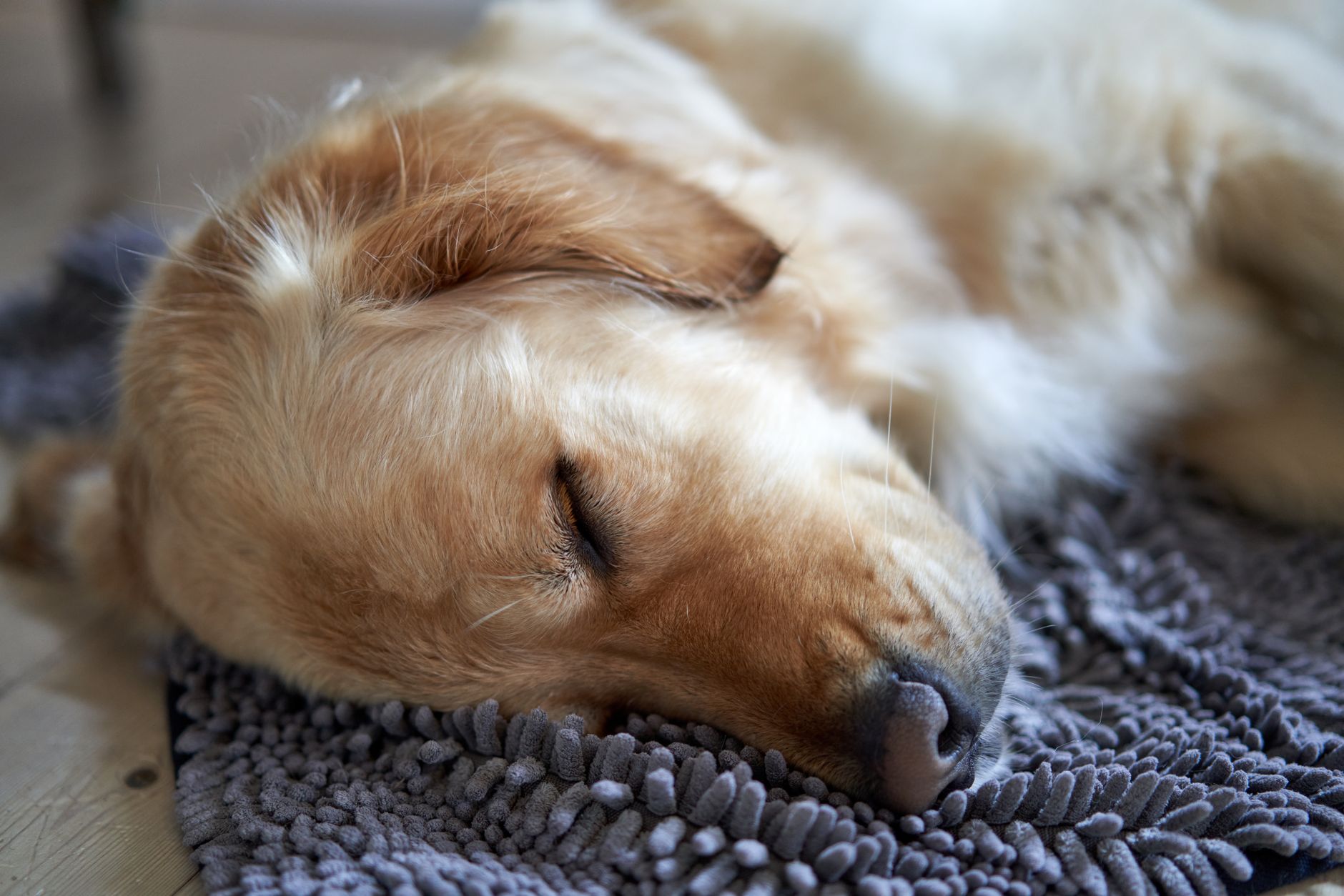
Are Dogs Day or Night Animals? Unraveling the Canine Circadian Rhythm
Dogs are primarily diurnal, or day-active, creatures, but their adaptability allows them to adjust their sleep-wake cycles to match their human companions’ schedules, making them crepuscular to some extent. Understanding their natural inclinations helps optimize their health and well-being.

Understanding Canine Activity Patterns: More Than Just Day or Night
The question of “Are dogs day or night animals?” is more nuanced than a simple yes or no. While dogs are generally considered diurnal, their activity patterns are far more flexible and complex than a truly day-active or night-active animal. Their evolutionary history and close relationship with humans have shaped their biological clocks to be highly adaptable.

Is distilled water good for goldfish?
What colours are fish most attracted to?
Can you put your finger in a trout's mouth?
Is methylene blue anti bacterial?
The Diurnal Default: Why Dogs Tend to be Daytime Creatures

Dogs, like their wolf ancestors, have a natural predisposition toward diurnal behavior. This means their internal biological clocks are set to be most active during daylight hours and to rest during the night. This is largely driven by the following factors:
- Light Exposure: Daylight is a primary synchronizer of the circadian rhythm. Exposure to sunlight helps regulate the production of melatonin, the hormone that promotes sleep, and cortisol, the hormone that promotes wakefulness.
- Hunting Patterns: While domesticated dogs don’t typically hunt for survival, their wolf ancestors historically hunted during the day, leveraging daylight for better visibility and strategic advantage.
- Social Interaction: Dogs are social creatures, and their activity is often tied to the activity of their social group, which in most cases, are humans who are predominantly active during the day.
The Crepuscular Twist: Embracing Dawn and Dusk
Although primarily diurnal, dogs exhibit crepuscular tendencies. This means they tend to be particularly active during dawn and dusk. This behavior can be traced back to their hunting heritage, as these are often prime times for predator or prey activity.
- Heightened Senses: Dogs’ senses are often sharper during these twilight hours, enabling them to detect subtle changes in their environment.
- Temperature Regulation: Dawn and dusk often provide more comfortable temperatures for activity compared to the heat of midday or the chill of night.
- Instinctual Drives: Even well-fed domesticated dogs may experience a surge of instinctual drives to explore and patrol during these times.
The Human Influence: Adaptation and the Modern Dog
The domestication process has significantly impacted canine activity patterns. Dogs have evolved to synchronize their sleep-wake cycles with those of their human companions. This means many dogs adapt to be active when their owners are active, regardless of the time of day.
- Feeding Schedules: Regular mealtimes, dictated by human schedules, influence a dog’s activity levels.
- Walks and Play: Walks and playtime are key components of a dog’s day, scheduled by humans, determining their activity periods.
- Companionship: The desire to be near their human family encourages dogs to adjust to their routines, even if it means being awake or asleep at times that don’t perfectly align with their natural instincts.
Comparing Canine Activity to Other Animals
| Animal | Activity Pattern | Primary Drivers |
|---|---|---|
| :——— | :————— | :——————————————————— |
| Dog | Diurnal/Crepuscular | Light, Social Interaction, Human Schedule, Hunting Instincts |
| Cat | Crepuscular | Hunting, Prey Availability, Temperature |
| Owl | Nocturnal | Hunting, Low-Light Vision, Prey Avoidance |
| Human | Diurnal | Light, Social Schedules, Work Requirements |
Supporting a Healthy Canine Sleep Schedule
Whether a dog leans more toward diurnal or crepuscular behavior, supporting a healthy sleep schedule is crucial for their overall well-being. Here are some tips:
- Establish a Routine: Consistent feeding, walking, and bedtime schedules help regulate their internal clock.
- Provide a Comfortable Sleep Environment: A quiet, dark, and comfortable bed can promote restful sleep.
- Ensure Adequate Exercise: Regular physical activity helps tire them out and promotes better sleep.
- Manage Light Exposure: Minimize exposure to artificial light at night and maximize exposure to sunlight during the day.
- Consult a Veterinarian: If you notice persistent sleep disturbances or unusual activity patterns, consult a veterinarian to rule out any underlying medical conditions.
Frequently Asked Questions
Can dogs see in the dark?
Yes, dogs have better night vision than humans due to a specialized layer in their eyes called the tapetum lucidum, which reflects light back through the retina. However, their vision isn’t perfect in complete darkness; they still need some ambient light to see.
Are puppies more active at night?
Puppies may exhibit more erratic sleep patterns than adult dogs, including increased activity at night. This is due to their developing nervous system and smaller bladder capacity, requiring more frequent potty breaks. Consistent training and routine can help establish a more regular sleep schedule.
Do older dogs sleep more?
Yes, older dogs typically sleep more than younger dogs due to age-related changes, such as decreased activity levels, joint pain, and cognitive decline. Providing a comfortable and supportive bed can improve their sleep quality.
What are the signs of sleep deprivation in dogs?
Signs of sleep deprivation in dogs include increased irritability, decreased appetite, reduced focus, and lethargy. Addressing underlying medical conditions and ensuring a consistent sleep schedule are crucial to alleviating sleep deprivation.
Can dogs dream?
Yes, research suggests that dogs do dream, similar to humans. They experience rapid eye movement (REM) sleep, which is associated with dreaming. You might observe twitching, paddling, or vocalizations during their sleep, indicating they are dreaming.
Is it normal for dogs to snore?
Snoring in dogs is common, especially in brachycephalic breeds (those with short noses, like Bulldogs and Pugs). However, excessive snoring or difficulty breathing during sleep can indicate a medical condition that requires veterinary attention.
How much sleep do dogs need?
On average, adult dogs need 12-14 hours of sleep per day, while puppies and senior dogs may need even more. Individual sleep needs can vary based on breed, age, activity level, and health status.
What causes sleep disturbances in dogs?
Sleep disturbances in dogs can be caused by various factors, including medical conditions (e.g., arthritis, pain), anxiety, environmental changes, noise, and inconsistent routines. Identifying and addressing the underlying cause is essential for restoring healthy sleep.
Are dogs nocturnal hunters?
“Are dogs day or night animals?” While their wolf ancestors occasionally hunted at night, the modern domestic dog is not a primarily nocturnal hunter. As discussed above, they display crepuscular behaviours, which mean they are most active during dawn and dusk hours.
How do I establish a regular sleep schedule for my dog?
To establish a regular sleep schedule, create a consistent daily routine that includes feeding, walking, playtime, and bedtime. Provide a comfortable sleep environment, minimize exposure to artificial light at night, and avoid stimulating activities close to bedtime.
Can diet affect my dog’s sleep?
Yes, diet can affect your dog’s sleep. A balanced diet with adequate protein and essential nutrients can support healthy sleep. Avoid feeding your dog large meals or stimulating treats close to bedtime.
What can I do if my dog is afraid of the dark?
If your dog is afraid of the dark, provide a night light in their sleeping area to reduce anxiety. You can also use calming aids, such as pheromone diffusers or calming supplements, and create a safe and comfortable space for them to sleep.