
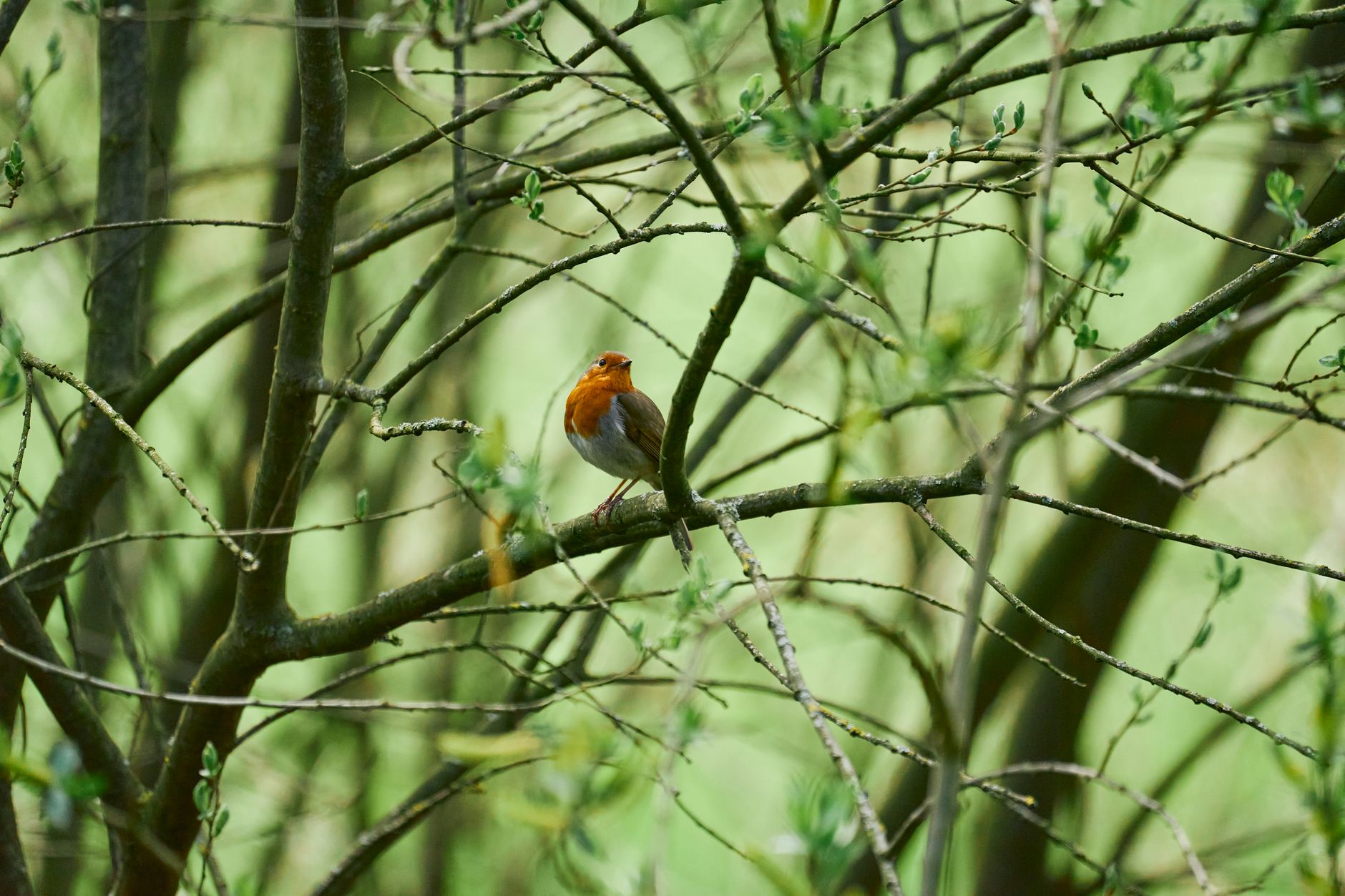
How Long Will Robins Stay in the Nest? A Complete Guide
How long will robins stay in the nest? Young robins, also known as fledglings, typically remain in the nest for 13 to 14 days before leaving to explore the world, though this can vary slightly depending on factors like food availability and predator pressure.

A Robin’s Nest: A Temporary Home
The American robin, a familiar sight across North America, builds intricate nests to nurture its young. These nests, typically constructed in trees or shrubs, represent a safe haven for developing robins until they are ready to face the challenges of the outside world. Understanding the factors that influence the nestling period is crucial for appreciating the robin’s life cycle.
What colours are fish most attracted to?
Can you put your finger in a trout's mouth?
Is methylene blue anti bacterial?
Does aquarium salt raise pH in aquarium?
The Nestling Period: A Time of Rapid Growth
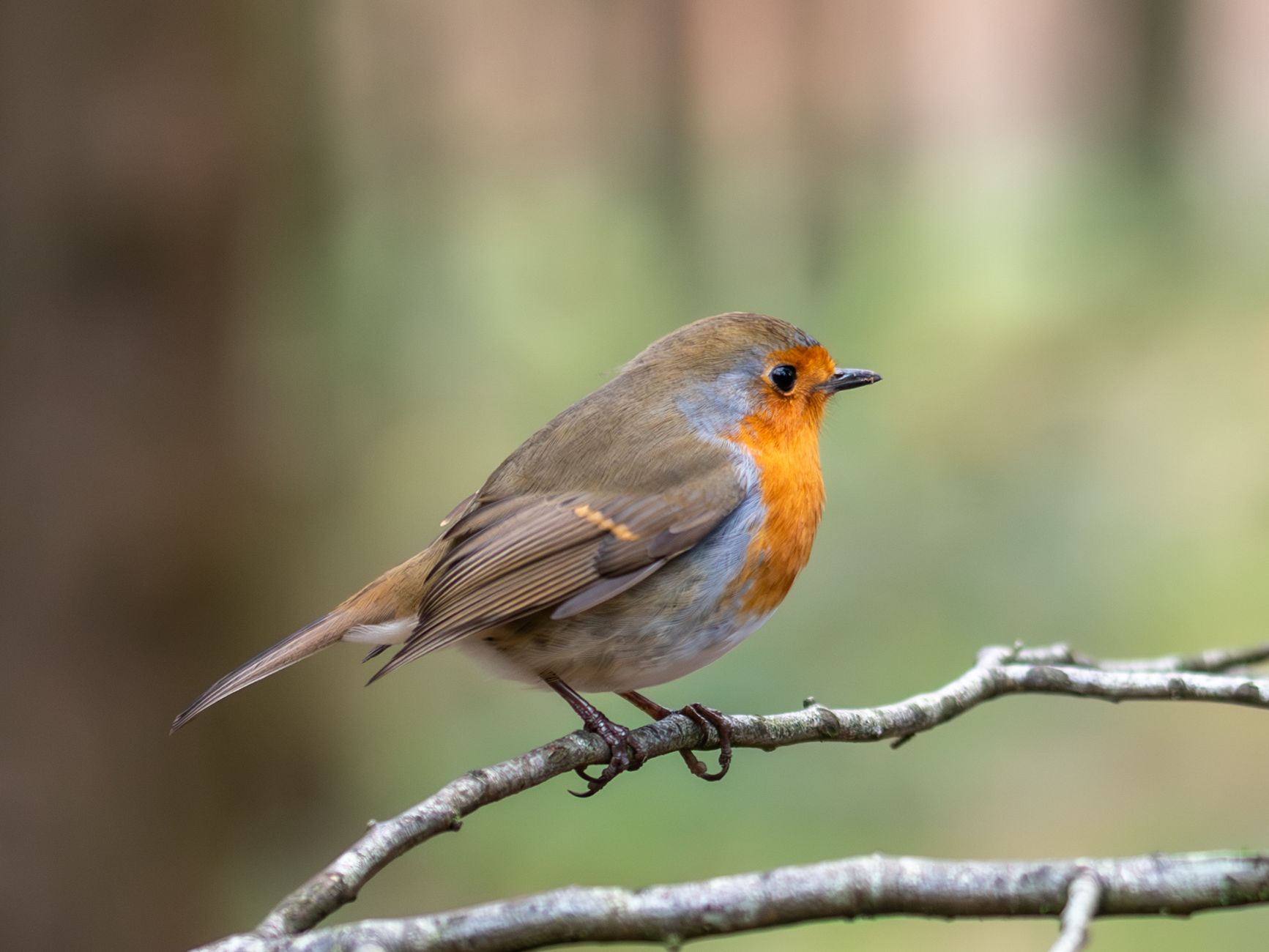
The nestling period is a critical phase in a robin’s life. During this time, the young birds undergo rapid growth and development, transforming from helpless hatchlings into miniature versions of their parents. This growth is entirely dependent on the parents’ tireless efforts to provide food.
Factors Influencing Fledgling Departure
Several factors can influence how long will robins stay in the nest?:
-
Food Availability: A plentiful food supply, delivered consistently by the parents, can accelerate the nestlings’ development and potentially shorten the time they spend in the nest. Conversely, food scarcity can delay their departure.
-
Predator Pressure: High levels of predator activity, such as from cats, squirrels, or raptors, can sometimes prompt young robins to fledge earlier than they might otherwise. This is a survival strategy, as staying in a nest that is under constant threat increases the risk of predation.
-
Weather Conditions: Severe weather, such as heavy rain or prolonged heat waves, can negatively impact nestling development and potentially affect the timing of fledging. Unfavorable conditions may lead to delayed development, while extreme heat could encourage earlier departure to escape the nest’s confines.
-
Individual Variation: Just like humans, individual robins develop at slightly different rates. Some nestlings may be naturally more precocious than others, leading to slight variations in the fledging period.
What Happens After Leaving the Nest?
Fledging doesn’t mean independence. Young robins are still reliant on their parents for several weeks after leaving the nest. The parents continue to feed and protect them, teaching them essential survival skills like foraging and predator avoidance. The fledglings’ calls signal their location to the parents, ensuring they receive the necessary care.
Common Mistakes in Nest Observation
When observing robin nests, it’s crucial to avoid disturbing the birds or their habitat.
- Getting Too Close: Approaching a nest too closely can stress the parents and even cause them to abandon the nest.
- Leaving a Scent Trail: Human scent can attract predators to the nest.
- Interfering with the Nest: Never attempt to move or touch the nest or the young birds.
| Do | Don’t |
|---|---|
| Observe from a distance. | Approach the nest too closely. |
| Use binoculars for a better view. | Leave a scent trail near the nest. |
| Report any signs of distress to wildlife experts. | Interfere with the nest in any way. |
Frequently Asked Questions (FAQs)
What do young robins eat in the nest?
Young robins primarily eat insects and earthworms that are brought to them by their parents. The parents work tirelessly to provide a constant supply of protein-rich food, essential for the rapid growth and development of the nestlings.
How can I tell if a baby robin is ready to leave the nest?
A baby robin that is ready to leave the nest will be almost fully feathered and able to perch on the edge of the nest. It will also be increasingly active, flapping its wings and exploring its surroundings. The fledgling will be nearly the size of an adult.
Is it normal for baby robins to leave the nest before they can fly well?
Yes, it is perfectly normal for baby robins to leave the nest before they are fully capable of flight. They will flutter and hop around on the ground for several days after fledging, gradually improving their flying skills under the watchful eyes of their parents.
What should I do if I find a baby robin on the ground?
If you find a baby robin on the ground, the first thing to do is determine if it is injured. If the bird appears healthy and feathered, the best course of action is to leave it alone, as its parents are likely nearby and still caring for it. If the bird is injured or appears abandoned, contact a local wildlife rehabilitator.
How often do robins feed their young?
Robin parents are incredibly dedicated and may feed their young every few minutes during daylight hours. This constant feeding ensures that the nestlings receive the necessary nourishment for their rapid growth.
What dangers do young robins face after leaving the nest?
Young robins face numerous dangers after leaving the nest, including predation by cats, dogs, and birds of prey. They are also vulnerable to vehicle traffic and exposure to the elements.
Can I put a baby robin back in its nest?
If you find a baby robin that has fallen from the nest, it is generally safe to gently place it back in the nest, if you can reach it. Contrary to popular belief, the parents will not abandon the chick because it has been touched by humans.
Do robins have more than one brood per year?
Yes, robins typically have two to three broods per year, depending on the location and the availability of resources. This allows them to maximize their reproductive success during the breeding season.
How long does it take for a robin egg to hatch?
Robin eggs typically incubate for 12 to 14 days before hatching. The female robin is primarily responsible for incubation, though the male may occasionally assist.
What time of year do robins typically nest?
Robins typically begin nesting in the spring, with the breeding season lasting from April to July in many parts of North America.
Where do robins build their nests?
Robins build their nests in a variety of locations, including trees, shrubs, and even man-made structures such as window ledges and gutters. They prefer sites that offer protection from the elements and predators.
Are robin nests reused from year to year?
Generally, robins do not reuse their nests from previous years. They typically build a new nest for each brood, although they may use materials from old nests to construct the new ones. Understanding how long will robins stay in the nest? provides valuable insight into their entire nesting cycle.