

What Does Rabies Look Like in Dogs? Decoding the Deadly Disease
What does rabies look like in dogs? The manifestation of rabies in dogs varies, but generally presents with behavioral changes, paralysis, and eventually death; it’s crucial to understand these signs for prompt action and protection.
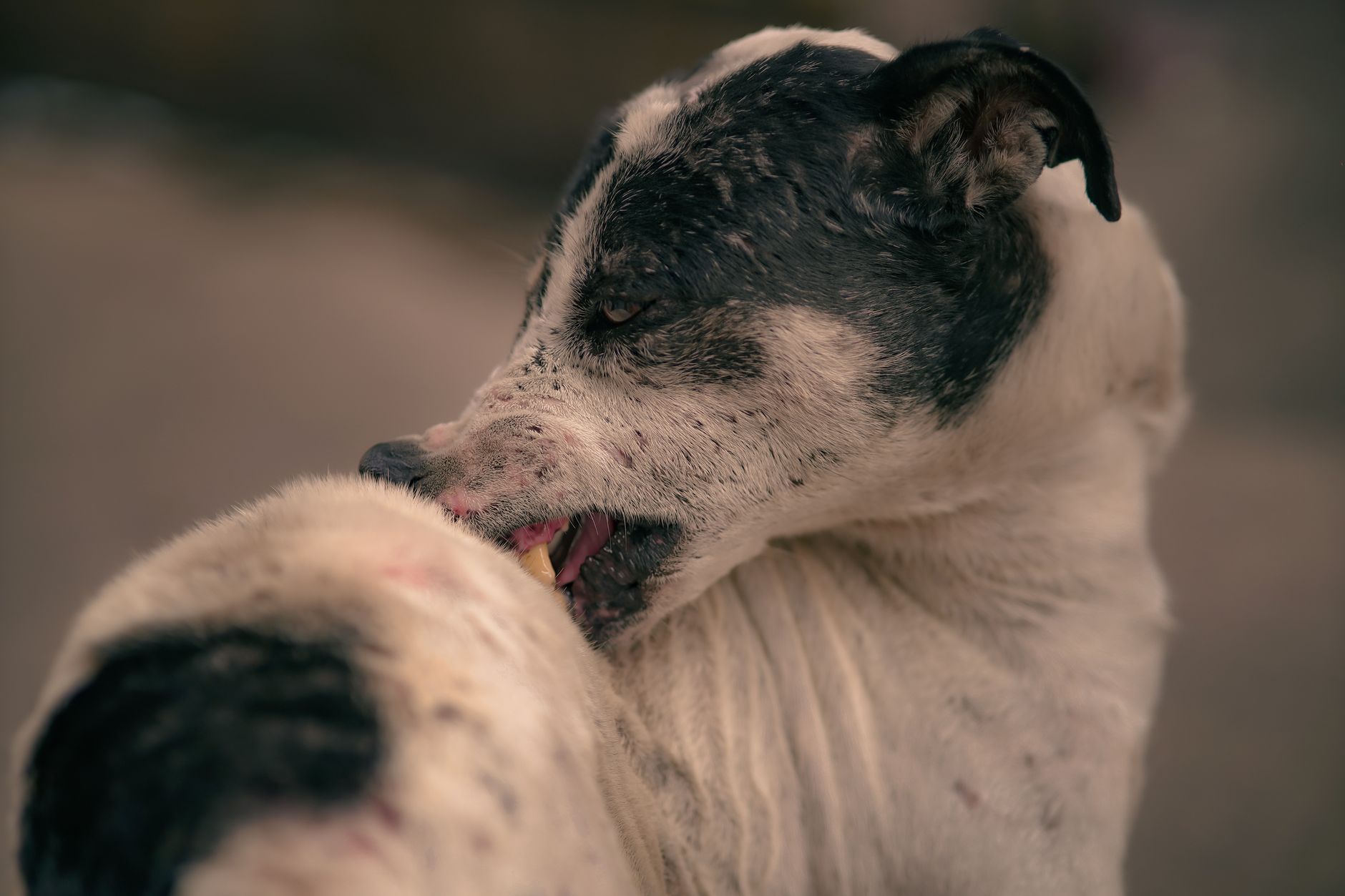
Introduction: The Threat of Rabies and Canine Health
Rabies, a devastating viral disease of mammals, including dogs, poses a significant threat to both animal and human health globally. While vaccination efforts have significantly reduced its prevalence in domesticated animals in many developed countries, it remains a concern, particularly in areas with large populations of unvaccinated animals. Understanding what rabies looks like in dogs is paramount for responsible pet ownership, public safety, and effective disease control. Recognizing the early signs, knowing the progression of the disease, and understanding preventative measures are all critical components in mitigating the risks associated with this deadly virus.

What colours are fish most attracted to?
Can you put your finger in a trout's mouth?
Is methylene blue anti bacterial?
Does aquarium salt raise pH in aquarium?
Understanding the Rabies Virus
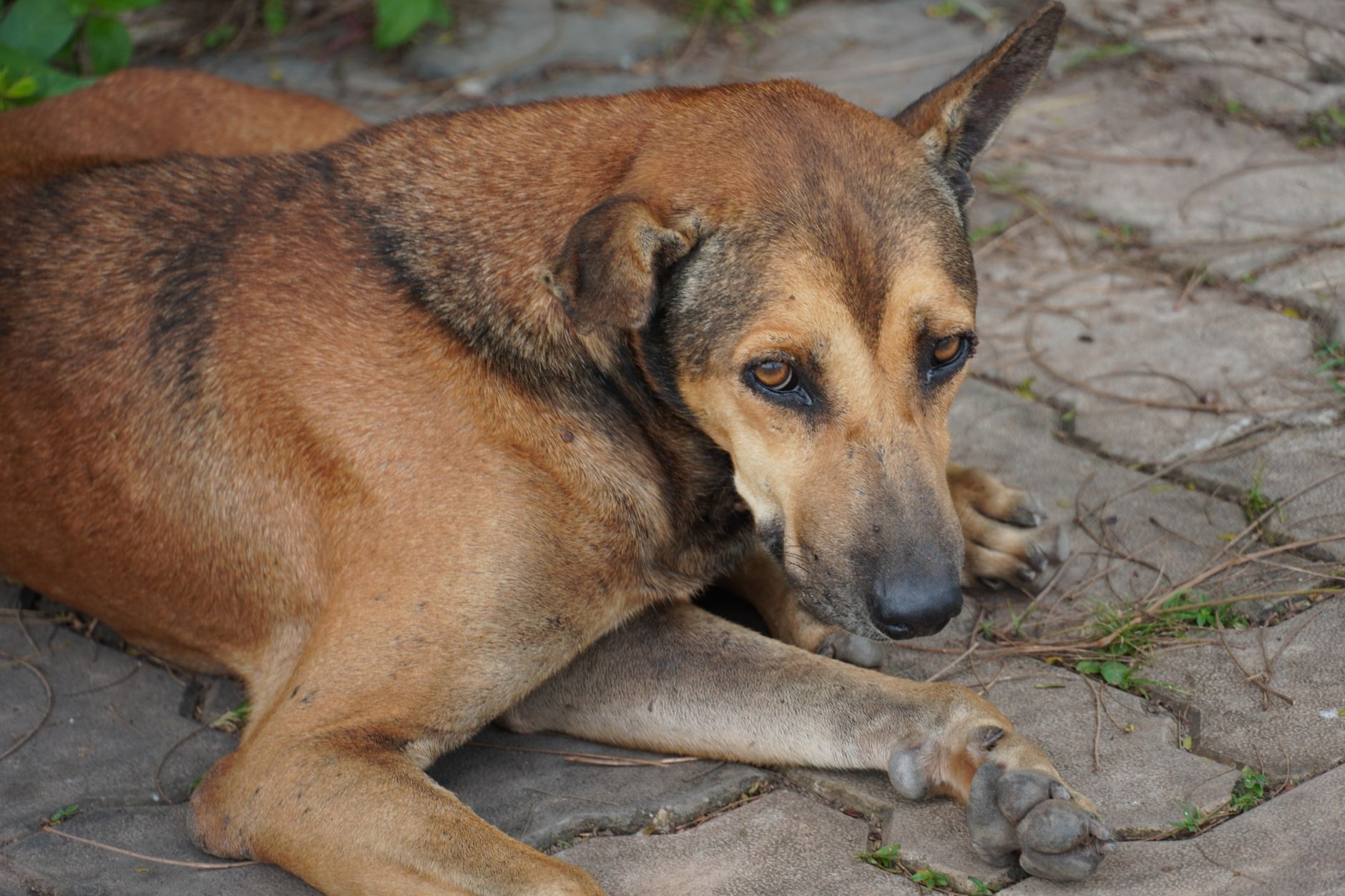
Rabies is caused by a virus belonging to the Lyssavirus genus, primarily transmitted through the saliva of infected animals, most commonly through bites. Once the virus enters the body, it travels through the peripheral nerves to the central nervous system, including the brain. This invasion of the nervous system causes the characteristic neurological symptoms observed in rabid animals. The incubation period, the time between exposure and the onset of symptoms, can vary greatly, ranging from weeks to months, depending on factors such as the location of the bite, the amount of virus introduced, and the individual animal’s immune response.
The Phases of Rabies in Dogs
Rabies in dogs typically progresses through three distinct phases: the prodromal phase, the furious phase, and the paralytic phase. It’s important to remember that not all dogs will exhibit all three phases, and the progression can be variable.
-
Prodromal Phase: This is the initial phase, characterized by subtle behavioral changes that may be easily overlooked. These can include:
- Changes in temperament (e.g., a friendly dog becoming withdrawn or irritable)
- Restlessness or anxiety
- Fever
- Loss of appetite
- Licking or biting at the site of the bite wound.
-
Furious Phase: This is the most recognizable phase, marked by dramatic and aggressive behavior. The dog may exhibit:
- Extreme irritability and aggression
- Unprovoked attacks on people, animals, or objects
- Restlessness and disorientation
- Hypersensitivity to stimuli (e.g., light, sound)
- Seizures
- Changes in vocalization (e.g., howling, barking with an altered tone)
- Roaming widely
-
Paralytic (Dumb) Phase: This phase is characterized by progressive paralysis, which typically begins in the limbs and gradually spreads throughout the body. Symptoms include:
- Weakness and incoordination
- Drooling
- Difficulty swallowing
- Paralysis of the facial muscles, giving the dog a characteristic “dropped jaw” appearance
- Respiratory failure, eventually leading to death.
Diagnostic Challenges: Identifying Rabies Symptoms
Diagnosing rabies in dogs can be challenging, particularly in the early stages, as the symptoms can be subtle and mimic other conditions. Moreover, definitive diagnosis requires post-mortem examination of brain tissue. During the dog’s life, a veterinarian might perform tests to rule out other possible causes of the symptoms. In the event of a bite to a human, rabies is suspected and reported, and decisions are made about quarantine or, in certain situations, euthanasia and testing.
Prevention is Key: Vaccination and Responsible Pet Ownership
The most effective way to prevent rabies in dogs is through vaccination. Rabies vaccines are highly effective and readily available. Responsible pet ownership also plays a crucial role in preventing the spread of rabies. This includes:
- Keeping pets up-to-date on their rabies vaccinations.
- Supervising pets when they are outdoors.
- Avoiding contact with wild animals, especially those that appear sick or behave strangely.
- Reporting any animal bites or scratches to a healthcare professional and animal control authorities.
Common Misconceptions About Rabies
There are several misconceptions surrounding rabies. One common misconception is that only wild animals carry rabies. While wild animals, such as bats, raccoons, skunks, and foxes, are primary reservoirs of the virus, unvaccinated dogs can also contract and transmit the disease. Another misconception is that rabies is easily diagnosed in living animals. Definitive diagnosis requires post-mortem testing, making prompt reporting of suspected cases and preventative measures essential.
What To Do If You Suspect Your Dog Has Rabies
If you suspect your dog has rabies, immediate action is crucial:
- Isolate your dog: Keep it away from other animals and people.
- Contact your veterinarian immediately: Describe the symptoms and explain your suspicion.
- Contact your local animal control: They can provide guidance and assist with the situation.
- Do not attempt to handle the dog yourself: Rabies is transmitted through saliva, so avoid any contact with the dog’s saliva or other bodily fluids.
Frequently Asked Questions (FAQs)
What are the very first signs of rabies in a dog?
The earliest signs of rabies in dogs are often subtle and can be easily missed. They may include changes in temperament, such as increased irritability or withdrawal, restlessness, fever, and a loss of appetite. The dog may also lick or bite at the site of the bite wound where they contracted the disease.
How quickly can rabies kill a dog?
Once clinical signs of rabies appear, the disease progresses rapidly. Death typically occurs within 7 to 10 days after the onset of symptoms. The speed of progression depends on factors like the viral load and the dog’s immune system.
Can a dog recover from rabies?
Unfortunately, rabies is almost always fatal in unvaccinated animals. There have been a few anecdotal reports of possible survival in humans, but the survival rate is near zero. There is no effective treatment for rabies once symptoms have developed.
Is rabies transmitted through saliva only?
Yes, rabies is primarily transmitted through the saliva of an infected animal. This usually occurs through a bite, but the virus can also enter the body through open wounds or mucous membranes (e.g., eyes, nose, mouth) if exposed to infected saliva.
How long is a dog contagious with rabies?
A dog with rabies is considered contagious from a few days before the onset of symptoms until the time of death. The virus is present in the saliva during this period, making any contact with saliva a potential route of transmission.
Can a vaccinated dog get rabies?
While rabies vaccines are highly effective, no vaccine is 100% effective. A vaccinated dog can, theoretically, contract rabies, but the risk is significantly reduced. Regular booster vaccinations are essential to maintain immunity.
What happens if my dog bites someone and isn’t vaccinated for rabies?
If an unvaccinated dog bites someone, the dog will typically be placed under quarantine for a period of observation, usually 10 days, to see if it develops any signs of rabies. The bite victim should also seek medical attention to assess the risk of rabies exposure and determine if post-exposure prophylaxis (PEP) is necessary.
What is the 10-day quarantine period for after a bite?
The 10-day quarantine period is a standard protocol for observing dogs that have bitten humans. If the dog remains healthy and shows no signs of rabies during this period, it can be assumed that the dog did not transmit the virus at the time of the bite.
Are certain dog breeds more susceptible to rabies?
No, there is no evidence to suggest that certain dog breeds are more susceptible to rabies than others. Susceptibility to the disease depends more on vaccination status and exposure to the virus than on breed.
How can I protect my dog from rabies in the wilderness?
To protect your dog from rabies in the wilderness, ensure your dog is up-to-date on its rabies vaccination. Keep your dog leashed and under control to prevent encounters with wild animals. Avoid areas known to have a high incidence of rabies.
Can rabies be prevented after exposure?
Yes, rabies can be prevented after exposure through a series of vaccinations and immunoglobulin injections known as post-exposure prophylaxis (PEP). PEP is highly effective if administered promptly after exposure, ideally within 24-48 hours.
What is the cost of rabies treatment for dogs?
While there is no treatment for rabies itself once symptoms appear, post-exposure prophylaxis (PEP) for humans after a bite from a suspected rabid animal can be costly, varying depending on location and insurance coverage. The cost of rabies vaccination for dogs is relatively low and is a far more effective and affordable preventative measure.