

Can You Keep Snakes From the Wild? The Ethical and Legal Considerations
Can you keep snakes from the wild? The short answer is generally no, both ethically and legally. Removing snakes from their natural habitat disrupts ecosystems and is often illegal, making responsible reptile ownership a key focus.

The Allure of Wild Snakes: A Dangerous Temptation
The fascination with snakes is undeniable. Their sleek bodies, diverse patterns, and mysterious behaviors have captivated humans for centuries. This fascination sometimes translates into a desire to possess a wild snake, bringing a piece of nature into the home. However, this desire is fraught with ethical and practical problems.
What is the GREY African clawed frog?
Is distilled water good for goldfish?
What colours are fish most attracted to?
Can you put your finger in a trout's mouth?
Why Taking Snakes from the Wild is Generally a Bad Idea

Removing a snake from its natural habitat has significant negative consequences. It disrupts the delicate balance of the ecosystem, potentially impacting prey populations, predator populations, and even the health of the plant life reliant on these interactions. Beyond ecological concerns, wild-caught snakes often struggle to adapt to captivity, leading to health problems and premature death.
- Ecological Impact: Removal disrupts the food chain and local biodiversity.
- Ethical Considerations: Snakes deserve to live freely in their natural environment.
- Practical Challenges: Wild snakes are difficult to care for and prone to stress in captivity.
Legal Considerations: Know the Law
Before even considering keeping a wild snake, it’s crucial to understand the legal landscape. Laws vary widely depending on your location and the specific species of snake. Many regions have strict regulations prohibiting the capture, possession, or sale of native wildlife. Penalties for violating these laws can range from fines to imprisonment.
- Federal Laws: May protect endangered or threatened species.
- State/Provincial Laws: Often govern the possession of native reptiles.
- Local Ordinances: Can further restrict reptile ownership within specific areas.
Always research and comply with all applicable laws before considering reptile ownership. Ignorance of the law is not an excuse.
The Challenges of Keeping Wild-Caught Snakes in Captivity
Successfully keeping a snake in captivity requires providing an environment that closely mimics its natural habitat. This includes controlling temperature, humidity, and lighting, as well as providing appropriate food and substrate. Wild-caught snakes often find it difficult to adjust to these artificial conditions.
- Stress: Capture and confinement are highly stressful for wild animals.
- Feeding Problems: Wild snakes may refuse to eat commercially available food.
- Parasites and Diseases: Wild-caught snakes often carry parasites and diseases that can be difficult to treat.
- Adaptation Issues: Failure to acclimate to a captive environment leads to high mortality rates.
The Benefits of Opting for Captive-Bred Snakes
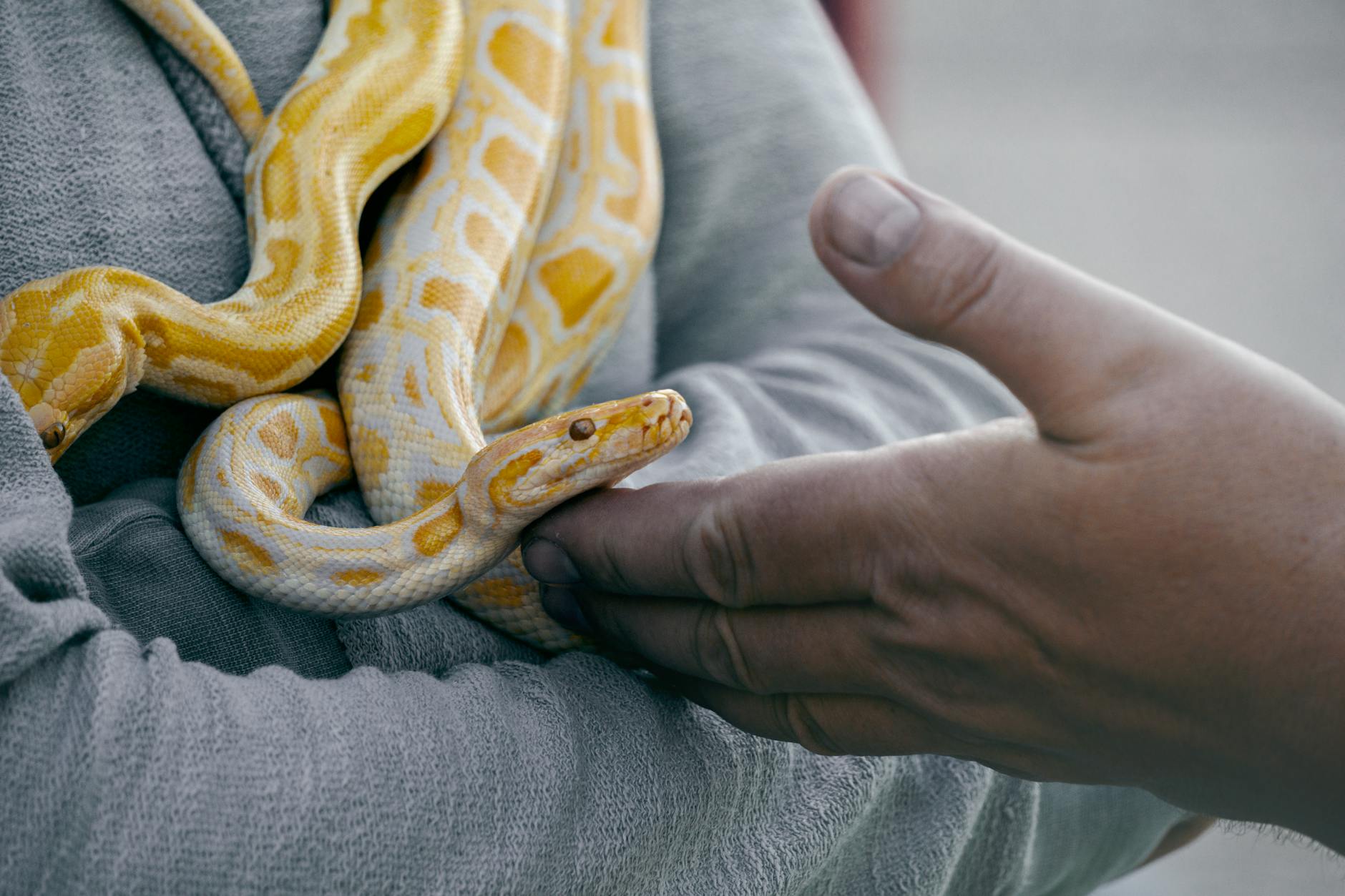
Instead of capturing a wild snake, consider acquiring a captive-bred individual. Captive-bred snakes are accustomed to human interaction and are generally healthier and easier to care for. They are also less likely to carry parasites or diseases. Buying from a reputable breeder also helps support ethical and sustainable reptile keeping practices.
| Feature | Wild-Caught Snakes | Captive-Bred Snakes |
|---|---|---|
| Health | Often stressed, may carry parasites | Generally healthier, parasite-free |
| Temperament | Can be defensive or aggressive | Usually more docile and handleable |
| Adaptability | Struggles to adapt to captivity | Adapts readily to a captive environment |
| Ethical Concerns | Removing from the wild impacts ecosystem | Supports ethical breeding practices |
Responsible Reptile Ownership: A Commitment to Welfare
Reptile ownership is a serious responsibility. It requires a significant commitment of time, money, and effort. Before acquiring any snake, carefully research its specific needs and ensure that you can provide a suitable environment. Be prepared to invest in the necessary equipment, including a properly sized enclosure, heating and lighting systems, and appropriate substrate. Regular veterinary care is also essential.
The Alternative: Appreciating Snakes in Their Natural Habitat
Instead of attempting to capture and confine a wild snake, consider appreciating these fascinating creatures in their natural environment. Observe them from a safe distance, take photographs, and learn about their role in the ecosystem. This approach allows you to enjoy the beauty and wonder of snakes without harming them or disrupting their habitat. Support conservation efforts aimed at protecting snake populations and their habitats.
Frequently Asked Questions About Keeping Wild Snakes
Can you keep snakes from the wild?
Absolutely not. While the allure of possessing a wild snake is understandable, it is almost always illegal and unethical. Opt for captive-bred options instead, supporting ethical practices.
What are the legal ramifications of keeping a wild snake?
The legal consequences of possessing a wild snake vary widely depending on your location and the species in question. You could face significant fines, jail time, or both. Always check local, state, and federal laws before considering reptile ownership.
Why is it unethical to keep a wild snake?
Keeping a wild snake disrupts the delicate balance of the ecosystem and inflicts undue stress on the animal. Snakes taken from the wild often struggle to adapt to captivity, leading to health problems and premature death.
Are there any exceptions to the rule of not keeping wild snakes?
In rare cases, individuals with proper permits and expertise may be allowed to rescue and rehabilitate injured or orphaned snakes. However, the goal is always to return the snake to its natural habitat once it is healthy enough.
How do I identify a snake species to determine if it’s protected?
Consult reputable field guides, websites, and herpetological societies for accurate snake identification information. Contacting your local wildlife agency is also a reliable way to determine if a particular species is protected in your area.
What are the signs that a wild snake is not adapting well to captivity?
Signs of stress in a wild-caught snake include refusal to eat, lethargy, hiding excessively, and displaying aggressive behaviors. If you observe these signs, seek advice from a qualified reptile veterinarian.
What type of enclosure is best for a captive snake?
The ideal enclosure for a captive snake depends on its species and size. Generally, the enclosure should be large enough to allow the snake to move freely and exhibit natural behaviors. It should also provide appropriate temperature gradients and humidity levels.
How often should I feed a captive snake?
The feeding frequency for a captive snake depends on its age, species, and size. Younger snakes typically require more frequent feeding than adults. Consult a reputable care guide or veterinarian for species-specific feeding recommendations.
What do I do if I find an injured snake in the wild?
If you find an injured snake, do not attempt to handle it yourself. Contact your local wildlife agency or a qualified reptile rescue organization for assistance.
Can I release a captive-bred snake into the wild?
Releasing a captive-bred snake into the wild is generally not recommended. Captive-bred snakes often lack the skills necessary to survive in the wild and may also introduce diseases or parasites to native populations.
Where can I find reputable captive-bred snake breeders?
Attend reptile shows and expos, join online reptile communities, and ask for recommendations from experienced reptile keepers. Always research breeders thoroughly to ensure they are ethical and responsible.
How can I educate others about the importance of protecting snakes in the wild?
Share information about snake conservation on social media, volunteer with conservation organizations, and teach children about the importance of respecting wildlife. Educating others is crucial for protecting snake populations and their habitats.