

How Far Can a Deer Smell Your Scent?
A deer’s sense of smell is incredibly acute, allowing them to detect human scent, under optimal conditions, from up to a quarter mile (440 yards) or even further. This remarkable ability is a crucial part of their survival strategy.
The Incredible Olfactory System of Deer
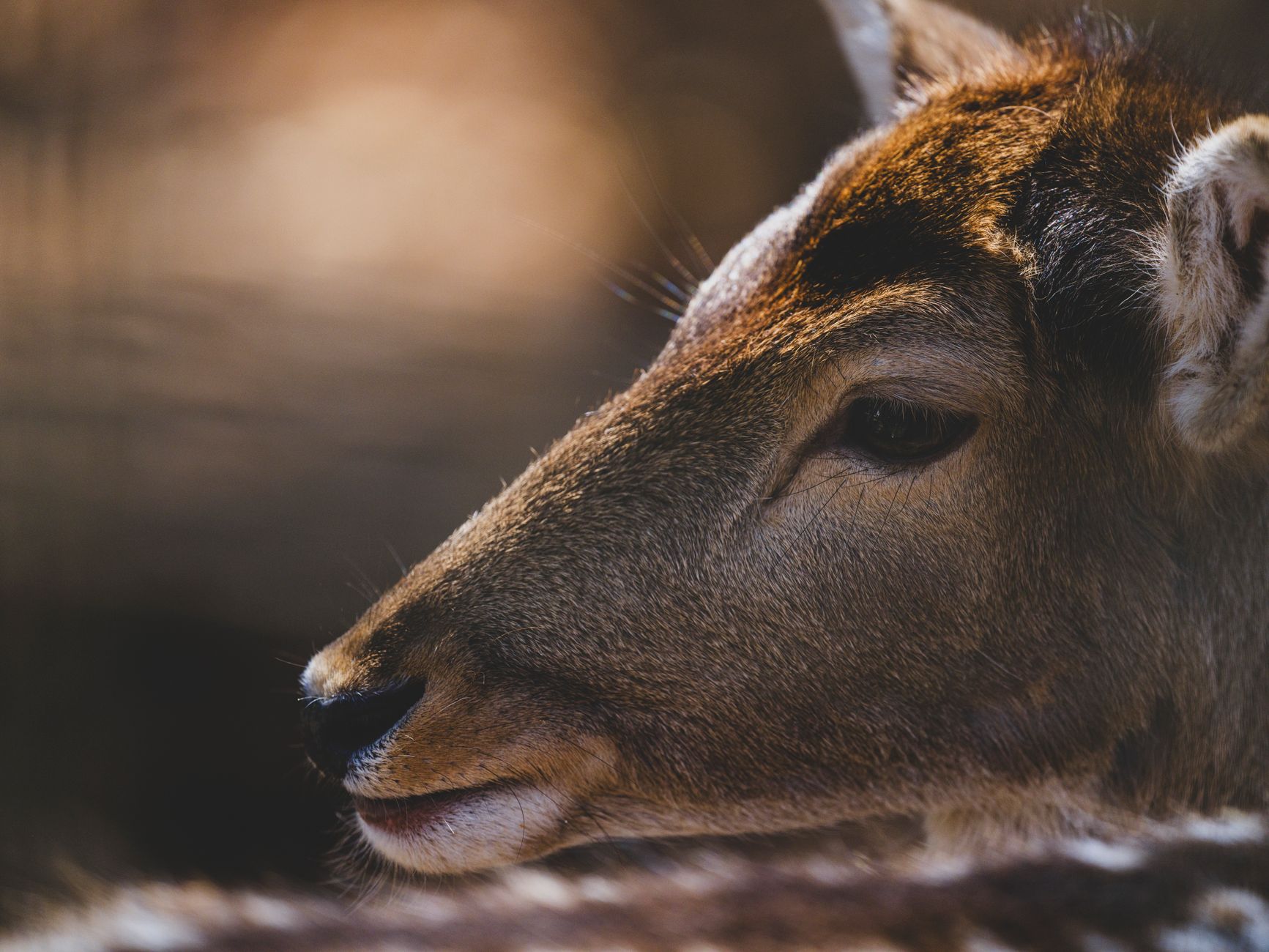
Deer possess an extraordinary sense of smell that far surpasses that of humans. Understanding the intricacies of their olfactory system is key to appreciating how far can a deer smell your scent? This isn’t just about smelling something is present, but also about interpreting vital information about the potential threat.
Their noses contain hundreds of millions of olfactory receptors, vastly more than humans. This dense concentration of receptors allows them to detect even the faintest odor molecules. Beyond the nose, the vomeronasal organ (VNO), also known as Jacobson’s organ, is present in deer. The VNO plays a critical role in detecting pheromones and other chemical signals, especially important during mating season.
The combination of these highly developed olfactory systems allows deer to create detailed “scent maps” of their environment, identifying potential predators, food sources, and even the reproductive status of other deer.

What colours are fish most attracted to?
Can you put your finger in a trout's mouth?
Is methylene blue anti bacterial?
Does aquarium salt raise pH in aquarium?
Factors Influencing Scent Detection Range
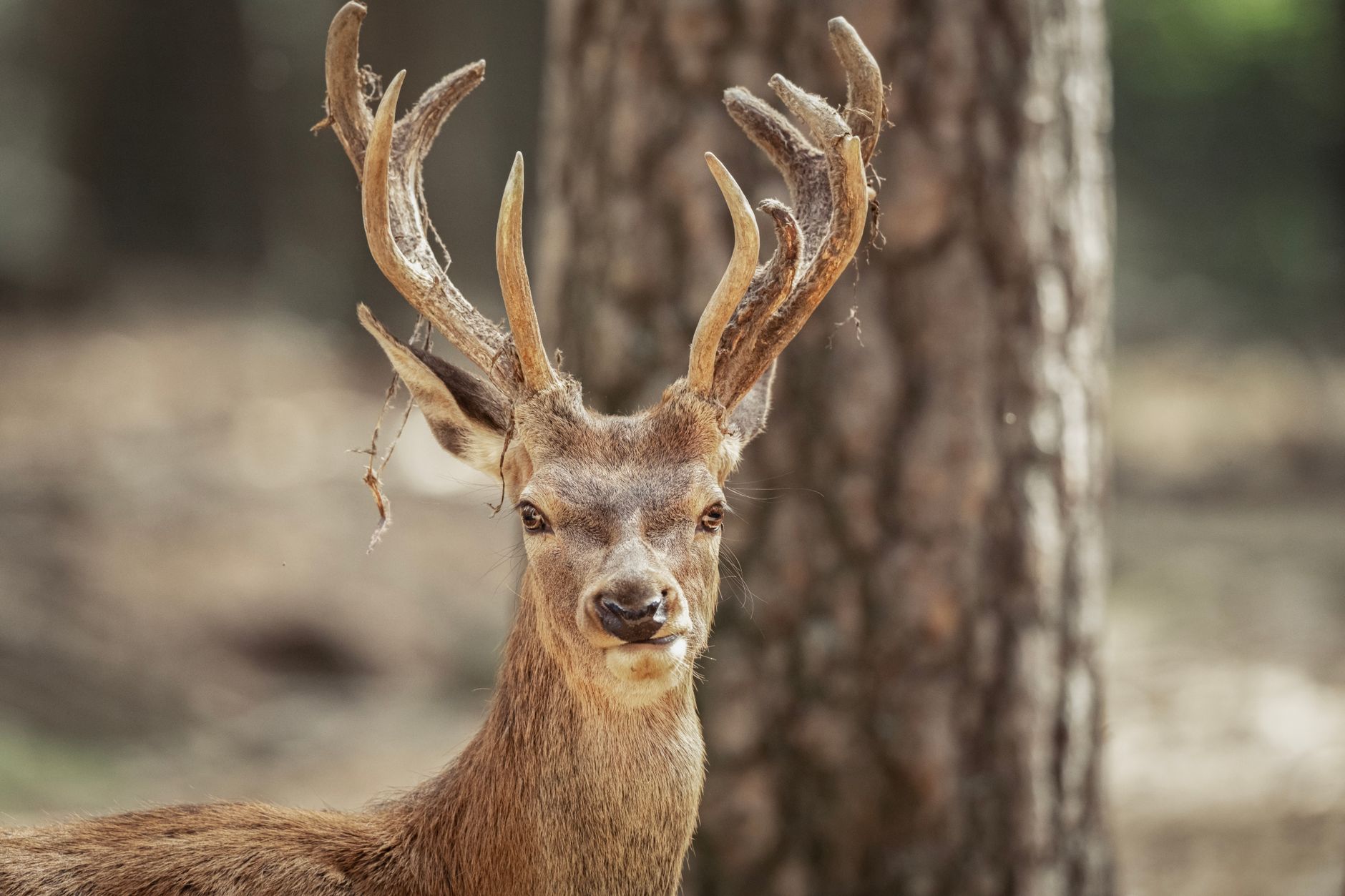
While a deer can theoretically smell you from a considerable distance, several factors influence the actual range. Understanding these variables is crucial for hunters and wildlife enthusiasts alike.
- Wind direction and speed: Wind is the primary carrier of scent molecules. A deer downwind from your location is far more likely to detect your scent than one upwind. Strong winds can disperse the scent, while light, steady breezes offer the best scent-carrying conditions for the deer.
- Humidity: Moisture in the air helps carry scent molecules. Humid conditions generally increase the distance a deer can smell your scent.
- Temperature: Temperature inversions, where warmer air is trapped above cooler air, can create stable scent layers, allowing smells to travel further.
- Vegetation and Terrain: Dense vegetation can obstruct airflow and trap scent, limiting its range. Open areas, conversely, can allow scent to travel unimpeded.
- Human Scent Load: The amount of scent you emit plays a significant role. Wearing strong-smelling lotions, soaps, or detergents significantly increases your scent profile. Smoking or using aerosol sprays can also dramatically increase the distance a deer can smell you.
- Deer’s Age and Experience: Older, more experienced deer have typically learned to associate certain scents with danger, making them more likely to react to human scent at a greater distance. Younger deer may be less cautious.
- Background Scents: In areas with high levels of other scents, such as farms or busy roads, a deer’s ability to detect human scent can be masked or diluted.
Minimizing Your Scent Profile
For hunters, understanding how far can a deer smell your scent? and knowing how to minimize it is paramount to success. Here are some key strategies:
- Scent-free hygiene: Use scent-free soaps, shampoos, and deodorants. Wash your hunting clothes in scent-free detergent and store them in airtight containers.
- Wind awareness: Always hunt with the wind in your face, or at least a crosswind. This ensures that your scent is carried away from the deer.
- Scent control sprays: Consider using scent control sprays that neutralize or mask human odor.
- Cover scents: Utilize natural cover scents like earth, pine, or cedar to mask your human scent.
- Minimize movement: Any movement can stir up scent molecules and make you more detectable.
- Cleanliness: Thoroughly clean your boots before entering the hunting area to remove any foreign scents.
The Deer’s Perspective: Scent as Survival
For deer, scent is not just an aroma; it is a critical survival tool. It informs them about danger, food, and potential mates. They rely heavily on their sense of smell to navigate their environment and avoid predators.
The ability to detect predators like humans from a distance gives them a crucial advantage in evading danger. The combination of exceptional hearing and smell makes them formidable to sneak up on. Deer can quickly identify how far can a deer smell your scent? relative to their location, and then decide if escape is needed. This makes scent control a key tactic to effectively and ethically hunt deer.
Frequently Asked Questions (FAQs)
How accurate is the quarter-mile range for scent detection?
The quarter-mile range is an estimate under ideal conditions, such as light wind, high humidity, and a strong scent source. Under less favorable conditions, the range can be significantly reduced. Wind direction and other environmental factors play a crucial role.
Can deer smell through clothing?
Yes, deer can smell through clothing, especially if the clothing contains residual scents from detergents, fabric softeners, or even your own body odor. Scent-free clothing is essential for minimizing your scent profile.
Do deer get used to human scent?
While deer may become accustomed to certain human-related scents, such as those from farms, they generally remain wary of unfamiliar or strong human scents. This is why scent control is so important for hunters.
Are certain human scents more alarming to deer?
Yes, certain human scents are more alarming to deer, such as the smell of tobacco, gasoline, or strong perfumes and colognes. These unnatural odors are immediately recognized as foreign and potentially dangerous.
Does the time of year affect a deer’s sense of smell?
While the basic ability to detect scent remains consistent year-round, a deer’s focus on scent changes with the seasons. During the rut (mating season), bucks are particularly attuned to the scent of does in estrus.
Can deer smell fear?
There’s no scientific evidence to suggest deer can literally smell fear, but they are highly sensitive to adrenaline and other hormonal changes in humans, which may be perceived as a sign of danger. They are incredibly sensitive to the behavior of other animals in the environment, and will interpret signals accordingly.
Does the type of deer affect its sense of smell?
While all deer species have excellent senses of smell, there may be slight variations in acuity based on factors like habitat and behavior. However, all deer rely heavily on their sense of smell for survival.
What is the vomeronasal organ (VNO) and how does it work?
The VNO, or Jacobson’s organ, is a specialized sensory organ located in the nasal cavity of deer. It detects pheromones and other chemical signals, playing a crucial role in social and reproductive behavior.
How does rain affect a deer’s ability to smell?
Rain can both help and hinder a deer’s ability to smell. Light rain can help carry scent molecules, while heavy rain can wash them away and dilute them.
Can deer differentiate between individual human scents?
It is likely that deer can differentiate between individual human scents to some extent, based on the unique chemical signature of each person.
What is the best way to store hunting clothes to minimize scent?
The best way to store hunting clothes is in airtight containers or scent-proof bags, away from any potential sources of odor. You can also include scent wafers containing natural deer scents.
Is it possible to completely eliminate human scent?
Completely eliminating human scent is virtually impossible. However, by following scent control measures, you can significantly reduce your scent profile and increase your chances of success when hunting deer. Being mindful of how far can a deer smell your scent? will give you the necessary edge.