
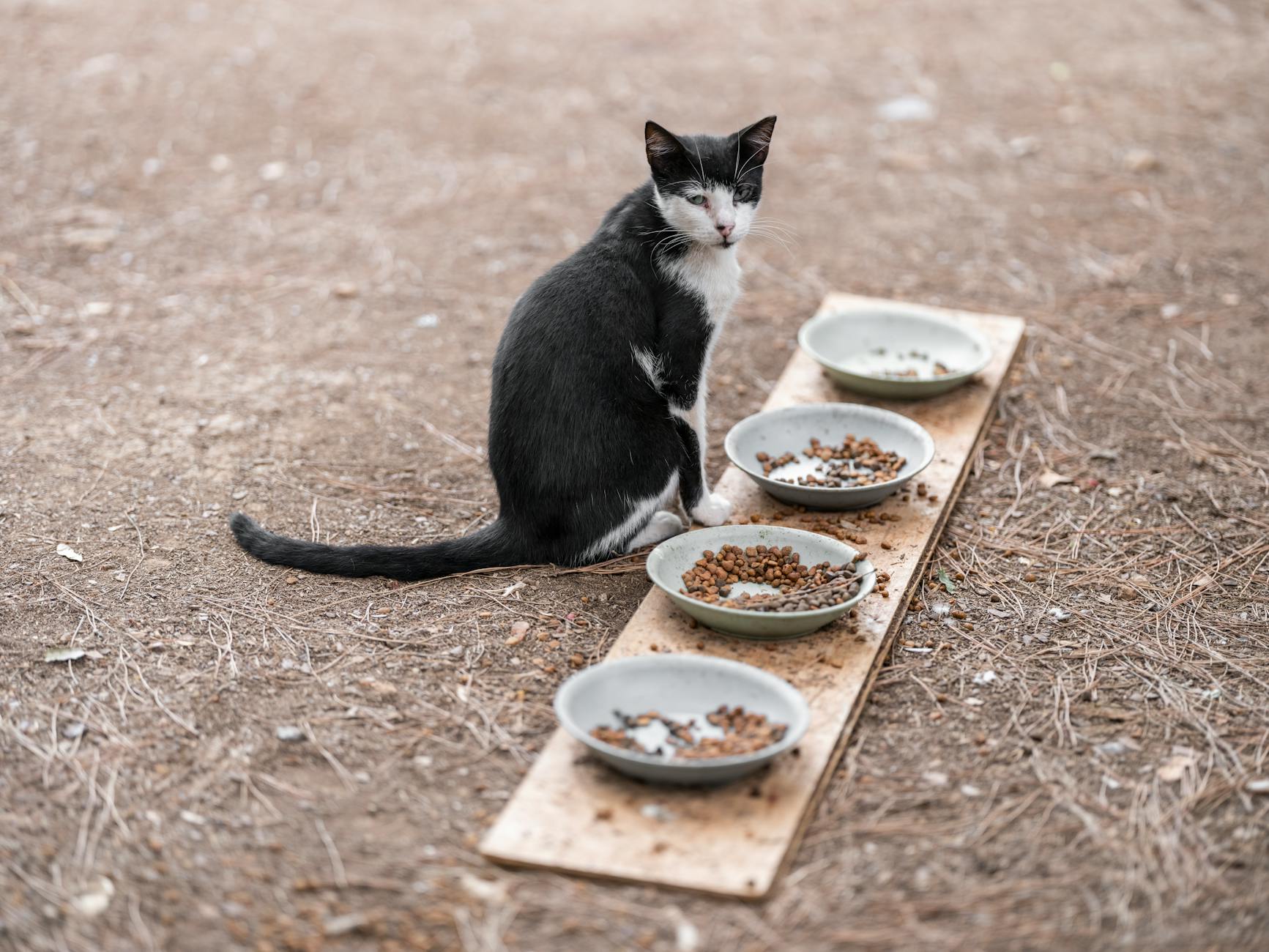
How To Successfully Transition Your Cat To Wet Food
Want your cat to embrace the benefits of wet food? The key is gradual introduction, patience, and understanding your cat’s individual preferences to successfully get your cat to eat wet food.

Why Wet Food? A Deep Dive into Feline Nutrition
Dry kibble has long been a staple in many cat households, but wet food offers significant advantages for your feline companion’s health. Before delving into the methods to transition your cat, understanding the “why” is crucial.
- Hydration is Key: Wet food boasts a high moisture content, typically around 70-80%, which is crucial for cats. Felines often have a low thirst drive, making them prone to dehydration, which can lead to kidney and urinary tract issues. Wet food helps them stay adequately hydrated.
- Protein Powerhouse: Quality wet food is generally higher in protein and lower in carbohydrates than dry food. Cats are obligate carnivores, meaning they require a diet rich in animal protein for optimal health.
- Palatability and Texture: Many cats find wet food more palatable due to its stronger aroma and softer texture, especially senior cats with dental problems or cats with sensitive gums.
The Gradual Transition: A Step-by-Step Guide

How do I get my cat to eat wet food? The answer almost always lies in a patient, gradual approach. Avoid abruptly switching your cat’s diet, as this can lead to digestive upset.
- Start Small: Introduce a small amount of wet food alongside your cat’s regular dry food. A teaspoon or two is a good starting point.
- Mix It Up: Gently mix the wet food with the dry food. Begin with a small percentage of wet food and gradually increase the ratio over several days or weeks.
- Offer Separate Bowls: If mixing proves unsuccessful, offer wet food in a separate bowl alongside the dry food. This allows your cat to explore the new option at their own pace.
- Warm It Up: Gently warming the wet food can enhance its aroma and make it more appealing to your cat. Ensure the food is not too hot before serving.
- Experiment with Flavors and Textures: Cats can be finicky! Try different flavors (chicken, fish, beef) and textures (pâté, shredded, chunks in gravy) to discover your cat’s preferences.
- Be Patient: Some cats take time to adjust to new foods. Don’t get discouraged if your cat doesn’t immediately embrace wet food. Persistence is key.
- Limit Dry Food: As you increase the amount of wet food, gradually decrease the amount of dry food offered. This encourages your cat to try the wet food.
- Create Positive Associations: Offer wet food as a treat or reward during playtime or grooming sessions. This can help your cat associate it with positive experiences.
Common Pitfalls to Avoid
Even with a patient approach, some challenges might arise. Here are common mistakes to avoid when trying to transition your cat to wet food:
- Sudden Switch: As mentioned before, a sudden dietary change can cause digestive upset, leading to vomiting or diarrhea.
- Forcing the Issue: Pressuring your cat to eat wet food can create negative associations and make them even more resistant.
- Leaving Wet Food Out Too Long: Wet food can spoil quickly, especially in warm environments. Remove uneaten wet food after 30 minutes to an hour to prevent bacterial growth.
- Using Low-Quality Wet Food: Opt for high-quality wet food with a high percentage of meat protein and minimal fillers. Cheap wet food may not be palatable or nutritionally beneficial.
- Giving Up Too Soon: Some cats take longer to adjust than others. Don’t give up after a few attempts. Keep experimenting and being patient.
Troubleshooting: When Your Cat Still Refuses
If you’ve tried the gradual transition and your cat still refuses to eat wet food, consider these additional tips:
- Consult Your Veterinarian: Rule out any underlying medical conditions that may be affecting your cat’s appetite.
- Try a Food Topper: Sprinkle a small amount of a food topper, such as bonito flakes or nutritional yeast, on top of the wet food to entice your cat.
- Use a Feeding Puzzle: A feeding puzzle can make mealtime more engaging and encourage your cat to eat.
- Hand-Feeding: Some cats may be more willing to eat wet food if you offer it to them by hand.
- Consider a Different Brand: Each brand uses different ingredients and recipes. Your cat may simply not like the taste of the wet food you’ve chosen.
Comparing Wet Food Options
Choosing the right wet food is crucial. Consider the ingredients, protein content, and overall nutritional value. Here’s a comparison of common wet food textures:
| Texture | Description | Benefits | Considerations |
|---|---|---|---|
| Pâté | Smooth, spreadable consistency | Easy to eat, good for cats with dental issues | Can be less appealing to some cats due to its uniform texture |
| Shredded/Flaked | Small, tender pieces of meat or fish in gravy or sauce | Mimics natural prey, appealing texture for many cats | May be messier to eat |
| Chunks in Gravy | Larger pieces of meat or fish in gravy or sauce | Provides a more substantial meal, can satisfy a cat’s chewing instincts | May be difficult for cats with dental issues to eat |
| Stews/Soups | High moisture content with small pieces of meat or vegetables | Excellent for hydration, good for cats with urinary tract problems | May not provide as much protein as other textures |
Frequently Asked Questions (FAQs)

What if my cat only licks the gravy and leaves the meat?
If your cat is selectively licking the gravy, try mixing the gravy thoroughly with the meat to encourage them to eat both. You can also try offering wet food with a higher gravy content initially, then gradually transition to textures with more meat.
Is it safe to leave wet food out all day?
No, it is generally not safe to leave wet food out for more than 30 minutes to an hour, especially in warm environments. Bacteria can grow quickly, leading to spoilage and potential illness. Discard any uneaten wet food after this time.
Can I mix dry and wet food together?
Yes, you can mix dry and wet food together, especially during the transition phase. However, be mindful of the total calorie intake and adjust the portions accordingly. Mixing can also encourage picky eaters to try the wet food.
How often should I feed my cat wet food?
The frequency of wet food feedings depends on your cat’s individual needs and preferences. A common approach is to offer wet food once or twice a day, supplemented with dry food. Always consult with your veterinarian for personalized recommendations.
What ingredients should I avoid in wet food?
Avoid wet foods containing artificial colors, flavors, and preservatives, as well as excessive amounts of fillers like corn, wheat, and soy. Look for foods with a high percentage of meat protein.
My cat vomits after eating wet food. What should I do?
If your cat vomits after eating wet food, stop feeding it immediately and consult with your veterinarian. It could be a sign of a food allergy, sensitivity, or other underlying medical condition.
Can I use human food to entice my cat to eat wet food?
While some human foods are safe for cats in small amounts (e.g., cooked chicken or fish), it’s not recommended to rely on them to entice your cat to eat wet food. Human food may not provide the complete and balanced nutrition that cats need.
How much wet food should I feed my cat?
The amount of wet food your cat needs depends on their weight, age, activity level, and overall health. Consult the feeding guidelines on the wet food packaging and adjust the portion sizes accordingly. A general rule of thumb is about 5.5 ounces per day for an average-sized cat, but check with your vet.
What if my cat develops diarrhea after starting wet food?
If your cat develops diarrhea after starting wet food, it could be a sign of dietary intolerance. Try a different brand or flavor of wet food, or consult with your veterinarian.
Is it okay to heat wet food in the microwave?
Yes, you can heat wet food in the microwave, but ensure it’s not too hot before serving to your cat. Microwave heating can create hot spots, so stir the food thoroughly before offering it.
How do I store leftover wet food?
Store leftover wet food in an airtight container in the refrigerator for up to 24 hours. Discard any wet food that has been refrigerated for longer than this time.
What are the long-term benefits of feeding my cat wet food?
The long-term benefits of feeding your cat wet food include improved hydration, better urinary tract health, a healthier weight, and increased palatability. Providing your cat with a balanced and nutritious diet, including wet food, can contribute to their overall well-being and longevity. How do I get my cat to eat wet food? By using these strategies, you are significantly increasing your chances for success.