

Is There Ethical Elephant Riding?: A Deep Dive
The question of is there ethical elephant riding? is complex and controversial; ultimately, true ethical elephant riding, prioritizing the elephant’s well-being and freedom of choice, is incredibly rare and requires rigorous scrutiny of any facility offering it.

Introduction: The Pachyderm Predicament
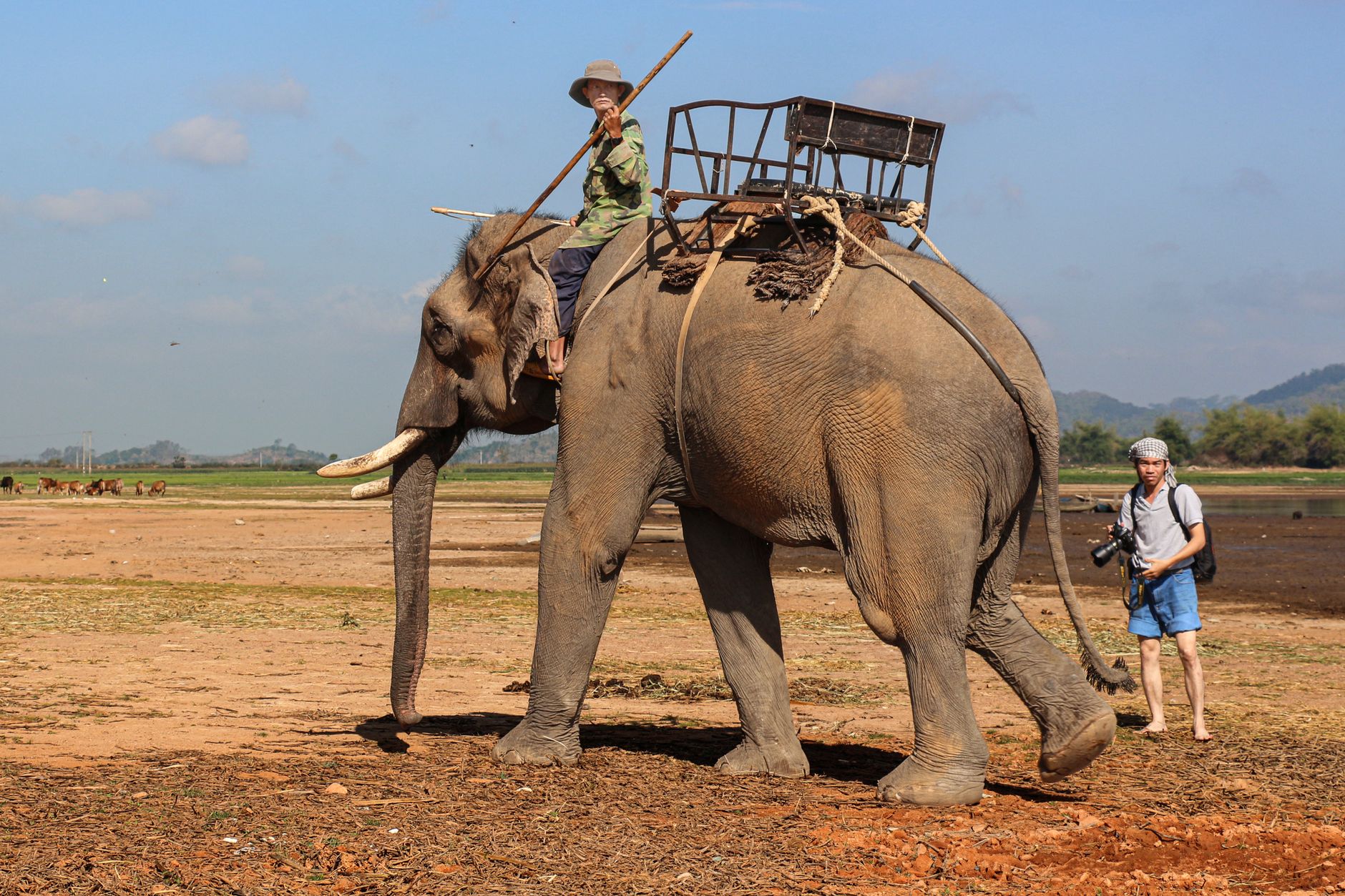
Elephants, magnificent creatures of immense intelligence and complex social structures, have long been exploited for human entertainment and labor. The practice of elephant riding, particularly popular in Southeast Asia, raises significant ethical concerns. The allure of sitting atop these gentle giants often overshadows the potential harm inflicted upon them. This article will explore the ethical complexities surrounding elephant riding, examining the potential for responsible tourism while highlighting the prevalent abuse and exploitation that often accompany this activity. The question “Is there ethical elephant riding?” requires careful consideration of various factors.
What colours are fish most attracted to?
Can you put your finger in a trout's mouth?
Is methylene blue anti bacterial?
Does aquarium salt raise pH in aquarium?
A History of Elephant Exploitation

For centuries, elephants have been captured from the wild and subjected to brutal training methods to make them compliant for human use. This process, often called “the crush,” involves physical and psychological abuse aimed at breaking the elephant’s spirit and forcing obedience. Even elephants born in captivity can be subjected to these harsh methods. The tradition of using elephants for logging, transportation, and entertainment has deeply ingrained in some cultures, making it difficult to challenge or change these practices.
The Dark Side of “Elephant Tourism”
While some may argue that elephant tourism contributes to conservation efforts by generating revenue, the reality is often far more grim. Many elephant camps prioritize profit over animal welfare. Elephants are often overworked, underfed, and kept in chains for long periods. The constant interaction with tourists can be stressful and disruptive to their natural behavior. Furthermore, the demand for elephant rides fuels the illegal capture of wild elephants and perpetuates the cycle of abuse.
Potential Benefits (and Their Limitations)
In very specific and controlled circumstances, some argue that carefully managed elephant interaction programs can contribute to conservation. These programs might:
- Provide sanctuary for rescued elephants, offering them a safe and healthy environment.
- Generate income for local communities, incentivizing them to protect elephants and their habitats.
- Raise awareness about the plight of elephants and the importance of conservation.
However, these potential benefits are contingent on several critical factors, including:
- No riding: Programs should prioritize observation and ethical interaction, avoiding activities like riding that place physical and psychological strain on the elephants.
- Elephant agency: Allowing elephants to express natural behaviors and make choices about their interactions with humans.
- Expert care: Employing qualified veterinarians and elephant behaviorists to ensure the elephants’ well-being.
- Transparency: Being open and honest about the program’s practices and funding.
- Strict regulations: Adhering to the highest standards of animal welfare and conservation.
The Crucial Differences: Sanctuaries vs. Riding Camps
It’s essential to differentiate between genuine elephant sanctuaries and facilities that offer elephant rides. True sanctuaries prioritize the welfare of the elephants above all else, offering them a safe and stimulating environment where they can roam freely and interact with each other. Riding camps, on the other hand, typically exploit elephants for profit, subjecting them to grueling work schedules and questionable training methods.
Red Flags: Identifying Unethical Practices
Before visiting any elephant facility, it’s crucial to do your research and look for red flags that indicate unethical practices. These may include:
- Elephants being chained or confined to small spaces.
- Visible injuries or signs of neglect.
- Elephants performing unnatural tricks.
- Handlers using bullhooks or other tools to control the elephants.
- Lack of transparency about the facility’s practices.
- Offering elephant riding.
The Alternative: Ethical Elephant Encounters
If you’re passionate about elephants and want to support their conservation, there are ethical ways to interact with them. Consider visiting a reputable sanctuary where you can observe elephants in their natural habitat, learn about their behavior, and support their care. You can also donate to conservation organizations that are working to protect elephants in the wild. Remember, the best way to help elephants is to choose compassion over exploitation.
The Future of Elephant Tourism
The future of elephant tourism lies in promoting ethical and sustainable practices. By supporting responsible sanctuaries, raising awareness about the plight of elephants, and advocating for stronger regulations, we can help ensure that these magnificent creatures are treated with the respect and dignity they deserve.
Frequently Asked Questions (FAQs)
Is it ever truly ethical to ride an elephant?
The short answer is likely no. Even seemingly gentle riding can cause physical harm to an elephant’s spine and internal organs. The training methods used to make elephants compliant for riding are often cruel and abusive. Even without visible signs of cruelty, the very act of imposing human weight on their backs goes against their natural structure and well-being.
What is “the crush” and why is it so harmful?
“The crush” is a brutal training process used to break an elephant’s spirit and force it to obey human commands. It often involves physical abuse, starvation, and isolation. This process inflicts immense psychological trauma on the elephants and can have long-lasting effects on their behavior and well-being. It’s a fundamental source of harm in elephant tourism.
How can I tell if an elephant sanctuary is truly ethical?
Look for sanctuaries that prioritize elephant welfare above all else. They should allow elephants to roam freely, provide them with natural diets, and avoid activities like riding or performing tricks. Reputable sanctuaries will be transparent about their practices and welcome visitors to learn about their work.
Are elephants naturally happy to interact with humans?
Elephants are intelligent and social animals, but their interactions with humans should always be on their own terms. Forced interactions, such as elephant rides or bathing, can be stressful and harmful. Ethical facilities prioritize elephant choice and allow them to interact with humans only when they are comfortable doing so.
Does supporting elephant tourism help local communities?
While elephant tourism can generate revenue for local communities, it’s important to ensure that the benefits are distributed fairly and that the elephants are not exploited in the process. Support facilities that prioritize community involvement and sustainable practices.
What are some alternatives to elephant riding?
There are many ethical ways to interact with elephants. You can visit a reputable sanctuary, observe them in the wild, volunteer at a conservation project, or donate to an elephant conservation organization. These options allow you to support elephant welfare without contributing to their exploitation.
What is the impact of elephant tourism on wild elephant populations?
The demand for elephants in tourism fuels the illegal capture of wild elephants. Poachers often kill adult elephants to capture their calves, which are then sold to tourism facilities. This practice decimates wild elephant populations and disrupts their social structures.
Are there any regulations governing elephant tourism?
Regulations vary from country to country, and enforcement is often weak. Many elephant facilities operate without proper oversight, allowing them to engage in unethical practices. It’s important to support organizations that are advocating for stronger regulations.
What can I do to help protect elephants?
You can help protect elephants by making informed choices as a tourist, supporting reputable sanctuaries and conservation organizations, and advocating for stronger regulations. Spread awareness among your friends and family about the plight of elephants and encourage them to make ethical choices.
Is there any way to rehabilitate an elephant that has been subjected to “the crush”?
Rehabilitating elephants who have experienced “the crush” is a long and complex process. It requires specialized care, including veterinary treatment, psychological therapy, and a safe and supportive environment. Not all elephants can fully recover from the trauma.
What role does bullhooks play in elephant handling?
Bullhooks are tools used to inflict pain and control elephants. They are a clear sign of unethical treatment, and their use should be a red flag when assessing an elephant facility. Ethical handlers rely on positive reinforcement and compassionate care, not punishment.
What are the long-term effects of elephant riding on an elephant’s health?
Repeated elephant riding can cause a range of health problems, including spinal damage, arthritis, and internal organ damage. The weight of riders and the unnatural posture required for riding can put significant strain on the elephant’s body.