
How Far Away Can Dogs Smell Their Owners?
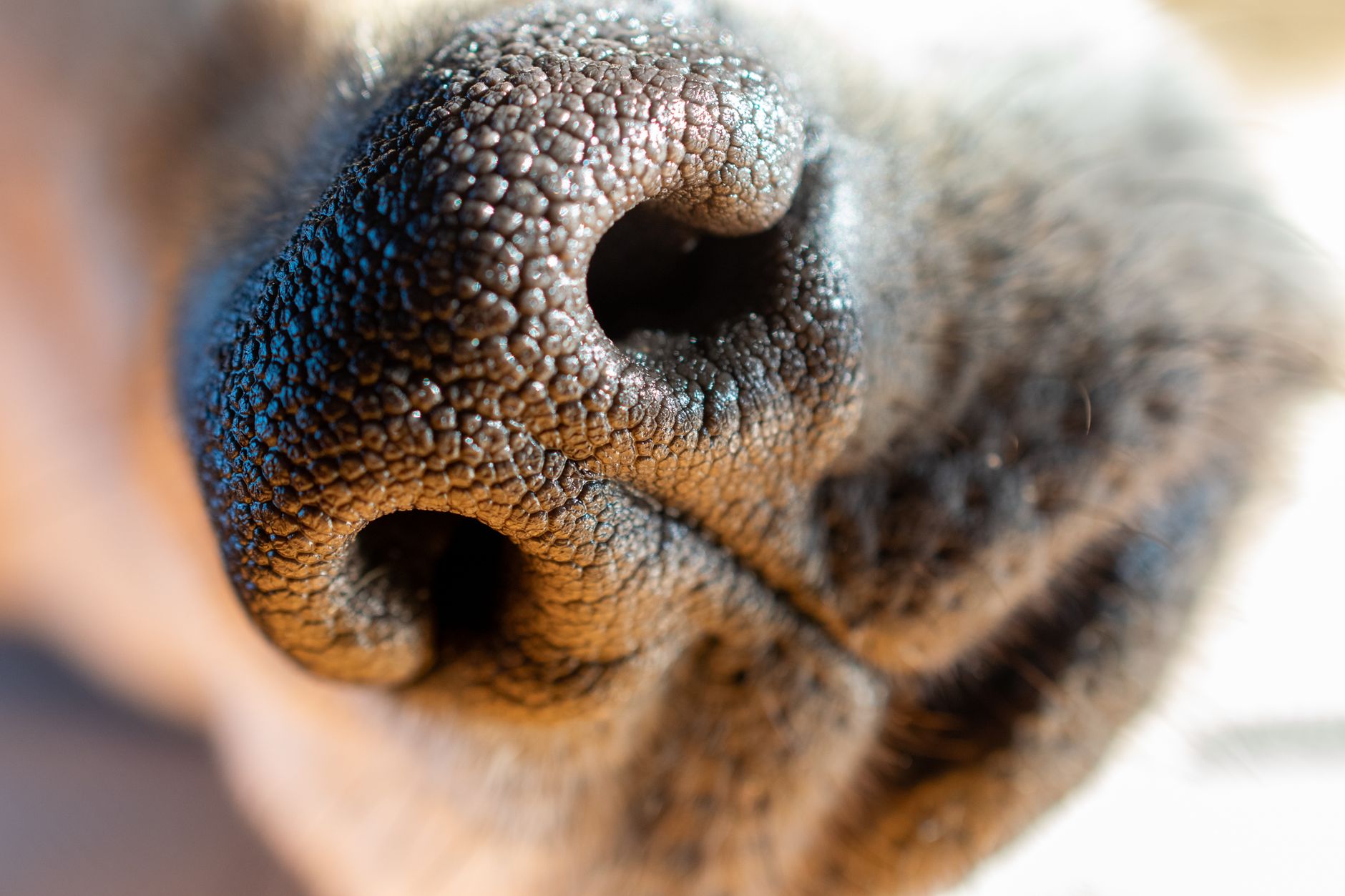
Dogs possess an extraordinary sense of smell. It’s estimated that dogs can potentially smell their owners from distances exceeding 12 miles, but this depends heavily on environmental factors and the dog’s breed and training.
Understanding Canine Olfactory Prowess
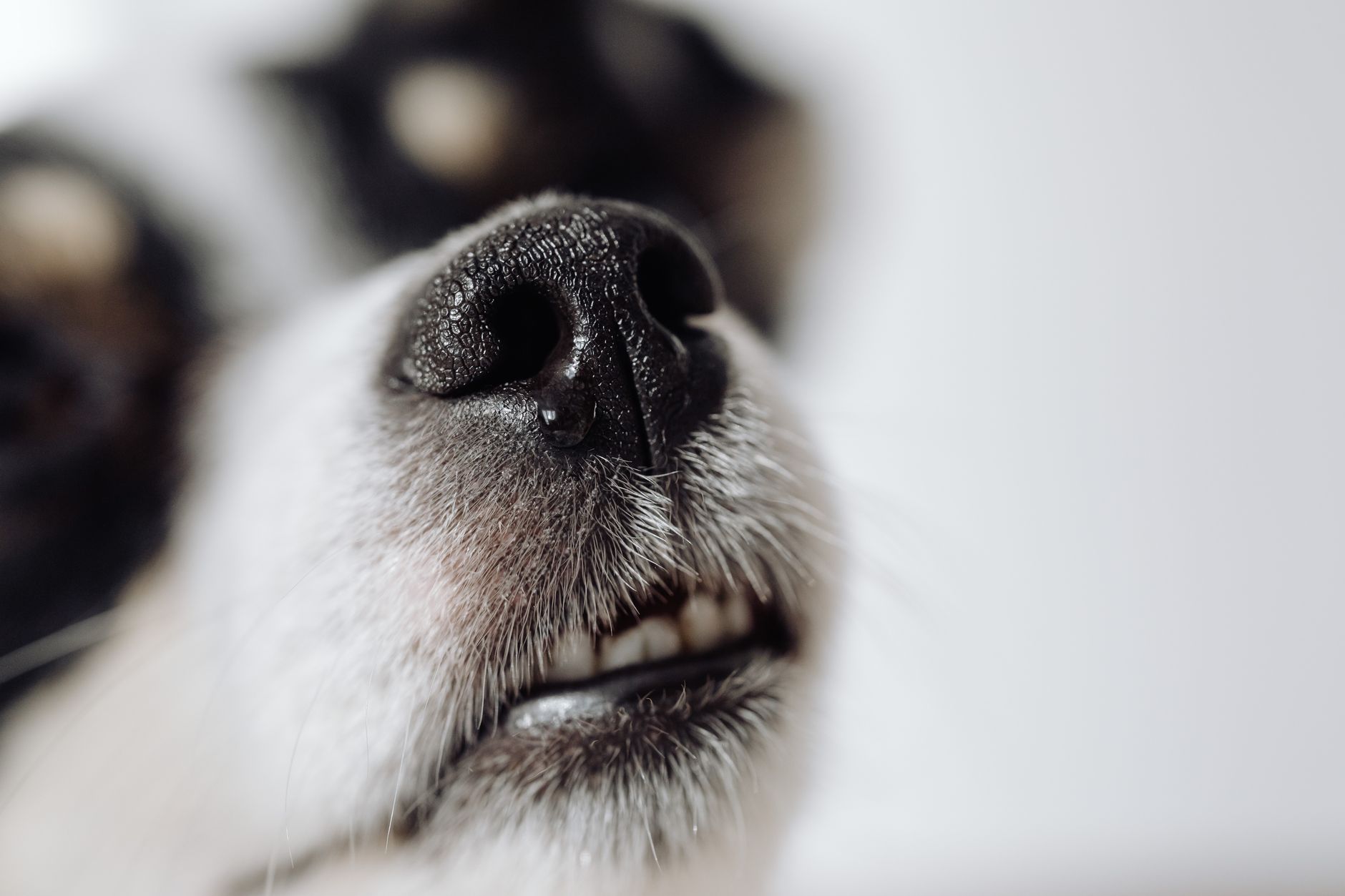
The canine sense of smell is legendary, far surpassing that of humans. This impressive ability influences nearly every aspect of a dog’s life, from finding food to navigating their environment and, of course, recognizing their beloved owners. To understand how far away can dogs smell their owners?, we need to delve into the science behind their noses.

What colours are fish most attracted to?
Can you put your finger in a trout's mouth?
Is methylene blue anti bacterial?
Does aquarium salt raise pH in aquarium?
The Anatomy of a Super Sniffer
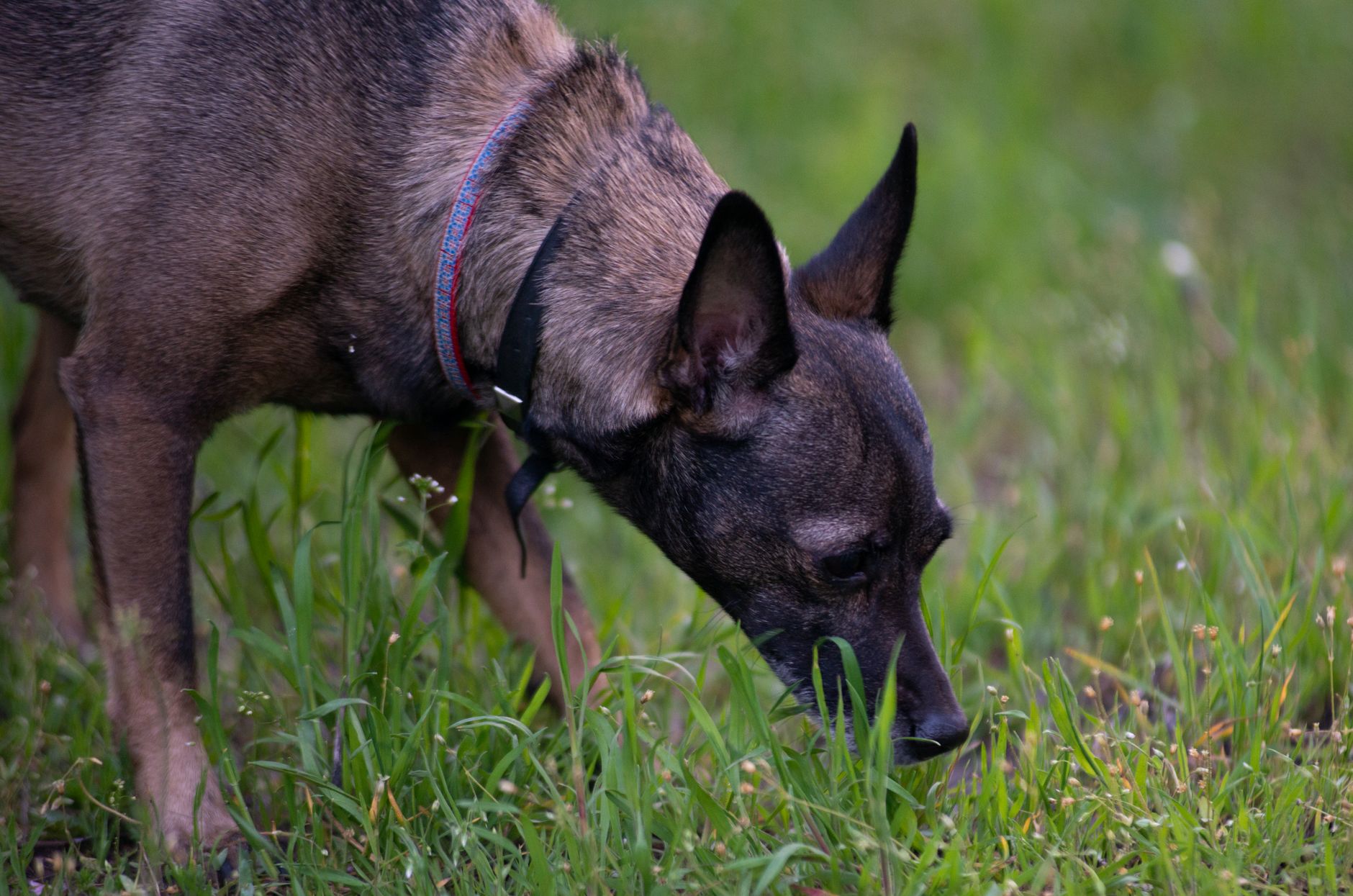
Dogs have significantly more olfactory receptors than humans – approximately 300 million compared to our measly 5-6 million. Their nasal cavity is also designed differently.
- Dogs have a separate passage dedicated solely to smelling, while humans use the same passage for both breathing and smelling.
- The olfactory epithelium, the tissue containing the olfactory receptors, is much larger in dogs, providing more surface area for odor molecules to bind.
- Dogs possess a vomeronasal organ (also known as Jacobson’s organ), which detects pheromones and other chemical signals.
Factors Influencing Scent Detection Range
Several factors can influence how far away can dogs smell their owners? These include:
- Wind Direction: Wind carries scent molecules, and a dog downwind will have a much better chance of detecting their owner’s scent.
- Wind Speed: A stronger wind can carry scent further but can also disperse it, making it more difficult to pinpoint the source.
- Humidity: Humidity affects how scent molecules travel and linger in the air. Moderate humidity is generally ideal.
- Temperature: Warmer temperatures can cause scents to evaporate more quickly, potentially increasing the detection range, although extreme heat can also denature scent molecules.
- Terrain: Open terrain allows scents to travel further, while dense vegetation can block or disrupt scent trails.
- Breed: Certain breeds, like Bloodhounds, have been specifically bred for their superior olfactory abilities.
- Training: Dogs trained for scent detection, such as search and rescue dogs, are highly skilled at tracking faint scents over long distances.
Breeds with Exceptional Smell
Certain dog breeds are renowned for their superior sense of smell. They have been historically bred to hunt, track, or detect scents across long distances.
| Breed | Notable Olfactory Abilities |
|---|---|
| Bloodhound | Considered to have the best sense of smell; used extensively in law enforcement for tracking. |
| Basset Hound | Excellent trackers due to their long noses and low-to-the-ground positioning. |
| Beagle | Originally bred for hunting rabbits, Beagles have a keen sense of smell and stamina for long hunts. |
| German Shepherd | Versatile and intelligent; frequently used in search and rescue and police work due to their scent abilities. |
| Labrador Retriever | Originally bred for retrieving waterfowl, Labradors have a strong sense of smell and are easily trained. |
Scent Training and Its Impact
Training plays a crucial role in maximizing a dog’s scent detection capabilities. Dogs trained in scent work can learn to identify specific odors, track scents over considerable distances, and even differentiate between similar scents. This focused training significantly enhances their ability to detect their owners’ scents, effectively increasing how far away can dogs smell their owners? compared to untrained dogs. Training techniques often involve:
- Scent discrimination: Learning to differentiate between various scents.
- Tracking: Following a scent trail over a distance.
- Alerting: Indicating the presence of a specific scent.
Common Misconceptions About Canine Smell
Many misconceptions surround the canine sense of smell. One common belief is that dogs can only smell the strongest scent. In reality, dogs can differentiate and isolate individual scents within a complex mixture. They also have a temporal component to their smell, remembering scents for long periods. Another misconception is that all dogs have the same smelling capabilities – as noted above, significant variation exists between breeds.
Frequently Asked Questions
How does a dog’s nose work differently from a human’s?
A dog’s nose has far more olfactory receptors – around 300 million compared to our 5-6 million – and a specialized structure that separates airflow for breathing and smelling, allowing them to process scents more efficiently. They also possess the vomeronasal organ, enabling them to detect pheromones.
Is it true that dogs can smell emotions?
Yes, to some extent. Dogs can detect changes in human hormone levels and volatile organic compounds released during emotional states like fear or stress. While they don’t “smell” the emotion itself, they can detect the chemical signals associated with it.
Does a dog’s health affect its sense of smell?
Absolutely. Conditions like nasal infections, allergies, or even dental problems can impair a dog’s sense of smell. Maintaining good overall health is crucial for optimal olfactory function.
How can I test my dog’s sense of smell?
You can test your dog’s sense of smell by hiding treats or toys and observing how quickly they find them. You can also introduce new scents and see how they react. Progressively increase the difficulty to challenge their abilities.
Can dogs smell underwater?
While dogs can’t directly smell underwater in the same way they do in the air, they can still detect scents that have dissolved in the water. Some breeds, like retrievers, are particularly adept at retrieving objects from water due to their combined senses.
What is “scent work,” and how does it improve a dog’s olfactory abilities?
Scent work is a canine sport that involves training dogs to identify and locate specific scents. This training hones their natural abilities, improving their focus, discrimination skills, and overall olfactory performance. Scent work can significantly boost their scent detection range.
How long does a scent last in the environment?
The lifespan of a scent depends on various factors, including weather conditions, surface type, and the scent’s volatility. Some scents can linger for several days or even weeks, especially under ideal conditions.
Are there any dangers to a dog using its sense of smell?
Yes, dogs can be exposed to harmful substances through their sense of smell, such as toxins, irritants, or allergens. It’s essential to keep hazardous materials out of reach and be mindful of environmental risks.
Does neutering or spaying affect a dog’s sense of smell?
Generally, neutering or spaying does not significantly impact a dog’s sense of smell. The primary hormonal influence related to olfaction is related to pheromone detection and marking behaviors, which may be affected.
How does a dog’s age affect its sense of smell?
As dogs age, their sense of smell can decline, similar to how human senses weaken with age. This is due to degeneration of olfactory receptors and other age-related changes.
Can certain medications affect a dog’s sense of smell?
Yes, some medications can potentially impact a dog’s sense of smell, either directly or indirectly. It’s crucial to discuss any concerns about medication side effects with your veterinarian.
Is it possible to train a dog to track a specific person’s scent from miles away?
Yes, with intensive and specialized training, dogs can be trained to track a specific person’s scent over long distances. This is often used in search and rescue operations and law enforcement. The answer to how far away can dogs smell their owners? depends very much on this.