
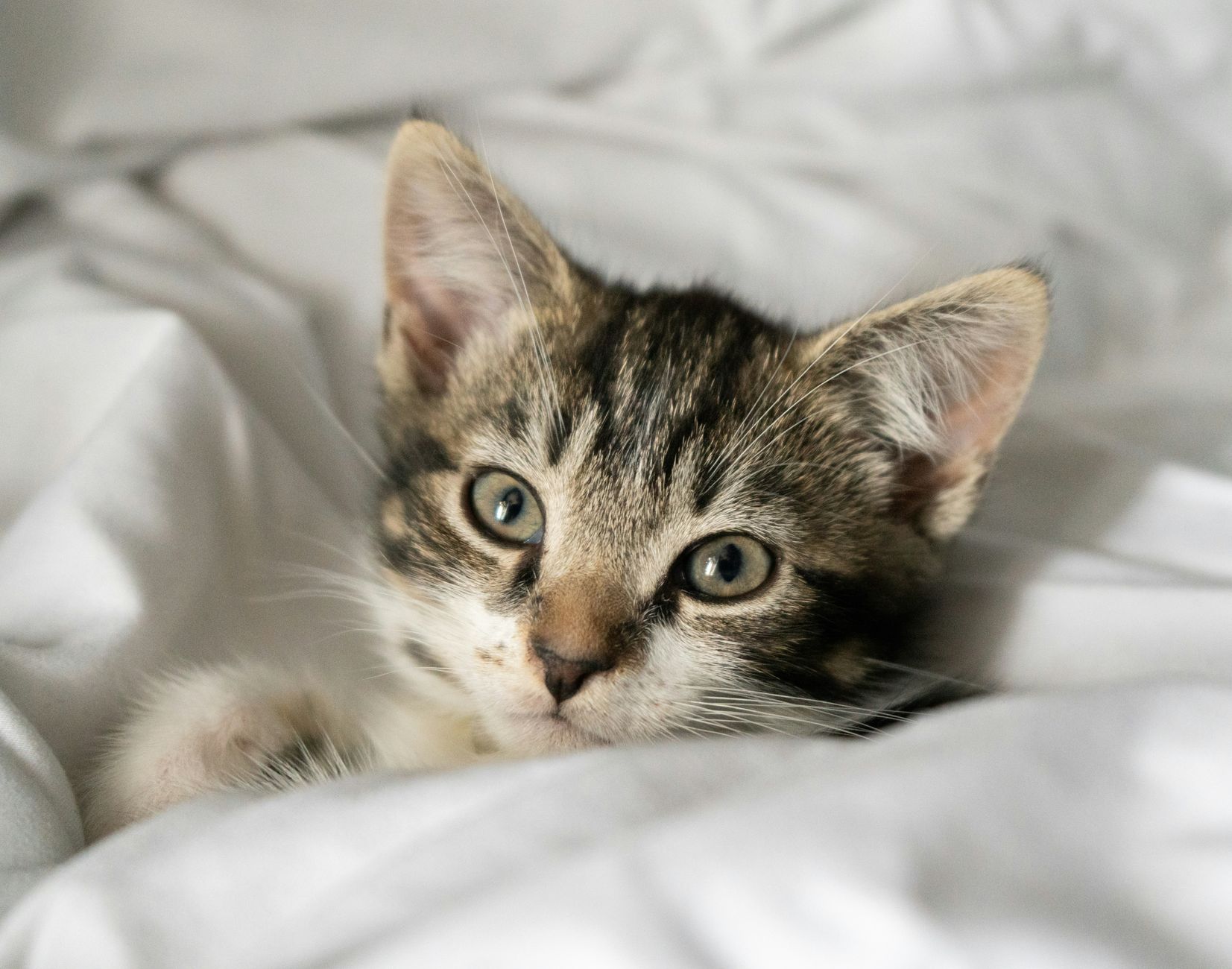
Why Do Cats Bother You in the Morning? Unraveling the Feline Dawn Chorus
Why do cats bother you in the morning? Cats bother you in the morning primarily due to hunger, seeking attention, and their ingrained crepuscular activity cycles, leading them to be most active at dawn.

Understanding the Feline Dawn Phenomenon
Why do cats bother you in the morning? It’s a question that plagues countless cat owners. The seemingly innocent purrs and head-butts can quickly escalate into insistent meows, pawing, and even more disruptive behaviors. To truly understand this phenomenon, we must delve into the natural inclinations and learned behaviors of our feline companions. Cats aren’t inherently malicious; their morning antics are often driven by a combination of biological factors and their interactions with us.
What colours are fish most attracted to?
Can you put your finger in a trout's mouth?
Is methylene blue anti bacterial?
Does aquarium salt raise pH in aquarium?
The Hunger Factor: An Empty Bowl Speaks Volumes

One of the most significant contributors to early morning feline disturbances is hunger. Many cats are accustomed to being fed shortly after their owners wake up. This establishes a routine in their minds, and they become accustomed to associating the sound of your alarm (or even your movement in bed) with the imminent arrival of breakfast.
- A cat’s stomach empties relatively quickly, especially after a night of inactivity.
- Therefore, by the time morning rolls around, they’re genuinely feeling hungry.
- This hunger then manifests as attention-seeking behavior directed towards the perceived food source: you.
The Crepuscular Connection: Peak Activity at Dawn
Cats are crepuscular animals, meaning they are most active during dawn and dusk. This is an evolutionary trait inherited from their wild ancestors, who primarily hunted during these periods when prey animals were also active.
- Even domesticated cats retain this natural inclination.
- Their internal clock tells them that dawn is prime time for activity, regardless of whether they need to hunt for their food.
- Consequently, they are naturally more energetic and playful in the morning, and if you’re still asleep, they may try to engage you in their activities.
Attention-Seeking Behavior: The Reward of Interaction
Cats are intelligent creatures, and they quickly learn which behaviors elicit a response from their owners. If, in the past, a morning meow or pawing resulted in attention, food, or play, the cat is likely to repeat that behavior.
- Even negative attention (such as yelling or pushing the cat away) can be reinforcing, as it’s still a form of interaction.
- Cats may also simply crave companionship after spending the night alone.
- The morning is a time when they know you’ll eventually be awake and available.
Boredom and Environmental Enrichment
A bored cat is a disruptive cat. If your cat lacks sufficient mental and physical stimulation during the day, they may become more insistent on seeking attention in the morning.
- Insufficient toys, lack of climbing structures, and limited opportunities for play can all contribute to boredom.
- Cats need opportunities to exercise their natural hunting instincts, even indoors.
- A stimulating environment can help keep your cat occupied and less likely to bother you excessively in the morning.
Medical Considerations: When to Consult a Vet
In some cases, excessive morning disturbances could indicate an underlying medical condition.
- Hyperthyroidism, for example, can cause increased appetite, activity levels, and vocalization.
- Cognitive dysfunction (similar to dementia in humans) can also lead to changes in behavior, including increased restlessness and vocalization.
- If you notice any sudden or significant changes in your cat’s behavior, it’s essential to consult with a veterinarian to rule out any medical causes.
Solutions: A Proactive Approach to Peaceful Mornings
Why do cats bother you in the morning? Knowing the reasons is the first step to finding solutions!
Here are some strategies to help curb your cat’s early morning antics:
- Automated Feeder: An automated feeder can dispense a small amount of food in the early morning hours, satisfying your cat’s hunger and reducing their motivation to wake you up.
- Evening Playtime: Engage your cat in an energetic play session before bedtime to tire them out and encourage them to sleep through the night.
- Ignore the Behavior: As difficult as it may be, try to ignore your cat’s morning meows and pawing. Responding in any way, even negatively, can reinforce the behavior.
- Scheduled Feeding: Establish a consistent feeding schedule. This helps your cat regulate their hunger and reduce the likelihood of demanding food at odd hours.
- Enrichment: Provide plenty of toys, scratching posts, and climbing structures to keep your cat entertained and stimulated throughout the day.
Why do cats bother you in the morning? The following table summarizes the common causes and potential solutions:
| Cause | Solution |
|---|---|
| Hunger | Automated feeder, scheduled feeding times |
| Crepuscular Activity | Evening playtime, enrichment activities |
| Attention-Seeking | Ignore the behavior, provide attention at other times of the day |
| Boredom | Enrichment activities, interactive toys, vertical space |
| Potential Medical Issues | Consult a veterinarian to rule out any underlying health problems |
Frequently Asked Questions
Why is my cat suddenly bothering me in the morning when they didn’t used to?
A sudden change in your cat’s behavior could indicate a medical issue, such as hyperthyroidism or cognitive dysfunction. Consult a veterinarian to rule out any underlying health problems. It could also be a change in routine, such as a later feeding time, or an increase in boredom.
Is it cruel to ignore my cat when they’re bothering me for attention?
It’s not cruel; in fact, it’s often the most effective way to discourage the behavior. Responding to your cat’s demands, even with negative attention, reinforces the behavior. By ignoring them, you’re teaching them that their antics won’t get them what they want.
Will my cat eventually learn that bothering me in the morning doesn’t work?
Yes, with consistent effort, your cat will eventually learn that their morning disturbances are ineffective. It’s important to remain patient and consistent. It may take several weeks for your cat to break the habit.
My cat only bothers me on weekends. Why?
This likely indicates that your weekend routine differs from your weekday routine. Perhaps you sleep in later or change your feeding schedule. Cats are creatures of habit, so any changes to their routine can trigger attention-seeking behavior.
What if my cat’s meows are really loud and persistent?
If your cat’s meows are excessively loud and persistent, it’s essential to rule out any medical causes. A vet can check for conditions that might be causing increased vocalization.
Can I train my cat to stop bothering me in the morning?
While you can’t completely eliminate a cat’s natural instincts, you can certainly train them to reduce their morning disturbances. This involves consistent reinforcement of desired behaviors (e.g., rewarding them for being quiet and calm) and ignoring unwanted behaviors.
Are certain cat breeds more prone to bothering their owners in the morning?
Some cat breeds, such as Siamese and Bengals, are known for being more vocal and demanding. However, individual personality plays a more significant role than breed alone.
What are some good enrichment activities I can provide for my cat?
Good enrichment activities include interactive toys, puzzle feeders, climbing structures, scratching posts, and opportunities to explore and play. The goal is to stimulate their mind and body.
Should I keep my cat out of my bedroom at night?
Keeping your cat out of your bedroom at night can be an effective way to prevent morning disturbances. However, this may not be feasible for all cat owners, and some cats may react negatively to being excluded.
Is it okay to give my cat a treat when they stop bothering me?
Rewarding your cat when they stop bothering you can be effective, but it’s important to do it strategically. Make sure to reward them when they are quiet and calm, not while they are actively seeking attention.
How much food should I give my cat at night to prevent morning hunger?
The amount of food your cat needs depends on their age, weight, activity level, and overall health. Consult with your veterinarian to determine the appropriate amount of food to feed your cat.
Can I use a spray bottle to deter my cat from bothering me?
Using a spray bottle is generally not recommended. While it may temporarily stop the behavior, it can also damage your relationship with your cat and create fear and anxiety. Focus on positive reinforcement and environmental management instead.