

How Big Can Seahorses Get? Unveiling the Mysteries of Seahorse Size
The largest seahorse species, the big-belly seahorse (Hippocampus abdominalis), can reach lengths of up to 35 centimeters (13.8 inches), while the smallest seahorse, the Satomi’s pygmy seahorse (Hippocampus satomiae), rarely exceeds 1.4 centimeters (0.55 inches).
A World of Tiny Titans: Introduction to Seahorse Size
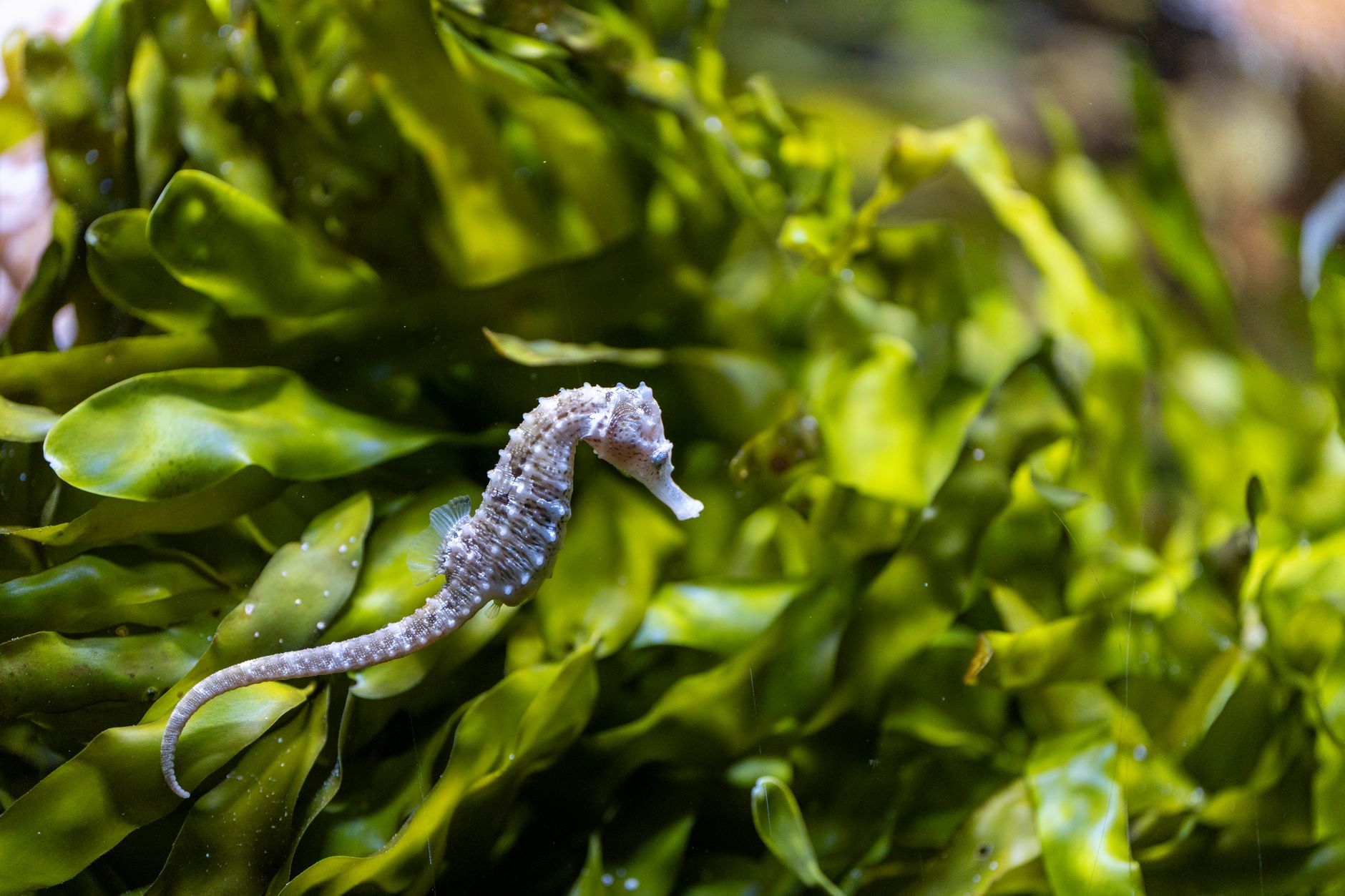
Seahorses, with their enchanting equine appearance and unique biology, captivate the imagination. However, their size, or rather, the range of their sizes, is often a point of fascination. How big can seahorses get? The answer, as with many things in the natural world, is not a simple one. Seahorse size varies dramatically across different species, showcasing a remarkable example of adaptation and biodiversity within a single genus, Hippocampus. From the minuscule pygmy seahorses to the comparatively gigantic big-belly seahorses, these captivating creatures occupy a diverse spectrum of dimensions.
Is distilled water good for goldfish?
What colours are fish most attracted to?
Can you put your finger in a trout's mouth?
Is methylene blue anti bacterial?
Factors Influencing Seahorse Size
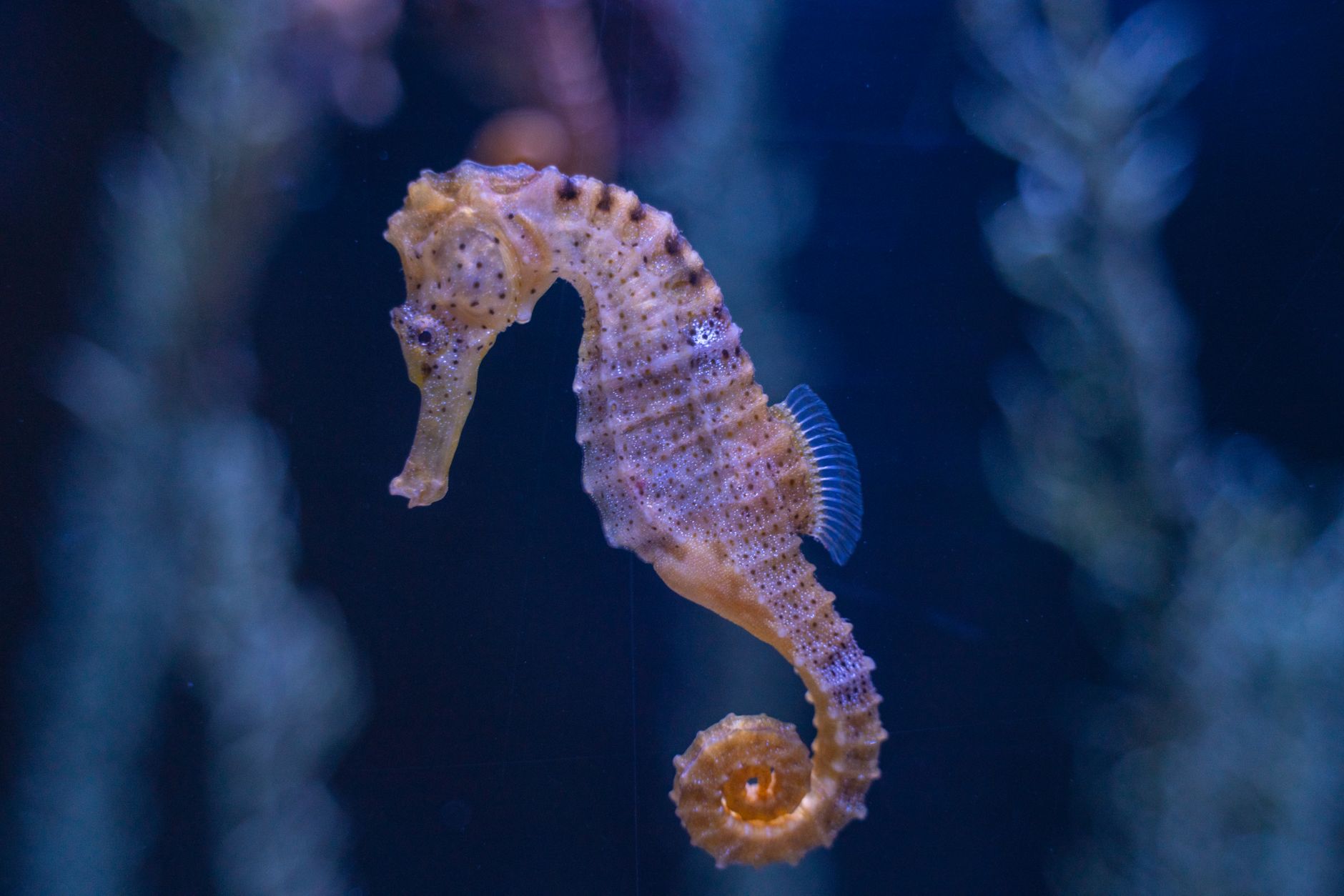
Several factors contribute to the variations in seahorse size. These include genetics, diet, habitat, and environmental conditions.
- Genetics: Each seahorse species has a distinct genetic makeup that determines its potential size.
- Diet: A consistent and nutritious diet is essential for seahorse growth. A diet rich in small crustaceans, such as copepods and amphipods, provides the necessary building blocks for tissue development.
- Habitat: The availability of suitable habitat, including access to food and protection from predators, can influence seahorse size. Degradation or loss of habitat can negatively impact growth rates.
- Environmental Conditions: Water temperature, salinity, and water quality all play a role in seahorse development. Optimal conditions promote healthy growth, while unfavorable conditions can stunt growth.
The Giants: Big-Belly and Thorny Seahorses
The undisputed heavyweights of the seahorse world are the big-belly seahorse (Hippocampus abdominalis) and the thorny seahorse (Hippocampus histrix).
- Big-Belly Seahorse (Hippocampus abdominalis): Native to the waters around Australia and New Zealand, this species is renowned for its impressive size. Adults can reach lengths of up to 35 centimeters (13.8 inches). Their diet mainly consists of small crustaceans and other invertebrates.
- Thorny Seahorse (Hippocampus histrix): Found in the Indo-Pacific region, the thorny seahorse is easily identified by the numerous spines covering its body. It can grow up to 17 centimeters (6.7 inches). This species inhabits coral reefs and seagrass beds.
The Pygmies: Satomi’s and Denise’s Seahorses
At the other end of the spectrum are the pygmy seahorses, some of the smallest vertebrates on Earth. These miniature marvels are masters of camouflage and are often overlooked in their natural habitats.
- Satomi’s Pygmy Seahorse (Hippocampus satomiae): Discovered in 2008, this species is arguably the smallest seahorse, reaching a maximum length of just 1.4 centimeters (0.55 inches). It is found in the waters of Borneo and Indonesia.
- Denise’s Pygmy Seahorse (Hippocampus denise): Slightly larger than Satomi’s pygmy seahorse, Denise’s pygmy seahorse reaches lengths of up to 2.4 centimeters (0.94 inches). This species is found in coral reefs throughout the western Pacific Ocean.
Size Comparison Table
The following table summarizes the maximum size of several seahorse species:
| Species | Maximum Size (cm) | Maximum Size (inches) | Region |
|---|---|---|---|
| Big-Belly Seahorse | 35 | 13.8 | Australia & New Zealand |
| Thorny Seahorse | 17 | 6.7 | Indo-Pacific |
| Lined Seahorse | 15 | 5.9 | Western Atlantic |
| Knysna Seahorse | 12 | 4.7 | South Africa |
| Satomi’s Pygmy Seahorse | 1.4 | 0.55 | Borneo & Indonesia |
| Denise’s Pygmy Seahorse | 2.4 | 0.94 | Western Pacific |
Conservation Implications
Understanding the size variations among seahorse species is crucial for conservation efforts. Smaller species, such as pygmy seahorses, are often more vulnerable to habitat loss and degradation due to their limited ranges and specialized habitat requirements. Accurately assessing seahorse populations, considering size differences, provides essential data for effective conservation management strategies. These strategies help address threats such as overfishing and habitat destruction.
FAQ:
What is the average size of a seahorse?
The average size is difficult to pinpoint because of the wide size range among the 40+ different species. While some are barely larger than a fingernail, others can grow to nearly 14 inches.
Are male or female seahorses typically larger?
Generally, there’s no significant size difference between male and female seahorses within the same species. Variations in size are more attributed to individual genetics, diet, and environmental factors than to sex.
How fast do seahorses grow?
Seahorse growth rates vary by species and environmental conditions. Some smaller species reach maturity within a few months, while larger species may take a year or more.
What do seahorses eat to grow so big?
Seahorses primarily feed on small crustaceans, such as copepods, amphipods, and shrimp larvae. Larger species may also consume small fish and other invertebrates. A diet rich in these nutrients is essential for growth and development.
Does temperature affect seahorse size?
Yes, water temperature can significantly affect seahorse size. Warmer temperatures can accelerate growth rates, while colder temperatures can slow them down. However, extreme temperatures can also be detrimental to their health.
Do seahorses grow throughout their entire lives?
Like many fish, seahorses continue to grow throughout their lives, but their growth rate slows down as they reach maturity. Most of their growth occurs during their juvenile stages.
Are seahorses endangered?
Several seahorse species are considered threatened or endangered due to habitat loss, overfishing (often as bycatch), and the traditional medicine trade. The IUCN Red List provides detailed assessments of the conservation status of individual species.
Why is it important to know How big can seahorses get?
Understanding the size range of seahorses is important for several reasons, including conservation efforts, habitat management, and species identification. It also allows researchers to study their growth patterns and adaptations.
Where can I see large seahorses in the wild?
Large seahorse species, such as the big-belly seahorse, can be observed in the coastal waters of Australia and New Zealand. Divers and snorkelers can sometimes spot them in seagrass beds, rocky reefs, and kelp forests.
Can seahorses change color to camouflage themselves, and does this affect their size?
Seahorses are renowned for their ability to change color to blend in with their surroundings. However, color change does not directly affect their size. Camouflage is primarily a defense mechanism and a way to ambush prey.
What are the main threats impacting the largest seahorse species?
The main threats to large seahorse species include habitat destruction, overfishing (as bycatch), and collection for the aquarium trade. Pollution and climate change also pose significant risks.
How can I help protect seahorses?
You can help protect seahorses by supporting sustainable seafood choices, reducing your carbon footprint, advocating for marine conservation, and avoiding the purchase of seahorses or products made from them. Spreading awareness about the importance of seahorse conservation is also crucial.