

How to Safely and Humanely Move a Sick Fish to a Quarantine Tank
Safely moving a sick fish to a quarantine tank involves careful preparation, a gentle approach, and a keen understanding of the fish’s condition to minimize stress and promote recovery. The process essentially involves preparing the quarantine tank, acclimating the fish to the new environment, and monitoring its health closely during its stay.

Why Quarantine Sick Fish?
Quarantining a sick fish is essential for several reasons, primarily to prevent the spread of disease to the rest of your aquarium inhabitants. By isolating the ill fish, you can:
- Prevent the spread of contagious diseases to healthy fish.
- Provide a stress-free environment for the sick fish to recover.
- Administer medication more effectively without affecting the entire tank.
- Closely monitor the sick fish’s condition and adjust treatment as needed.
- Observe the fish without competition for food or space from other fish.

How many fish can you put in a 200 gallon tank?
Can I put pink Himalayan salt in a fish tank?
What fish is Flo?
How intelligent are fish?
Setting Up the Quarantine Tank
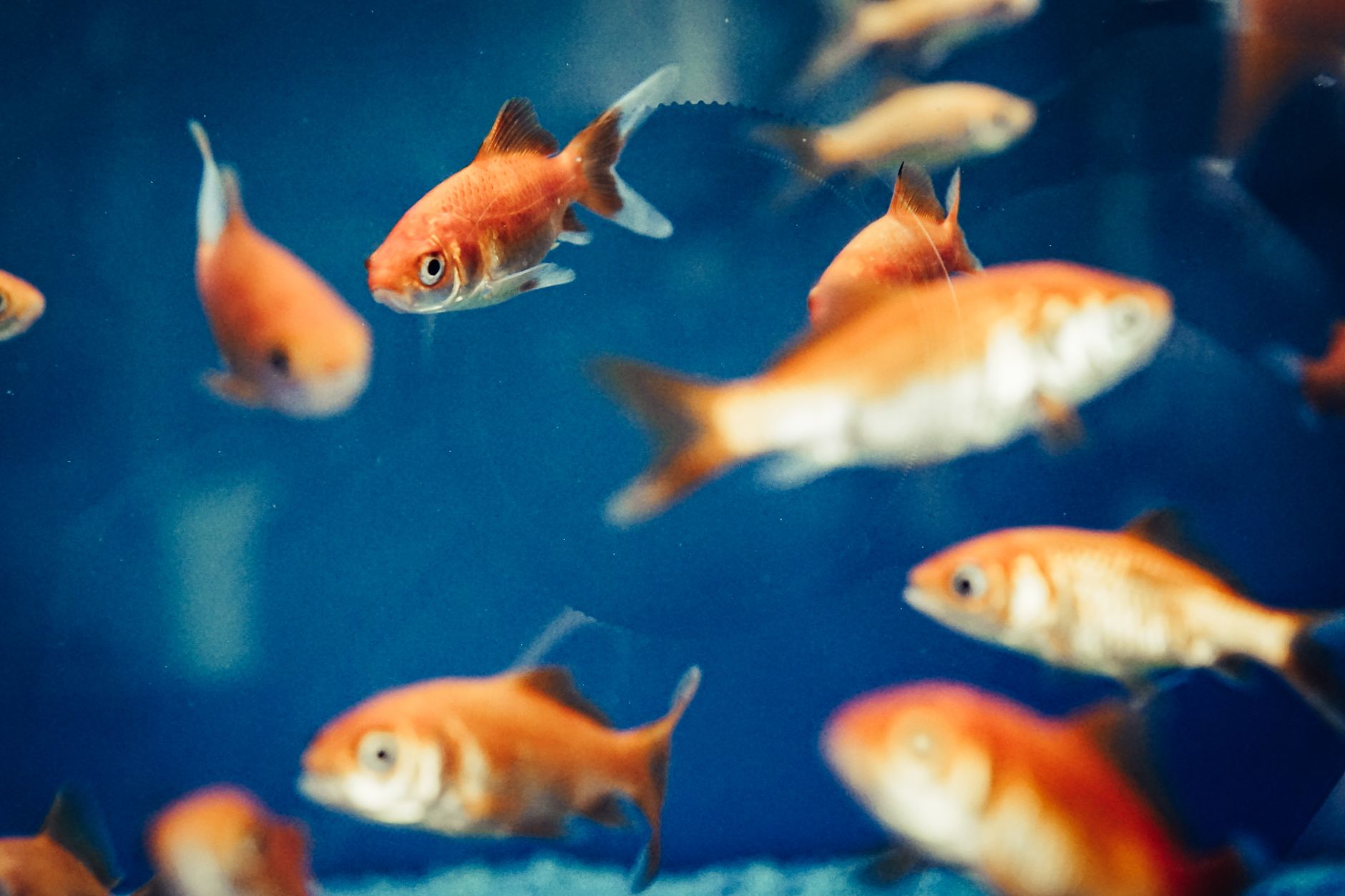
Proper preparation of the quarantine tank is crucial for the fish’s well-being. The tank should mimic the conditions of the main aquarium as closely as possible.
- Tank Size: A 10-20 gallon tank is usually sufficient for most freshwater fish. For larger fish, you’ll need a correspondingly larger tank.
- Water: Use water from the main aquarium to minimize stress on the fish. Fill about half the tank, and then use treated new water.
- Filter: A sponge filter is ideal, as it provides gentle filtration and harbors beneficial bacteria. You can seed it with media from your main tank’s filter for faster cycling.
- Heater and Thermometer: Maintain the same temperature as the main aquarium. Regularly monitor the temperature.
- Air Stone: Add an air stone to provide adequate oxygenation, especially important during treatment.
- Decorations: Provide minimal decorations like a piece of PVC pipe or a smooth rock for the fish to hide in. Avoid gravel initially, as it can make observation and cleaning difficult.
- No Substrate: For ease of cleaning and observation, leave the bottom of the tank bare.
The Transfer Process: Minimizing Stress
How do you move a sick fish to a quarantine tank? Carefully and gently. Stress can worsen a fish’s condition, so it’s important to be as gentle and efficient as possible.
- Dim the Lights: Reduce stress by dimming the lights in both the main tank and the quarantine tank.
- Use a Container: Avoid using a net whenever possible. A smooth-sided container (like a plastic cup or bowl) is much gentler. Gently guide the fish into the container.
- Slow Transfer: Carefully lift the container and slowly move the fish to the quarantine tank.
- Acclimation: Float the container in the quarantine tank for 15-30 minutes to equalize the temperature. Gradually add small amounts of water from the quarantine tank to the container to allow the fish to acclimate to the water chemistry.
- Release: Gently release the fish into the quarantine tank.
- Observation: Observe the fish closely for signs of stress or further illness.
Monitoring and Treatment
Once the fish is in the quarantine tank, diligent observation and appropriate treatment are critical.
- Observe: Watch for changes in behavior, appetite, and physical appearance. Note any symptoms of illness.
- Diagnosis: If possible, identify the disease affecting your fish. Research reliable sources for accurate information.
- Treatment: Administer medication according to the instructions. Ensure the medication is compatible with the fish species and the quarantine tank environment.
- Water Changes: Perform regular water changes (25-50%) to maintain water quality. Use dechlorinated water that has been temperature-matched.
- Record Keeping: Keep a detailed log of your fish’s behavior, treatments, and water parameters. This helps track progress and adjust treatment as needed.
Common Mistakes to Avoid
- Rushing the Process: Rushing can cause unnecessary stress. Take your time and be gentle.
- Using a Net: Nets can damage the fish’s slime coat, making them more susceptible to infection.
- Ignoring Water Quality: Poor water quality can hinder recovery. Perform regular water changes and monitor parameters.
- Overmedicating: Follow medication instructions carefully. Overmedicating can be harmful.
- Quarantining Healthy Fish: Never add a healthy fish to a quarantine tank with a sick fish. Only quarantine potentially infected fish.
- Lack of Observation: Not observing the fish for changes will make it harder to track progress and give the fish the proper medicine.
Frequently Asked Questions (FAQs)
How long should I quarantine a sick fish?
The quarantine period varies depending on the type of illness and the fish’s recovery. Generally, a quarantine period of 2-4 weeks is recommended. Continue the quarantine until the fish shows no signs of illness for at least a week.
Can I use a new tank as a quarantine tank without cycling it?
While it’s best to have a cycled quarantine tank, it’s often not practical in emergency situations. In an uncycled tank, perform daily water changes of 25-50% to prevent ammonia and nitrite buildup, both of which are toxic to fish. Use a water conditioner that detoxifies ammonia and nitrite. Monitor water parameters closely.
What if the sick fish isn’t eating in the quarantine tank?
A loss of appetite is common in sick fish. Try offering different types of food, including live or frozen food. Soak the food in garlic juice, which can stimulate appetite. Ensure the water quality is optimal and minimize stress. If the fish continues to refuse food, consult a veterinarian or experienced fish keeper.
What medications should I keep on hand for treating sick fish?
Having a basic first-aid kit for fish is a good idea. Common medications to keep on hand include:
- Ich treatment (for white spot disease)
- Antibiotics (for bacterial infections)
- Antifungal medication (for fungal infections)
- Parasite treatment (for internal and external parasites)
- Water conditioner
- Aquarium salt
Is aquarium salt safe for all fish species?
No, aquarium salt is not safe for all fish. Some species, like scaleless fish (e.g., catfish) and certain sensitive fish, are intolerant to salt. Research the specific needs of your fish species before adding salt to the quarantine tank.
How do I clean the quarantine tank after the fish recovers?
After the fish has recovered and is returned to the main tank, thoroughly clean the quarantine tank. Discard the water, remove decorations, and scrub the tank with hot water (no soap). Disinfect the tank with a bleach solution (1 part bleach to 9 parts water), then rinse thoroughly until all traces of bleach are gone. Allow the tank to air dry completely before using it again.
Can I use the same net for both the main tank and the quarantine tank?
No, it’s not recommended to use the same net for both tanks. This can spread pathogens from the quarantine tank to the main tank. Use a separate net for each tank, or disinfect the net after each use.
What are the signs of stress in fish?
Recognizing the signs of stress is crucial for preventing further health issues. Common signs of stress in fish include:
- Rapid breathing
- Clamped fins
- Erratic swimming
- Loss of appetite
- Hiding or staying at the bottom of the tank
- Pale coloration
- Increased mucus production
How can I prevent fish from getting sick in the first place?
Prevention is always better than cure. Key strategies for preventing fish diseases include:
- Maintaining excellent water quality through regular water changes and proper filtration.
- Providing a balanced diet suitable for your fish species.
- Avoiding overcrowding the aquarium.
- Quarantining new fish before introducing them to the main tank.
- Avoiding sudden changes in water parameters.
- Monitoring your fish for early signs of illness.
Should I turn off the lights in the quarantine tank?
Dimming the lights is generally beneficial to reduce stress, especially during the initial transfer. However, completely turning off the lights may not be ideal for long periods, as it can disrupt the fish’s natural day-night cycle. A dim or shaded light is usually the best option.
What do I do if my sick fish is getting worse despite treatment?
If your fish’s condition worsens despite treatment, it’s crucial to reassess the diagnosis and treatment plan. Consult with a veterinarian or experienced fish keeper. Consider the possibility of a misdiagnosis or a secondary infection. Ensure the water quality is optimal and that the treatment is being administered correctly.
How often should I be checking in on the fish in the quarantine tank?
You should be checking on the sick fish at least twice a day, ideally more often. This allows you to monitor their behavior, appetite, and physical condition, as well as check water parameters and administer medication. Early detection of any changes is crucial for effective treatment and recovery. How do you move a sick fish to a quarantine tank? With care and constant evaluation.