

What Happens When a Hermit Crab Buries Itself? Understanding the Subterranean Life of Land Hermit Crabs
When a hermit crab buries itself, it’s typically molting, destressing, or seeking humidity; understanding these behaviors is essential for responsible crab care. The process involves the crab digging into the substrate, creating a small chamber, and undergoing physiological changes like shedding its exoskeleton or regulating its moisture levels.
Introduction: Unveiling the Secrets of the Substrate
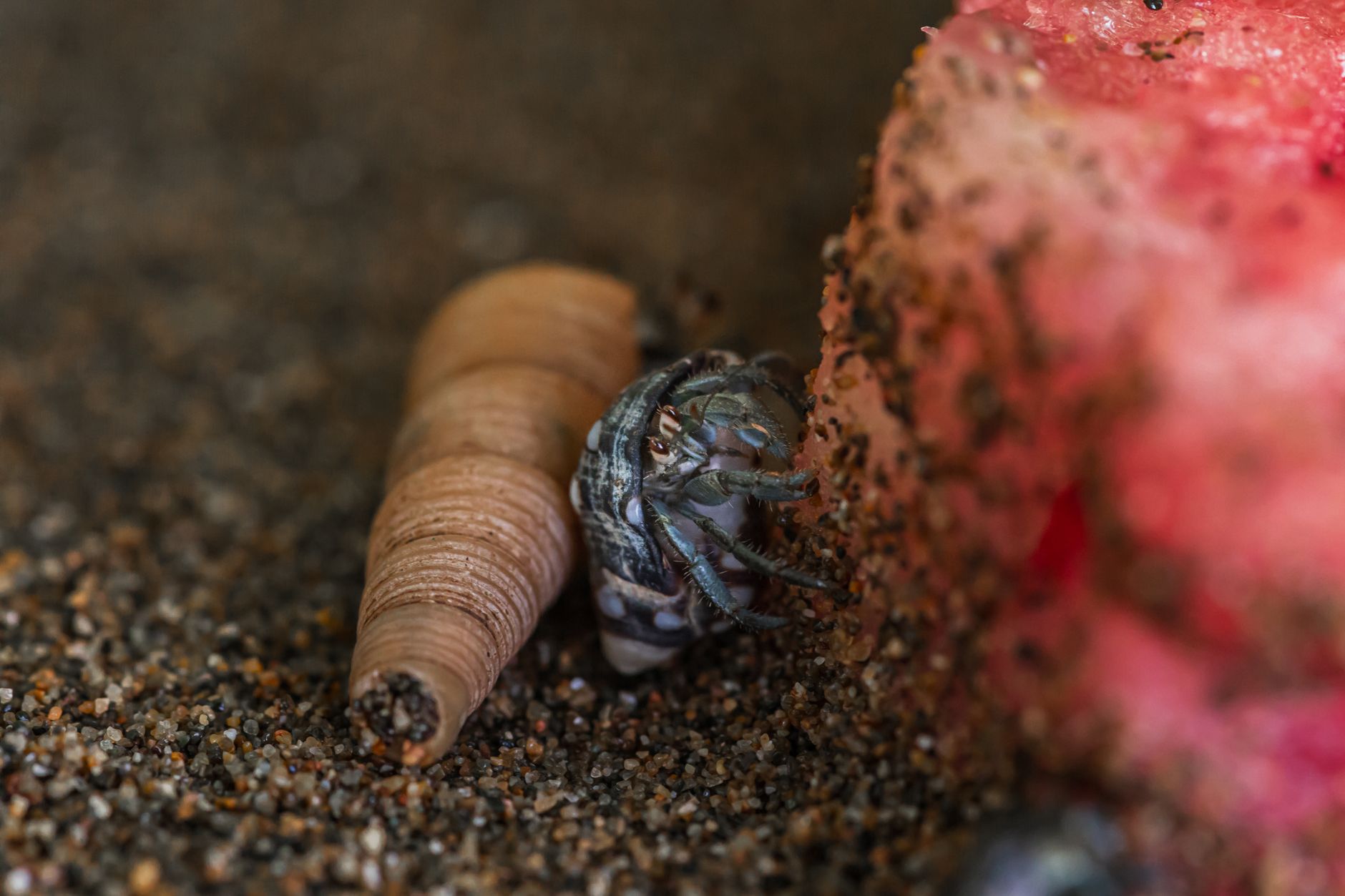
Hermit crabs, those fascinating scavengers often found sporting borrowed shells, lead surprisingly complex lives. One of the most intriguing aspects of their behavior is their tendency to bury themselves in the substrate. What happens when a hermit crab buried itself? It’s not simply a random act; it’s usually a carefully planned part of their survival strategy. This article delves into the reasons behind this behavior, the processes involved, and what you, as a responsible hermit crab owner, should know. Understanding these subterranean activities is crucial for providing a healthy and enriching environment for your shelled companions.

Is distilled water good for goldfish?
What colours are fish most attracted to?
Can you put your finger in a trout's mouth?
Is methylene blue anti bacterial?
Reasons for Burial: Molting, Destressing, and Hydration

Hermit crabs bury themselves for a variety of reasons, each playing a vital role in their well-being. The most common reasons are:
- Molting: This is perhaps the most crucial reason. As arthropods, hermit crabs need to shed their exoskeletons to grow. The process is stressful and leaves them vulnerable, so they bury themselves for protection.
- Destressing: Like any animal, hermit crabs can experience stress. Burying themselves allows them to escape the hustle and bustle of their environment and find a sense of security.
- Humidity Regulation: Hermit crabs need a humid environment to breathe properly through their modified gills. Burying themselves in damp substrate helps them maintain optimal moisture levels.
- Egg Laying (for females): Female hermit crabs will sometimes bury themselves to lay and protect their eggs in the substrate.
The Molting Process: A Vulnerable Transformation
The molting process is a significant event in a hermit crab’s life. It is how they grow. What happens when a hermit crab buried itself to molt?
- Preparation: The crab will dig a burrow deep enough to comfortably accommodate its body.
- Shedding: The crab will shed its old exoskeleton, a process that can take hours or even days.
- Hardening: The new exoskeleton is soft and vulnerable. The crab absorbs nutrients and minerals from the shed exoskeleton and the surrounding substrate to harden its new shell. This can take weeks or even months.
- Emergence: Once the new exoskeleton is hardened, the crab will emerge from its burrow, larger and stronger.
Substrate: The Foundation of a Healthy Habitat
The type of substrate used in a hermit crab’s enclosure is critical for successful molting and overall health. The ideal substrate should be:
- Deep: At least 6 inches deep, allowing the crabs to fully bury themselves.
- Moist: Damp enough to hold its shape when squeezed but not so wet that it’s soggy.
- Safe: Free of chemicals and pesticides.
- Appropriate Texture: A mixture of playsand and coconut fiber (eco earth) is ideal.
Potential Problems: Impaction and Molting Failure
While burying is a natural behavior, problems can arise:
- Impaction: If the substrate is too dry or contains large particles, the crab may ingest it, leading to impaction in their digestive system.
- Molting Failure: If the crab is stressed, malnourished, or the environment is not suitable, it may experience molting failure, which can be fatal.
- Substrate Collapse: If the substrate is too dry or not packed correctly, the burrow may collapse, trapping the crab.
What to do if you see your hermit crab is burying itself?
- Do not disturb them! Assume they are molting.
- Maintain consistent temperature and humidity. This is important for molting crabs.
- Keep food and water dishes full. The other crabs need to eat, even if one is molting.
- Be patient. The molting process can take a long time.
Understanding Aggression During Molting
One of the most misunderstood aspects of hermit crab behavior is aggression, especially toward buried crabs. Other crabs might dig up and attack a molting crab because they are attracted to the scent of its exoskeleton. This is why a deep substrate is crucial, so the molting crab is safely out of reach.
A Note on Surface Molting
While burying is the norm, some hermit crabs may attempt to molt on the surface. This usually indicates a problem with the substrate or the crab’s health. Surface molting crabs are extremely vulnerable and require immediate attention. Make sure the humidity is high and try to cover them gently with a container.
Summary
| Feature | Importance |
|---|---|
| Substrate Depth | Ensures proper burrowing and protection during molting. |
| Humidity | Crucial for respiration and successful molting. |
| Diet | A balanced diet provides the nutrients needed for molting and overall health. |
| Minimal Stress | Reducing stress levels promotes successful molting and a healthy environment. |
Frequently Asked Questions (FAQs)
Why is my hermit crab buried for so long?
A hermit crab can stay buried for weeks, or even months, primarily when molting. The length of time depends on the size of the crab, its health, and the environmental conditions. Do not disturb it during this time, as interrupting the molting process can be fatal.
How do I know if my hermit crab is dead or just molting?
Distinguishing between a molting crab and a dead crab can be tricky. Look for these signs: A dead crab will have a foul odor and its body will be soft and decomposing. A molting crab, even when its exoskeleton is shed, will still have some rigidity and no strong odor. If in doubt, leave it undisturbed!
Can I dig up my hermit crab to check on it?
Absolutely not! Digging up a buried hermit crab is extremely stressful and can disrupt the molting process, potentially leading to injury or death. Patience is key. Leave it undisturbed until it emerges on its own.
What kind of substrate is best for hermit crabs?
The best substrate for hermit crabs is a mixture of playsand and coconut fiber (eco earth). This combination provides the right texture for burrowing and retains moisture well, creating a suitable environment for molting and destressing.
How deep should the substrate be in my hermit crab tank?
The substrate should be at least 6 inches deep, and preferably deeper for larger crabs. This allows them to fully bury themselves and create a secure burrow for molting and destressing.
How often do hermit crabs molt?
Younger hermit crabs molt more frequently, sometimes every few months, as they grow rapidly. Older crabs may only molt once a year or even less often.
What should I do if my hermit crab is molting on the surface?
A surface molting hermit crab is in immediate danger. Gently cover it with an empty plastic cup or small container to protect it from other crabs. Ensure the humidity is high and avoid disturbing it. This can indicate an issue with substrate depth or tank humidity.
Is it normal for other hermit crabs to eat the molted exoskeleton?
Yes, it is perfectly normal and beneficial for other hermit crabs to eat the molted exoskeleton. The exoskeleton is a valuable source of calcium and other minerals that are essential for their growth and health.
How do I maintain the right humidity in my hermit crab tank?
You can maintain the right humidity in your hermit crab tank by using a substrate that retains moisture well, such as coconut fiber. Misting the tank regularly with dechlorinated water can also help. A hygrometer is essential to monitor humidity levels, which should be between 70-80%.
What if my hermit crab is digging a lot but not burying?
This could be a sign that your hermit crab is stressed or uncomfortable. Check the temperature and humidity levels in the tank, ensure the substrate is deep enough, and provide plenty of hiding places. Overcrowding can also be a cause.
Can hermit crabs drown if the substrate is too wet?
Yes, hermit crabs can drown if the substrate is too wet or if there is standing water in the tank. The substrate should be damp but not soggy. Good drainage is essential to prevent this.
What kind of food should I feed my hermit crab to help it molt successfully?
A balanced diet rich in calcium, protein, and other essential nutrients is crucial for successful molting. Offer a variety of foods, including commercial hermit crab food, fruits, vegetables, and protein sources like dried shrimp or bloodworms. Calcium supplements are also recommended.