

How Big Can a Carpet Anemone Get? Unveiling the Giants of the Reef
The largest species of carpet anemone, namely Stichodactyla gigantea, can reach an astounding size, with diameters exceeding 3 feet (90 centimeters). This makes them some of the most imposing invertebrates in the coral reef ecosystem.
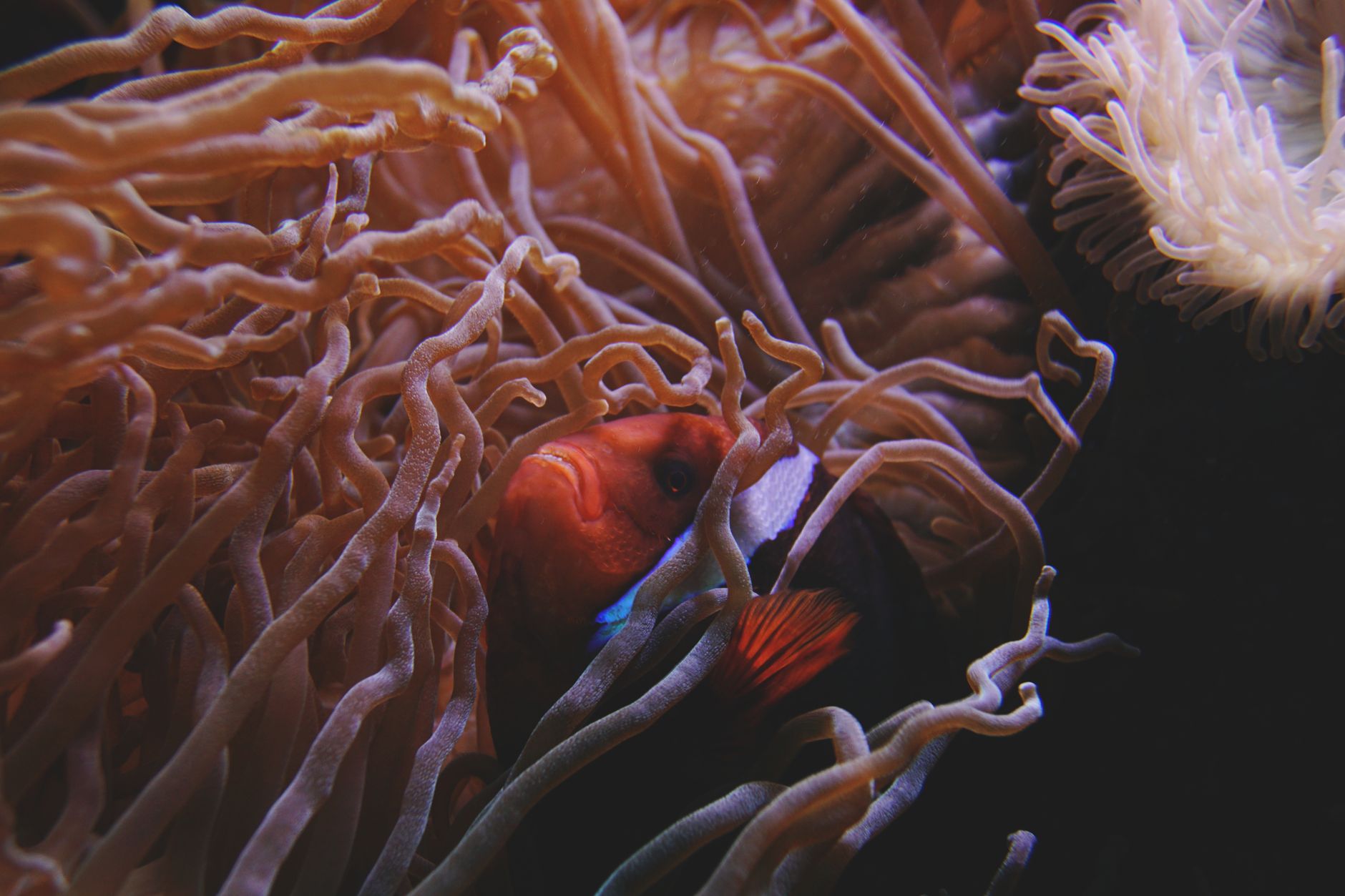
Introduction: A World of Underwater Giants
Carpet anemones are captivating creatures, renowned for their vibrant colors and the symbiotic relationships they form with certain clownfish species. But beyond their aesthetic appeal lies a fascinating question: How big can a carpet anemone get? These fascinating invertebrates are not just beautiful; they are vital components of the coral reef ecosystem, offering shelter and sustenance to a variety of marine life. This article delves into the fascinating world of carpet anemones, exploring the factors that contribute to their impressive size, the different species and their varying dimensions, and the importance of understanding these magnificent marine organisms.

Is distilled water good for goldfish?
What colours are fish most attracted to?
Can you put your finger in a trout's mouth?
Is methylene blue anti bacterial?
Species and Size Variations

Not all carpet anemones are created equal. Different species exhibit significant variations in size, color, and tentacle morphology. Understanding these differences is crucial to appreciating the diversity within this group.
-
Stichodactyla gigantea: As mentioned earlier, the giant carpet anemone is the undisputed champion in terms of size, regularly exceeding two feet in diameter and capable of reaching over three feet in optimal conditions. These anemones are frequently found in vibrant hues of blue, green, and purple.
-
Stichodactyla haddoni: The Haddon’s carpet anemone is another large species, but generally smaller than S. gigantea. They typically reach sizes of around 20 inches (50 centimeters). They often display brown or green coloration.
-
Stichodactyla tapetum: This is the smallest of the carpet anemone species commonly found in the aquarium trade. These anemones rarely exceed 12 inches (30 centimeters) in diameter.
| Species | Common Name | Typical Size (Diameter) | Common Coloration |
|---|---|---|---|
| S. gigantea | Giant Carpet Anemone | Up to 3+ feet (90+ cm) | Blue, Green, Purple |
| S. haddoni | Haddon’s Carpet | Around 20 inches (50 cm) | Brown, Green |
| S. tapetum | Mini Carpet Anemone | Up to 12 inches (30 cm) | Brown, Green |
Factors Influencing Size
Several environmental and biological factors influence how big can a carpet anemone get. These include:
- Nutrient Availability: Anemones rely on both photosynthesis (via symbiotic algae) and capturing prey for their nutrition. Access to adequate nutrients, such as phosphates and nitrates, within acceptable levels, significantly affects growth. Too much or too little of these nutrients can negatively impact the anemone’s health.
- Light Intensity: Carpet anemones host symbiotic algae called zooxanthellae in their tissues. These algae perform photosynthesis, providing the anemone with energy. Sufficient light is crucial for this process, influencing the anemone’s overall health and growth rate.
- Water Quality: Pristine water conditions are paramount for the well-being of carpet anemones. Maintaining stable salinity, pH, and temperature levels is essential for their optimal growth.
- Current: Moderate water flow brings food and oxygen to the anemone while carrying away waste products. However, excessively strong currents can stress the anemone.
- Age: Like most living organisms, carpet anemones grow over time. A healthy, well-cared-for anemone can continue to increase in size for many years.
Symbiotic Relationships and Growth
The symbiotic relationship between carpet anemones and clownfish is a well-known example of mutualism. The clownfish gain protection from predators by residing within the anemone’s stinging tentacles, while the anemone benefits from the clownfish’s waste products, which provide nutrients. It’s also thought that the clownfish may provide some form of aeration or cleaning for the anemone. This relationship is important for S. gigantea as they do not like being in areas with high flow.
Conservation Concerns
While carpet anemones are not currently listed as endangered, habitat destruction and over-collection for the aquarium trade pose significant threats to their populations. Responsible aquarium keeping and conservation efforts are crucial to ensuring the survival of these magnificent creatures. Understanding how big can a carpet anemone get helps us appreciate their ecological role and motivates us to protect them.
Frequently Asked Questions (FAQs)
Can a carpet anemone grow too big for my aquarium?
Yes, absolutely. Stichodactyla gigantea, in particular, can outgrow even large aquariums. Careful consideration should be given to the anemone’s potential mature size before introducing it to your tank. Smaller tanks can be suitable for the species S. tapetum.
How long does it take for a carpet anemone to reach its maximum size?
The growth rate of a carpet anemone varies depending on factors such as water quality, lighting, and nutrient availability. Generally, it can take several years for a Stichodactyla gigantea to reach its maximum size in the right conditions. Regular monitoring of growth and ensuring optimal tank conditions are very important.
What do carpet anemones eat?
Carpet anemones are opportunistic feeders, consuming a variety of invertebrates and small fish. In the aquarium, they can be fed small pieces of fish, shrimp, or other meaty foods. It’s important to provide a varied diet to ensure their nutritional needs are met.
Are carpet anemones difficult to keep in an aquarium?
Carpet anemones are considered intermediate to difficult to keep. They require stable, pristine water conditions, intense lighting, and adequate feeding. They are not recommended for beginner aquarists. Research before getting any animal is very important, especially with more difficult animals.
What are the ideal water parameters for carpet anemones?
Ideal water parameters include a temperature of 72-78°F (22-26°C), a salinity of 1.024-1.026, a pH of 8.1-8.4, and low levels of nitrates and phosphates. Regular water testing and maintenance are essential.
What type of lighting do carpet anemones need?
Carpet anemones require intense lighting to support the symbiotic algae in their tissues. Metal halide or LED lighting systems are generally recommended. The intensity and spectrum of the light should be appropriate for the specific species.
How can I tell if my carpet anemone is healthy?
A healthy carpet anemone will have a vibrant color, a firm texture, and readily accept food. Signs of an unhealthy anemone include a pale color, a deflated appearance, and a lack of appetite.
Can I keep a carpet anemone with other invertebrates?
While possible, caution is advised. Some invertebrates, such as certain shrimp or crabs, may harass or even prey on carpet anemones. It’s important to research the compatibility of any invertebrates you plan to keep with your anemone.
What happens if a clownfish doesn’t host in a carpet anemone?
While carpet anemones are natural hosts for some clownfish species, not all clownfish will readily host in them. Sometimes the clownfish may simply choose another host, or not host at all. If this happens, make sure the clownfish is otherwise acting healthy and eating well.
How do I prevent my carpet anemone from moving around the aquarium?
Carpet anemones can sometimes move around the aquarium in search of a more suitable location. Ensuring proper water flow, lighting, and substrate can help encourage them to stay in place. It’s also important to provide them with a stable base to attach to.
Are carpet anemones poisonous to humans?
Carpet anemones possess stinging cells called nematocysts, which can deliver a painful sting to humans. While not typically life-threatening, the sting can cause localized pain, redness, and swelling. Handle carpet anemones with caution and wear gloves when necessary.
How does the size of a carpet anemone impact the size of the aquarium needed?
Understanding how big can a carpet anemone get is crucial for proper aquarium setup. A giant carpet anemone (Stichodactyla gigantea) needs a significantly larger aquarium than a mini carpet anemone (Stichodactyla tapetum). S. gigantea would be best kept in aquariums over 180 gallons to allow for proper growth and to maintain water parameters. The space ensures adequate water volume for stability and room for the anemone to expand fully.