

Why North Dakota Is a Fossil Hunter’s Paradise: Unearthing the Past
The abundance of fossils in North Dakota is primarily due to a unique combination of high sedimentation rates, favorable preservation conditions within ancient river systems and floodplains, and ongoing erosion that continually exposes these fossil-rich layers. Why are there so many fossils in North Dakota? Because the geological history lined up just right!
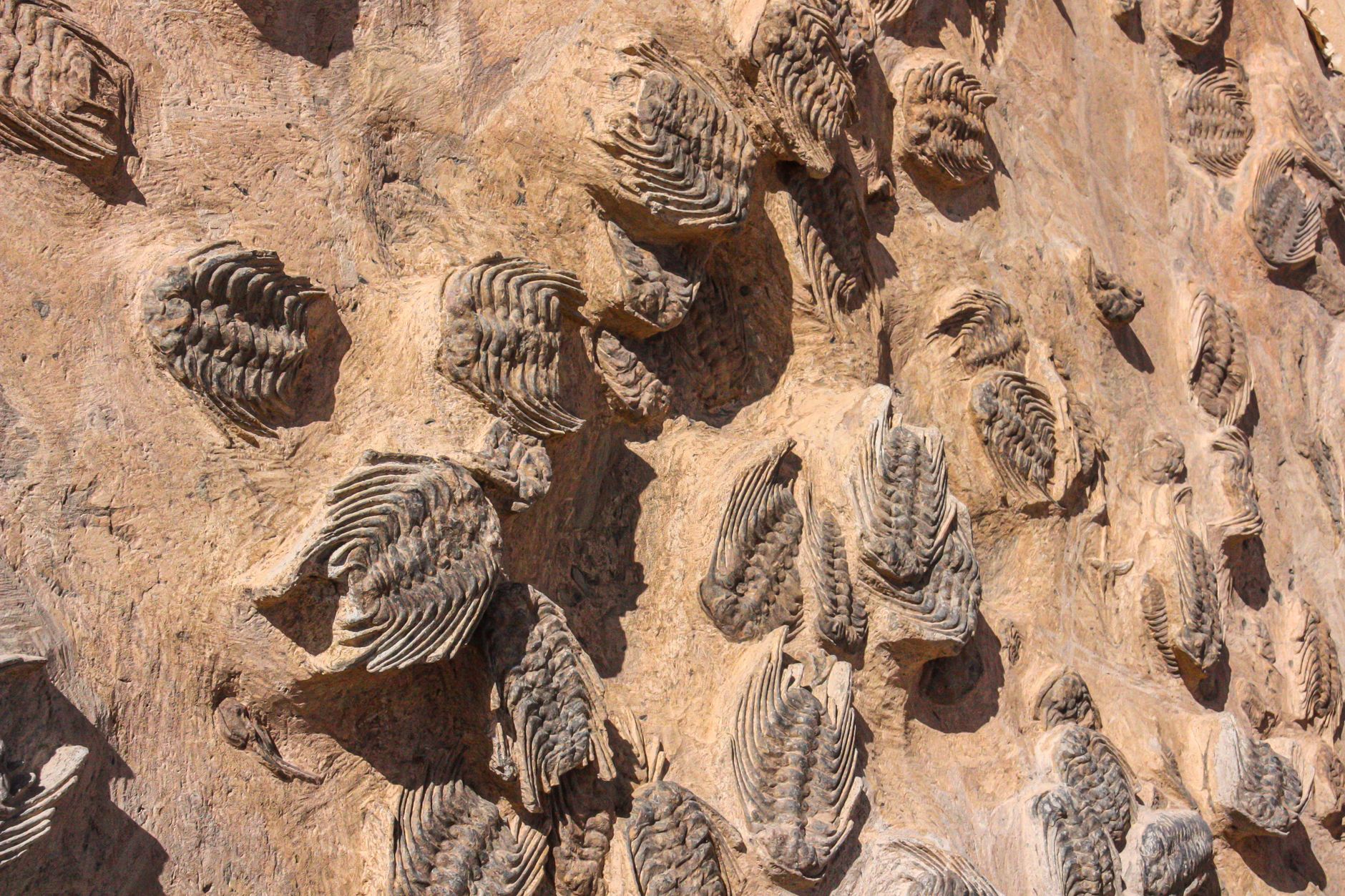
A Deep Dive into North Dakota’s Fossil Heritage
North Dakota is renowned as a veritable treasure trove of fossils, attracting paleontologists and amateur enthusiasts alike. But what is it about this region that makes it such a prime location for unearthing remnants of ancient life? The answer lies in a convergence of geological factors that occurred millions of years ago and continue to shape the landscape today.

What colours are fish most attracted to?
Can you put your finger in a trout's mouth?
Is methylene blue anti bacterial?
Does aquarium salt raise pH in aquarium?
The Cretaceous Period: A Sea of Opportunity
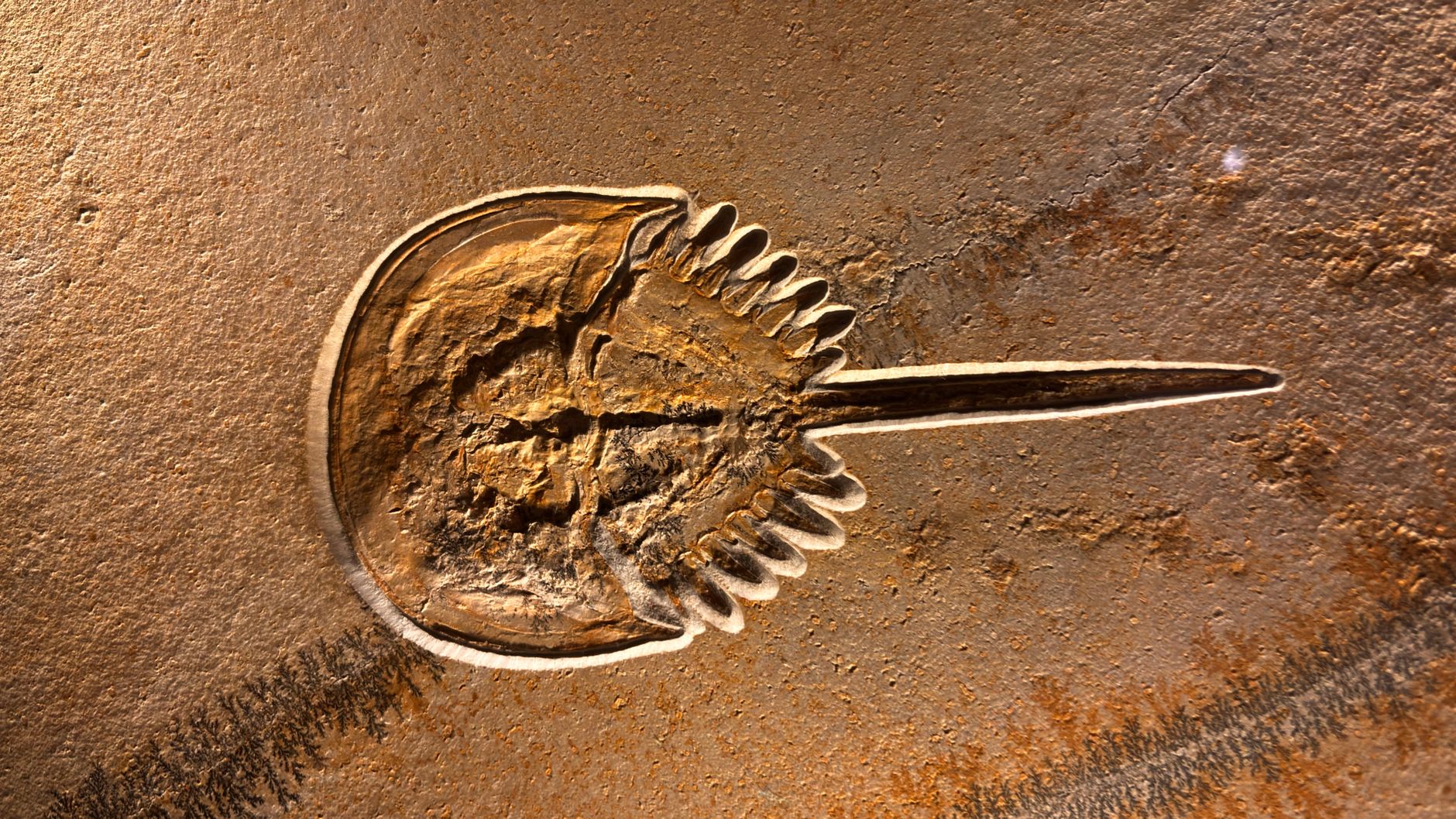
The Cretaceous Period, specifically the Late Cretaceous, was a pivotal time for fossil formation in what is now North Dakota. During this period, a vast inland sea, the Western Interior Seaway, covered much of North America. This seaway played a crucial role in the deposition of sediments that would eventually become the fossil-bearing rocks we see today.
- Shallow Marine Environment: The shallow waters of the seaway teemed with marine life, including ammonites, mosasaurs, and various species of fish.
- Abundant Sedimentation: Rivers flowing into the seaway carried massive amounts of sediment from the surrounding land, burying organisms and creating ideal conditions for fossilization.
- Oxygen-Poor Conditions: In some areas, the bottom waters of the seaway were oxygen-depleted, slowing down decomposition and increasing the likelihood of fossil preservation.
The Hell Creek Formation: A Dinosaur Graveyard
Following the retreat of the Western Interior Seaway, the Hell Creek Formation was deposited during the Late Cretaceous and Early Paleocene epochs. This formation is particularly famous for its dinosaur fossils, including Tyrannosaurus rex and Triceratops.
- Fluvial Environment: The Hell Creek Formation represents a complex network of rivers, floodplains, and swamps.
- Rapid Burial: The rapid burial of organisms in these environments helped to protect them from scavengers and weathering, promoting fossilization.
- Diverse Ecosystem: The Hell Creek Formation preserves a rich tapestry of plant and animal life, providing a snapshot of the ecosystem that existed before the Cretaceous-Paleogene extinction event.
The Badlands: Erosion Exposing Treasures
The Badlands of North Dakota are characterized by their rugged terrain and exposed rock formations. Erosion plays a key role in uncovering the fossils buried within these formations.
- Wind and Water Erosion: Wind and water constantly erode the sedimentary rocks, revealing fossils that have been hidden for millions of years.
- Geological Uplift: Tectonic activity has uplifted the land, exposing the fossil-bearing layers to the elements.
- Ongoing Discovery: The Badlands provide a continuous source of new fossil discoveries, making North Dakota a paleontological hotspot.
Why are there so many fossils in North Dakota? Understanding Key Factors
To truly understand why are there so many fossils in North Dakota, it’s crucial to consider the interplay of these geological factors:
- Favorable Environment: The Western Interior Seaway and subsequent fluvial environments provided ideal conditions for the accumulation and preservation of organic material.
- Abundant Life: The region supported a diverse array of plant and animal life, increasing the potential for fossilization.
- Ongoing Erosion: Erosion constantly exposes new fossil-bearing layers, making North Dakota a prime location for fossil discovery.
Frequently Asked Questions
What types of fossils are most commonly found in North Dakota?
The most common fossils found in North Dakota include dinosaur bones, marine reptile skeletons (like mosasaurs and plesiosaurs), ammonites, fossil plants, mammal remains from the Paleocene epoch, and fish fossils. The Hell Creek Formation, in particular, is famous for its dinosaur fossils.
Where are the best places to find fossils in North Dakota?
The Badlands region, particularly in the Theodore Roosevelt National Park and surrounding areas, is a prime location for fossil hunting. However, it is important to remember that collecting fossils on federal land without a permit is prohibited. Private land may also contain fossil deposits, but permission from the landowner is required.
Is it legal to collect fossils in North Dakota?
The legality of collecting fossils in North Dakota depends on the location. Collecting fossils on federal land without a permit is generally prohibited. State-owned land may have specific regulations, and private land requires the landowner’s permission. It’s crucial to research and adhere to all applicable laws and regulations.
What is the significance of the Hell Creek Formation?
The Hell Creek Formation is significant because it provides a window into the Late Cretaceous and Early Paleocene epochs, a time of major environmental and biological change. It contains a rich fossil record of dinosaurs, mammals, plants, and other organisms that lived just before and after the Cretaceous-Paleogene extinction event.
How does fossilization occur?
Fossilization is a rare process that requires specific conditions. Typically, it involves the rapid burial of an organism in sediment, followed by the gradual replacement of organic material with minerals from the surrounding environment. This process can take thousands or even millions of years.
What is the role of erosion in fossil discovery?
Erosion plays a crucial role in fossil discovery by exposing fossil-bearing layers that have been buried for millions of years. Wind, water, and other erosive forces wear away the surrounding rock, revealing the fossils within. The Badlands of North Dakota are a prime example of how erosion can uncover paleontological treasures.
Why is North Dakota considered a paleontological hotspot?
North Dakota is considered a paleontological hotspot due to a combination of factors: abundant fossil deposits, ongoing erosion, accessibility, and historical discoveries. The region has yielded numerous significant fossils, including iconic dinosaurs and other prehistoric creatures.
What is the significance of the Western Interior Seaway to North Dakota’s fossil record?
The Western Interior Seaway was a vast inland sea that covered much of North America during the Cretaceous Period. It played a crucial role in the deposition of sediments that would eventually become the fossil-bearing rocks of North Dakota. The seaway teemed with marine life, providing a rich source of fossils.
Are there any risks associated with fossil hunting?
Fossil hunting can be a rewarding experience, but it also involves some risks. Exposure to the elements, uneven terrain, and potentially hazardous wildlife are among the potential dangers. It’s important to take necessary precautions, such as wearing appropriate clothing, bringing plenty of water, and being aware of your surroundings.
How can I learn more about North Dakota’s fossils?
There are many ways to learn more about North Dakota’s fossils. Visiting museums, reading books and articles, and participating in educational programs are all great options. The North Dakota Geological Survey and various paleontological societies are also valuable resources.
What is the difference between a fossil and a rock?
A fossil is the preserved remains or traces of an organism, while a rock is a naturally occurring solid aggregate of minerals. Fossils are found within rocks, but they are not the same thing. The presence of organic material or evidence of past life distinguishes a fossil from an ordinary rock.
How can I contribute to paleontological research?
There are several ways to contribute to paleontological research, even if you are not a professional paleontologist. Reporting fossil discoveries to the appropriate authorities, volunteering at museums or research institutions, and supporting paleontological organizations are all valuable contributions. Responsible fossil collecting and ethical practices are also essential. The answer to Why are there so many fossils in North Dakota? is a combination of fortunate circumstance and geological processes.