

Can Humans Catch Parvo? Understanding Parvovirus and Human Health
No, humans cannot catch canine parvovirus. While worrying, parvovirus is species-specific, primarily affecting dogs and other canids, posing no direct threat of transmission to humans.
Understanding Canine Parvovirus (CPV)
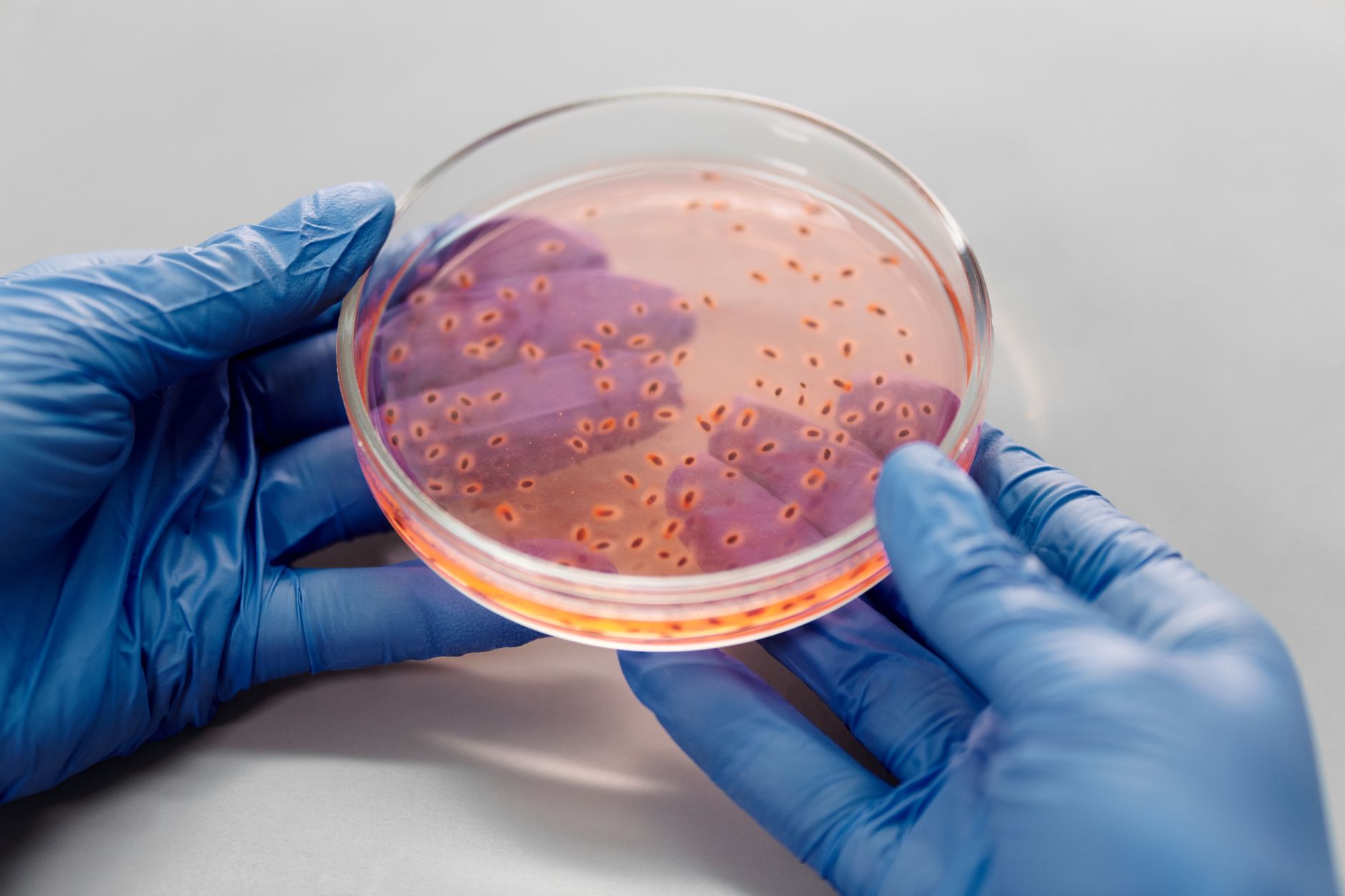
Canine parvovirus (CPV) is a highly contagious viral disease that primarily affects dogs, especially puppies. It attacks the gastrointestinal tract, bone marrow, and, in some cases, the heart, leading to severe illness and potentially death. Understanding the nature of CPV is crucial for distinguishing it from viruses that affect humans.
What colours are fish most attracted to?
Can you put your finger in a trout's mouth?
Is methylene blue anti bacterial?
Does aquarium salt raise pH in aquarium?
The Species Barrier: Why Parvo Stays with Canines
The reason Can humans catch parvo? is answered with a resounding no lies in the species barrier. Viruses are highly specialized. Their structure allows them to bind to specific receptors on host cells. Canine parvovirus receptors are found in canine cells, not human cells. This specificity prevents the virus from effectively entering and replicating within human cells. This is a fundamental concept in virology: a virus must be able to successfully attach to a host cell and hijack its machinery to reproduce and spread.
Symptoms of Parvo in Dogs
Knowing the symptoms of parvo in dogs is important, not because humans are at risk, but because it helps you protect your canine companions. Symptoms include:
- Severe vomiting
- Bloody diarrhea
- Lethargy
- Loss of appetite
- Fever or hypothermia
- Dehydration
If you observe these symptoms in your dog, immediate veterinary attention is critical.
Prevention is Key: Protecting Your Dog from Parvo
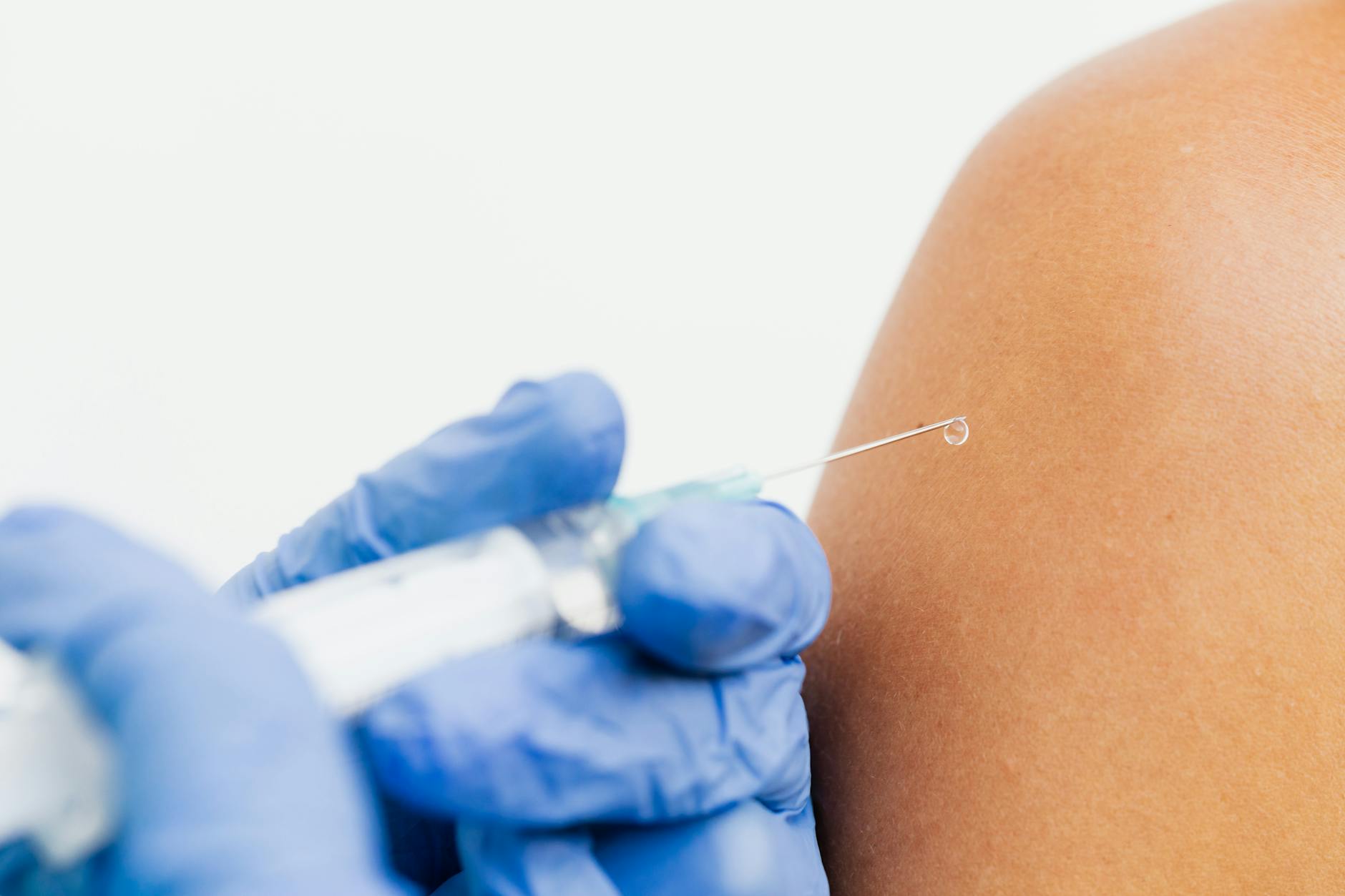
While Can humans catch parvo? is a negative, you still need to worry about protecting your pets. Vaccination is the most effective way to prevent parvovirus infection in dogs. Puppies should receive a series of vaccinations, typically starting at 6-8 weeks of age, with boosters administered every 3-4 weeks until they are at least 16 weeks old. Adult dogs also require regular booster vaccinations. Other preventative measures include:
- Maintaining good hygiene: Disinfecting areas where infected dogs have been
- Avoiding contact with unvaccinated dogs, especially puppies
- Following your veterinarian’s recommendations for vaccination and preventative care.
Human Parvoviruses: A Different Story
It is important to differentiate between canine parvovirus and human parvoviruses. The human parvovirus B19 is a distinct virus that causes Fifth disease, also known as “slapped cheek syndrome.” This disease primarily affects children and is characterized by a distinctive red rash on the face, along with mild flu-like symptoms. It is important to note that parvovirus B19 cannot be transmitted to dogs, and canine parvovirus cannot be transmitted to humans.
Disinfection Practices
Although Can humans catch parvo? is not a concern, maintaining good hygiene practices can help prevent the spread of canine parvovirus among dogs. Parvo is a resilient virus and can survive in the environment for extended periods. Effective disinfection strategies include:
- Using bleach solutions (1:32 dilution) to clean surfaces
- Thoroughly washing contaminated clothing and bedding
- Isolating infected dogs to prevent further spread
Table: Comparing Canine Parvovirus and Human Parvovirus B19
| Feature | Canine Parvovirus (CPV) | Human Parvovirus B19 |
|---|---|---|
| Host | Dogs, Canids | Humans |
| Disease | Parvovirus infection | Fifth disease |
| Symptoms in Host | Vomiting, diarrhea, lethargy | Rash, flu-like symptoms |
| Transmission to Humans | No | Yes (human to human) |
| Transmission to Dogs | Yes | No |
| Prevention | Vaccination | Handwashing, hygiene |
The Role of Veterinarians
Veterinarians play a crucial role in diagnosing, treating, and preventing canine parvovirus. If you suspect your dog has parvo, it is imperative to seek immediate veterinary care. Veterinarians can provide supportive care, such as intravenous fluids and medications to manage symptoms and prevent secondary infections.
Frequently Asked Questions (FAQs)
Can pregnant women catch parvo from dogs?
No, pregnant women cannot catch canine parvovirus from dogs. However, pregnant women can contract the human parvovirus B19, which can pose risks to the developing fetus. It’s essential for pregnant women to practice good hygiene and consult with their healthcare provider if they suspect they have been exposed to parvovirus B19.
Is parvo airborne?
Canine parvovirus is primarily spread through direct contact with infected feces. However, the virus can also be indirectly spread through contaminated surfaces, such as shoes, clothing, and objects. While the virus itself is not airborne over long distances, it can be aerosolized through activities like sweeping or cleaning contaminated areas.
How long does parvo live on surfaces?
Canine parvovirus is incredibly resilient and can survive on surfaces for months, even years, under the right conditions. This is why thorough disinfection is essential. Bleach solutions are the most effective disinfectant against parvovirus.
What is the survival rate of dogs with parvo?
The survival rate of dogs with parvo varies depending on the severity of the infection, the dog’s age and overall health, and the promptness of treatment. With aggressive supportive care, including intravenous fluids and medications, the survival rate can be as high as 80-90%. However, without treatment, the mortality rate is very high.
Can cats get parvo?
While cats are not susceptible to canine parvovirus, they can contract feline parvovirus, also known as feline distemper or panleukopenia. The diseases share similar symptoms and can be deadly, especially for kittens. Vaccination is crucial for protecting cats from feline parvovirus.
What is the difference between parvovirus and distemper?
Parvovirus and distemper are both highly contagious viral diseases that affect dogs, but they are caused by different viruses. Parvovirus primarily affects the gastrointestinal tract, bone marrow, and heart, while distemper affects the respiratory, gastrointestinal, and nervous systems. Distemper often presents with neurological symptoms, such as seizures, which are not typically seen in parvovirus infections.
Can humans catch parvo from the environment?
Even though Can humans catch parvo? is negative, it’s still important to have good hygiene. Humans cannot contract canine parvovirus from the environment. However, if you have handled a dog infected with parvo, or been in contact with potentially contaminated surfaces, it is important to wash your hands thoroughly to prevent spreading the virus to other dogs.
How is parvo diagnosed in dogs?
Parvo is typically diagnosed in dogs using a fecal ELISA test, which detects the presence of the virus in the dog’s stool. Your veterinarian may also perform blood tests to assess the dog’s white blood cell count and electrolyte balance.
What is the treatment for parvo in dogs?
There is no specific antiviral medication for parvovirus. Treatment focuses on providing supportive care to manage symptoms and prevent secondary infections. This includes intravenous fluids to combat dehydration, antiemetics to control vomiting, and antibiotics to prevent bacterial infections. In severe cases, a blood transfusion may be necessary.
How long is a dog contagious with parvo?
Dogs with parvo are typically contagious for up to 10 days after the onset of symptoms. However, they can continue to shed the virus in their feces for several weeks after recovery. It is important to isolate infected dogs and practice strict hygiene to prevent further spread.
Is there a vaccine for parvo?
Yes, there is a highly effective vaccine for parvovirus. This is a core vaccine for dogs and is often administered in combination with other vaccines, such as distemper, adenovirus, and parainfluenza.
Is there any lasting damage from parvo?
In some cases, dogs that recover from parvo may experience lasting damage, particularly if the virus affected their heart. These dogs may develop heart problems later in life. It is important to monitor recovered dogs for any signs of heart disease and provide appropriate veterinary care. It is always best to ensure your pet is vaccinated to avoid any potential for lasting damage.