
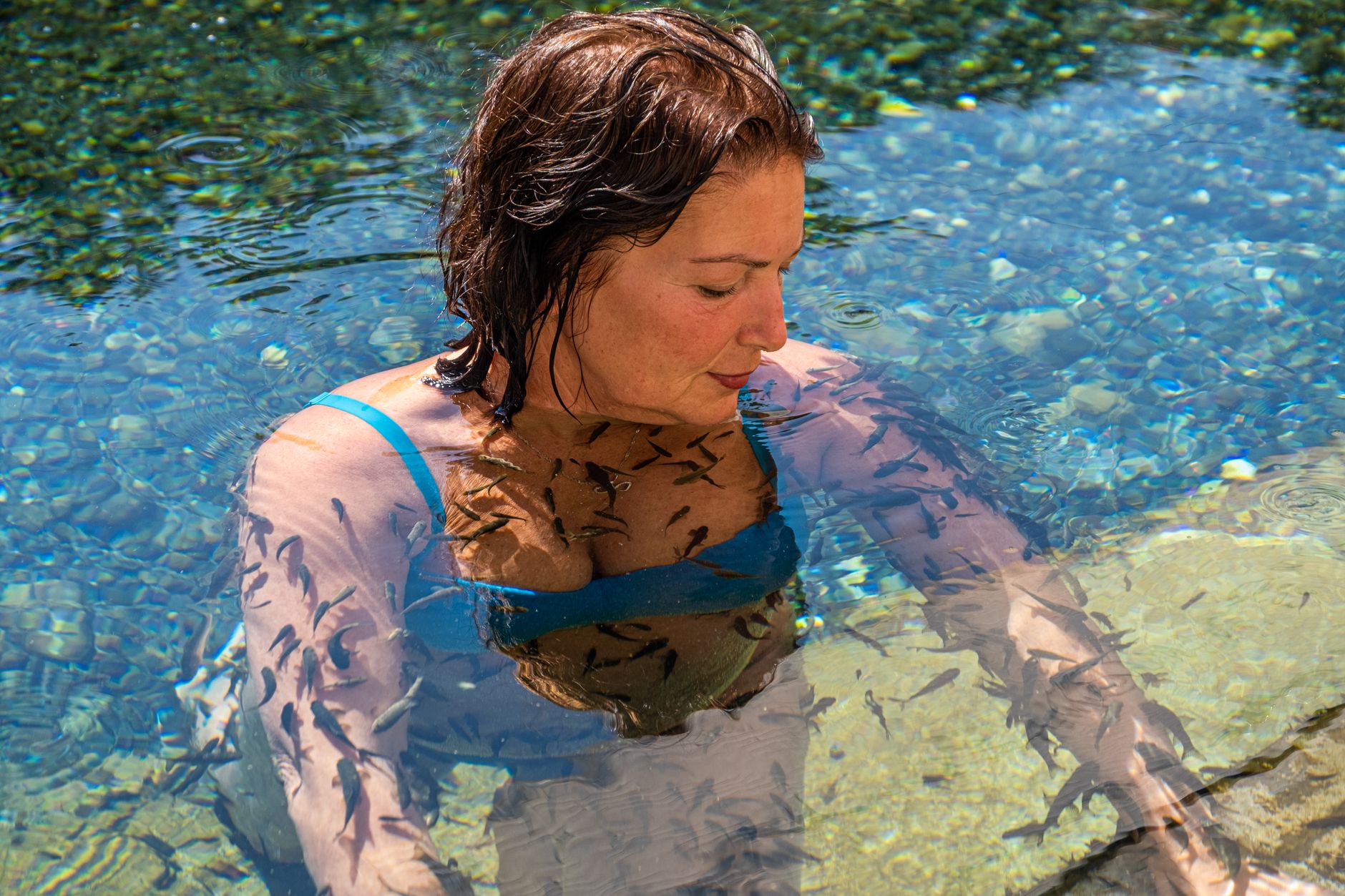
Does Watching Fish Relieve Stress? A Deep Dive into the Calming Effects of Aquariums
Yes, scientific evidence suggests that watching fish can indeed relieve stress and anxiety, offering a multitude of psychological and physiological benefits for viewers.

Introduction: The Tranquil Appeal of Underwater Worlds
Humans have long been fascinated by the underwater world. Aquariums, whether massive public displays or humble home tanks, draw us in with their serene beauty and the mesmerizing movements of aquatic life. But is there more to this attraction than simple aesthetic appreciation? Increasingly, research suggests that watching fish offers tangible benefits for our mental and physical well-being. This article will explore the science behind this calming effect, delve into the various ways aquariums can alleviate stress, and provide practical advice on incorporating the wonders of fish into your life for relaxation and improved health.

Are fish heads good for the garden?
Can fish hear water?
What is cotton rot in fish?
What colours are fish most attracted to?
The Science of Serenity: How Aquariums Calm the Mind

Several factors contribute to the stress-relieving properties of aquariums. These include visual stimulation, auditory stimulation, and the overall creation of a calming environment.
- Visual Stimulation: The gentle swaying of aquatic plants, the graceful movements of fish, and the vibrant colors all contribute to a visually stimulating yet calming experience. This type of gentle stimulation can help to distract the mind from racing thoughts and worries.
- Auditory Stimulation: The soft bubbling of an air pump or the gentle trickle of water from a filter can create a soothing ambient soundscape. White noise, like that produced by an aquarium, has been shown to mask distracting sounds and promote relaxation.
- Creation of a Calming Environment: An aquarium acts as a focal point, drawing attention away from stressful stimuli in the surrounding environment. The presence of an aquarium can transform a room into a more tranquil and inviting space.
Measuring the Benefits: Research Supporting Stress Reduction
Studies have consistently shown that interacting with aquariums leads to measurable reductions in stress.
- Lowered Blood Pressure: Research has demonstrated that watching fish can lead to a significant decrease in both systolic and diastolic blood pressure. This physiological response is indicative of reduced stress levels.
- Reduced Heart Rate: Similarly, studies have found that viewing aquariums can slow down heart rate, another key indicator of relaxation.
- Improved Mood: Exposure to aquariums has been linked to improved mood and a greater sense of well-being. Researchers believe that this may be due to the release of endorphins, natural mood boosters, triggered by the pleasant visual stimulation.
- Increased Focus: In some settings, aquariums have been shown to improve concentration and focus, particularly in individuals with attention deficit disorders.
These benefits extend beyond passive viewing. Even the act of caring for an aquarium, such as feeding the fish or cleaning the tank, can be therapeutic and grounding.
Incorporating Aquariums into Your Life: Practical Tips
- Choose the Right Fish: Select species known for their peaceful temperament and graceful movements. Examples include neon tetras, guppies, and betta fish (although bettas should be kept individually). Avoid aggressive or overly active species that might disrupt the calming atmosphere.
- Consider Tank Size and Placement: Choose a tank size that is appropriate for the space and the type of fish you plan to keep. Place the aquarium in a location where you can easily view it and where it will not be exposed to direct sunlight.
- Maintain a Clean and Healthy Environment: Regularly clean the tank, change the water, and monitor the water parameters to ensure the health and well-being of your fish. A well-maintained aquarium is more visually appealing and provides a healthier environment for the fish, further enhancing the stress-relieving benefits.
- Create a Calming Ambiance: Add plants, rocks, and other decorations to create a natural and aesthetically pleasing environment for your fish. Consider adding a background image or a calming light source to enhance the overall ambiance.
Common Mistakes: Avoiding Potential Stressors
While aquariums can be incredibly beneficial, certain mistakes can actually increase stress levels.
- Overcrowding: Overcrowding the tank can lead to stress for the fish, resulting in disease and death. It also creates a less visually appealing and calming environment.
- Poor Water Quality: Neglecting water changes and failing to monitor water parameters can lead to a build-up of toxins that are harmful to fish.
- Aggressive Tank Mates: Introducing aggressive fish into a community tank can create a stressful environment for all the inhabitants.
- Lack of Research: Failing to research the specific needs of the fish you plan to keep can lead to preventable problems and stress for both you and the fish.
By avoiding these common mistakes, you can ensure that your aquarium remains a source of relaxation and enjoyment. Does watching fish relieve stress? Yes, but only when done responsibly and thoughtfully.
Frequently Asked Questions (FAQs)
Is there scientific evidence that aquariums reduce stress?
Yes, multiple studies have shown that exposure to aquariums can lead to measurable reductions in stress indicators such as blood pressure and heart rate. Research also suggests that watching fish can improve mood and increase feelings of relaxation.
What types of fish are best for reducing stress?
Peaceful and visually appealing fish species are generally the best choice. Examples include neon tetras, guppies, betta fish (in individual tanks), and peaceful bottom feeders like corydoras catfish. Avoid aggressive or overly active species.
How often should I watch my fish to experience stress relief?
There’s no magic number, but even a few minutes a day can be beneficial. Try incorporating aquarium viewing into your daily routine, such as during morning coffee or before bed. The consistent visual and auditory stimulation is key to its stress-reducing effects.
Can children also benefit from watching fish?
Absolutely! Studies have shown that aquariums can have a calming effect on children, particularly those with ADHD or anxiety. They can also provide opportunities for learning about responsibility and marine life.
Does the size of the aquarium matter for stress reduction?
While larger aquariums can be more visually impressive, a smaller, well-maintained tank can still provide significant stress relief. The quality of the aquarium environment is more important than the size.
Can the sound of an aquarium filter contribute to stress relief?
Yes, the gentle bubbling or trickling sound of an aquarium filter can act as white noise, masking distracting sounds and promoting relaxation. Make sure the filter is properly maintained to avoid loud or irritating noises.
What if I don’t have space for a full-sized aquarium?
Consider a smaller desktop aquarium or even a virtual aquarium on your computer or TV. While not the same as the real thing, virtual aquariums can still provide a degree of visual stimulation and relaxation.
Are there any downsides to keeping an aquarium?
Maintaining an aquarium requires time, effort, and money. Neglecting the tank can lead to stress for both you and the fish. Be sure to research the needs of your fish and commit to providing a healthy and well-maintained environment.
Does the color of the aquarium lighting affect stress levels?
Yes, certain colors can be more calming than others. Blue and green lighting is often associated with relaxation, while bright white or red lighting can be more stimulating.
Can watching fish help with insomnia?
Some people find that watching fish before bed helps them relax and fall asleep more easily. The gentle visual and auditory stimulation can help to quiet the mind and prepare the body for rest.
How can I make my aquarium even more relaxing?
Consider adding live plants, which not only improve water quality but also create a more natural and aesthetically pleasing environment. You can also add calming decorations such as smooth rocks or driftwood.
Does simply owning fish relieve stress, or do you actually have to watch them?
While caring for fish can be therapeutic, the direct benefits of stress reduction are primarily derived from the act of actively watching them. The visual and auditory stimulation is what triggers the calming response.