
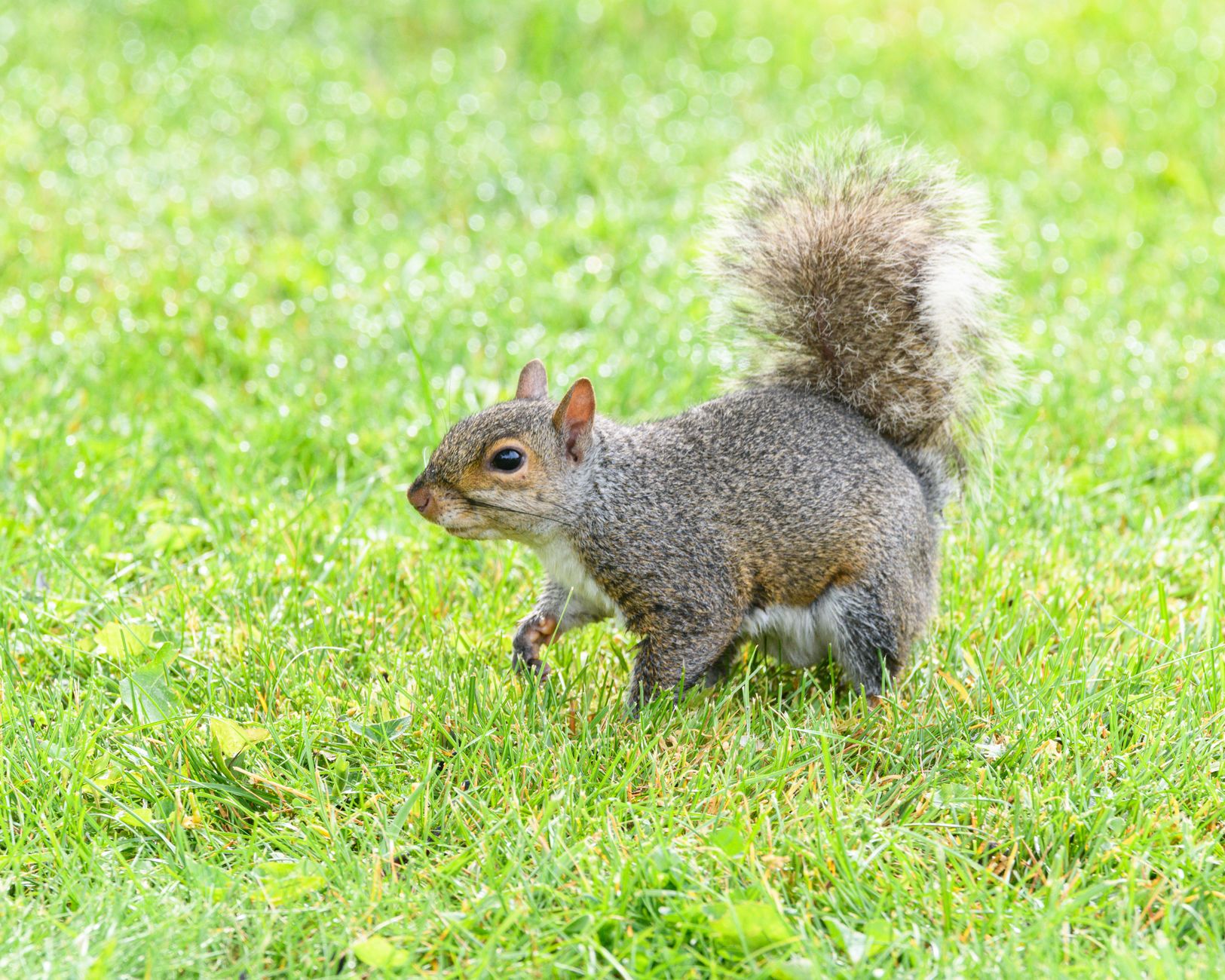
Do Grey Squirrels Give Birth to Black Squirrels? The Truth Revealed
No, grey squirrels do not typically give birth to black squirrels; however, the genetic relationship is complex. Black squirrels are, in most cases, a melanistic color variant of the eastern grey squirrel, meaning they carry a genetic mutation that causes an excess of dark pigment.

Understanding Squirrel Coloration: More Than Just Grey
The vibrant array of colors we see in the squirrel world can be a source of fascination and, sometimes, confusion. While the eastern grey squirrel ( Sciurus carolinensis) is often associated with its namesake grey coat, the species exhibits a surprising degree of color variation, ranging from the classic grey to brown and even striking black. Understanding the genetic basis of this coloration is crucial to understanding why the question “Do grey squirrels give birth to black squirrels?” has such a nuanced answer.

What colours are fish most attracted to?
Can you put your finger in a trout's mouth?
Is methylene blue anti bacterial?
Does aquarium salt raise pH in aquarium?
Melanism: The Key to the Black Squirrel Mystery

Melanism is the increased development of dark pigment (melanin) in the skin or fur. In black squirrels, melanism is typically caused by a mutated gene. While several genes can influence squirrel coloration, the melanistic variant in eastern grey squirrels is often linked to a mutated version of the MC1R gene (melanocortin 1 receptor). Interestingly, the mutated MC1R gene that produces melanism in some grey squirrel populations originated in the fox squirrel (Sciurus niger). Through interbreeding and the selective advantage of the black coat in certain environments (especially colder climates), this melanistic gene became incorporated into the grey squirrel gene pool.
Genetics and Inheritance: How Squirrel Colors are Passed Down
Squirrel color genetics is not always straightforward. The inheritance of the melanistic gene is complex and can vary depending on the specific population of grey squirrels. The MC1R gene, for example, exhibits varying degrees of dominance. If a grey squirrel carries two copies of the recessive grey allele, it will be grey. If it carries one copy of the dominant black allele, it may appear black or have a darker coat. Black squirrels can pass the black allele or the grey allele down to their offspring. Therefore, do grey squirrels give birth to black squirrels? Under specific genetic conditions, it is possible.
Environmental Factors: Why Black Squirrels Thrive in Some Areas
While genetics plays a central role, environmental factors also influence the prevalence of black squirrels in certain regions. The black coat provides a thermoregulatory advantage in colder climates, helping black squirrels absorb more heat and conserve energy. This is a significant reason why black squirrels are more common in northern latitudes and urban environments. The darker color offers better camouflage in shaded urban areas with more pollution.
Grey Squirrels and Black Squirrels: The Same Species?
It is crucial to emphasize that black squirrels are not a separate species from grey squirrels. They are simply color morphs within the same species (Sciurus carolinensis). Therefore, interbreeding between grey and black squirrels is common and natural. The resulting offspring can exhibit a range of colors, further complicating the question of inheritance.
The Future of Squirrel Coloration: A Shifting Landscape
As climates change and urban environments expand, the distribution of black squirrels may continue to shift. The thermoregulatory advantages and camouflage benefits provided by the black coat could lead to an increase in black squirrel populations in certain areas. Understanding the genetic and environmental factors driving these changes is essential for wildlife management and conservation efforts. Further research into the squirrel genome will undoubtedly reveal even more intricate details about the fascinating world of squirrel coloration.
Comparing Grey, Black, and Fox Squirrels:
| Feature | Eastern Grey Squirrel (Sciurus carolinensis) | Black Squirrel (Sciurus carolinensis) | Fox Squirrel (Sciurus niger) |
|---|---|---|---|
| Typical Color | Grey with some brown | Black | Reddish-brown with some grey |
| Melanism | Rare, but present | Common | Rare |
| Genetic Basis | Complex; MC1R gene involved | Primarily MC1R gene mutation | Different genetic basis than Black Squirrel |
| Size | Medium | Medium | Larger |
| Habitat | Forests, urban areas | Forests, urban areas (esp. colder areas) | Open woodlands, farmlands |
FAQs: Unraveling the Mysteries of Black Squirrels
Can grey squirrels and black squirrels breed together?
Yes, grey squirrels and black squirrels can and do breed together because they are the same species. Their offspring can have a variety of coat colors, depending on the genetic combination inherited from their parents.
What determines if a grey squirrel will give birth to a black squirrel?
The probability of a grey squirrel giving birth to a black squirrel depends on the genes the grey squirrel carries. If the grey squirrel carries the black allele (MC1R gene), it can potentially produce black squirrel offspring, especially if its mate also carries the black allele.
Are black squirrels only found in certain regions?
Black squirrels are more common in certain regions, particularly in the northern United States and Canada, due to the thermoregulatory advantages of their dark coat in colder climates. However, they can be found in other areas as well, although they might be less prevalent.
Is melanism harmful to squirrels?
Generally, melanism is not harmful to squirrels. In some environments, the black coat can provide advantages, such as better camouflage or increased heat absorption. However, in other environments, it might make them more visible to predators.
How common are black squirrels compared to grey squirrels?
The prevalence of black squirrels varies significantly depending on the region. In some areas, they are relatively rare, while in others, they make up a significant portion of the squirrel population.
Is a black squirrel a different species than a grey squirrel?
No, a black squirrel is not a different species than a grey squirrel. They are both Sciurus carolinensis. The black coat is simply a color variation within the species.
Do black squirrels have different behaviors compared to grey squirrels?
There is no evidence to suggest that black squirrels exhibit significantly different behaviors compared to grey squirrels. They share the same species, so their basic behaviors are the same. Some studies suggest minor differences in foraging efficiency due to their thermal benefits.
How do scientists study squirrel coloration?
Scientists use various methods to study squirrel coloration, including genetic analysis, population surveys, and observational studies. They analyze DNA to identify the genes responsible for color variations and track the distribution of different color morphs within populations.
Can black squirrels change color as they age?
While the black coat color is genetically determined, there might be minor variations in shade or intensity as squirrels age due to factors such as sun exposure or diet. But a black squirrel will not become a grey squirrel, and vice versa.
If two black squirrels mate, will they always have black squirrel offspring?
Not necessarily. If both black squirrels carry a recessive grey allele, there’s a chance that their offspring could inherit two copies of the grey allele and be grey.
Are there other color variations in grey squirrels besides grey and black?
Yes, grey squirrels can exhibit other color variations, including brown, reddish-brown, and even albino (white) individuals. These variations are often due to different genetic mutations or environmental factors.
Why are black squirrels more common in urban areas?
Black squirrels may be more common in urban areas due to a combination of factors, including the thermoregulatory advantages of their dark coat in colder urban environments and their better camouflage in the shaded areas found in cities. There may also be fewer predators in certain urban environments.