

What State Has the Most Pronghorn Antelope?
Wyoming boasts the largest population of pronghorn antelope in North America. Making it, definitively, the state with the most pronghorn antelope.
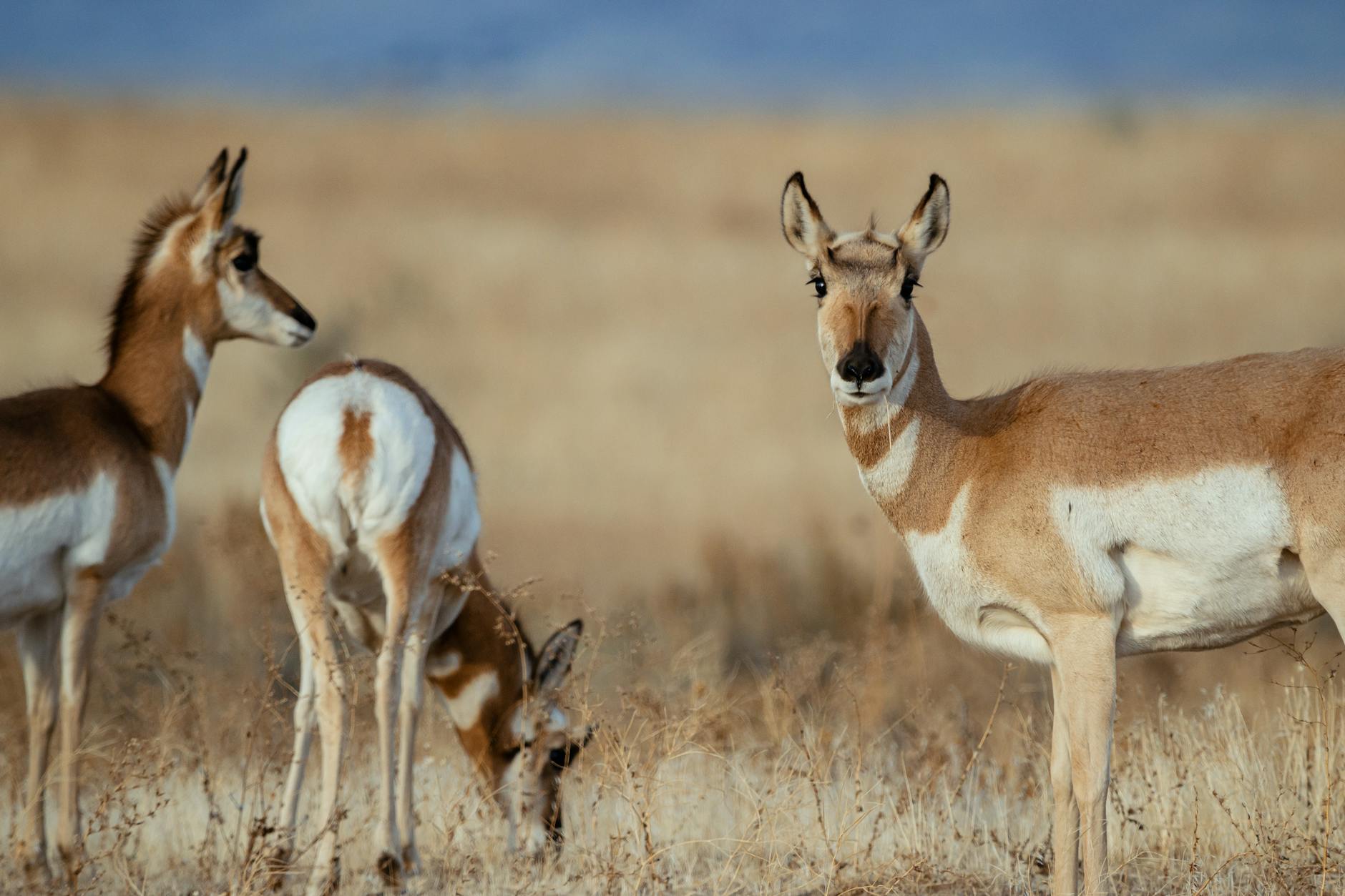
Introduction to Pronghorn Antelope and Their Range
The pronghorn antelope (Antilocapra americana) isn’t actually an antelope at all! It’s the last surviving member of a unique family of ruminants endemic to North America. Known for their incredible speed and agility, these iconic animals are a symbol of the open prairies and sagebrush steppes of the American West. Understanding their distribution and population dynamics is crucial for effective conservation efforts. What state has the most pronghorn antelope? The answer lies in understanding their preferred habitat and historical distribution.

What is the GREY African clawed frog?
Is distilled water good for goldfish?
Can you put your finger in a trout's mouth?
Is methylene blue anti bacterial?
The Pronghorn’s Preferred Habitat

Pronghorn thrive in open landscapes with minimal tree cover. They require:
- Wide-open spaces: These allow for unobstructed views, essential for spotting predators from afar.
- Sagebrush and grasslands: These provide the majority of their diet.
- Water sources: Although they can survive for extended periods without drinking, readily available water is vital.
- Mild winters: Heavy snow cover restricts their access to forage.
Historical Range vs. Current Distribution
Historically, pronghorn roamed across a vast swathe of North America, from southern Canada down to northern Mexico. Overhunting and habitat loss in the 19th and early 20th centuries decimated their populations. Conservation efforts have since helped to restore their numbers, but their range remains fragmented.
Population Numbers and State-by-State Breakdown
While precise counts are challenging, wildlife agencies conduct regular surveys to estimate pronghorn populations. The distribution of pronghorn populations is uneven across their range. Let’s examine the key states:
- Wyoming: Consistently holds the largest population. Estimates typically range from 300,000 to 400,000.
- Montana: Supports a significant population, typically in the range of 100,000 to 150,000.
- Colorado: Home to a substantial pronghorn population. Numbers usually fall between 70,000 and 90,000.
- New Mexico: Maintains a smaller, but still important, population. Estimated between 40,000 and 60,000.
- Other States: Smaller populations exist in states such as Arizona, Utah, Oregon, Nevada, and South Dakota.
The following table illustrates this comparative overview of pronghorn population estimates across these key states:
| State | Estimated Pronghorn Population |
|---|---|
| :——- | :—————————– |
| Wyoming | 300,000 – 400,000 |
| Montana | 100,000 – 150,000 |
| Colorado | 70,000 – 90,000 |
| New Mexico | 40,000 – 60,000 |
Therefore, to reiterate, the state that takes the lead is Wyoming. What state has the most pronghorn antelope? Wyoming’s abundant sagebrush steppes and proactive wildlife management strategies contribute to its success.
Factors Influencing Pronghorn Populations
Several factors influence pronghorn populations, including:
- Habitat quality: The availability of forage, water, and shelter is paramount.
- Predation: Coyotes, bobcats, and golden eagles prey on pronghorn, particularly young ones.
- Weather conditions: Severe winters can lead to high mortality rates.
- Disease: Outbreaks of diseases like bluetongue and epizootic hemorrhagic disease (EHD) can significantly impact populations.
- Human activities: Habitat fragmentation from roads, fences, and energy development can impede pronghorn movement and access to resources.
Conservation Efforts and Future Outlook
Ongoing conservation efforts are crucial for the long-term survival of pronghorn. These efforts include:
- Habitat restoration: Reclaiming and improving degraded habitat.
- Fence modification: Altering fences to allow pronghorn to cross more easily.
- Predator management: Strategies to manage predator populations in specific areas.
- Disease monitoring: Tracking and responding to disease outbreaks.
- Collaboration: Working with landowners, ranchers, and government agencies to implement effective conservation strategies.
The future of pronghorn depends on continued collaboration and commitment to conservation.
Frequently Asked Questions (FAQs)
What is the average lifespan of a pronghorn?
Pronghorn typically live for 9 to 12 years in the wild. However, some individuals may live longer. Their lifespan is influenced by factors such as habitat quality, predation, and disease.
What is the pronghorn’s primary diet?
Pronghorn are primarily herbivores, with their diet consisting mainly of sagebrush, grasses, forbs, and shrubs. Their diet varies depending on the season and availability of vegetation.
How fast can a pronghorn run?
Pronghorn are renowned for their incredible speed. They can reach speeds of up to 55 miles per hour for sustained distances, making them the fastest land mammal in North America.
Are pronghorn and antelope the same animal?
No, pronghorn are not true antelope. They belong to the family Antilocapridae, which is distinct from the Bovidae family, which includes true antelope.
Why are pronghorn so fast?
Pronghorn evolved their remarkable speed to evade predators such as wolves and American cheetahs, which are now extinct. Their speed remains an essential adaptation for survival in their open habitat.
What are the main threats to pronghorn populations?
The main threats to pronghorn populations include habitat loss and fragmentation, climate change, disease outbreaks, and collisions with fences.
How do fences impact pronghorn populations?
Fences can impede pronghorn movement and access to resources, leading to habitat fragmentation and increased mortality. Conservation efforts often focus on modifying fences to allow pronghorn to cross more easily.
What is being done to help pronghorn cross fences?
Wildlife agencies and conservation groups are working to modify fences by lowering the bottom wire or installing ramps to allow pronghorn to cross more easily.
What is the role of sagebrush in pronghorn habitat?
Sagebrush is a crucial component of pronghorn habitat, providing food and shelter. Loss of sagebrush habitat is a significant threat to pronghorn populations.
How does climate change affect pronghorn?
Climate change can impact pronghorn by altering vegetation patterns, increasing the frequency of droughts, and exacerbating the effects of severe winters.
What can individuals do to help pronghorn conservation?
Individuals can support pronghorn conservation by donating to conservation organizations, advocating for policies that protect pronghorn habitat, and reducing their impact on the environment.
Why is it important to conserve pronghorn populations?
Pronghorn are an important part of the ecological balance of the American West. Conserving pronghorn populations helps to maintain the health and diversity of these unique ecosystems. Protecting pronghorn is also about preserving a living legacy of the American West for future generations.