

Why is Swimming Pool Water Blue? The Science Behind the Shade
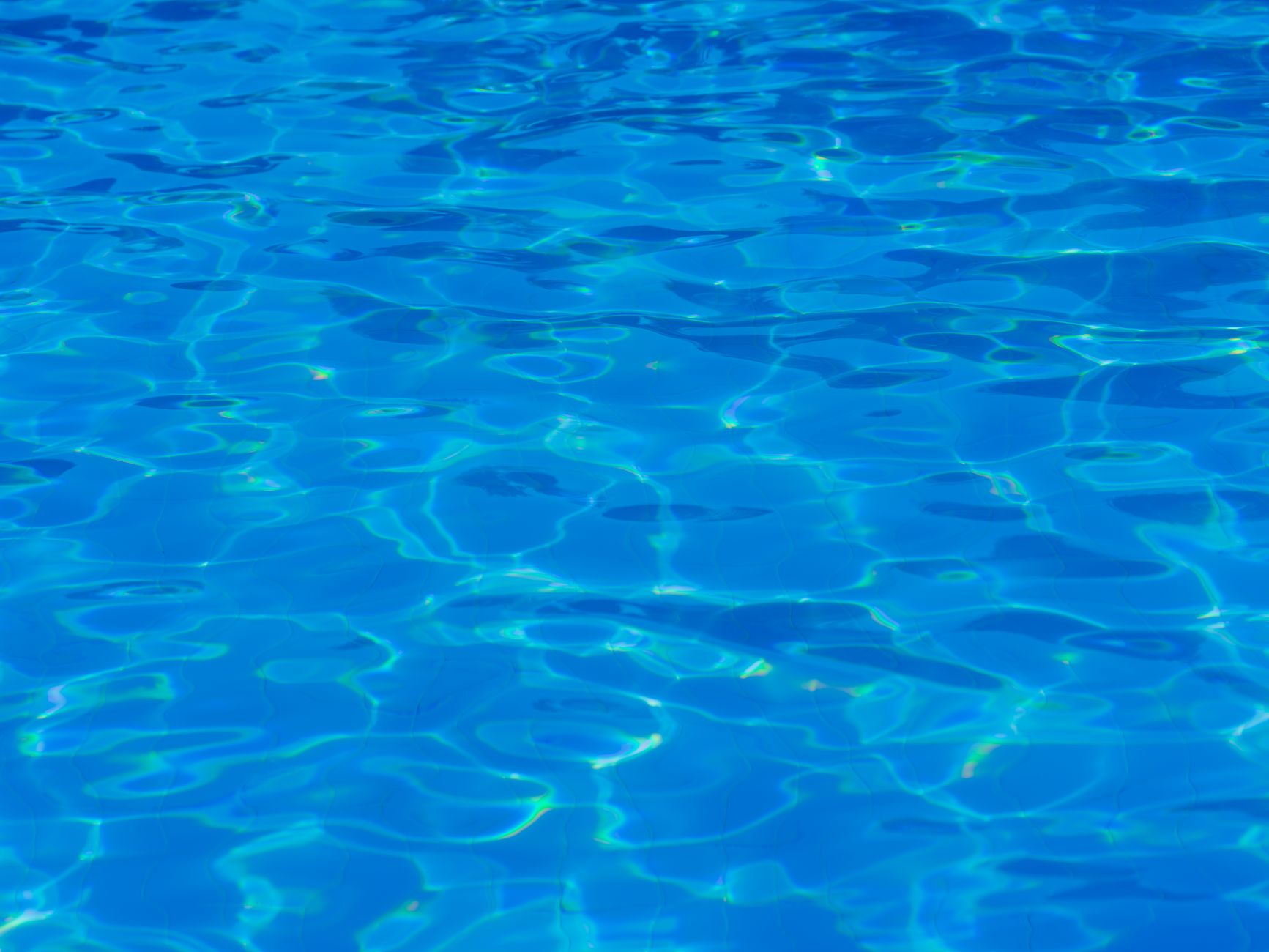
The perceived blue color of swimming pool water is primarily due to the selective absorption and scattering of light by water molecules themselves; the water absorbs longer wavelengths like red, orange, and yellow, while scattering shorter wavelengths like blue and green, leading our eyes to perceive the remaining light as blue.
Introduction: The Allure of Azure
The shimmering surface of a swimming pool, beckoning us with its promise of coolness and recreation, often presents a captivating shade of blue. This ubiquitous color has become synonymous with pools, but have you ever stopped to consider why is swimming pool water blue? It’s not simply a matter of dye or added chemicals, although those can certainly influence the shade. The underlying reason is a fascinating interplay of light and water molecules, a phenomenon that reveals the subtle yet powerful optical properties of water itself. Understanding this phenomenon provides insight into the physics of light and matter, offering a deeper appreciation for the seemingly simple question: Why is swimming pool water blue?
Can planaria live in bottled water?
Can fish hear water?
How do I add oxygen to my goldfish water?
Do carbon filters remove water hardness?
The Physics of Light Absorption and Scattering

Water, in its purest form, is actually colorless. However, when light interacts with water in large quantities, a phenomenon called selective absorption occurs. This means that water molecules absorb certain wavelengths of light more readily than others.
- Water preferentially absorbs longer wavelengths of light, such as red, orange, and yellow.
- Shorter wavelengths, such as blue and green, are absorbed less and therefore have a greater chance of being scattered.
- This scattering is similar to how the sky appears blue: shorter wavelengths are scattered more effectively by the atmosphere.
The result is that when sunlight (which contains all colors of the spectrum) enters the water, the red, orange, and yellow components are quickly absorbed. The blue and green components, being less absorbed, are scattered in various directions. Some of this scattered blue light eventually reaches our eyes, leading us to perceive the water as blue.
The Role of Pool Depth and Clarity
The depth of the pool significantly influences the intensity of the blue color.
- Deeper Pools: In deeper pools, more of the red and yellow light is absorbed, leaving a higher proportion of scattered blue light, resulting in a more intense blue color.
- Shallower Pools: In shallower pools, less light is absorbed, and the blue color may appear lighter or even slightly greenish.
Clarity also plays a crucial role. Murky or cloudy water, containing algae, sediment, or other particles, will scatter light in a more diffuse manner, diminishing the intensity of the blue and potentially shifting the color towards green or brown.
External Factors Influencing Pool Color
While the inherent properties of water are primarily responsible for the blue color, other factors can influence the perceived shade.
- Pool Liner Color: The color of the pool liner can significantly affect the apparent color of the water. A white or light-colored liner will reflect more light, potentially making the water appear lighter, while a dark liner can enhance the blue color.
- Surrounding Environment: The surrounding environment, such as trees, buildings, and even the sky, can reflect onto the water’s surface, influencing its color.
- Lighting Conditions: The angle and intensity of sunlight can also alter the perceived blue of the pool water. Overcast days can make the blue appear less vibrant.
- Chemical Additives: Certain pool chemicals, such as chlorine, can slightly alter the water’s color, though the impact is typically minimal. Algaecides, particularly those containing copper, can impart a greenish tint if used excessively.
Contrast with the Ocean
It’s interesting to note the contrast between the blue of swimming pools and the blue of the ocean. While the underlying principle of selective absorption and scattering is the same, the ocean’s vastness and depth contribute to a richer and more varied spectrum of blue hues. Furthermore, factors like phytoplankton, sediment, and dissolved organic matter influence the ocean’s color in complex ways.
Frequently Asked Questions
Why is swimming pool water blue when I add chlorine?
Chlorine itself is not inherently blue. While it does react with impurities in the water, these reactions usually don’t drastically affect the perceived blue color caused by the inherent properties of water. The blue color remains because of selective absorption and scattering of light, and the addition of chlorine primarily affects water sanitation, not color.
Is it safe to swim in a pool that isn’t blue?
The color of a pool does not directly indicate its safety. A green or brown pool likely indicates algae or other contaminants, which could pose health risks. However, a pool appearing clear or slightly different in color than typical blue doesn’t necessarily mean it’s unsafe, but it should be thoroughly tested for appropriate chemical balance and sanitation before use.
Does adding blue dye to a pool make it more blue?
Yes, adding blue dye to a pool will enhance its blue color. These dyes are specifically designed to absorb other wavelengths and reflect blue light, making the water appear more vividly blue. However, the underlying physical principle of water absorbing and scattering light still applies.
Why do some pools look green instead of blue?
A greenish tint in pool water often indicates the presence of algae. Algae contain chlorophyll, a green pigment that absorbs red and blue light, reflecting green light. Additionally, excessive use of copper-based algaecides can also impart a greenish hue.
Does the type of pool tile affect the water’s color?
Yes, the color of the pool tiles or liner can influence the perceived color of the water through reflection and absorption. Darker tiles or liners can enhance the blue color, while lighter colors can make the water appear lighter or even slightly different shades.
Is pool water always blue, or can it be other colors naturally?
Pure water only appears blue in large quantities due to the absorption and scattering of light. However, natural bodies of water, including pools, can take on various colors due to dissolved minerals, organic matter, algae, and suspended particles. These factors can shift the color towards green, brown, or even red, depending on their composition and concentration.
What happens if a pool is too shallow for the blue color to appear?
In very shallow pools, the effect of light absorption is minimized, and the blue color may not be as apparent. The color will be more influenced by the pool liner, the surrounding environment, and any dissolved substances in the water. It may appear clearer and less intensely blue.
Does the size of the pool matter in the perception of the blue color?
Yes, generally, larger pools exhibit a more pronounced blue color because there is a greater volume of water for light to travel through, allowing more absorption of red and yellow wavelengths and more scattering of blue light.
Can the time of day affect how blue the pool appears?
Yes, the time of day significantly impacts the perceived blue color. The angle of the sun alters the amount and type of light entering the water. Midday sun with clear skies usually produces the most vivid blue, while early morning or late afternoon sun may result in a less intense or slightly different hue.
Is there any difference in the blue color of saltwater pools versus freshwater pools?
The presence of salt does not significantly alter the fundamental physics of light absorption and scattering. While very high concentrations of certain salts can subtly affect the refractive index of water, the difference in color perception between saltwater and freshwater pools is typically negligible. The primary factor remains the inherent properties of the water itself.
Why do some indoor pools not appear as blue as outdoor pools?
Indoor pools often appear less blue because of artificial lighting. Artificial lights have different spectral compositions than sunlight. If the lighting lacks the full spectrum of light, or if it emphasizes certain colors over blue, the water may not appear as intensely blue.
Can pollution affect the blue color of the swimming pool water?
Yes, pollution can significantly impact the blue color. Pollutants like organic matter, algae, and sediments can absorb and scatter light differently than pure water, shifting the color towards green, brown, or other shades. The level of pollution directly correlates with the deviation from the expected blue hue.