

Do Puppies Teeth Hurt More at Night? Exploring Nocturnal Teething Discomfort
Do puppies teeth hurt more at night? While the teething process itself is constant, a puppy’s perception and reaction to the associated discomfort can indeed seem heightened during nighttime hours.
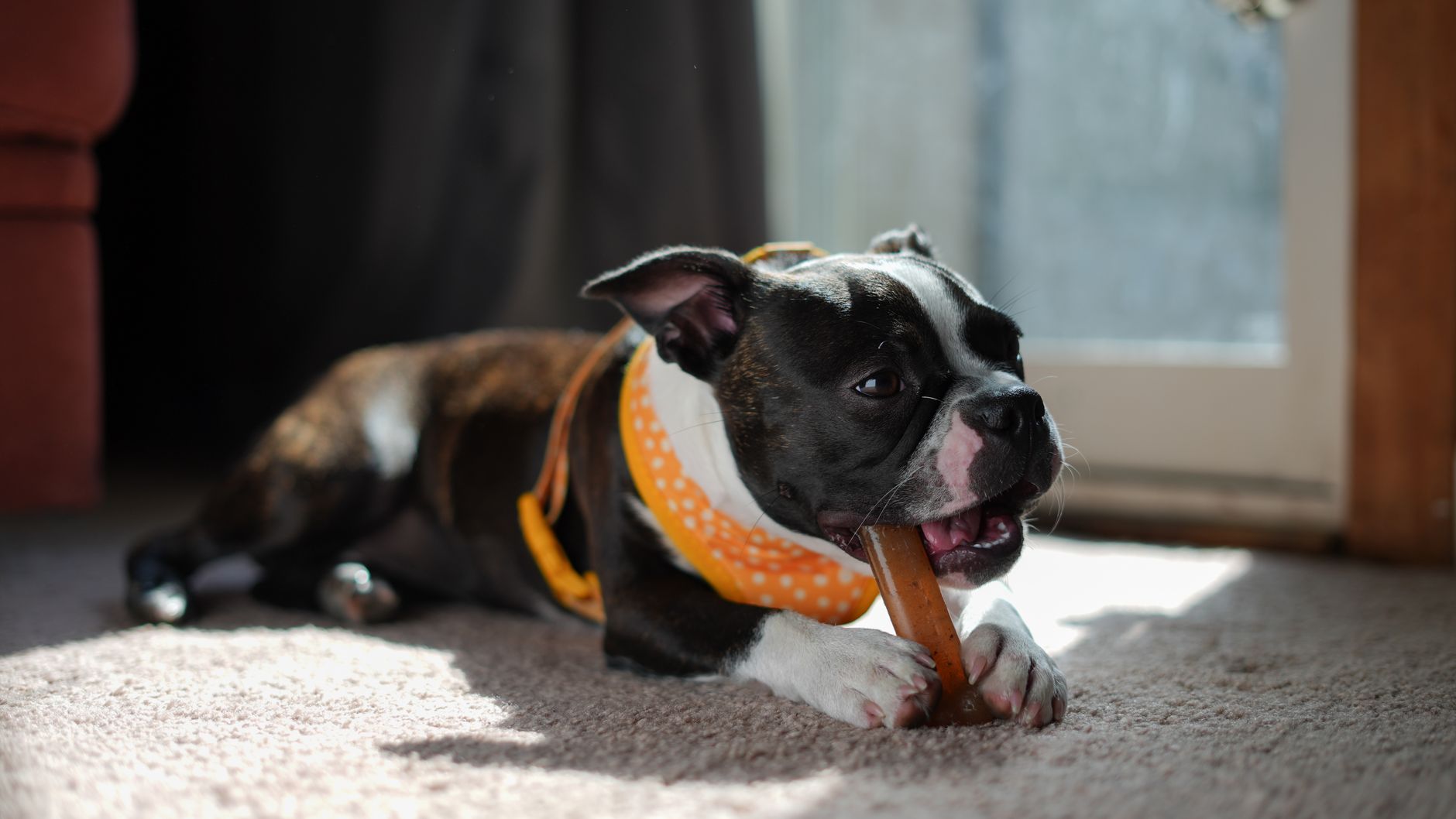
Understanding Puppy Teething: A Painful Process
Puppy teething is an unavoidable and sometimes trying experience for both the puppy and their owner. This process begins around 3-4 months of age when their baby teeth start to fall out to make way for their adult teeth. Understanding the stages of teething, what happens to the teeth, and what the puppy is experiencing is crucial to providing adequate care.
- Baby Teeth Eruption: Puppies are born with no teeth and the first deciduous teeth begin to emerge around 2-3 weeks of age.
- Teething Begins: The adult teeth begin pushing through around 3-4 months, causing the baby teeth to loosen and fall out.
- Adult Teeth Completion: By approximately 6-8 months of age, most puppies have their full set of adult teeth.

What colours are fish most attracted to?
Can you put your finger in a trout's mouth?
Is methylene blue anti bacterial?
Does aquarium salt raise pH in aquarium?
Factors That May Increase Perceived Pain at Night

Several factors may contribute to the perception that puppies’ teeth hurt more at night. It’s not necessarily more pain, but rather circumstances that make it seem that way.
-
Reduced Distractions: During the day, puppies are typically more active and engaged with their environment. Playtime, training, and interaction with their owners provide distractions from the discomfort of teething. At night, when things are quieter and the puppy is trying to rest, the teething pain becomes more noticeable.
-
Increased Awareness: Similar to humans, puppies may be more aware of bodily sensations when they are trying to sleep or are in a quiet environment. The lack of external stimuli draws attention to the discomfort in their mouths.
-
Tiredness and Irritability: Teething is already uncomfortable, and when combined with fatigue, a puppy’s tolerance for pain and irritation can decrease. This can lead to increased fussiness and restlessness at night.
-
Lack of Activity: During periods of activity, endorphins are released, which act as natural pain relievers. These are lessened when puppies are resting.
Soothing Your Teething Puppy: Effective Strategies
Fortunately, there are several ways to help alleviate your puppy’s teething discomfort and promote better sleep.
- Frozen Toys: Offer your puppy safe, durable toys that have been frozen. The cold temperature can help numb their gums and provide relief.
- Chew Toys: Provide a variety of chew toys with different textures and materials. This will allow your puppy to find what feels best on their gums. Be sure that these are appropriately sized and made of a material that cannot be swallowed or broken off into small pieces.
- Gentle Gum Massage: Gently massage your puppy’s gums with your finger. This can help relieve pressure and discomfort.
- Cold Water: Ensure your puppy has access to cold water to drink, which can soothe their gums.
- Safe Teething Gels: Some specially-formulated puppy teething gels are available. Consult your veterinarian before using any such product.
- Consistent Sleep Schedule: Maintain a consistent sleep schedule to help regulate your puppy’s body and reduce anxiety associated with pain.
Potential Problems: When to Seek Veterinary Advice
While teething is a normal process, there are situations where veterinary attention is necessary.
- Retained Baby Teeth: If baby teeth are still present after the adult teeth have erupted, this can lead to dental problems. This is known as retained deciduous teeth.
- Excessive Bleeding or Swelling: Excessive bleeding or swelling of the gums can indicate an infection or other underlying issue.
- Loss of Appetite or Weight Loss: If your puppy is refusing to eat due to the pain, it is important to consult with your veterinarian.
- Lethargy or Fever: These symptoms could indicate an infection or other health problem that needs to be addressed.
Comparing Teething in Puppies and Babies
While both puppies and babies experience teething, there are some key differences.
| Feature | Puppies | Babies |
|---|---|---|
| Timing | Starts around 3-4 months | Starts around 6 months |
| Duration | Completes around 6-8 months | Extends up to 2-3 years |
| Number of Teeth | 42 adult teeth | 20 baby teeth, 32 adult teeth |
| Pain Management | Chew toys, frozen items, gum massage | Teething rings, gels, pain relievers |
| Veterinary Care | Needed for retained teeth, infections | Needed for high fever, severe discomfort |
Frequently Asked Questions
Is it normal for my puppy to cry more at night while teething?
Yes, it is normal for puppies to express more discomfort and vocalize more at night while teething due to reduced distractions, increased awareness, and possible fatigue. Providing comfort and appropriate chew toys can help alleviate their distress.
What are the best types of chew toys for a teething puppy?
The best chew toys for a teething puppy are those that are safe, durable, and have varying textures. Options like frozen washcloths, rubber rings, or rope toys designed for puppies can provide relief and entertainment. Avoid toys that can easily be broken into pieces and swallowed.
How long does the teething process last in puppies?
The puppy teething process typically lasts from around 3-4 months of age to 6-8 months of age, when all the adult teeth have erupted. However, discomfort may fluctuate throughout this period.
Can I give my puppy pain medication for teething pain?
It is crucial to consult your veterinarian before giving your puppy any pain medication. Human pain medications can be toxic to dogs. Your vet can recommend safe and effective options if necessary.
How can I tell if my puppy is teething or if something else is wrong?
Common signs of teething include excessive chewing, drooling, red or swollen gums, and sometimes a slight loss of appetite. If your puppy exhibits severe lethargy, fever, or refuses to eat for an extended period, it is important to consult with your veterinarian to rule out other potential health issues.
My puppy is biting me more now that they are teething. How do I stop this?
Puppy biting is normal, but needs to be managed to ensure you don’t teach them this is acceptable behavior. Redirect their attention to a chew toy when they begin to bite. If they continue to bite, try to ignore them for a short period or try putting them in a time-out.
What happens if my puppy swallows a piece of a chew toy?
If your puppy swallows a small piece of a chew toy, monitor them closely. Small pieces may pass through their digestive system without causing problems. If you notice signs of distress, vomiting, or difficulty passing stool, seek veterinary attention immediately.
Should I be worried if my puppy doesn’t lose all of their baby teeth?
Yes, retained baby teeth can cause problems with the alignment of adult teeth and increase the risk of dental disease. If your puppy still has baby teeth present after their adult teeth have erupted, consult your veterinarian for possible extraction.
Can I brush my puppy’s teeth while they are teething?
Yes, it’s important to continue brushing your puppy’s teeth gently during the teething process. Use a soft-bristled toothbrush and puppy-specific toothpaste. This helps to establish good dental hygiene habits early on.
Are there specific breeds that experience more teething pain than others?
There is no definitive evidence that certain breeds experience more teething pain than others. However, smaller breeds may be more prone to retained baby teeth, which can exacerbate discomfort.
Do puppies teething at night experience more inflammation?
While there’s no direct link to increased inflammation at night, the combination of a lack of distractions and rest may heighten a puppy’s perception of any existing inflammation in their gums during the teething process.
Does do puppies teeth hurt more at night? mean that a puppy needs to see a vet?
While do puppies teeth hurt more at night? may be part of the picture, seeing your puppy uncomfortable doesn’t automatically mean a vet visit is required. However, if symptoms appear excessive, such as lack of appetite, high fever, or extreme lethargy, make sure you have your vet on speed dial.