

Can You Touch a Molting Hermit Crab?
The answer is a resounding no. Touching a molting hermit crab can be fatal due to the extreme vulnerability of their new exoskeleton and the stress it causes them.

Introduction: The Delicate Dance of Molting
Hermit crabs, beloved for their quirky personalities and scavenging habits, are fascinating creatures. Unlike vertebrates with internal skeletons, hermit crabs rely on a hard exoskeleton for protection. However, this exoskeleton doesn’t grow with them. As they increase in size, they must periodically shed their old exoskeleton in a process called molting. This is a highly stressful and delicate time for the crab, leaving it incredibly vulnerable. The question of “Can you touch a molting hermit crab?” is therefore one of crucial importance for responsible crab owners.
The Molting Process Explained
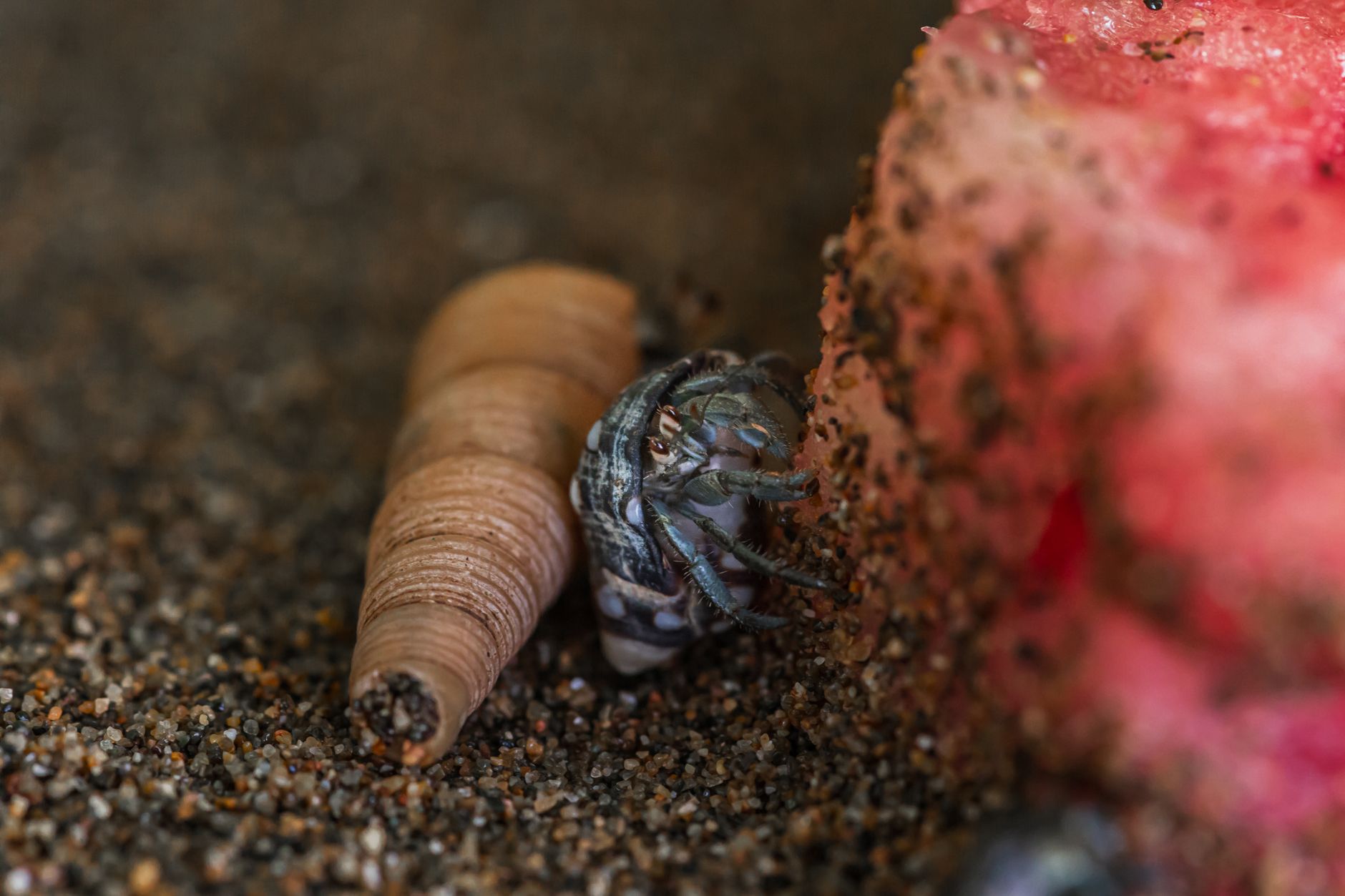
Understanding the molting process is essential to appreciating why interference is so dangerous. The process is complex, divided into distinct stages:
- Pre-molt: During this phase, the crab becomes lethargic, eats less, and often buries itself in the substrate. They are storing water and nutrients to help loosen the old exoskeleton and form the new one underneath. Look for cloudy eyes, a dull exoskeleton, and increased digging. They may even create a small “molting cave.”
- Molting: This is the most critical stage, where the crab sheds its old exoskeleton. It can take anywhere from a few minutes to several hours, depending on the crab’s size and health.
- Post-molt: After shedding, the new exoskeleton is soft and pliable. The crab will spend days, even weeks, underground, absorbing calcium and minerals from the old exoskeleton and the surrounding substrate to harden the new shell. They are extremely vulnerable during this time.
Why Touching a Molting Hermit Crab is Harmful
There are several compelling reasons why you should never touch a molting hermit crab:
- Stress: Molting is already a stressful process. Human interference adds significantly to this stress, potentially leading to death.
- Damage to the New Exoskeleton: The new exoskeleton is incredibly soft and easily damaged. Touching it can cause deformities or weaken the shell, leaving the crab vulnerable to injury and infection.
- Interruption of the Molting Process: Startling a molting crab or removing it from its burrow can disrupt the process, preventing it from properly shedding its old exoskeleton or hardening its new one. This can be fatal.
- Loss of Limb: The old exoskeleton is a vital food source for a molting crab, allowing them to replenish nutrients, calcium, and other minerals needed to harden their new exoskeleton. Interrupting the process will cause them to be unable to do this.
How to Identify a Molting Hermit Crab
Recognizing the signs of molting is key to avoiding unnecessary interference. Common indicators include:
- Burrowing: A crab spending excessive time buried in the substrate is a strong indication of molting.
- Lethargy: A decrease in activity level is another common sign.
- Loss of Appetite: A crab may stop eating or eat very little before molting.
- Cloudy Eyes: The crab’s eyes may appear cloudy or opaque.
- Dull Exoskeleton: The exoskeleton may lose its vibrant color and appear dull.
- Digging: The crab may create a small “molting cave” or burrow deeper into the substrate.
- Missing Antenna: If a crab’s antenna is missing, it is a sign that they will likely molt very soon.
Creating a Safe Molting Environment
Providing a suitable environment is crucial for successful molting. Here’s what you need:
- Deep Substrate: The substrate should be deep enough (at least 6 inches, and ideally more for larger crabs) to allow crabs to bury themselves completely. A mixture of playsand and coconut fiber is ideal.
- Proper Humidity: Maintain high humidity (70-80%) to facilitate molting. Use a hygrometer to monitor humidity levels.
- Adequate Temperature: Keep the temperature in the mid-70s to low-80s Fahrenheit.
- Isolate Molting Crabs: If you suspect a crab is molting, isolate it in a separate “molting tank” to prevent other crabs from disturbing it.
- Avoid Handling: Never handle a crab you suspect is molting. Observe from a distance.
Common Mistakes to Avoid
Many common mistakes can jeopardize a molting crab’s health:
- Digging up a Buried Crab: This is perhaps the most common and detrimental mistake. Assume any buried crab is molting and leave it undisturbed.
- Insufficient Substrate Depth: Shallow substrate prevents proper burrowing and increases the risk of disturbance.
- Low Humidity: Inadequate humidity can lead to molting problems and dehydration.
- Disturbing a Molting Crab: Even brief disturbances can stress the crab and disrupt the process.
- Adding New Crabs During a Molt: Introducing new crabs can create stress and competition, harming molting crabs.
Canibalism and Molting
One major concern is cannibalism of molting crabs by their tank mates. Here are precautions to take to minimize this risk:
- Ensure Sufficient Food: Make sure there is always an abundance of food available in the tank.
- Isolate Molting Crabs: If you see any aggression or suspect cannibalism, isolate the molting crab immediately.
- Plenty of Hiding Places: Provide numerous hiding places to provide some protection.
Other Factors to Consider
- Tank Size: Large tank sizes are always better than small ones. More room means more access to resources, and less stress on the crabs.
- Water Quality: Water should be dechlorinated. Offer both fresh and saltwater, as crabs need both.
- Shells: Plenty of clean, properly sized shells are important so crabs have the option to change shells if they need to.
- Diet: Offer a varied diet consisting of commercial hermit crab food, fresh fruits, vegetables, and proteins. Calcium is especially important.

Frequently Asked Questions (FAQs)
Here are 12 commonly asked questions about molting and handling hermit crabs:
Is it OK to touch a hermit crab?
It’s generally best to minimize handling of hermit crabs. While occasional brief handling is usually not harmful, excessive handling can stress them. Avoid touching them when they are molting.
How long does it take for a hermit crab to molt?
The entire molting process can take anywhere from a few weeks to several months, depending on the crab’s size and age. The actual shedding of the exoskeleton can take a few minutes to several hours.
How do I know if my hermit crab is going to molt?
Signs include lethargy, decreased appetite, burrowing, cloudy eyes, a dull exoskeleton, and creating a “molting cave.” Observing these signs indicates a molting event is imminent.
My hermit crab is buried. Should I dig it up?
Never dig up a buried hermit crab. It is almost certainly molting, and disturbing it could be fatal. Patience is key.
What should I do if I accidentally disturbed a molting hermit crab?
If you accidentally disturbed a molting hermit crab, gently cover it back up and leave it undisturbed. Try to minimize any further disruption.
My hermit crab is missing a leg. Will it grow back?
Yes, hermit crabs can regenerate lost limbs during the molting process. Each time it molts the limb will slowly grow back.
Why is my hermit crab eating its old exoskeleton?
Eating the old exoskeleton is crucial for hermit crabs. It provides them with essential calcium and other minerals needed to harden their new exoskeleton.
My hermit crab is out of its shell. What should I do?
If a hermit crab is out of its shell, immediately provide a selection of appropriately sized, clean shells. The crab is likely looking for a new shell. If the crab does not go into one of the shells on its own, gently coax it into a shell.
What do I feed a molting hermit crab?
During the molt, the crab does not need to be directly fed. Provide regular food to the other crabs and the molting crab will scavenge for food.
How do I maintain proper humidity for molting?
Use a hygrometer to monitor humidity levels and mist the tank regularly with dechlorinated water. A shallow dish of water can also help increase humidity.
How long should I wait before digging up a hermit crab after it molts?
It’s best to wait at least 1-2 weeks after you see the crab emerge from the substrate before attempting to handle it. This ensures that the new exoskeleton is fully hardened.
What if other crabs are bothering my molting hermit crab?
If other crabs are bothering a molting crab, isolate it in a separate “molting tank” or create a physical barrier within the main tank to protect it. Consider isolating any crabs showing signs of aggression.