
Can Raccoons Open Cabinets? A Deep Dive into Clever Critters
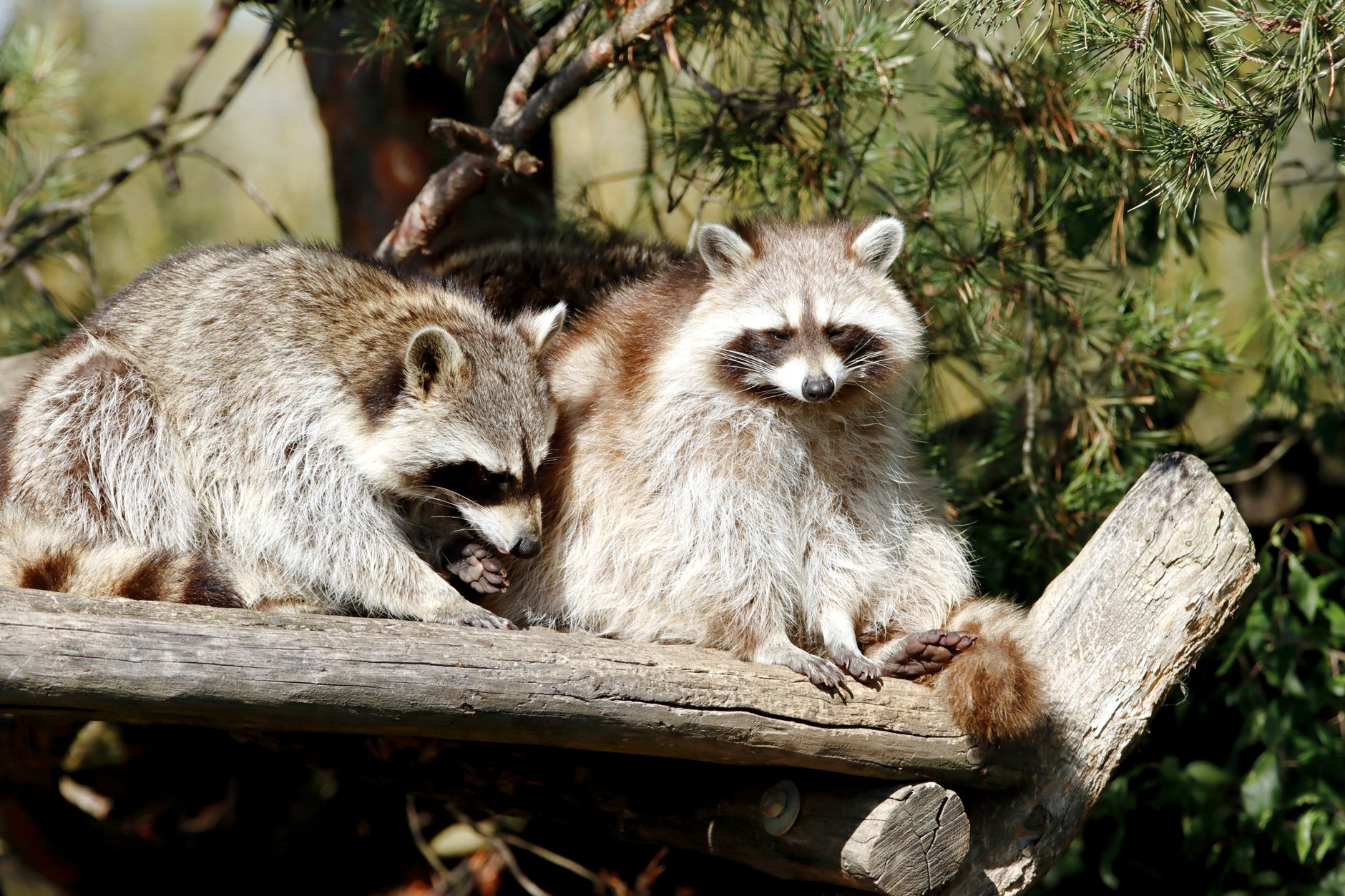
Yes, raccoons can indeed open cabinets, a testament to their remarkable intelligence and dexterity. These masked bandits are surprisingly adept at manipulating latches, knobs, and even complex locking mechanisms to access food sources.

Raccoons: The Master Manipulators of the Animal Kingdom
Raccoons, scientifically known as Procyon lotor, possess a unique combination of intelligence, dexterity, and problem-solving skills that make them formidable adversaries when it comes to accessing food and shelter. Understanding their capabilities is crucial for homeowners and businesses alike, as these nocturnal creatures can cause significant damage and pose health risks if allowed to roam freely indoors.

What colours are fish most attracted to?
Can you put your finger in a trout's mouth?
Is methylene blue anti bacterial?
Does aquarium salt raise pH in aquarium?
The Anatomy of a Cabinet Raider: Dexterity and Intelligence

A raccoon’s ability to open cabinets stems from a confluence of factors. Their front paws are incredibly dexterous, resembling small human hands. This allows them to:
- Grasp and manipulate objects with precision.
- Turn knobs and handles.
- Use their claws for leverage and grip.
- Employ their sensitive touch to assess mechanisms.
Furthermore, raccoons are highly intelligent animals, capable of:
- Learning from observation and experience.
- Remembering successful strategies for opening cabinets.
- Adapting their approach when faced with new challenges.
- Problem-solving using spatial reasoning.
Cabinet Types and Raccoon Vulnerability
Not all cabinets are created equal when it comes to raccoon resistance. Some designs are inherently more vulnerable than others. The following table illustrates this:
| Cabinet Type | Vulnerability to Raccoons | Reason |
|---|---|---|
| Standard Knob | High | Easy to grip and turn. |
| Pull Handle | Medium | Requires pulling motion, but still relatively easy with dexterous paws. |
| Magnetic Latch | Medium | Can be pried open with enough force or bypassed with manipulation. |
| Child-Proof Lock | Low | Designed to prevent opening by small children, often effective against raccoons. |
| Secure Latch | Very Low | Requires multiple steps or significant force to open. |
Preventive Measures: Fortifying Your Cabinets Against Raccoons
The best defense against cabinet-raiding raccoons is a proactive approach. Here are some effective strategies to deter them:
- Secure Latches: Install child-proof locks or secure latches on all cabinets.
- Reinforce Doors: Use metal plates to reinforce cabinet doors and prevent them from being pried open.
- Eliminate Food Sources: Store food in airtight containers and keep counters clean.
- Seal Entry Points: Seal any cracks or holes in walls and foundations that raccoons could use to enter your home.
- Motion-Activated Lights: Install motion-activated lights to deter raccoons from approaching your property.
The Risks Associated with Raccoon Infestations
Beyond the inconvenience of ransacked cabinets, raccoon infestations pose several risks:
- Property Damage: Raccoons can cause significant damage to your home by tearing insulation, chewing wires, and damaging furniture.
- Health Risks: Raccoons can carry diseases such as rabies and parasites like roundworm, which can be transmitted to humans and pets.
- Contamination: Raccoon droppings and urine can contaminate food preparation areas and pose a health hazard.
- Aggression: While generally not aggressive, raccoons can become defensive if they feel threatened, potentially leading to bites or scratches.
Identifying a Raccoon Infestation: Signs to Watch Out For
Recognizing the signs of a raccoon infestation early on is crucial for preventing further damage and health risks. Be on the lookout for:
- Nocturnal Noises: Scratching, scampering, or vocalizations coming from your attic, walls, or crawl spaces.
- Droppings: Raccoon droppings are typically dark, cylindrical, and contain undigested food particles.
- Damage: Tipped-over trash cans, torn insulation, chewed wires, or damaged gardens.
- Tracks: Raccoon tracks are easily identifiable by their five-fingered appearance.
- Odor: A strong, musky odor emanating from your attic or crawl spaces.
Dealing with a Raccoon Infestation: When to Call a Professional
While some homeowners may attempt to remove raccoons themselves, it is generally advisable to seek professional assistance. Here’s why:
- Expertise: Wildlife removal professionals have the knowledge and experience to safely and humanely remove raccoons from your property.
- Equipment: They have access to specialized equipment, such as traps and protective gear, to handle raccoons effectively.
- Legal Compliance: They are familiar with local laws and regulations regarding wildlife removal.
- Prevention: They can identify and seal potential entry points to prevent future infestations.
Frequently Asked Questions (FAQs)
Can raccoons open cabinets with child-proof locks?
While child-proof locks are generally effective, some particularly persistent or clever raccoons may still be able to bypass them. Consider using multiple locks or investing in more robust locking mechanisms.
Are certain types of food more attractive to raccoons, enticing them to open cabinets?
Yes, raccoons are attracted to high-calorie foods with strong smells, such as pet food, sweets, and meat. Properly storing these types of food in airtight containers can significantly reduce the likelihood of attracting raccoons.
How long does it take a raccoon to learn how to open a specific type of cabinet?
The time it takes a raccoon to learn to open a cabinet varies depending on the complexity of the locking mechanism and the raccoon’s individual intelligence and persistence. Some raccoons may figure it out in a matter of days, while others may take weeks.
Will trapping and relocating raccoons solve the problem permanently?
Trapping and relocating raccoons is often not a permanent solution as other raccoons may move into the vacated territory. Furthermore, relocated raccoons may struggle to survive in unfamiliar environments. Preventing access and eliminating food sources is more sustainable.
Do raccoons only target cabinets in kitchens?
No, raccoons will target any cabinet that contains a potential food source, including those in pantries, bathrooms (if containing pet food), or even garages.
How can I tell if a raccoon is living inside my cabinets?
Signs of a raccoon living inside a cabinet include nesting materials, droppings, and a strong, musky odor. You may also hear noises coming from the cabinet, especially at night.
Are raccoons more likely to open cabinets during certain seasons?
Raccoons are most active in the spring and fall, when they are breeding and preparing for winter. During these times, they are more likely to seek out food and shelter, increasing the likelihood of them attempting to open cabinets.
Is it safe to leave pet food out overnight if I suspect raccoons are nearby?
It is never safe to leave pet food out overnight if you suspect raccoons are nearby. This will only attract them and increase the likelihood of them entering your home.
What are some humane ways to deter raccoons from approaching my cabinets?
Humane ways to deter raccoons include using motion-activated lights, sprinkling pepper around the perimeter of your cabinets, and playing loud music.
Will a raccoon remember how to open a specific cabinet type if I try to deter it but fail?
Yes, raccoons have excellent memories and can remember successful strategies for opening cabinets. Once a raccoon has learned how to open a particular type of cabinet, it will likely continue to attempt to do so in the future.
Can raccoons spread diseases to humans by opening cabinets?
Yes, raccoons can spread diseases to humans by contaminating food preparation areas with their droppings and urine. Always clean and disinfect any surfaces that may have come into contact with raccoons.
What is the best way to prevent raccoons from learning how to open my cabinets in the first place?
The best way to prevent raccoons from learning how to open your cabinets is to eliminate any potential food sources and secure your cabinets with robust locking mechanisms from the outset. A preventative strategy will save time and money in the long run.