

Can You See Moose in Grand Tetons National Park? A Comprehensive Guide
Yes, you absolutely can see moose in Grand Tetons National Park! In fact, Grand Teton is a prime location for observing these magnificent creatures in their natural habitat.
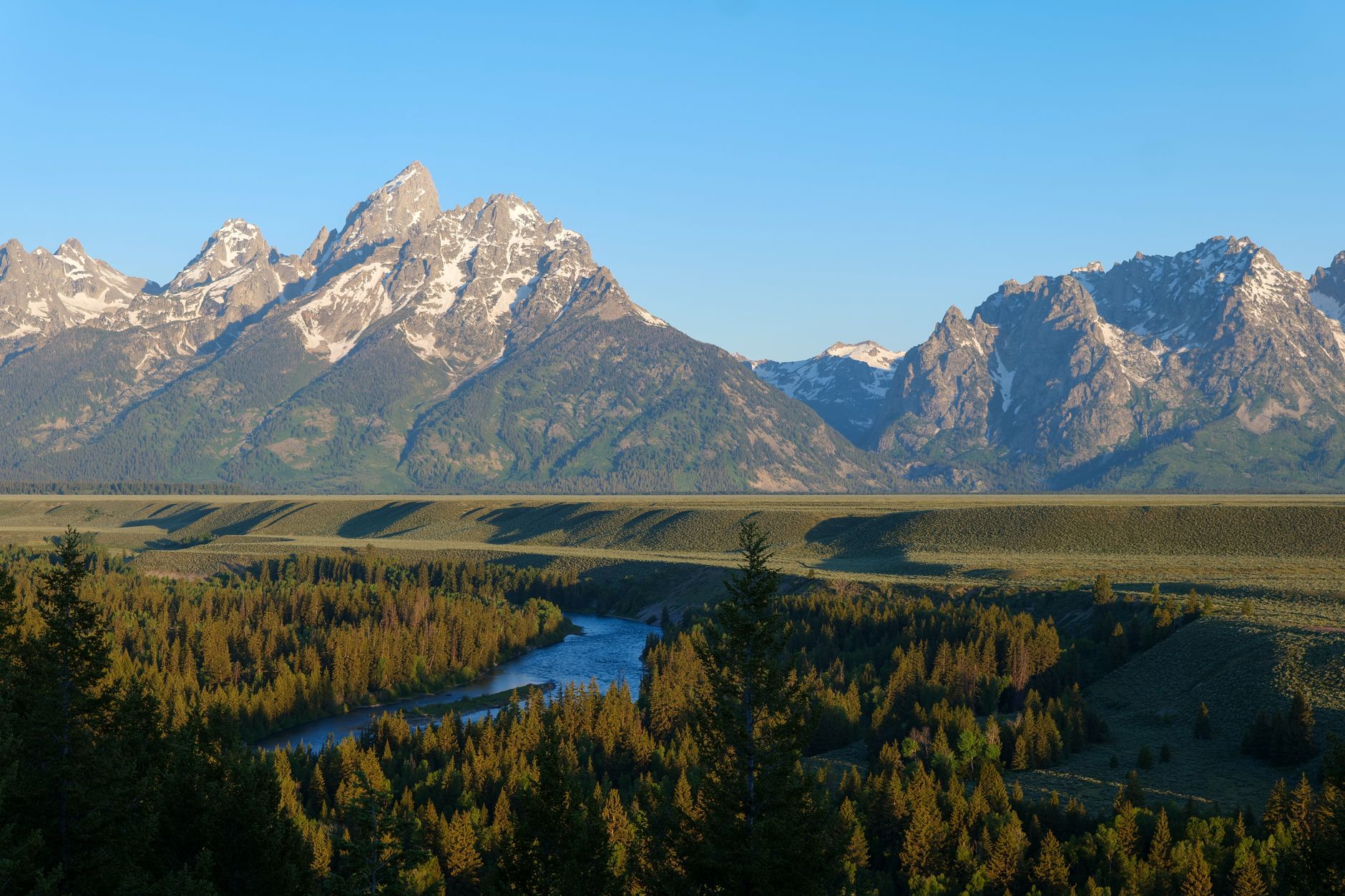
The Grand Teton National Park, with its diverse ecosystem including willow flats, meandering rivers, and dense forests, provides an ideal habitat for moose. Understanding their behavior, preferred locations, and the best times to visit significantly increases your chances of a successful sighting. This article provides an in-depth guide to spotting moose, respecting their space, and enjoying the beauty of Grand Teton.
Understanding Moose Habitat in Grand Teton
Moose are the largest members of the deer family and are well-suited to the subalpine environment of the Grand Tetons. They are primarily herbivores, relying on a diet of aquatic plants, willows, and shrubs. Understanding their habitat preferences is key to finding them.
- Willow Flats: These areas along rivers and streams are prime feeding grounds. Moose consume large quantities of willows, especially during the winter.
- Riparian Areas: The areas adjacent to rivers and lakes offer a mix of vegetation and water, attracting moose.
- Forest Edges: Moose often browse along the edges of forests, taking advantage of the abundant shrubs and saplings.
- Ponds and Wetlands: These areas offer aquatic plants, a key component of a moose’s diet, especially during the summer months.

What colours are fish most attracted to?
Can you put your finger in a trout's mouth?
Is methylene blue anti bacterial?
Does aquarium salt raise pH in aquarium?
Prime Locations for Moose Sightings

Knowing where to look greatly increases your chances of seeing a moose. Several locations within Grand Teton National Park are particularly well-known for moose activity.
- Schwabacher Landing: This iconic spot on the Snake River offers stunning views of the Tetons and is frequently visited by moose. Arrive early in the morning or late in the evening for the best chances.
- Oxbow Bend: Another popular location on the Snake River, Oxbow Bend provides a picturesque backdrop for moose sightings. Look for moose grazing in the shallows.
- Willow Flats Overlook: As the name suggests, this overlook provides a panoramic view of a large willow flat, a favorite moose habitat.
- Gros Ventre River: The Gros Ventre River and its associated wetlands are excellent places to spot moose. Drive along the Gros Ventre Road and scan the riverbanks.
- Moose-Wilson Road: This narrow road winding through a forested area is a well-known moose corridor. Drive slowly and carefully, keeping an eye out for moose crossing the road.
Timing Your Visit for the Best Chance
The time of year significantly impacts your likelihood of seeing a moose.
- Spring (April-May): Moose are often seen near rivers and wetlands as they emerge from winter and seek out fresh vegetation.
- Summer (June-August): Moose are more dispersed during the summer, as food is more abundant. Look for them in aquatic habitats and forest edges.
- Fall (September-October): The rutting season (mating season) brings increased moose activity. Bulls become more visible as they compete for mates. This is a prime time to see them, but also a time to exercise extra caution.
- Winter (November-March): Moose often congregate in areas with abundant willows and less snow. They can be more difficult to spot due to the snow cover.
Safety Considerations When Observing Moose
While observing moose is an exciting experience, it’s crucial to prioritize safety. Moose are large and powerful animals that can be dangerous if they feel threatened.
- Maintain a safe distance: Stay at least 25 yards (75 feet) away from moose. Use binoculars or a spotting scope for closer views.
- Never approach a moose: Approaching a moose can stress the animal and provoke an attack.
- Be aware of your surroundings: Pay attention to the moose’s behavior. If it seems agitated, back away slowly.
- Keep children and pets close: Children and pets are more vulnerable to moose attacks.
- Never feed moose: Feeding moose habituates them to humans and can disrupt their natural feeding patterns.
Responsible Wildlife Viewing
Responsible wildlife viewing is essential to protect moose and their habitat.
- Stay on designated trails: Avoid trampling vegetation or disturbing wildlife.
- Pack out all trash: Leave no trace of your visit.
- Respect wildlife: Observe animals from a distance and avoid making loud noises.
- Report any injured or distressed animals: Contact park rangers if you see an animal in need of assistance.
- Support conservation efforts: Contribute to organizations that work to protect moose and their habitat.
Frequently Asked Questions (FAQs)
What is the best time of day to see moose in Grand Teton?
The best times to see moose are typically early morning and late evening. These are the times when moose are most active, foraging for food. During the heat of the day, they often seek shelter in shaded areas.
Are moose dangerous to humans?
Yes, moose can be dangerous to humans, especially if they feel threatened or protective of their young. It’s crucial to maintain a safe distance and be aware of their behavior. During the rutting season (fall), bull moose are particularly aggressive.
What should I do if a moose approaches me?
If a moose approaches you, remain calm and slowly back away. Avoid making direct eye contact, as this can be interpreted as a challenge. If the moose charges, try to get behind a tree or other large object for protection.
What do moose eat in Grand Teton?
Moose are primarily herbivores, and their diet consists mainly of willows, aquatic plants, shrubs, and saplings. The specific plants they eat vary depending on the season and availability.
How can I tell the difference between a male and female moose?
Male moose, or bulls, have large antlers, while female moose, or cows, do not. Bulls also tend to be larger than cows. During the winter, bulls shed their antlers.
Is it guaranteed that I will see a moose if I visit Grand Teton?
While Grand Teton is a great place to see moose, sightings are never guaranteed. Moose are wild animals and their movements can be unpredictable. However, by visiting during the right time of year, going to prime locations, and being patient, you can significantly increase your chances.
What other wildlife can I see in Grand Teton besides moose?
Grand Teton National Park is home to a diverse array of wildlife, including elk, bison, pronghorn, bears, wolves, coyotes, and various bird species.
Do I need a special permit to view wildlife in Grand Teton?
No, you do not need a special permit to view wildlife in Grand Teton National Park, but you do need to pay the park entrance fee.
Can you see moose while floating the Snake River?
Yes, you can see moose while floating the Snake River in Grand Teton National Park. Many guided float trips operate on the Snake River and offer opportunities to observe wildlife from a unique perspective. Schwabacher Landing and Oxbow Bend are both river access points where moose are frequently seen.
What should I bring with me when trying to spot moose?
When trying to spot moose, it’s helpful to bring binoculars, a spotting scope, a camera, water, snacks, sunscreen, and insect repellent. Dress in layers, as the weather in Grand Teton can be unpredictable.
Are there any tours specifically focused on moose viewing in Grand Teton?
Yes, there are several tours specifically focused on moose viewing and other wildlife in Grand Teton National Park. These tours are often led by experienced guides who know the best locations for sightings and can provide valuable information about moose behavior and ecology.
Is it possible to see moose outside of Grand Teton National Park?
Yes, it is possible to see moose outside of Grand Teton National Park, particularly in the surrounding areas of Jackson Hole. Moose can be found in similar habitats outside the park boundaries, such as willow flats and riparian areas. However, Grand Teton offers protected habitat and concentrated populations making it a reliable place to spot them.