

What Does a Tiger Symbolize? Unveiling the Majesty
The tiger is a powerful and multifaceted symbol representing strength, courage, and beauty, but also reflecting aspects of destruction and the untamed power of nature, depending on the cultural context. In short, the tiger is a complex symbol of both positive and negative attributes.

A Deep Dive into the Tiger’s Symbolic Significance
The tiger, a creature of immense power and captivating beauty, has held a prominent place in human imagination and culture for millennia. Understanding what does a tiger symbolize? requires exploring its multifaceted representation across diverse societies and belief systems. Far from being a simple symbol, the tiger embodies a spectrum of meanings, reflecting its dual nature as both a magnificent predator and a creature of profound spiritual significance.

Is distilled water good for goldfish?
What colours are fish most attracted to?
Can you put your finger in a trout's mouth?
Is methylene blue anti bacterial?
The Tiger in Eastern Cultures
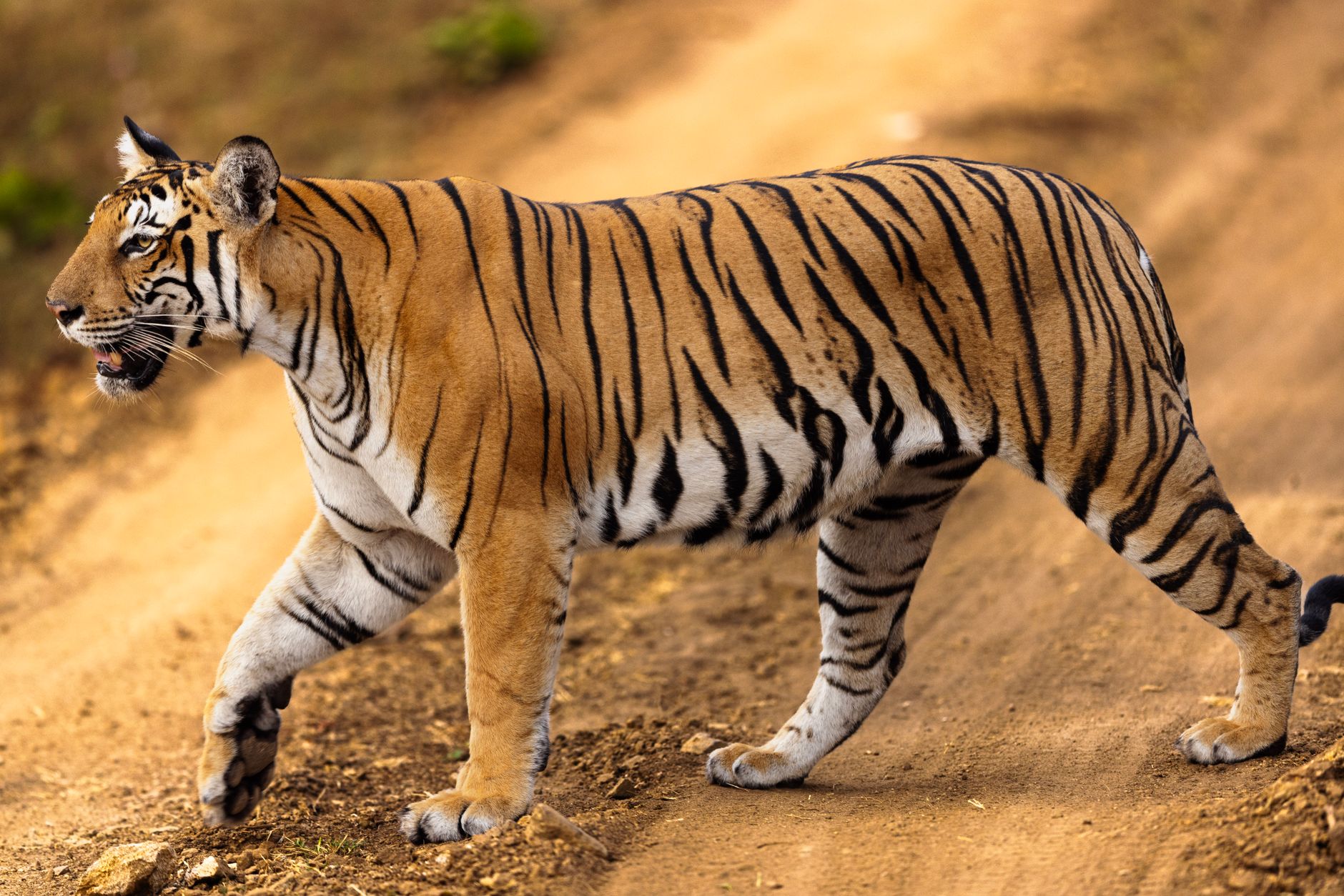
In many Eastern cultures, the tiger is revered as a symbol of power, royalty, and protection. Its image is often associated with warriors, kings, and divine beings.
- China: The tiger is one of the twelve animals of the Chinese zodiac, representing courage, confidence, and ambition. It’s also seen as a protector against evil spirits and is often depicted on doors and in homes to ward off bad luck. The white tiger, in particular, is a powerful guardian of the West and represents autumn.
- India: The tiger holds significant religious importance in Hinduism. It is the vahana (mount) of the goddess Durga, symbolizing her power and ability to overcome evil. The tiger is also associated with royalty and strength, often appearing in Indian mythology and folklore.
- Korea: Similar to China, the tiger is a symbol of protection and good fortune. It’s believed to possess the power to drive away evil spirits and is often depicted in Korean folk paintings and stories.
The Tiger in Western Cultures
While the tiger isn’t native to the West, its image has found its way into Western culture through trade, exploration, and media. However, its symbolic representation is often different.
- Strength and Ferocity: In Western cultures, the tiger is often associated with raw power, ferocity, and untamed wildness. It’s seen as a symbol of aggression and dominance.
- Exotic Beauty: The tiger’s striking appearance, particularly its distinctive stripes, has also made it a symbol of exotic beauty and elegance.
Jungian Psychology and the Tiger
In Jungian psychology, animals are often viewed as representations of archetypes – universal, unconscious patterns of behavior and imagery. The tiger, in this context, can symbolize the shadow self – the darker, repressed aspects of our personality. Encountering the tiger in a dream or as a recurring image might suggest the need to confront these hidden aspects of ourselves and integrate them into our conscious awareness.
The Tiger as a Symbol of the Unconscious
Further elaborating on the Jungian perspective, the tiger, often representing primal instincts and untapped potential, is viewed as a gateway into the deeper realms of one’s unconscious. It suggests the individual must confront and understand the raw energies within, potentially leading to greater self-awareness and personal growth. The interpretation, however, heavily depends on the context of the dream or symbolic occurrence. The specific behavior of the tiger, the dreamer’s feelings toward it, and surrounding symbols all contribute to a richer understanding. This exploration is crucial for integrating the tiger’s energy into one’s conscious life, ultimately fostering a more complete and balanced personality.
Cultural Variations in Tiger Symbolism
The significance of what does a tiger symbolize? can vary dramatically between cultures. For instance, while generally revered in Asia, some indigenous communities may view it with greater trepidation, recognizing its destructive potential and the constant threat it poses to their livelihoods. Understanding these nuances offers a deeper understanding of the tiger’s complex place in the human psyche.
Different cultures have different interpretations of the tiger’s symbolism. The table below highlights key variations:
| Culture | Symbolic Representation |
|---|---|
| :—— | :————————————————————— |
| China | Courage, Protection, Royalty |
| India | Divine Power (Durga’s Vahana), Strength, Royalty |
| Korea | Protection, Good Fortune, Driving Away Evil Spirits |
| Western | Raw Power, Ferocity, Exotic Beauty |
The Environmental Message
Beyond its cultural and psychological meanings, the tiger serves as a potent symbol of environmental conservation. As an endangered species, its plight highlights the urgent need to protect biodiversity and preserve natural habitats. The tiger’s survival is inextricably linked to the health of our planet, making it a powerful reminder of our responsibility to safeguard the environment for future generations.
Frequently Asked Questions (FAQs)
What does it mean to dream of a tiger?
Dreaming of a tiger can have multiple interpretations. Generally, it suggests that you are encountering inner strength, repressed anger, or unexplored potential. A calm tiger might symbolize controlled power, while an aggressive tiger could indicate that you’re facing a challenging situation or dealing with suppressed emotions. The specific context of the dream is crucial for accurate interpretation.
Why is the tiger considered a symbol of royalty in some cultures?
The tiger’s strength, majesty, and commanding presence naturally lend themselves to associations with royalty. Historically, rulers and warriors often adopted the tiger as a symbol to project their power and authority. Moreover, the tiger’s association with protection also made it a fitting emblem for those responsible for safeguarding their people and territories.
Is there a difference between the symbolism of different tiger subspecies?
While the general symbolism of the tiger remains consistent, some subtle variations may exist based on cultural context and local folklore. For instance, the white tiger is often associated with purity, spirituality, and transformation, while other subspecies may be more strongly linked to specific traits or regions.
How does the tiger’s symbolism relate to its predatory nature?
The tiger’s symbolism is inextricably linked to its predatory nature. Its hunting prowess and ability to dominate its environment contribute to its association with power, aggression, and the untamed forces of nature. However, it’s important to remember that the tiger’s predatory instincts are also essential for maintaining ecological balance.
Can the tiger symbolize both positive and negative attributes?
Yes, the tiger is a complex symbol that can represent both positive and negative attributes. It can embody strength, courage, and beauty on one hand, and aggression, destruction, and untamed power on the other. The specific interpretation depends on the cultural context, individual experiences, and the overall situation in which the symbol appears.
What is the significance of the tiger in martial arts?
In many martial arts traditions, the tiger represents power, aggression, and close-quarters combat skills. Tiger-style techniques often emphasize strength, speed, and ferocity. The tiger is also associated with balance, discipline, and the ability to overcome challenges through focused determination.
How does the tiger’s symbolism compare to that of the lion?
While both the tiger and the lion are powerful symbols of strength and royalty, they often carry distinct connotations. The lion is typically associated with leadership, courage, and nobility, while the tiger is more closely linked to raw power, untamed wildness, and individual prowess. The lion is often seen as a symbol of collective strength, while the tiger emphasizes individual might.
What is the environmental significance of the tiger as a symbol?
The tiger’s endangered status makes it a potent symbol of environmental conservation and the urgent need to protect biodiversity. Its dwindling population serves as a stark reminder of the impact of habitat loss, poaching, and climate change. By raising awareness about the tiger’s plight, we can inspire action to protect its remaining habitats and ensure its survival for future generations.
Why is the tiger often used in advertising and branding?
The tiger’s association with strength, power, and energy makes it an appealing symbol for businesses seeking to project a strong and dynamic image. Brands often use the tiger to convey a sense of confidence, ambition, and leadership. However, it’s important for companies to use the tiger responsibly and avoid perpetuating negative stereotypes.
What is the historical context of the tiger as a symbol of strength?
Throughout history, the tiger has been revered as a symbol of strength by various cultures. Its imposing presence, combined with its predatory skills, inspired awe and respect. Ancient civilizations often incorporated the tiger’s image into their art, mythology, and religious beliefs, solidifying its status as a symbol of power, courage, and dominance.
How does the symbolism of the tiger vary across different religions?
In Hinduism, the tiger serves as the mount of the goddess Durga, representing divine power and protection. In Buddhism, the tiger can symbolize moral strength and compassion. In some indigenous religions, the tiger may be viewed as a spiritual ancestor or a guardian spirit. The specific interpretation varies depending on the particular religious tradition and its associated beliefs and practices.
Can the tiger symbolize personal transformation?
Yes, the tiger can symbolize personal transformation. Its raw power and untamed nature can represent the potential for growth, change, and the overcoming of challenges. Confronting the tiger within oneself can lead to greater self-awareness, self-acceptance, and the realization of one’s full potential. It represents the process of harnessing inner strength to navigate life’s complexities.