
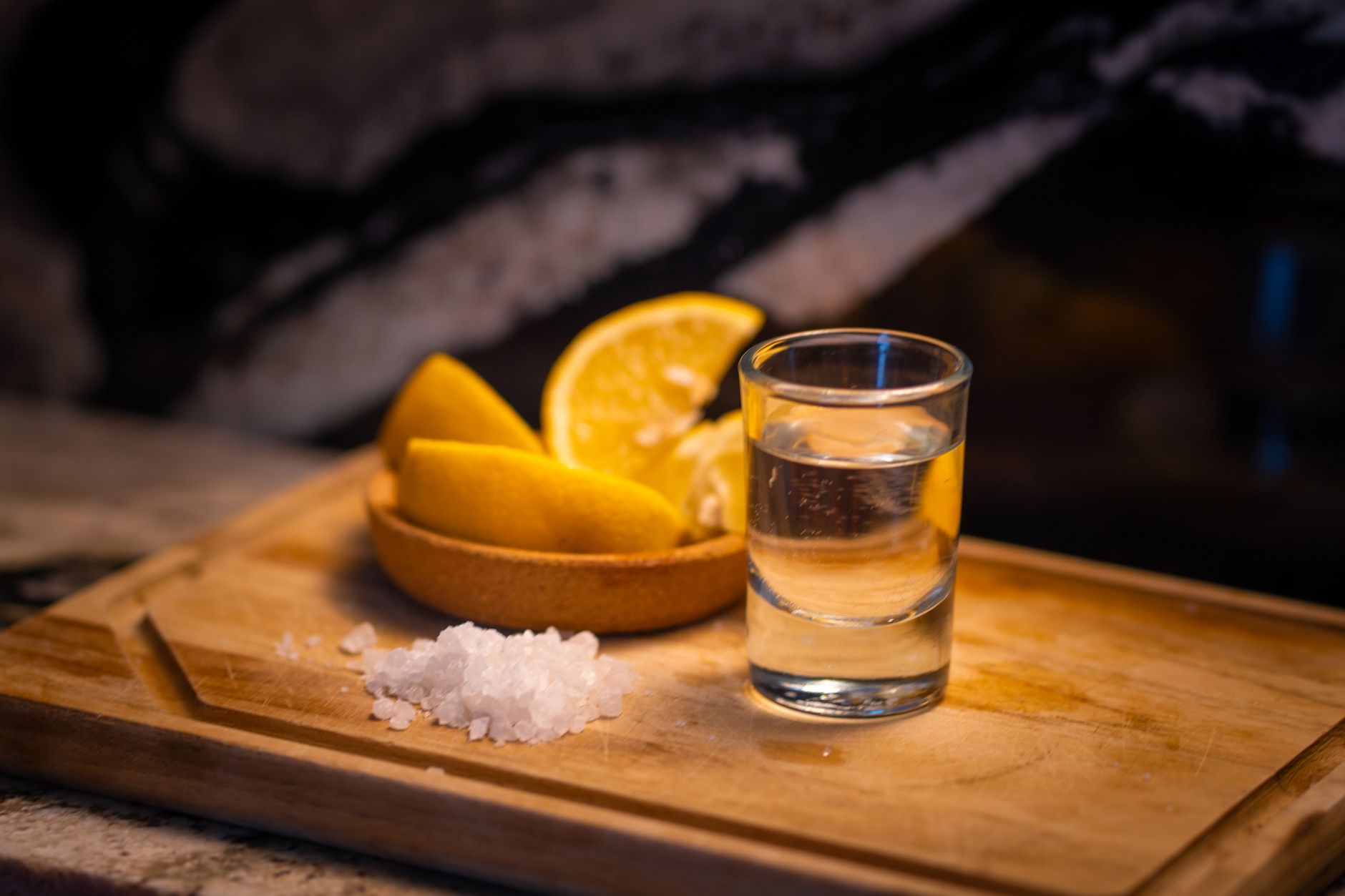
Why Drink Mezcal Instead of Tequila? A Taste of Tradition
Why drink mezcal instead of tequila? Choosing mezcal over tequila means embracing a broader spectrum of flavors and a deeper connection to ancestral traditions. Mezcal offers a unique, often smoky, and complex experience that transcends the more standardized production methods of tequila.

The Roots of Agave: Mezcal vs. Tequila
While both mezcal and tequila are derived from the agave plant, the differences in production and regulation create distinct spirits. Tequila can only be made from Blue Weber Agave grown in specific regions of Mexico. Mezcal, on the other hand, can be made from over 30 different varieties of agave, each lending its own unique flavor profile, and is produced in nine designated regions. This broader range of agave types and production locations results in a much more diverse and complex spirit.

What colours are fish most attracted to?
Can you put your finger in a trout's mouth?
Is methylene blue anti bacterial?
Does aquarium salt raise pH in aquarium?
The Art of Mezcal Production

The mezcal-making process is steeped in tradition and often follows practices passed down through generations. This artisanal approach contributes significantly to mezcal’s distinctive character. The key steps include:
- Harvesting: Agave plants are harvested, often after many years of growth.
- Cooking: The agave hearts (piñas) are traditionally roasted in earthen pits lined with lava rocks, fueled by wood. This imparts the signature smoky flavor. Modern methods sometimes involve autoclaves, which are faster but lack the same smoky nuance.
- Milling: The cooked agave is crushed to extract the sugars. Traditionally, this is done using a tahona, a large stone wheel pulled by a horse or donkey. Modern mills are also used.
- Fermentation: The extracted juice ferments naturally, often in open-air wooden vats.
- Distillation: The fermented liquid is distilled, typically twice, in copper or clay pot stills.
Tequila’s Streamlined Production
Tequila production, while also rooted in tradition, has become more industrialized, especially for mass-market brands. The key distinctions from mezcal production are:
- Agave Type: Exclusively Blue Weber Agave.
- Cooking: Often cooked in autoclaves (pressure cookers) for faster processing and less smoky flavor.
- Distillation: Usually distilled in stainless steel pot stills or column stills.
- Additives: Permitted additives in tequila production, such as caramel coloring, glycerin, oak extract, and sugar-based syrup, can standardize the flavor but detract from the authentic agave experience.
Flavor: The Defining Difference
Why drink mezcal instead of tequila? It’s often about the flavor. Mezcal offers a more profound sensory experience. The roasting of the agave in earthen pits creates a characteristic smoky flavor, which can range from subtle to intense. Beyond the smoke, mezcal exhibits a wider range of flavor notes, reflecting the diverse agave varieties used, the terroir, and the artisanal production methods. These flavors can include earthy, floral, fruity, herbal, and spicy notes. Tequila, particularly blanco or silver tequila, typically exhibits cleaner agave flavors with citrus and peppery notes. Reposado and Añejo tequilas gain vanilla and caramel flavors from aging in oak barrels.
The Cultural Significance
Both mezcal and tequila are deeply ingrained in Mexican culture. However, mezcal often represents a more intimate connection to indigenous traditions and the rural communities that produce it. Mezcal production is often a family affair, with knowledge passed down through generations. By choosing mezcal, you are supporting these traditions and the livelihoods of the communities that preserve them.
Making the Right Choice
| Feature | Mezcal | Tequila |
|---|---|---|
| Agave Variety | >30 different varieties | Blue Weber Agave only |
| Production | Artisanal, often small-batch | Industrialized, often mass-produced |
| Cooking Method | Earthen pit roasting, often wood-fired | Autoclave (pressure cooker) common |
| Flavor Profile | Smoky, complex, diverse | Clean agave, citrus, pepper (varied by aging) |
| Additives | Generally avoided | Permitted (caramel, glycerin, etc.) |
| Cultural Connection | Strong, indigenous traditions | Wider appeal, commercial brands |
Why drink mezcal instead of tequila? The answer depends on your preferences. If you are seeking a complex, smoky, and artisanal spirit with a strong connection to tradition, mezcal is the clear choice. If you prefer a cleaner, more standardized agave flavor, tequila may be a better fit. Ultimately, exploring both spirits will deepen your appreciation for the world of agave.
Common Mistakes to Avoid
- Assuming all mezcal is smoky: While smoke is a common characteristic, the intensity varies greatly depending on the production methods.
- Ignoring the agave variety: Different agave varieties offer distinct flavor profiles. Researching the agave type can help you find a mezcal you enjoy.
- Drinking it like tequila: Mezcal is best enjoyed slowly, sipped neat, to appreciate its complexity.
- Buying the cheapest bottle: Quality matters. Look for reputable brands that prioritize traditional production methods.
- Using salt and lime: Salt and lime can mask the delicate flavors of mezcal. Try it neat first to fully appreciate its profile.
- Overlooking the worm: While some mezcals contain a gusano (worm), its presence doesn’t indicate quality. It’s often a marketing gimmick.
The Future of Agave Spirits
Both mezcal and tequila are experiencing growing popularity worldwide. As demand increases, it’s crucial to support sustainable practices that protect agave populations and preserve the traditional methods of production. Choosing responsibly sourced mezcal and tequila helps ensure the long-term health of the industry and the communities that depend on it.
Enjoying Mezcal Responsibly
Like any alcoholic beverage, mezcal should be enjoyed responsibly. Savor the experience, appreciate the complexity of the spirit, and respect the traditions that have shaped it.
Frequently Asked Questions (FAQs)
What does “agave” mean, and why is it important?
Agave is a genus of succulent plants native to the Americas. Its importance lies in its use as the primary ingredient in both mezcal and tequila. The specific agave variety, its maturity, and its cultivation all significantly impact the final flavor of the spirit. Understanding agave is fundamental to appreciating the nuances of both mezcal and tequila.
What is the difference between “mezcal” and “tequila” in terms of production regulations?
Tequila can only be produced in specific designated regions in Mexico, and must be made from Blue Weber Agave. Mezcal production is allowed in nine Mexican states and can utilize more than 30 different agave species. This difference in regulations allows for greater diversity and complexity in mezcal production.
Is all mezcal smoky?
While the signature smoky flavor is often associated with mezcal, it’s not a universal characteristic. The intensity of the smoke varies significantly based on the cooking methods used. Some mezcals may have a very subtle smoky note, while others are intensely smoky.
What is “palenque,” and why is it significant?
A palenque is a traditional mezcal distillery, often a small, family-run operation. These palenques are the heart of mezcal production, preserving ancestral techniques and passing down knowledge through generations. They represent the authenticity and cultural significance of mezcal.
How should I properly taste and appreciate mezcal?
The best way to appreciate mezcal is to sip it neat at room temperature. Take small sips, allowing the flavors to develop on your palate. Pay attention to the aroma, the initial taste, the mid-palate, and the finish. Avoid using salt and lime, as they can mask the delicate flavors.
What does “artisanal” mean in the context of mezcal?
“Artisanal” refers to mezcal produced using traditional methods in small batches, often by family-run distilleries. These methods prioritize quality and craftsmanship over mass production, resulting in a spirit with unique character and complexity.
What is “pechuga” mezcal, and what makes it unique?
Pechuga mezcal is a unique type of mezcal that undergoes a third distillation with a raw chicken or turkey breast (pechuga) suspended inside the still. This imparts subtle savory and meaty flavors to the spirit, along with fruits, spices, and nuts depending on the recipe.
What does it mean when a mezcal is “ancestral”?
“Ancestral” mezcal refers to mezcal produced using the most traditional and rudimentary methods, often without any modern equipment. This includes cooking the agave in earthen pits, crushing it by hand, and distilling in clay pots.
Is it true that some mezcals contain a worm?
The worm (gusano) found in some mezcals is a marketing gimmick that originated in the mid-20th century. It doesn’t indicate quality and is not a traditional part of mezcal production. Its presence is not a sign of authenticity or superior quality.
How can I identify a good quality mezcal?
Look for mezcals that are 100% agave, produced by reputable distilleries that prioritize traditional methods and sustainable practices. Research the agave variety and the production process. A higher price doesn’t always guarantee quality, but it can often be an indicator.
What food pairings work well with mezcal?
Mezcal’s smoky and complex flavors pair well with a variety of foods, including grilled meats, Mexican cuisine, cheeses, chocolate, and spicy dishes. Experimenting with different pairings is the best way to discover your preferences.
How can I ensure I’m buying sustainably produced mezcal?
Look for brands that are committed to sustainable agave farming and responsible production practices. Research their sourcing methods and environmental initiatives. Supporting brands that prioritize sustainability helps protect agave populations and the livelihoods of the communities that produce mezcal.