
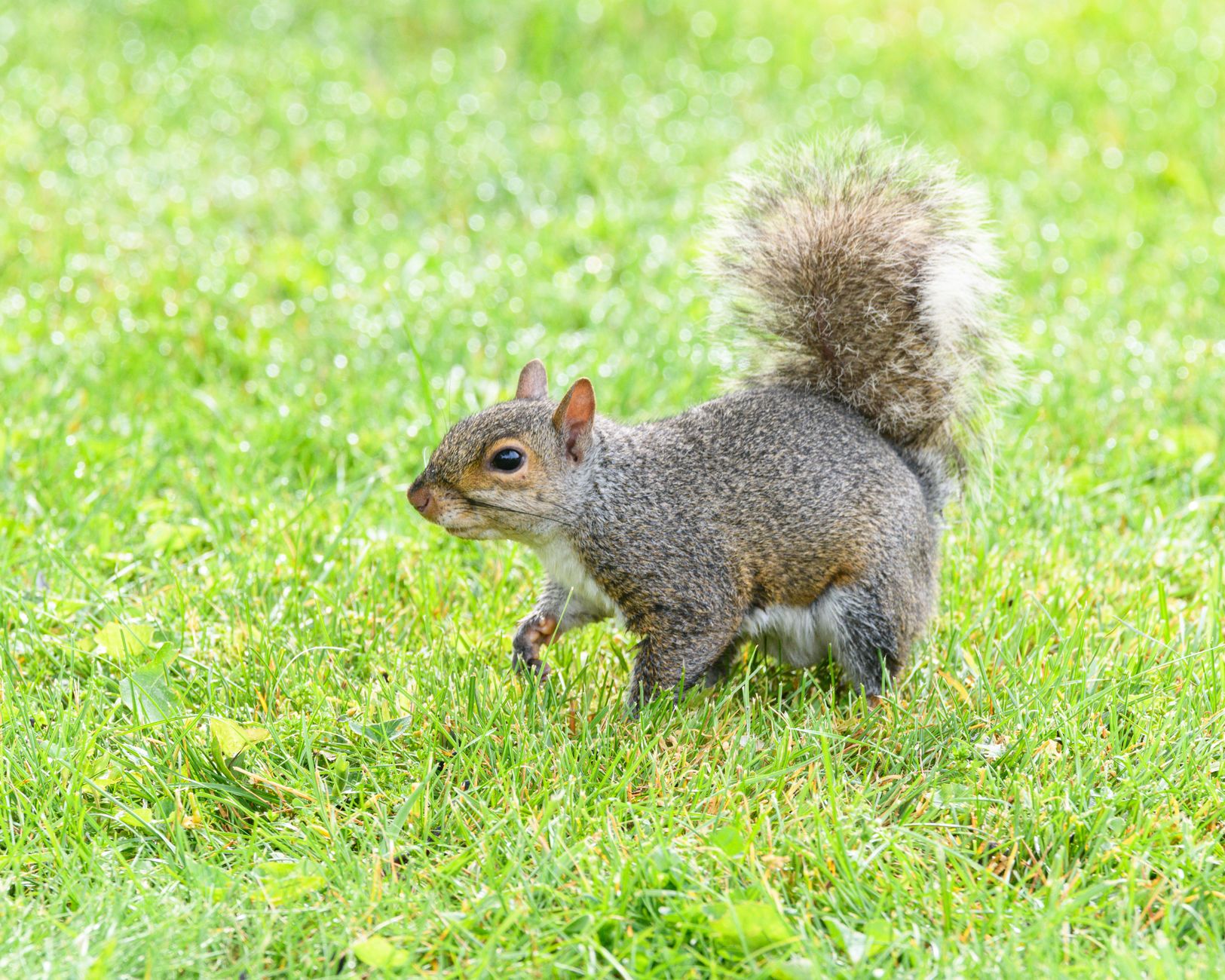
Are Squirrels a Health Hazard? A Deep Dive
While generally charming to watch, squirrels can pose potential health risks, though severe cases are relatively rare; understanding these risks allows for informed management and preventative measures.

Introduction: The Squirrelly Dilemma
Squirrels, with their bushy tails and energetic antics, are a common sight in urban and suburban landscapes. They charm us with their nut-gathering skills and playful nature, but beneath the surface lies a potential public health concern. While often perceived as harmless creatures, squirrels can carry diseases, parasites, and allergens that pose risks to humans and pets. Understanding the potential dangers squirrels present, and knowing how to mitigate those risks, is critical for maintaining a healthy living environment. Knowing when admiration should yield to caution is key.

What colours are fish most attracted to?
Can you put your finger in a trout's mouth?
Is methylene blue anti bacterial?
Does aquarium salt raise pH in aquarium?
The Wildlife-Urban Interface

Squirrels have adapted remarkably well to living alongside humans. Their adaptability has led to an increased overlap between their natural habitats and our living spaces. This wildlife-urban interface creates opportunities for interaction, both positive and negative. Human activities like feeding squirrels, providing access to food sources (bird feeders, uncovered trash), and creating habitat through landscaping unintentionally encourage squirrel populations to thrive near our homes. This concentrated proximity inevitably increases the risk of human-squirrel conflict, including the potential for disease transmission.
Diseases Carried by Squirrels
One of the primary concerns regarding squirrels and public health is their potential to carry and transmit diseases. While squirrels are not a major reservoir for many zoonotic diseases (diseases transmitted from animals to humans), they can occasionally carry pathogens that pose a threat. Some notable diseases associated with squirrels include:
- Rabies: Although rare, squirrels can contract and transmit rabies. This is a serious and potentially fatal viral disease that affects the central nervous system. Any unusual squirrel behavior (aggressiveness, disorientation) should be reported to local animal control immediately.
- Tularemia: This bacterial infection can be transmitted to humans through contact with infected squirrels or through tick bites. Symptoms can include fever, skin ulcers, and swollen lymph nodes.
- Leptospirosis: This bacterial disease can spread through the urine of infected animals, including squirrels. Humans can contract leptospirosis through contact with contaminated water or soil.
- Salmonellosis: Squirrels can carry Salmonella bacteria, which can cause food poisoning in humans. Transmission typically occurs through contact with squirrel feces or contaminated surfaces.
It’s important to note that the prevalence of these diseases in squirrel populations varies depending on geographic location and other environmental factors.
Parasites and Allergens
Beyond infectious diseases, squirrels can also carry parasites that can affect humans and pets. These parasites include:
- Fleas: Squirrels can be hosts to fleas, which can bite humans and transmit diseases like murine typhus.
- Ticks: Ticks can attach to squirrels and subsequently bite humans, transmitting diseases like Lyme disease, Rocky Mountain spotted fever, and ehrlichiosis.
- Mites: Squirrel mites can cause skin irritation and itching in humans.
- Ringworm: This fungal infection can be transmitted from squirrels to humans through direct contact.
In addition to parasites, squirrel droppings and urine can contain allergens that trigger allergic reactions in sensitive individuals. Squirrel dander, like that of cats and dogs, can also cause allergic symptoms.
Preventing Squirrel-Related Health Risks
While the potential health risks associated with squirrels are real, there are many steps you can take to minimize your risk of exposure:
- Avoid direct contact with squirrels. Do not attempt to feed or handle squirrels, as this increases your risk of being bitten or scratched.
- Seal entry points to your home. Close up any holes or cracks in your foundation, walls, or roof to prevent squirrels from entering your home.
- Remove food sources. Store garbage in tightly sealed containers, and avoid leaving pet food or birdseed outdoors.
- Trim trees and shrubs. Keep branches trimmed away from your house to prevent squirrels from using them as pathways to your roof.
- Wear protective clothing. When working outdoors in areas where squirrels are common, wear long sleeves, pants, and gloves to protect your skin.
- Use insect repellent. Apply insect repellent containing DEET to protect yourself from tick and flea bites.
- Wash your hands thoroughly. After spending time outdoors or handling potentially contaminated surfaces, wash your hands thoroughly with soap and water.
- Control squirrel populations. If you have a persistent squirrel problem, consider contacting a professional wildlife removal service. These professionals have the knowledge and equipment to safely and humanely remove squirrels from your property.
When to Seek Medical Attention
If you are bitten or scratched by a squirrel, or if you develop symptoms of a disease that may have been transmitted by a squirrel, seek medical attention immediately. Be sure to inform your doctor about the incident and any potential exposure to squirrels. Early diagnosis and treatment can help prevent serious complications.
| Symptom | Possible Cause | Action |
|---|---|---|
| Fever, rash | Lyme disease, Tularemia | See a doctor immediately |
| Flu-like symptoms | Leptospirosis, Salmonella | See a doctor if severe |
| Skin irritation | Mites, Ringworm | Over-the-counter treatments |
| Bite/scratch | Rabies (rare) | Seek immediate medical care |
Living Peacefully with Squirrels
It’s important to remember that squirrels are an integral part of our ecosystem. While it’s necessary to take precautions to protect our health, it’s also possible to coexist peacefully with these fascinating creatures. By taking steps to prevent squirrels from entering our homes and minimizing our exposure to their droppings and parasites, we can reduce our risk of health problems while still appreciating their presence in our environment. The answer to Are squirrels a health hazard? is complex, requiring awareness and responsible coexistence.
Frequently Asked Questions (FAQs)
Are squirrels aggressive towards humans?
Squirrels are generally not aggressive towards humans unless they feel threatened or are being hand-fed. Trying to feed them by hand can result in bites, as they can misinterpret your intentions. Maintaining a respectful distance is key to avoiding any aggressive behavior.
Can squirrels carry rabies?
While possible, it is extremely rare for squirrels to carry rabies. However, any animal bite should be evaluated by a medical professional, especially if the animal is behaving erratically. Consult a physician immediately if bitten.
How do I prevent squirrels from entering my attic?
To prevent squirrels from entering your attic, seal any potential entry points, such as holes or cracks in your roof, walls, or foundation. Trim tree branches that overhang your roof to prevent squirrels from using them as pathways. Consider professional assistance for complex infestations.
Are squirrel droppings dangerous?
Squirrel droppings can contain bacteria and parasites that can be harmful to humans. It’s important to clean up squirrel droppings promptly and thoroughly, wearing gloves and a mask to avoid inhaling any dust or spores. Proper sanitation practices are crucial.
Can squirrels damage my garden?
Squirrels are notorious for raiding gardens, digging up bulbs, and eating fruits and vegetables. To protect your garden, consider using physical barriers, such as fencing or netting, and planting squirrel-resistant plants. Deterrents and barriers offer the best protection.
What should I do if I find a baby squirrel?
If you find a baby squirrel, observe it from a distance to see if its mother is nearby. If the squirrel appears injured or abandoned, contact a local wildlife rehabilitation center for guidance. Avoid handling the squirrel directly unless absolutely necessary.
Are squirrel bites serious?
While most squirrel bites are minor, they can still pose a risk of infection. Clean the wound thoroughly with soap and water, and apply an antiseptic. If the bite is deep or if you develop signs of infection, seek medical attention. Monitor any bite wound carefully for infection.
Can squirrels carry Lyme disease?
Squirrels can carry ticks, which can transmit Lyme disease to humans. To protect yourself from Lyme disease, use insect repellent containing DEET, wear long sleeves and pants when spending time outdoors, and check yourself for ticks regularly. Tick prevention is crucial for Lyme disease prevention.
How do I get rid of squirrels humanely?
If you need to remove squirrels from your property, consider using humane trapping methods. Live traps can be baited with nuts or seeds. Once trapped, the squirrels should be relocated to a suitable habitat away from your home. Consult with a wildlife removal expert for best practices.
What are the signs of a squirrel infestation?
Signs of a squirrel infestation can include scratching noises in your attic or walls, droppings in and around your home, and damage to your property, such as gnawed wires or chewed wood. Early detection is key to managing an infestation.
Is it legal to trap and relocate squirrels?
Laws regarding trapping and relocating squirrels vary depending on your location. Contact your local wildlife agency to determine the regulations in your area. In some areas, it may be illegal to relocate squirrels without a permit. Check local regulations before taking action.
Can squirrels transmit diseases to my pets?
Squirrels can transmit diseases and parasites to pets, such as fleas, ticks, and ringworm. Keep your pets up to date on their vaccinations and parasite prevention treatments to protect them from these potential health risks. The answer to Are squirrels a health hazard? often depends on the risks to other animals that you keep in your home. Regular veterinary care protects your pets.