
Are Cardinal Tetras Egg Layers? A Deep Dive into Their Reproduction
Yes, cardinal tetras are indeed egg layers. This vibrant species, a beloved addition to many aquariums, reproduces through a unique spawning process involving external fertilization of their eggs.
Unveiling the Cardinal Tetra: A Jewel of the Aquarium
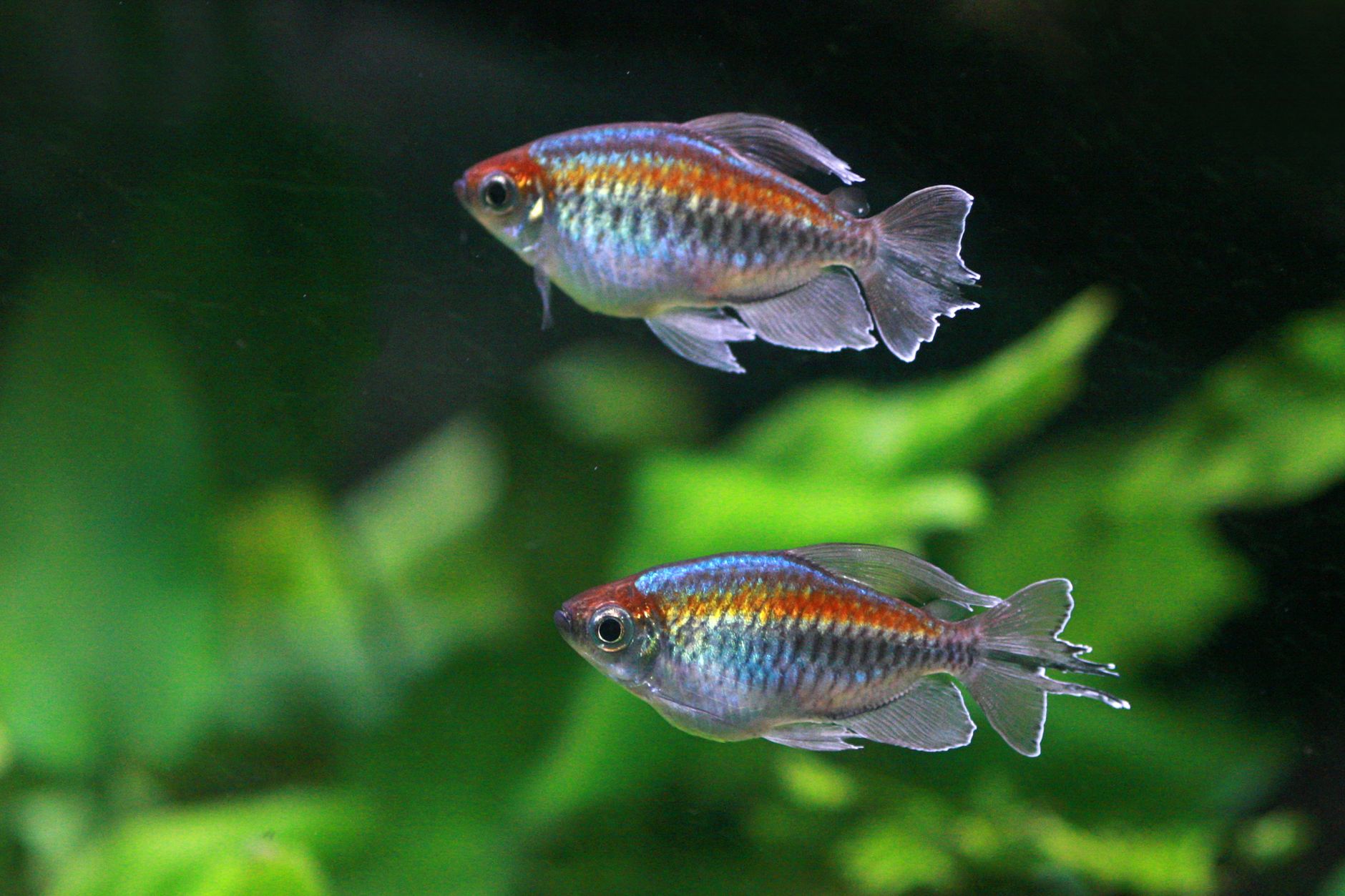
The cardinal tetra (Paracheirodon axelrodi), is a freshwater fish originating from the Orinoco and Negro river basins in South America. Admired for their stunning iridescent blue and bright red stripes, these fish add a touch of the Amazon to any aquarium. Understanding their natural habitat and behavior is crucial for successful breeding, and it all starts with knowing that cardinal tetras are egg layers.

What colours are fish most attracted to?
Can you put your finger in a trout's mouth?
Is methylene blue anti bacterial?
Does aquarium salt raise pH in aquarium?
The Nuances of Cardinal Tetra Reproduction
Are cardinal tetras egg layers? Absolutely. However, breeding them successfully in captivity can be challenging due to their specific environmental needs. Unlike some fish that simply scatter eggs and leave them to fend for themselves, cardinal tetras require a meticulously prepared breeding environment. This includes:
- Soft, acidic water: Mimicking their natural habitat requires a pH level between 5.5 and 6.5.
- Dim lighting: Bright light can inhibit spawning.
- Dense vegetation or spawning mops: Provides a place for the eggs to be laid and offers some protection.
The Spawning Process: A Delicate Dance
The spawning process itself is a fascinating display. After the female is ready to lay her eggs (noticeable by her plumper abdomen), the male will court her, leading her to the chosen spawning site. He will then fertilize the eggs as she releases them. A single female can lay several hundred eggs during a spawning session. It’s crucial to remove the parents immediately after spawning, as they will consume their own eggs.
Incubation and Hatching: From Egg to Fry
The eggs are highly sensitive to light and fungus. Incubation typically lasts 24-36 hours, depending on the water temperature. Once hatched, the fry are incredibly small and fragile. They will initially feed on their yolk sacs for a few days before requiring infusoria or liquid fry food.
Challenges in Breeding Cardinal Tetras
Successfully breeding cardinal tetras that are egg layers requires careful attention to detail. Here are some common hurdles:
- Water Chemistry: Maintaining stable and appropriate water parameters is paramount.
- Egg Predation: The parents, as well as other tank inhabitants, will readily eat the eggs.
- Fry Mortality: The fry are extremely delicate and susceptible to disease and poor water quality.
Creating the Ideal Breeding Tank
The breeding tank should be a separate, smaller tank specifically designed for spawning. It should be equipped with:
- Filtration: A gentle sponge filter is ideal to avoid harming the fry.
- Heater: To maintain a stable temperature of around 82°F (28°C).
- Spawning Medium: Fine-leaved plants like Java moss or artificial spawning mops.
- Darkened Environment: Cover the tank sides or use dim lighting.
Comparing Cardinal Tetras to Other Egg-Laying Tetras
| Feature | Cardinal Tetra | Neon Tetra |
|---|---|---|
| Egg Size | Small | Small |
| Spawning Habitat | Soft, acidic water; dim lighting; dense vegetation | Soft, acidic water; dim lighting; dense vegetation |
| Parental Care | None (parents eat eggs) | None (parents eat eggs) |
| Difficulty Level | Difficult | Difficult |
Frequently Asked Questions
Are cardinal tetras difficult to breed?
Yes, breeding cardinal tetras can be challenging. They have very specific water parameter requirements and a tendency to eat their own eggs. The fry are also delicate and require specialized care, making it a process best suited for experienced aquarists. Successfully breeding cardinal tetras is a rewarding accomplishment.
How can I tell if my cardinal tetra is pregnant?
Technically, fish that lay eggs are not pregnant; they are gravid. You can usually tell if a female cardinal tetra is gravid by observing her abdomen. It will appear noticeably plumper than usual. However, this can also be a sign of overfeeding or other health issues, so observe her closely for other signs of readiness to spawn.
What water parameters are ideal for spawning cardinal tetras?
The ideal water parameters for spawning cardinal tetras include a pH between 5.5 and 6.5, a temperature of around 82°F (28°C), and very soft water (low general hardness, or GH). These conditions closely mimic their natural environment. Regularly testing the water is essential for success.
How many eggs do cardinal tetras lay at a time?
A female cardinal tetra can lay several hundred eggs during a single spawning session. The exact number depends on the size and health of the female. These eggs are very small and translucent, making them difficult to see without careful observation.
What do cardinal tetra eggs look like?
Cardinal tetra eggs are tiny, transparent, and almost perfectly spherical. They are often difficult to spot as they are nearly invisible against a dark background or among fine-leaved plants. Their small size and transparency are key characteristics.
How long does it take for cardinal tetra eggs to hatch?
The incubation period for cardinal tetra eggs typically lasts between 24 and 36 hours, depending on the water temperature. Warmer temperatures generally lead to faster hatching. Monitor the eggs closely for signs of hatching.
What do cardinal tetra fry eat?
Newly hatched cardinal tetra fry are incredibly small and initially feed on their yolk sacs. After a few days, they require infusoria (microscopic organisms) or commercially available liquid fry food. Proper nutrition is critical for their survival.
How often should I feed cardinal tetra fry?
Cardinal tetra fry should be fed several times a day (3-5 times) in very small amounts. Overfeeding can quickly foul the water, which is detrimental to their health. Frequent, small feedings are best.
How long does it take for cardinal tetra fry to grow to adulthood?
It takes several months for cardinal tetra fry to reach their adult size and coloration. Growth rates can vary depending on diet and water quality. Consistent care and optimal conditions are necessary for healthy development.
Can I breed cardinal tetras in a community tank?
While technically possible, breeding cardinal tetras that are egg layers in a community tank is highly unlikely to be successful. The other fish in the tank will readily eat the eggs, and even if some fry hatch, they are unlikely to survive. A dedicated breeding tank is essential for a higher success rate.
How do I prevent fungus from growing on cardinal tetra eggs?
Maintaining pristine water quality is the best way to prevent fungus from growing on cardinal tetra eggs. You can also add a small amount of methylene blue to the water, which has antifungal properties. However, be cautious when using medications in a breeding tank.
What are the signs that my cardinal tetras are ready to spawn?
The most obvious sign that your cardinal tetras are ready to spawn is the female’s swollen abdomen, indicating she is carrying eggs. The male will also display more vibrant colors and actively court the female. Observing these behaviors indicates readiness for spawning.